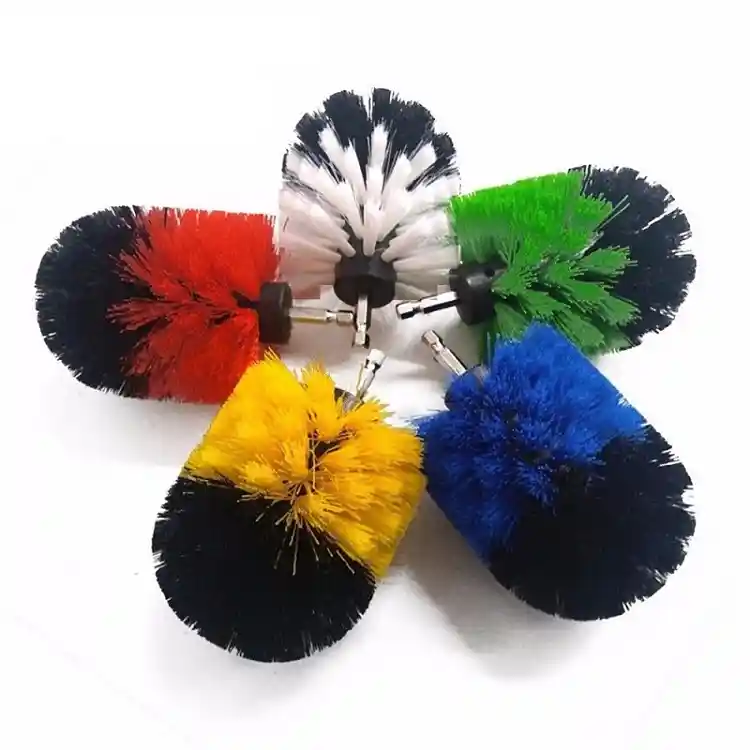

Drill brush attachments have genuinely changed how I approach stubborn cleaning jobs. After years of working with industrial brush applications, I still find it satisfying to watch a power drill transform into a scrubbing machine that handles grime in seconds rather than minutes. These tools connect to standard drills and deliver rotational scrubbing power that manual methods simply cannot match. The efficiency gains are real, whether you’re tackling bathroom tile at home or degreasing equipment in a workshop.
How Drill Brush Attachments Actually Work
A drill brush attachment is a specialized brush head that mounts onto an electric drill’s chuck. The drill’s motor spins the brush at high speed, creating intensive scrubbing action against whatever surface you’re cleaning. This mechanical advantage removes stubborn dirt, dried-on grime, and stains far more effectively than hand scrubbing.
The market for these power cleaning accessories keeps growing, and the reason is straightforward. People discover that a five-minute job with a drill brush would have taken twenty minutes by hand. That kind of time savings adds up quickly, especially in commercial or industrial settings where cleaning is a daily requirement.
These attachments work particularly well for tasks that demand consistent pressure and speed. Grout lines, textured surfaces, and areas with built-up residue all respond well to rotary scrubbing. The mechanized approach reduces physical strain while improving outcomes. Having manufactured industrial brushes for years, I’ve seen firsthand how the right brush design paired with adequate power delivers results that manual effort alone cannot achieve.
Matching Bristle Materials and Shapes to Your Cleaning Task
The brush you choose matters more than most people realize. Bristle material and brush shape determine whether you’ll clean effectively or damage the surface you’re working on. Material science drives these decisions, and understanding the basics helps you avoid costly mistakes.
Why Bristle Material Selection Determines Success
Nylon bristles handle most general cleaning tasks well. They offer enough stiffness to scrub effectively while remaining flexible enough to avoid scratching many surfaces. Nylon also resists common cleaning chemicals, which extends brush life.
Polypropylene bristles are stiffer and more aggressive. They work well for heavy-duty applications where you need maximum scrubbing power against tough deposits. Industrial cleaning often calls for this level of abrasion.
For demanding tasks like rust removal or stripping old coatings, abrasive-filled bristles provide the cutting action needed. These specialized options handle jobs that would destroy softer brush types. The key is matching bristle characteristics to both the soil you’re removing and the surface underneath.
Brush Shapes Designed for Specific Access Points
Flat brushes cover large areas efficiently. Floors, walls, countertops, and shower surrounds all benefit from the broad contact area these designs provide. When you need to clean expansive surfaces quickly, flat brushes are the logical choice.
Cone-shaped brushes reach into tight spaces that flat designs cannot access. Sink drains, wheel wells, curved fixtures, and detailed trim work all require this tapered geometry. The narrow tip gets into crevices while the wider base provides stability.
Corner brushes tackle 90-degree angles where grime accumulates. Grout lines meeting walls, bathtub edges, and window track corners all trap dirt that standard brush shapes miss. Purpose-built corner designs solve this problem.
| Bristle Type | Stiffness | Recommended Use | Key Advantage |
|---|---|---|---|
| Soft Nylon | Low | Upholstery, Glass, Delicate Surfaces | Non-scratch, gentle |
| Medium Nylon | Medium | General Cleaning, Tiles, Sinks | Versatile, balanced |
| Stiff Nylon | High | Grout, Concrete, Heavy Grime | Aggressive scrubbing |
| Polypropylene | Very High | Industrial Cleaning, Tough Stains | Maximum abrasion |
For more information on selecting the right brush, consider exploring our insights on 《advantage of hx cylindrical nylon brushes》.
Where Drill Brush Attachments Deliver the Biggest Impact
The time savings with drill brush attachments are substantial. In testing across various applications, we’ve documented cleaning time reductions of up to 50% compared to manual scrubbing on comparable tasks. That efficiency translates directly into labor cost savings for commercial operations.
Bathroom cleaning benefits enormously from drill brush attachments. Soap scum, mildew, and hard water deposits on tubs, showers, and sinks yield quickly to rotary scrubbing. Tile and grout cleaning becomes almost effortless when you have the right brush spinning at speed.
Kitchen applications include grease removal from stovetops, backsplash cleaning, and sink scrubbing. Baked-on residue that would require significant elbow grease comes off with minimal effort when mechanical power does the work.
Automotive detailing has embraced these tools enthusiastically. Wheel cleaning, carpet scrubbing, and upholstery refreshing all benefit from drill-powered brushes. The consistent pressure and speed produce professional-quality results.
Marine cleaning presents unique challenges with algae, salt deposits, and organic growth. Drill brush attachments handle boat hulls and deck surfaces effectively, cutting through buildup that resists manual cleaning.
Outdoor applications include patio furniture, grills, siding, and concrete surfaces. The heavy-duty cleaning capability extends to industrial settings where machinery and floors accumulate tough deposits that require aggressive scrubbing.
Selecting the Right Drill Brush Attachment
Choosing incorrectly leads to either ineffective cleaning or surface damage. Neither outcome is acceptable. A systematic approach based on surface characteristics, soil type, and equipment compatibility prevents both problems.
Surface Compatibility Considerations
Drill brush attachments work safely on many surfaces when you match bristle stiffness appropriately. Tile, grout, and concrete handle stiff bristles without issue. These durable materials withstand aggressive scrubbing.
Fiberglass, common in showers and boats, requires medium-stiffness bristles. The material can scratch if you apply too much abrasion. Upholstery and fabric surfaces need soft bristles that clean without damaging fibers.
Testing in an inconspicuous area before committing to a full cleaning session prevents regrettable surprises. This simple precaution takes seconds and can save significant repair costs.
Bristle Stiffness Selection Guidelines
Soft bristles protect delicate surfaces. Leather, glass, polished chrome, and painted finishes all require gentle treatment. The cleaning action comes from rotation speed rather than bristle aggression.
Medium bristles suit most general cleaning. Tile, linoleum, fiberglass, and similar materials respond well to this balanced approach. You get effective cleaning without risking surface damage.
Stiff bristles tackle tough jobs on durable surfaces. Concrete, brick, heavily soiled grout, and industrial equipment can handle maximum scrubbing power. These applications demand aggressive bristle action.
Many manufacturers color-code bristles by stiffness, making selection straightforward. White or yellow typically indicates soft, blue or green suggests medium, and black or red signals stiff bristles.
We recommend reviewing our guide on 《how do you know about deburring brushes》 for related insights into brush applications.
Keeping Your Drill Brush Attachments Performing
Maintenance determines how long your drill brush attachments last and how well they clean throughout their service life. Neglecting basic care accelerates wear and reduces effectiveness.
Rinse brush heads thoroughly after every use. Cleaning solutions left to dry on bristles can stiffen the material or cause chemical degradation over time. Water removes most residues effectively.
Shake off excess water and allow complete air drying before storage. Damp brushes stored in enclosed spaces develop mildew and unpleasant odors. Hanging brushes during drying helps maintain bristle shape.
Store dry brushes in ventilated areas away from direct sunlight. Heat and UV exposure can degrade bristle materials over time. Proper storage extends useful life significantly.
Inspect bristles periodically for wear signs. Fraying, permanent bending, and bristle loss all indicate replacement time. Worn brushes clean poorly and may scratch surfaces they previously handled safely.
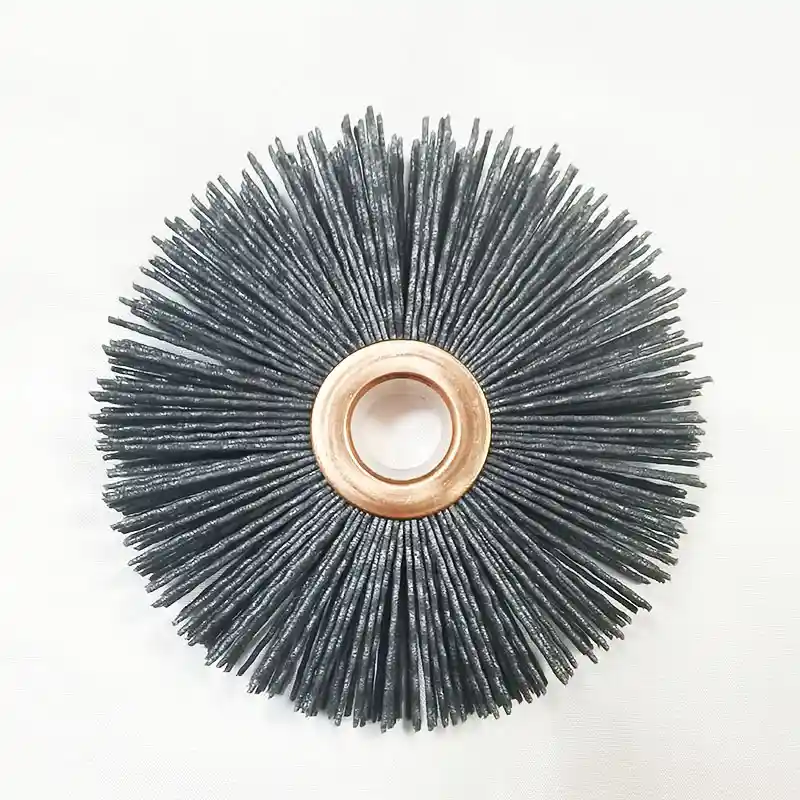
Partner with Huixi Brush for Your Cleaning Solutions
As a specialized manufacturer with 16 years of experience, Shanghai Huixi Trading Co., Ltd. offers professional technical support and ODM/OEM services for high-performance drill cleaning brush attachments. Whether for industrial, commercial, or specialized cleaning needs, contact [email protected] or call +86 15800932713 for customized solutions and competitive pricing. Choose Huixi Brush for reliable quality and expert partnership.
Frequently Asked Questions About Drill Brush Attachments
Are drill brush attachments safe for all household surfaces?
Safety depends entirely on bristle selection. Soft bristles work well on delicate materials like upholstery, glass, and polished fixtures. Stiffer bristles belong on durable surfaces like concrete, tile, and heavily soiled grout. Testing in a hidden area first prevents damage to visible surfaces. The attachment itself is safe when matched correctly to the material being cleaned.
What is the best way to clean and maintain drill brush attachments?
Rinse thoroughly with water after each use to remove debris and cleaning solution residue. Air dry completely before storing to prevent mildew growth. Inspect bristles regularly for wear signs like fraying or permanent deformation. Replace worn brush heads promptly to maintain cleaning effectiveness. These simple steps significantly extend attachment life while ensuring consistent performance.
Can I use drill brush attachments with any cordless drill?
Most drill brush attachments feature a standard ¼-inch quick-change shaft that fits the majority of cordless drills and impact drivers. Variable speed control helps you match rotation speed to the cleaning task. Sufficient torque ensures the brush maintains speed under load. Check both drill and attachment specifications to confirm compatibility before purchasing.