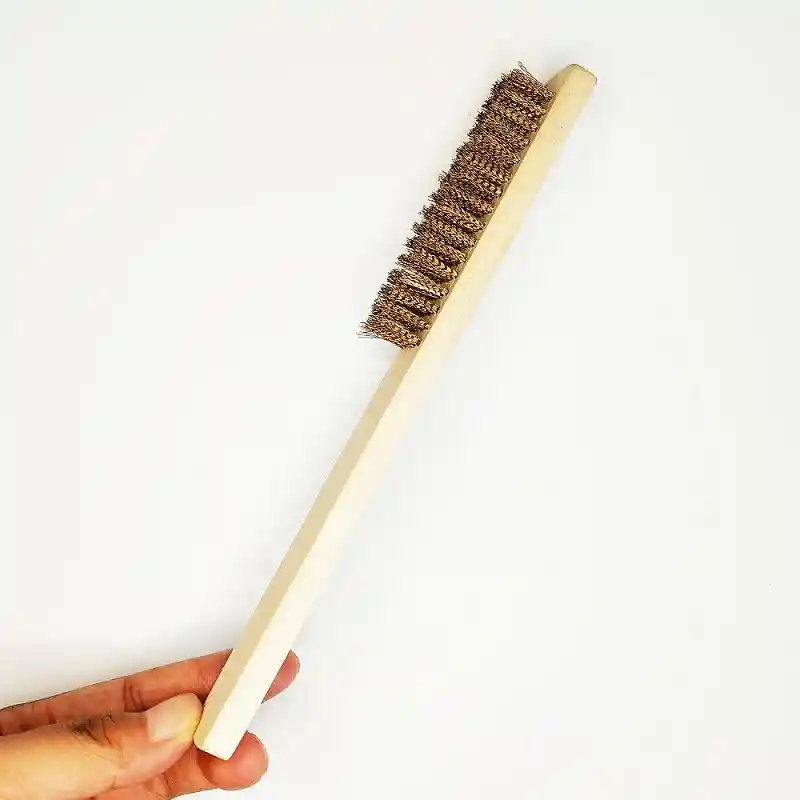

Working with rusted metal surfaces teaches you something about patience. The right tool makes all the difference between hours of frustrating scraping and efficient, clean results. Long wood handle wire brushes have become my go-to for industrial rust removal because they combine reach, leverage, and aggressive cleaning power in a way that shorter tools simply cannot match.
How Wire Filament Types Affect Rust Removal Performance
Corrosion removal demands the right match between brush filament and surface material. Long wood handle wire brushes deliver mechanical abrasion that strips away rust, paint, and scale effectively, but the wire type determines whether you get clean results or create new problems.
| Filament Type | Material Properties | Ideal for | Considerations |
|---|---|---|---|
| Carbon Steel | High tensile strength | Heavy rust, steel rust removal | Can cause after-rust on stainless steel |
| Stainless Steel | Corrosion resistant | Stainless steel, non-ferrous metals | Prevents contamination, less aggressive than carbon |
| Brass | Softer, non-sparking | Softer metals, sensitive surfaces | Less aggressive, suitable for light corrosion |
| Nylon Abrasive | Non-scratching, flexible | Light rust, surface conditioning | Excellent for delicate surfaces, less aggressive |
Carbon steel wire cuts through heavy rust faster than other options. The high tensile strength allows the filaments to dig into corroded layers without bending away from the work. However, carbon steel particles left on stainless steel surfaces will cause flash rust within hours. This cross-contamination issue catches many operators off guard.
Stainless steel wire costs more but prevents contamination on non-ferrous metals and stainless components. The tradeoff is slightly less aggressive cutting action. For heavy-duty brushing tasks on mixed metal environments, keeping separate brushes for different materials saves rework time.
Surface Preparation Fundamentals Beyond Corrosion Removal
Surface preparation involves more than scraping off rust. Long wood handle wire brushes handle paint stripping, weld cleaning, mill scale removal, and general grime removal. Each task requires understanding how the brush interacts with the substrate.
Coating adhesion depends heavily on surface profile. A wire brush creates microscopic scratches that increase surface area and give primers something to grip. Smooth, polished surfaces often fail to hold coatings because there is no mechanical anchor. Pre-painting preparation with a wire brush establishes this profile without the dust and mess of sandblasting.
Matching Brush Characteristics to Material Requirements
Material compatibility determines whether you clean a surface or damage it. Brass wire works well on softer metals like aluminum and copper because it removes oxidation without gouging the base material. The softer brass filaments bend rather than scratch when they encounter the substrate.
Crimped wire configurations offer gentler action than knotted wire. The crimped pattern allows individual filaments to flex independently, spreading the cleaning force across a larger area. Knotted wire bundles multiple filaments together for concentrated, aggressive cleaning. Heavy mill scale and thick rust layers respond better to knotted configurations.
Brush stiffness varies with wire diameter and temper. Thicker wire removes material faster but leaves deeper scratch patterns. Thinner wire produces finer finishes but requires more passes on heavy corrosion.
Why Extended Handle Length Matters for Industrial Work
The long wood handle on these wire brushes solves practical problems that shorter tools create. Reaching the underside of equipment, the backs of structural beams, or elevated surfaces becomes manageable without awkward positioning or ladder work.
Ergonomic benefits accumulate over extended use. Operators who spend hours on surface preparation experience less fatigue when they can work with natural arm positions. The extended handle length reduces bending and stretching that leads to back strain and shoulder injuries.
Safety improves when operators maintain distance from the work surface. Wire brushes throw debris, sparks, and occasionally broken filaments. The long handle keeps hands and faces farther from these hazards. For chemical cleaning applications where splash-back poses risks, this separation provides meaningful protection.
Leverage also increases with handle length. The same arm motion produces more force at the brush head, improving cleaning efficiency. This mechanical advantage reduces the physical effort required for stubborn rust and scale.
You might also be interested in learning about the various applications of abrasive disc brushes. 《abrasive disc brush an efficient tool for many applications》
Common Industrial Uses and Operational Guidelines
Long wood handle wire brushes appear across manufacturing, marine, automotive, and construction industries. Each application demands specific approaches for optimal results.
Marine environments present aggressive corrosion challenges. Salt water accelerates rust formation on steel hulls, deck hardware, and structural components. Wire brushes prepare these surfaces for protective coatings that extend service life. The long handle proves especially useful for reaching below waterlines and into tight compartments.
Automotive rust removal often focuses on chassis rails, suspension components, and body panels. Carbon steel wire handles the heavy rust common on undercarriage parts. Switching to stainless steel wire for visible body panels prevents contamination that could show through paint.
Equipment maintenance in manufacturing facilities relies on wire brushes for cleaning weld spatter, removing scale from heat-treated parts, and preparing surfaces for inspection. Regular cleaning schedules catch corrosion early, before it compromises structural integrity.
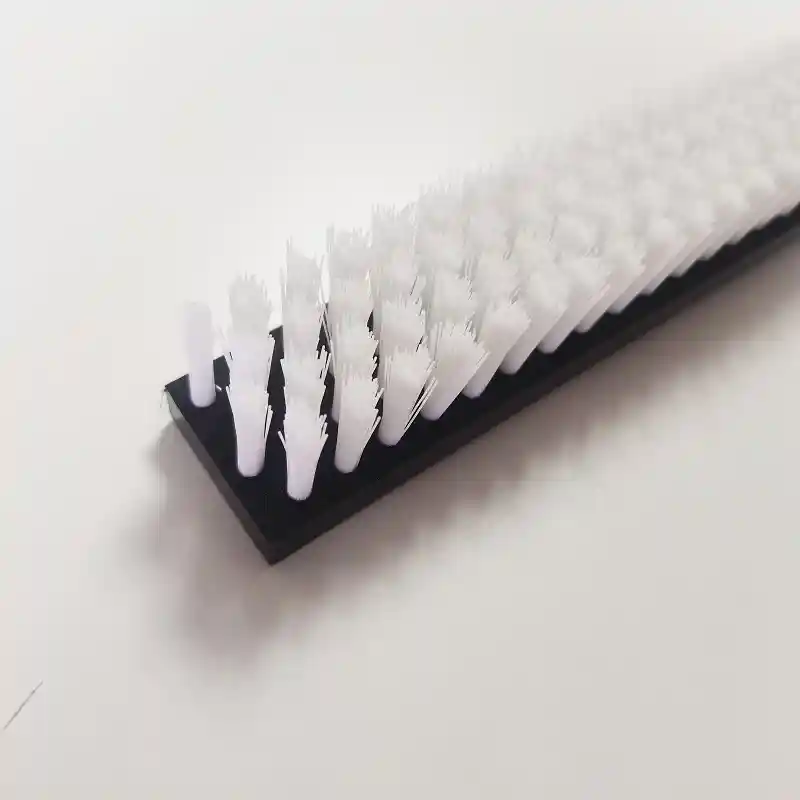
Brush maintenance extends tool life and maintains cleaning effectiveness. Wire filaments collect debris that reduces their cutting action. Tapping the brush against a hard surface after use dislodges most accumulated material. Storing brushes with filaments facing down prevents moisture from collecting in the ferrule and causing handle rot.
Custom Brush Development for Specialized Applications
Standard brush configurations handle most rust removal and surface preparation tasks. Some applications require modifications to filament material, wire diameter, brush dimensions, or handle specifications.
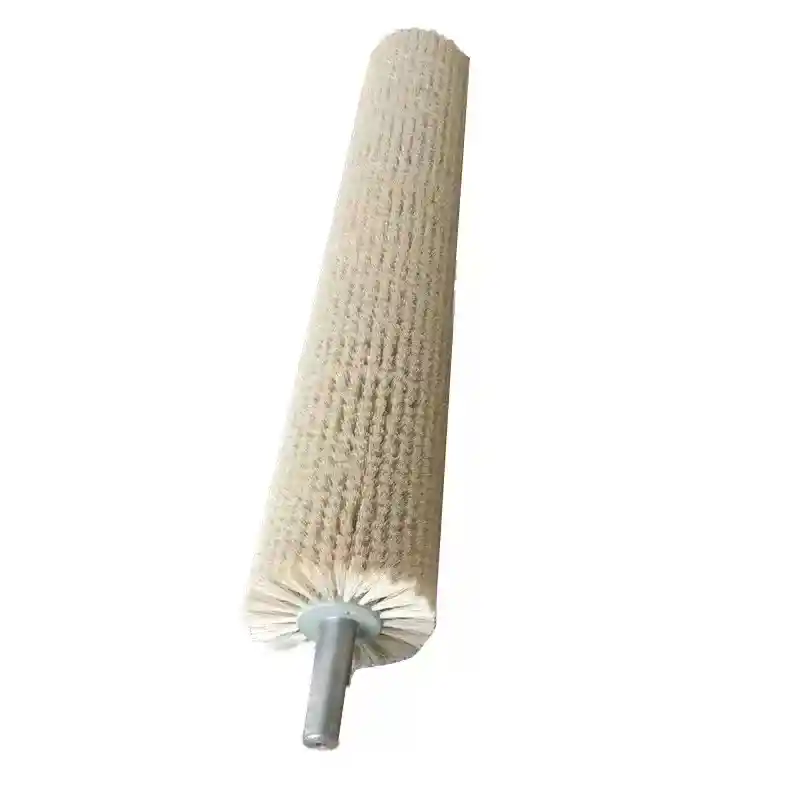
Shanghai Huixi Trading Co., Ltd. manufactures custom brushes for industrial clients facing unique challenges. The product range includes cylindrical brushes, spiral brushes, strip brushes, wheel brushes, tube brushes, disc brushes, drill brushes, and wire scratch brushes. Each type serves different access requirements and surface geometries.
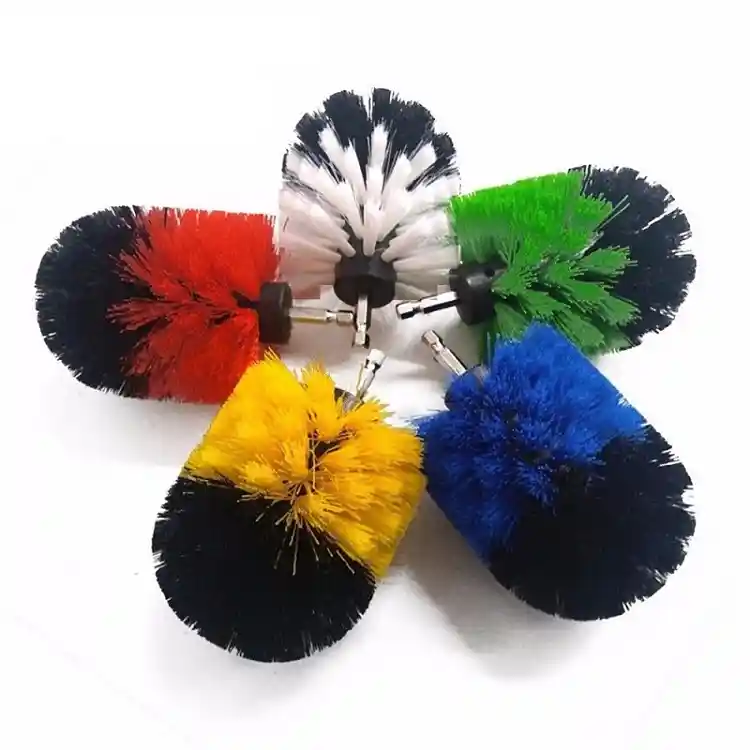
Custom specifications might include non-standard handle lengths for specific reach requirements, mixed filament configurations for multi-stage cleaning, or specialized wire alloys for unusual operating environments. ODM and OEM services accommodate these variations with professional technical support throughout the development process.
Working with Huixi Brush on Your Surface Preparation Needs
Shanghai Huixi Trading Co., Ltd. supplies both standard and customized brushing solutions for industrial rust removal and surface preparation applications. Sixteen years of manufacturing experience informs product recommendations and custom development. Contact the team at +86 1580 0932 713 or [email protected] for technical consultation, pricing, and supply arrangements.
Frequently Asked Questions About Wire Brushes
What techniques produce the best results when using a long wood handle wire brush for rust removal?
Start with appropriate safety equipment including eye protection and gloves. Work in small sections using consistent, moderate pressure rather than forcing the brush against the surface. Angle the brush head so filaments contact the rust at roughly 15 to 30 degrees. This angle allows the wire tips to dig under rust layers rather than skating across the top. Heavy corrosion may require multiple passes or switching to a coarser filament. Clean accumulated debris from the brush periodically to maintain cutting effectiveness.
How does the extended handle design improve safety during aggressive cleaning operations?
The long handle creates physical separation between the operator and hazards generated during wire brushing. Flying rust particles, sparks from metal-on-metal contact, and occasionally broken wire filaments project outward from the work surface. Greater distance gives operators more reaction time and reduces the intensity of any impacts. The handle also keeps hands away from sharp edges and hot surfaces that may be exposed during cleaning. For applications involving chemical pre-treatments, the extended reach minimizes splash exposure.
Which surface types respond well to long wood handle wire brush preparation?
These brushes work effectively on most metal surfaces including carbon steel, cast iron, and aluminum when using appropriate wire materials. They remove rust, mill scale, old paint, and weld spatter from structural steel, machinery components, automotive parts, and marine equipment. Beyond metals, wire brushes clean and texture concrete, masonry, and weathered wood. The critical factor is matching wire material and stiffness to the substrate. Brass wire suits softer metals, carbon steel handles heavy rust on ferrous materials, and stainless steel prevents contamination on corrosion-resistant alloys.