Working with interleukin-18 in the lab reveals something that textbooks often gloss over: this cytokine sits at a crossroads where innate and adaptive immunity meet, and getting the recombinant form right makes all the difference in whether your experiments yield meaningful data. Recombinant human IL-18 has become one of those reagents that researchers either trust completely or struggle with endlessly, depending on the quality of what they’re using. The protein’s ability to drive interferon-gamma production and shape T cell responses makes it central to understanding everything from antitumor immunity to inflammatory disease mechanisms.
How Recombinant Human IL-18 Drives Immune Signaling
Interleukin-18 belongs to the IL-1 superfamily and functions as a pro-inflammatory cytokine that orchestrates immune responses against pathogens while contributing to inflammation. The protein’s primary job involves inducing interferon-gamma production from T cells and natural killer cells, a function that proves critical for effective antiviral and antitumor immunity. Beyond IFN-γ induction, recombinant human IL-18 influences T helper 1 cell differentiation and modulates activity across multiple immune cell populations.
The signaling cascade starts when IL-18 binds to its heterodimeric receptor, composed of IL-18Rα and IL-18Rβ subunits. This binding event recruits intracellular signaling molecules including MyD88, IRAK, and TRAF6, which activate NF-κB and MAPK pathways. These signal transduction cascades regulate gene expression and promote production of various cytokines and chemokines. Dysregulation of IL-18 activity shows up in several inflammatory and autoimmune conditions, which underscores how delicately balanced this cytokine must remain for proper immune homeostasis. Grasping these mechanisms becomes essential when leveraging recombinant human IL-18 for research or clinical applications.
Manufacturing Standards That Determine Protein Performance
Developing reliable recombinant human IL-18 demands stringent production and purification protocols. At East-Mab, advanced recombinant protein production techniques leverage a world-class platform to engineer and express rhIL-18 with exceptional purity and bioactivity. These processes adhere to rigorous quality control standards, ensuring each batch meets specifications required for sensitive research and diagnostic applications. Protein engineering and expression system optimization maximize yield while maintaining native conformation.
Purification involves multi-stage chromatography that effectively removes impurities and aggregates. Comprehensive analytical methods including SDS-PAGE and HPLC verify protein purity, typically exceeding 95%. Endotoxin levels stay below critical thresholds at ≤1 EU/mg, preventing non-specific immune activation in cell-based assays. Bioactivity confirmation through functional assays, such as IFN-gamma induction in human PBMCs or NK cells, ensures the protein elicits expected biological responses. Stability studies guarantee product integrity throughout shelf life.
What are the primary applications of recombinant human IL-18 in research and diagnostics?
Recombinant human IL-18 serves multiple purposes across research and diagnostics. Researchers use it extensively to study immune cell activation, differentiation, and cytokine networks, particularly when investigating inflammatory processes. The protein functions as a key reagent in drug discovery efforts targeting immune-mediated diseases. For diagnostic assays, rhIL-18 works as a standard or control for quantifying endogenous IL-18 levels in patient samples, contributing to diagnosis and monitoring of various conditions. Its role in IVD diagnostics continues expanding as a biomarker for disease activity.
Research Applications Spanning Cell Therapy to Disease Modeling
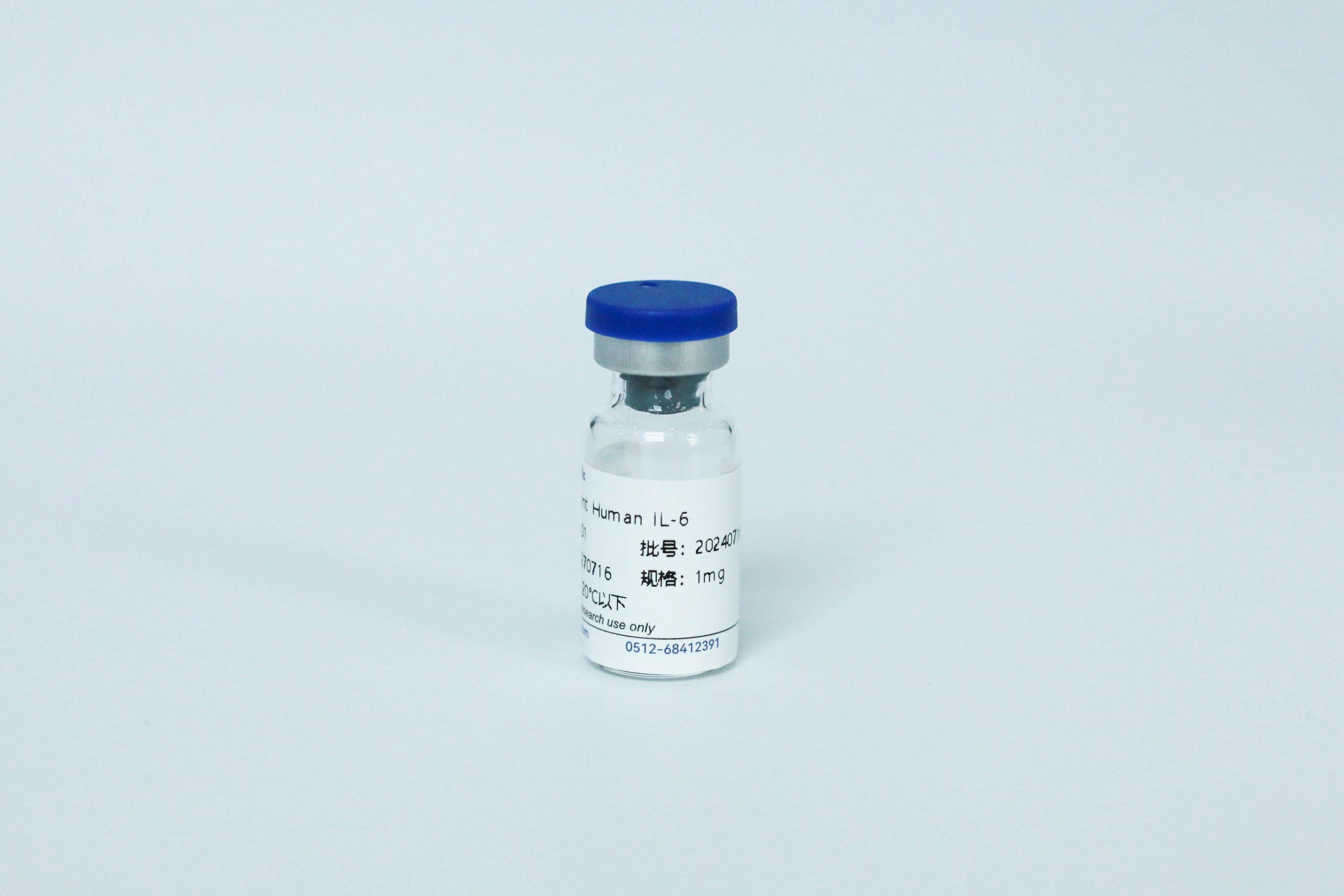
The utility of recombinant human IL-18 spans a broad range of biomedical applications. In cell culture media, rhIL-18 acts as a supplement for modulating immune cell proliferation and differentiation, particularly for T cells and NK cells. This proves vital for ex vivo expansion of immune cells in cell therapy research, where precise control over cell phenotype and function matters greatly. Recombinant human IL-18 can enhance NK cell cytotoxic activity, making it valuable for adoptive cell transfer strategies in cancer immunotherapy.
Beyond cell therapy applications, rhIL-18 contributes to organoid development by providing immunological cues that help recapitulate complex tissue environments. This enables more physiologically relevant disease modeling and drug screening. Researchers also use recombinant human IL-18 to investigate pathogenesis of autoimmune diseases like rheumatoid arthritis and Crohn’s disease, conditions where IL-18 dysregulation appears frequently. In infectious disease research, rhIL-18 helps clarify host immune responses to pathogens and supports vaccine development strategies. The protein’s ability to amplify immune signals makes it a candidate adjuvant worth investigating.
Investigating Inflammatory Pathways and Therapeutic Targets
Recombinant human IL-18 proves instrumental for unraveling mechanisms underlying inflammatory diseases and immune disorders. As a potent pro-inflammatory cytokine, IL-18 contributes significantly to inflammation initiation and perpetuation. Studies using rhIL-18 have clarified its involvement in psoriasis, inflammatory bowel disease, and sepsis, where elevated IL-18 levels correlate with disease severity. Providing a controlled source of this cytokine allows researchers to investigate its impact on various cell types and signaling pathways, including NF-κB and MAPK cascade activation.
Modulating IL-18 activity represents a significant therapeutic focus area. Recombinant human IL-18 serves as a research tool for exploring strategies to inhibit excessive inflammation or enhance immune responses in cases of immune deficiency or cancer. The protein functions as a biomarker for disease progression and treatment efficacy in clinical trials. Understanding IL-18 receptor binding dynamics with rhIL-18 can lead to development of specific antagonists. Researchers actively investigate IL-18’s role in cytokine storm during severe infections, aiming to identify interventions that mitigate this life-threatening immune overreaction.
What role does recombinant human IL-18 play in understanding inflammatory and immune responses?
Recombinant human IL-18 provides a standardized, highly active form of this cytokine that enables precise manipulation of IL-18 signaling in cellular and animal models. Researchers can dissect contributions to immune regulation and inflammatory pathways with greater control than endogenous sources allow. This facilitates mechanistic studies into how IL-18 influences T helper cell differentiation, NK cell activation, and production of other cytokines. Such insights prove crucial for developing immunomodulation strategies and designing targeted therapies for immune-mediated diseases.
What Distinguishes a Reliable Protein Supplier
Choosing a trustworthy supplier for recombinant human IL-18 directly impacts research reproducibility and diagnostic reliability. A dependable recombinant protein supplier demonstrates commitment to quality, consistency, and scientific integrity through transparent documentation and robust processes. Key factors include the manufacturer’s expertise in protein production, quality control procedures, and ability to provide comprehensive product specifications. East-Mab has invested over $30 million to develop a world-class platform for recombinant protein research, validation, and production.
Researchers should prioritize suppliers providing detailed specifications on purity exceeding 95% by SDS-PAGE, bioactivity measured through ED₅₀ values, and endotoxin levels at ≤1 EU/mg. These metrics directly affect experimental outcomes, particularly for sensitive applications. A reputable biotech company offers robust customer support including technical assistance and clear communication about product availability and supply chain logistics. Cost-effectiveness should balance with quality standards, since subpar reagents lead to costly experimental failures. Suppliers with proven track records and transparent quality assurance protocols deserve priority consideration.
How is the quality and bioactivity of recombinant human IL-18 ensured for sensitive applications?
Quality and bioactivity assurance for recombinant human IL-18 involves multiple validation steps. Rigorous quality assurance protocols include comprehensive protein characterization using SDS-PAGE for purity assessment and mass spectrometry for identity confirmation. Bioactivity testing relies on cell-based assays such as IFN-gamma induction in human PBMCs or NK cells, with established ED₅₀ values providing quantitative benchmarks. Endotoxin levels undergo strict control and measurement via LAL assays. Each batch receives thorough validation to guarantee consistent performance.
Partner with East-Mab for Your Recombinant Protein Needs
As a leading biotechnology company, Jiangsu East-Mab Biomedical Technology Co., Ltd. provides high-quality recombinant human IL-18 and other protein raw materials. With a world-class research, validation, and production platform, East-Mab ensures purity and bioactivity for demanding applications in IVD, cell culture, and therapeutic development. Contact us at +86-400-998-0106 or [email protected] for expert consultation and product inquiries.
FAQs
What is the typical purity level of East-Mab’s recombinant human IL-18?
East-Mab’s recombinant human IL-18 exceeds 95% purity as determined by SDS-PAGE. Rigorous purification protocols achieve this standard, which minimizes interference in sensitive research and diagnostic applications. High purity matters particularly in complex biological systems where minor contaminants can significantly alter experimental outcomes.
How does East-Mab ensure the bioactivity of its recombinant human IL-18?
Bioactivity testing occurs through established cell-based assays, including IFN-gamma induction in human PBMCs or NK cells. Every batch undergoes this validation to maintain functional integrity and deliver reliable results for immune response studies. This confirmation ensures the protein produces expected physiological effects, which remains crucial for research and diagnostic applications.
In what research areas is recombinant human IL-18 most commonly utilized?
Recombinant human IL-18 finds wide use in immunology research, particularly studies concerning inflammatory diseases, autoimmune disorders, cancer immunotherapy, and infectious disease mechanisms. Its function as a pro-inflammatory cytokine makes it valuable for understanding and modulating immune responses. Researchers leverage rhIL-18 to investigate cytokine networks, immune cell differentiation, and pathogenesis of immune-mediated conditions.