
Creating a fragrance for your brand is not a quick selection of a pleasant scent. It is a deliberate process of distilling your brand values into an olfactory identity that connects emotionally with customers. I have seen this firsthand during ten years at Scent-Share, where we turn brand stories into scent experiences for clients in 68 countries. The best custom fragrances emerge when marketing vision meets rigorous technical development—and this article walks you through that complete path.
Why a Custom Fragrance Strengthens Your Brand Identity
A signature scent is a branding tool that activates memory faster than a logo or color. When a customer walks into your store, hotel lobby, or showroom and unconsciously registers a familiar but unique aroma, the emotional bond with your brand deepens. We have observed that clients who adopt a bespoke fragrance report longer dwell times and stronger customer recall—not because any scent works, but because the right one triggers a consistent emotional response.
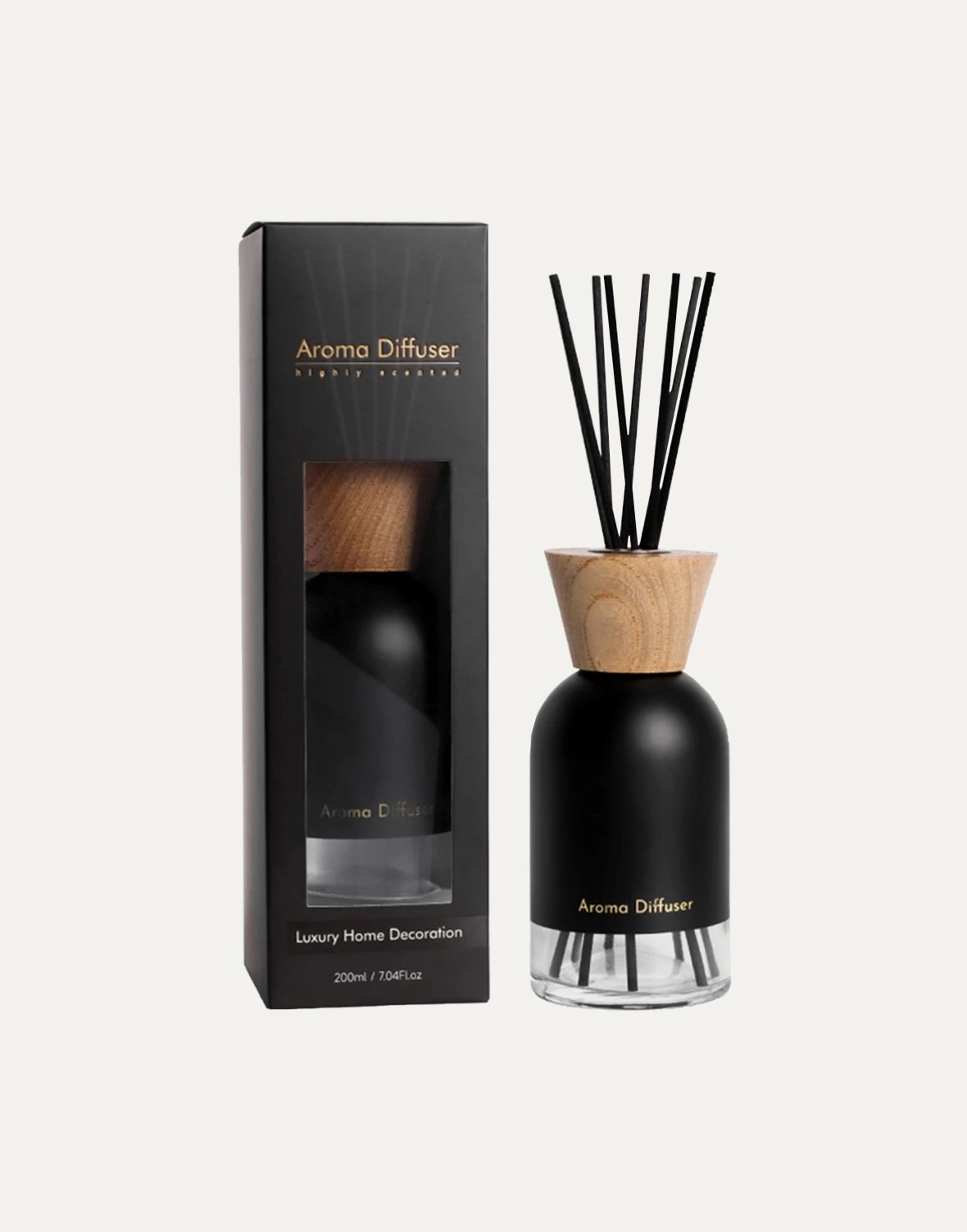
This response is not purely psychological. The olfactory system connects directly to the brain’s limbic region, the seat of emotion and memory. That direct pathway means a custom fragrance can convey sophistication, warmth, or energy before a customer reads a word. For brands selling luxury goods, a subtle leather-and-cedar profile reinforces exclusivity. For wellness centers, a clean blend of white tea and bamboo signals calm. The key is alignment: your scent profile must reflect the emotional promise your brand already makes.
What Steps Go Into Developing a Custom Fragrance for a Brand
The fragrance development process follows a structured path that many brand managers do not see beyond the marketing brief. After working on over 300 scent types, I can outline the real sequence.
First, a briefing session captures your brand identity, target audience, desired emotions, and any practical constraints like space size or diffuser type. This brief goes to our fragrance formulation team, who create a scent wheel—a visual map of possible note combinations. They select top, middle, and base notes that match your brand personality. Top notes provide the first impression (within 60 seconds), middle notes form the character, and base notes deliver lasting memory. The perfumer then blends accords in the lab, producing 3–5 trial samples.
How Do You Choose Between Top, Middle, and Base Notes for Your Brand?
Top notes are bright and volatile—citrus, green, or light floral. They capture attention immediately but evaporate quickly. Middle notes are the heart: floral, spicy, or fruity elements that appear after a few minutes. Base notes are deep and long-lasting: woods, musks, resins. For a brand, the art is to balance these layers so the scent evolves but stays recognizable. In one of our projects for a modern hotel chain, we paired a zesty bergamot top with a warm amber base to mirror the brand’s fresh yet sophisticated image. The result was a scent that felt dynamic at entrance and comforting in the room.
After the trial samples, you evaluate them in your environment under real conditions—diffusing in the actual space because scale affects perception. We refine based on your feedback, which may involve adjusting concentrations or swapping a note. Once approved, the formula is locked, safety documentation is prepared, and bulk production begins. This process, when done right, takes 4–8 weeks.
How to Write a Fragrance Brief That Gets Accurate Results
A good fragrance brief saves months of rework. It is not simply a list of “I like vanilla.” The brief must communicate the brand’s core—its values, its visual identity, and the emotional journey you want customers to take. I tell clients to start with these elements: the brand story in one paragraph, the mood adjectives (e.g., elegant, energetic, serene), any scent notes to avoid (some spas cannot have strong florals due to allergies), and the technical environment (HVAC system, room size, ambient smells).
Include reference aromas: a favorite candle, a memory of a forest walk. These are not literal recipes but emotional benchmarks. At Scent-Share, our perfumers interpret these cues into a technical formula. The more specific you are, the fewer revision rounds. For example, a luxury car showroom brief that said “masculine, confident, but not overpowering” led us to a blend of leather, vetiver, and a hint of tobacco—refined, never heavy.
How Are Safety and Regulatory Compliance Ensured in Commercial Fragrances?
This is where many generic guides fall silent. A custom fragrance used in a public space must meet safety standards that protect your customers and your business. All our formulas comply with IFRA (International Fragrance Association) standards, which set usage limits for materials. For clients in Europe, we also align with REACH regulations (Registration, Evaluation, Authorization and Restriction of Chemicals) to ensure every substance is documented and safe.
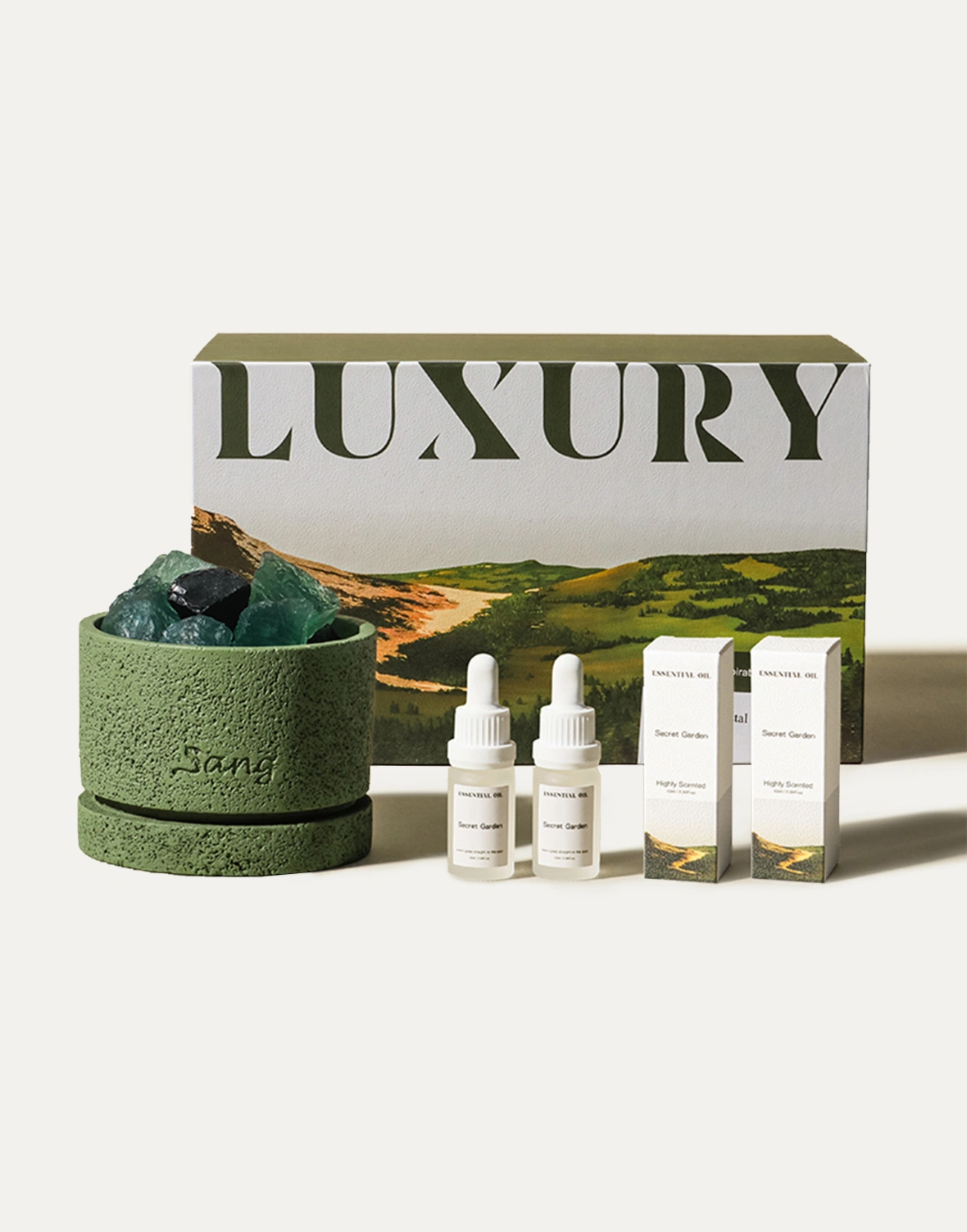
Beyond regulatory bodies, every fragrance batch is accompanied by a Safety Data Sheet (SDS) that details handling, storage, and emergency measures. This is not optional paperwork; it is your risk mitigation. In our production, we run gas chromatography tests to confirm formula purity and batch consistency. If your brand plans to scale internationally, especially in the EU or Middle East, verifying that your supplier has IFRA and REACH-capable documentation early in the process prevents costly customs delays.
What Timeline and Cost Should You Expect for a Custom Fragrance Project
When I am asked about cost, I always explain that a custom fragrance investment should be viewed alongside other brand identity costs. A typical development project ranges from a few thousand dollars for a small business to larger sums for multi-location chains, depending on formula complexity, scale, and diffuser hardware. For a single location, you might budget for a 6–8 week timeline, including sampling and revisions. Larger rollouts with multiple zones and HVAC integration take longer.
| Project Phase | Typical Duration | Main Cost Drivers |
|---|---|---|
| Briefing and concept design | 1 week | Consultation hours, revisions |
| Formulation and sampling | 2–3 weeks | Formula R&D, number of trial samples |
| Testing and refinement | 1–2 weeks | In-space testing, feedback loops |
| Safety documentation | 1 week | IFRA certification, SDS creation |
| Bulk production and shipping | 1–2 weeks | Volume, packaging, freight |
Factors like diffuser selection also affect the overall budget. A high-capacity HVAC system covering 8,000 m³ will cost more than a desktop model for a boutique. When you write your initial inquiry, specify your space dimensions and any existing infrastructure. This lets us provide a realistic quote without back-and-forth.
If your project involves complex HVAC integration or multi-location deployment, it’s worth confirming the recommended diffuser capacity and scent throw before finalizing your equipment list. Reach our team at [email protected] or call +86 185 6557 5758 to discuss your requirements.
Frequently Asked Questions About Custom Brand Fragrances
How long does a custom fragrance project take from concept to delivery?
You should plan for 6 to 8 weeks for a focused project with clear brief and prompt feedback. Formula complexity, the number of trial samples, and regulatory documentation (especially international) can extend this to 10 weeks. Our fastest project completed in 4 weeks because the client had a precise brief and chose from a curated selection of pre-tested accords.
Can I create a fragrance that smells similar to a famous hotel or designer scent?
You cannot legally replicate a trademarked scent exactly, but you can use it as inspiration. Our perfumers can craft a similar character using different materials to create a unique scent with the same emotional footprint. This protects your brand while still evoking the desired association—it is the difference between copying and interpreting.
What if I need only a small batch for a pilot or a single store?
Smaller quantities are not a problem. We offer low-MOQ (minimum order quantity) production for businesses testing scent marketing in one location. You can start with as few as a dozen bottles of fragrance oil and scale up as you expand. The formulation and compliance work remains the same, but the per-unit cost will be higher for small volumes.
How do I ensure the scent performs well in my specific space, like a high-ceiling lobby?
Performance depends on the diffuser, the HVAC system, and the oil itself. We match fragrance throw to room volume and airflow. For a high-ceiling lobby, a model like our HVAC scent system (coverage up to 8,000 m³) ensures even distribution. After installation, we calibrate the run schedule so the scent is present but never overwhelming.
Is custom fragrance development worth the cost for a business that is not luxury-oriented?
Even a mid-market retail brand can see a measurable lift in dwell time and perceived atmosphere. Scent influences purchasing subtly; customers often cannot pinpoint why they linger, but they do. Many of our clients in the hospitality and retail sectors track longer average visits and higher satisfaction scores after introducing a signature scent. If you are unsure about the return, share your current foot traffic or sales data, and we can help you model potential outcomes before committing. For a direct discussion, reach us at [email protected] or +86 185 6557 5758 to talk through your scenario.
If you’re interested, check out these related articles:
