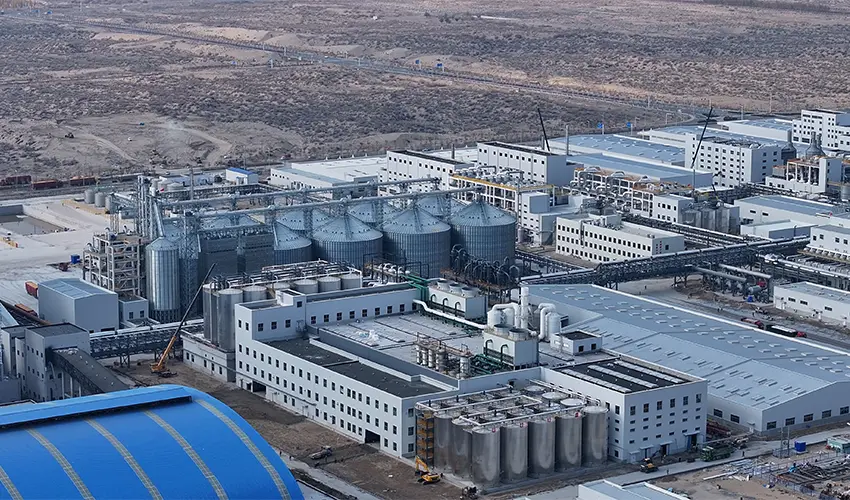

In fuel ethanol production, selecting an ethanol production line supplier who understands that equipment is only half the story can make the difference between a plant that meets its targets and one that consistently underperforms. Real performance comes from how the corn crushing line, fermentation, distillation, molecular sieve dehydration, and byproduct recovery are integrated into a single system. I have spent more than fifteen years working on agricultural processing infrastructure across multiple continents, and the pattern I keep seeing is that plants designed as integrated systems achieve energy consumption reductions of 25% or more, while patchwork assemblies struggle with inefficiencies and hidden operating costs. This article will walk you through how a complete ethanol production line supplier’s approach to process integration directly cuts costs and improves long-term profitability.
What Makes an Ethanol Production Line Truly Complete
A complete ethanol production line is not simply a collection of equipment purchased from a single catalogue. It is a system in which every unit operation—from corn intake and cleaning to anhydrous ethanol shipment—is sized, controlled, and sequenced with the others in mind. I have seen projects where each piece of machinery met its individual specification, yet the plant never reached nameplate capacity because the condensate return from the evaporators was poorly matched to the cook system, bleeding energy day after day. An integrated line anticipates those interfaces and designs them into the project from the start. When you evaluate proposals from an ethanol production line supplier, the first question should be whether the engineering team treats the plant as a series of interconnected unit operations or as a single process with measurable guarantees at the final product valve.
How Process Integration Reduces Energy and Operating Costs
Energy is the largest variable cost in a corn-to-ethanol facility, and process integration is the most powerful lever you have to control it. An integrated design uses energy cascade principles: high-temperature streams from distillation and evaporation preheat incoming slurry, dryer exhaust heats process water, and waste heat from multiple sources is recovered rather than discharged. At AGRIFAM, our grain-based alcohol solution explicitly builds this cascade into the plant architecture—for instance, recovering heat from distillation column overheads to raise the temperature of feedstock entering the liquefaction stage, and directing dryer off-gases to generate hot water for saccharification. When these streams are designed together, total thermal energy consumption can fall by approximately 25% compared to a plant where each unit operates in isolation.
Energy Cascade Utilization in Distillation
Distillation accounts for over half of the thermal energy demand in a fuel ethanol plant. By integrating the distillation column with the evaporation system, you can use the vapor from the rectifier to drive the first-effect evaporator, substantially cutting steam consumption. The key is matching the pressure profiles of the column and the evaporator so that the driving force is available without mechanical vapor recompression. This is only feasible when the supplier engineers the entire heat and mass balance, not when the column and evaporator are selected separately.
Heat Recovery from Dryer Exhaust
The DDGS dryer exhaust carries a significant amount of low-grade heat that can be captured to preheat combustion air or to warm process water. In an integrated system, a condensing economizer or a closed-loop water circuit captures that heat and feeds it back into the front-end cook process, reducing the live steam load on the boiler. Every extra degree of preheating you capture lowers your natural gas bill, and in my experience, these savings quickly justify the incremental capital.
Key Equipment in an Integrated Corn-to-Ethanol Line
The performance of an integrated line depends as much on how the equipment is specified and connected as on the machines themselves. Below is a summary of the core equipment and the integration points that matter.
| Equipment | Primary Function | Key Integration Consideration |
|---|---|---|
| Corn cleaning and milling system | Remove foreign material, grind corn to correct particle size | Particle size distribution affects liquefaction enzyme efficiency; must match cook system design |
| Liquefaction and saccharification vessels | Convert starch to fermentable sugars | Recirculated process water temperature and pH must be stable, or enzyme dosing becomes unpredictable |
| Continuous fermentation tanks | Convert sugars to ethanol with yeast | CO₂ vent rate and temperature control must be coordinated with downstream distillation to avoid pressure swings |
| Distillation column train | Separate ethanol from fermented mash | Thermal coupling with evaporators and molecular sieve preheaters defines the plant’s steam economy |
| Molecular sieve dehydration unit | Remove final water to achieve anhydrous ethanol | Regeneration cycle must be synchronised with distillation run rate to avoid product purity drifting |
Corn Crushing and Milling Equipment
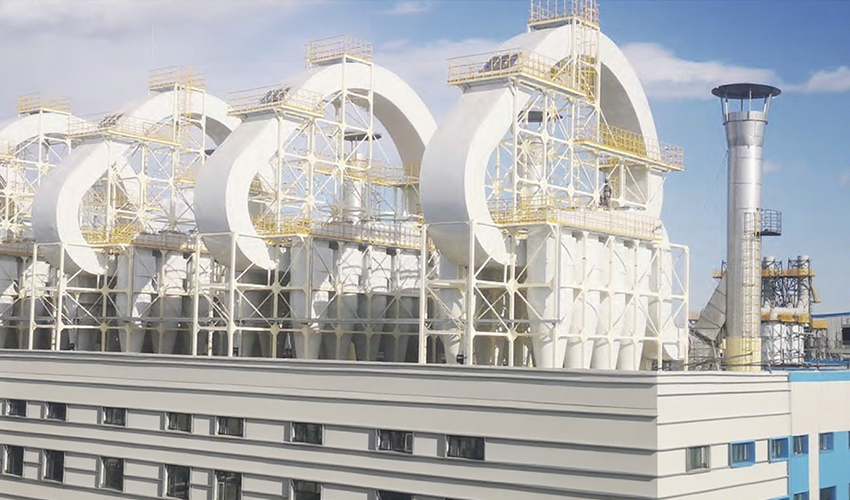
The milling circuit, whether hammer mill or roller mill, sets the size distribution of the corn flour. If the flour is too coarse, starch yield drops; too fine, and the slurry viscosity can choke the pumps. In an integrated design, the milling target is set by the liquefaction operating conditions, and the supplier validates the full system, not just the mill throughput.
Fermentation Tank Design and Yeast Management
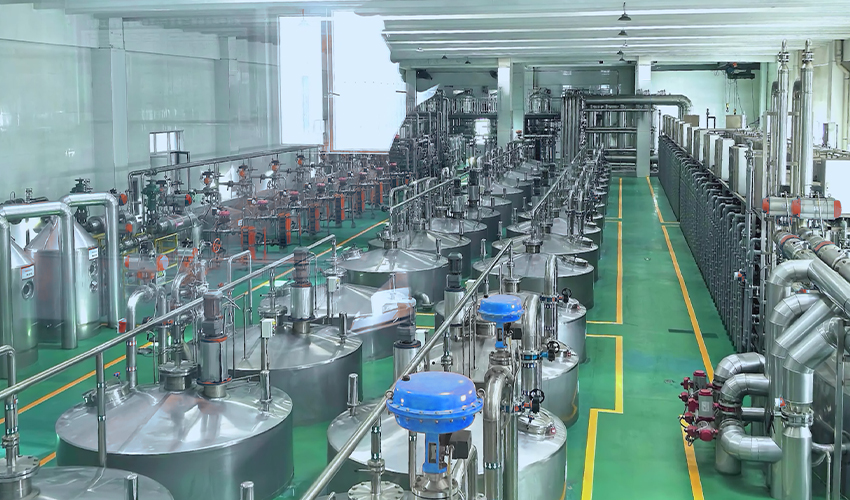
Continuous fermentation systems improve ethanol yield and consistency, but only if the cooling jacket capacity, agitator power, and CO₂ removal rate are designed for the expected sugar concentration. An experienced ethanol production line supplier will model the entire fermentation curve and size the tanks so that no single parameter becomes a bottleneck.
Distillation and Dehydration Unit
The distillation and molecular sieve dehydration units must be treated as a single separation system. The column design (tray vs. packing, number of stages) affects the ethanol concentration entering the molecular sieve beds, which in turn determines the regeneration cycle and the bed volume. I have seen plants where an undersized dehydration unit forced distillation to run at reduced throughput simply because the two units were specified separately rather than as one integrated separation package.
Byproduct Recovery: Adding Revenue Streams to Your Plant
A well-designed ethanol production line captures value beyond the primary product. DDGS (distiller’s dried grains with solubles) is an established animal feed ingredient, food-grade CO₂ can be recovered from fermentation off-gas, and biogas from anaerobic digestion of process wastewater can displace fossil fuel in the boiler. When the recovery systems are part of the original plant design, the capital cost is lower and the integration is seamless. For example, the evaporator condensate can be reused as process water, reducing both fresh water intake and wastewater discharge, while the biogas produced from digesting the thin stillage can be fed directly into the steam system with minimal additional piping.
DDGS Production and Quality
The dryer type, residence time, and operating temperature affect not only the moisture content but also the protein bioavailability and the risk of Maillard reactions that darken the product. An integrated supplier designs the dryer to match the upstream stillage composition and the target feed market specifications.
CO₂ Recovery and Purification
Fermentation produces nearly as much CO₂ as ethanol on a molar basis. Capturing, scrubbing, and liquefying that CO₂ to food-grade standard requires careful integration with the fermentation off-gas system and sufficient capacity to handle the peak CO₂ generation rate. The return on that investment is often compelling when included from day one.
Biogas from Wastewater
Anaerobic treatment of the high-COD process water yields methane that can offset 10–15% of the plant’s fuel demand. The digester must be sized for the full hydraulic load, and the biogas handling system must interface safely with the boilers—another integration point that is simpler when the same engineering team is responsible for both.
Choosing a Supplier with EPC Capability for Seamless Execution
The gap between a proposal and a running plant is filled by engineering, procurement, and construction management. A supplier that provides full EPC services takes single-point responsibility for the entire project, from process guarantee to commissioning. I have seen too many investors select a low-cost equipment package from one vendor and a separate construction manager, only to spend twice the initial savings on integration work during commissioning and the first year of operation. A true ethanol production line supplier with EPC capability will deliver a performance-tested plant, not just a collection of equipment.
The EPC Process from Feasibility to Commissioning
A typical EPC engagement starts with a feasibility study that models the full plant mass and energy balance, then moves through basic and detailed engineering, procurement with coordinated delivery logistics, construction and mechanical completion, and finally cold and hot commissioning with performance testing. Throughout this sequence, the supplier’s process engineers are responsible for the plant’s performance metrics, which means the integration described in the previous sections is enforced by contract, not left to hope.
Building an Ethanol Plant That Works as One System
The risk of undersized piping, mismatched control logic, or missing heat integration can turn a promising project into a constant troubleshooting exercise. When you work with a supplier who designs the full production line as a system from day one, those risks are eliminated before concrete is poured. If you are planning a corn-to-ethanol facility and want to capture the efficiency and revenue benefits of an integrated design, we can review your process requirements and provide a complete line configuration that matches your feedstock, site conditions, and product goals. Send your project outline to [email protected] or call 010-8591 2286, and we will schedule a technical review with our engineering team.
Common Questions About Integrated Ethanol Production Lines
Does an integrated design cost more upfront?
Not necessarily. The capital cost of the core equipment is largely the same whether it is bought as a package or piecemeal. The integration engineering adds some design hours, but it more than pays for itself by avoiding rework during commissioning and by reducing energy consumption from day one. In most cases, the total project cost ends up lower because you are not paying a third party to fix interface problems.
Can I add byproduct recovery later, or should it be part of the initial design?
You can retrofit DDGS drying or CO₂ recovery, but the cost and disruption are far higher than installing them during initial construction. The physical footprint needs to be reserved, piping tie-ins prepared, and utility loads allocated. Retrofitted recovery systems rarely reach the same efficiency as those integrated from the start because the heat integration opportunities are limited by the existing layout.
What is the typical payback period for energy integration in an ethanol plant?
It depends on local energy prices, but in markets with moderate natural gas costs, the simple payback on heat recovery measures like evaporator integration and dryer exhaust recovery is typically two to three years. When combined with biogas utilization, the overall energy consumption reduction can lower operating costs enough to improve the project’s internal rate of return by several percentage points.
How do I verify that a supplier really has complete EPC capability?
Ask for references of comparable plants they have delivered on a turnkey basis and, if possible, visit one in operation. Pay attention to whether the supplier’s in-house team handled the process design, piping, instrumentation, and commissioning, or subcontracted these to multiple parties. A supplier that can walk you through the same engineering team that designed the plant is far more likely to deliver an integrated system. If you would like to discuss a reference visit or need help scoping your project, our engineers are available at [email protected].
If you’re interested, check out these related articles:
Driving Global Food Conservation Through Technological Innovation
