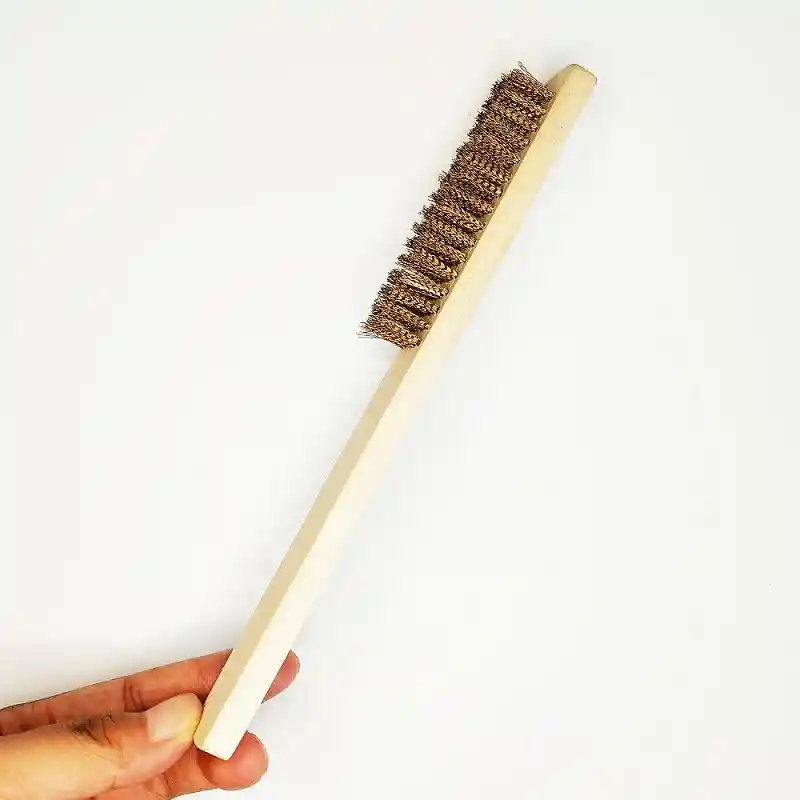

Industrial wire brushes live or die by their handles. I’ve seen operators swap out perfectly good bristles just because the grip failed first — cracked wood in a humid shop, or plastic that turned brittle after a cold snap. The handle material shapes everything from how long you can work before your hands ache to whether the tool survives its first encounter with solvent splash. Wood and plastic each bring real advantages to the table, but they serve different conditions. Getting this choice right means fewer tool replacements and less fatigue at the end of a shift.
Handle Material Determines More Than Comfort
Industrial wire brushes do the heavy lifting in cleaning, deburring, and surface prep across manufacturing floors, maintenance bays, and processing plants. Most conversations focus on bristle type or brush geometry, but the handle quietly drives much of the tool’s real-world performance. It affects how vibration travels into your arm, whether the grip holds up after chemical exposure, and how the brush ages under daily punishment. Material science isn’t abstract here — it shows up in cracked handles, slippery grips, and premature tool failures. Understanding what each material actually does under stress helps you pick the right industrial wire brush handle for the job instead of learning the hard way.
Wood Handles Absorb Shock and Last Through Impact
Wood handles have stayed popular in heavy industrial settings for good reason. The cellular structure of wood naturally absorbs vibration, which means less energy transfers into your hands and forearms during aggressive brushing. This matters when you’re running a wire wheel brush against weld spatter for hours. Wood also handles impact well — drop it on concrete, and it’s more likely to survive than shatter.
The trade-off is environmental vulnerability. Wood absorbs moisture, which can lead to swelling, warping, or eventual cracking in humid conditions. It’s also less forgiving when exposed to solvents or acidic cleaners. These handles need attention — keeping them dry, occasionally treating them, and replacing them when they start to splinter.
| Pros of Wood Handles | Cons of Wood Handles |
|---|---|
| Excellent vibration dampening | Susceptible to moisture damage |
| High impact resistance | Can splinter or crack |
| Natural, comfortable grip | Less chemical resistant |
| Biodegradable | Requires more maintenance |
Why Wood Works for Heavy Deburring and Rust Removal
Wood handles shine when the work involves sustained force and repetitive motion. The natural shock absorption reduces the cumulative stress on joints and tendons, which becomes significant over an eight-hour shift. For tasks like aggressive rust removal or heavy deburring where you’re pressing hard and working fast, wood’s impact resistance also protects the handle from the inevitable drops and collisions. The grip tends to feel secure even when hands are slightly oily, since wood’s texture provides friction that smooth plastic can’t match.
Plastic Handles Resist Chemicals and Simplify Cleaning
Plastic handles solve problems that wood can’t touch. Their molecular structure resists penetration by liquids, which means acids, alkalis, and industrial cleaning solutions roll off without causing degradation. This non-porous surface also prevents bacterial colonization — a critical factor in food processing and pharmaceutical manufacturing where sanitation protocols are strict.
The downside shows up in physical performance. Plastic transmits more vibration than wood, which can accelerate hand fatigue during extended use. Some formulations turn brittle in cold environments, and prolonged UV exposure can weaken the material over time. These handles work best when chemical resistance or hygiene requirements outweigh the need for shock absorption.
| Pros of Plastic Handles | Cons of Plastic Handles |
|---|---|
| Excellent chemical resistance | Lower vibration dampening |
| Non-absorbent, hygienic | Can be brittle at low temperatures |
| Lightweight | Less impact resistant than wood |
| Corrosion resistant | May degrade under UV exposure |
When Plastic Becomes the Only Practical Choice
In environments where brushes contact corrosive substances or require frequent sterilization, plastic handles eliminate maintenance headaches. A wood handle exposed to caustic cleaners will degrade; plastic shrugs it off. The ability to autoclave or chemically sterilize plastic handles without damage makes them essential for industries with strict contamination controls. They’re also lighter, which helps when the work involves overhead brushing or when operators handle multiple tools throughout a shift.
Matching Handle Material to Working Conditions
The right choice depends on where and how the brush will be used. Neither material wins across all conditions — each excels in specific scenarios and struggles in others.
| Feature | Wood Handle | Plastic Handle |
|---|---|---|
| Vibration Dampening | Excellent | Moderate to Low |
| Chemical Resistance | Low | Excellent |
| Impact Resistance | High | Moderate (can be brittle) |
| Hygiene/Cleaning | Moderate (can absorb liquids) | Excellent (non-porous, easy to sterilize) |
| Weight | Moderate to Heavy | Lightweight |
| Ergonomics | Natural feel, comfortable | Molded grip, can be less tactile |
| Cost | Generally moderate | Often lower initial cost |
| Environmental Impact | Biodegradable (if untreated) | Recyclable (specific types), non-biodegradable |
Heavy mechanical work in dry environments points toward wood. Wet processing areas, chemical exposure, or sanitation requirements point toward plastic. Temperature extremes complicate the picture — wood handles in freezing conditions stay functional, while some plastics crack. Operator safety and comfort deserve weight in the decision, since fatigue-related errors cause injuries and slow production.
Getting More Life Out of Your Industrial Wire Brush
Handle selection is just the starting point. The right bristle type and brush density for the specific task prevent premature wear and deliver better results. A spiral wire brush handles internal surfaces differently than a strip brush designed for conveyor cleaning. Matching the tool to the job matters as much as the handle material.
Storage conditions affect longevity significantly. Keeping industrial brushes in dry areas prevents both bristle corrosion and handle degradation. Regular cleaning removes debris that can work its way into the brush construction and cause premature failure. These maintenance habits extend working life and maintain consistent performance.
For specialized applications, understanding the full range of brush configurations helps. If you’re interested, check 《rope cleaning brush for industrial use a key tool for maintaining safe production》.
Custom Industrial Brush Solutions from Huixi Trading
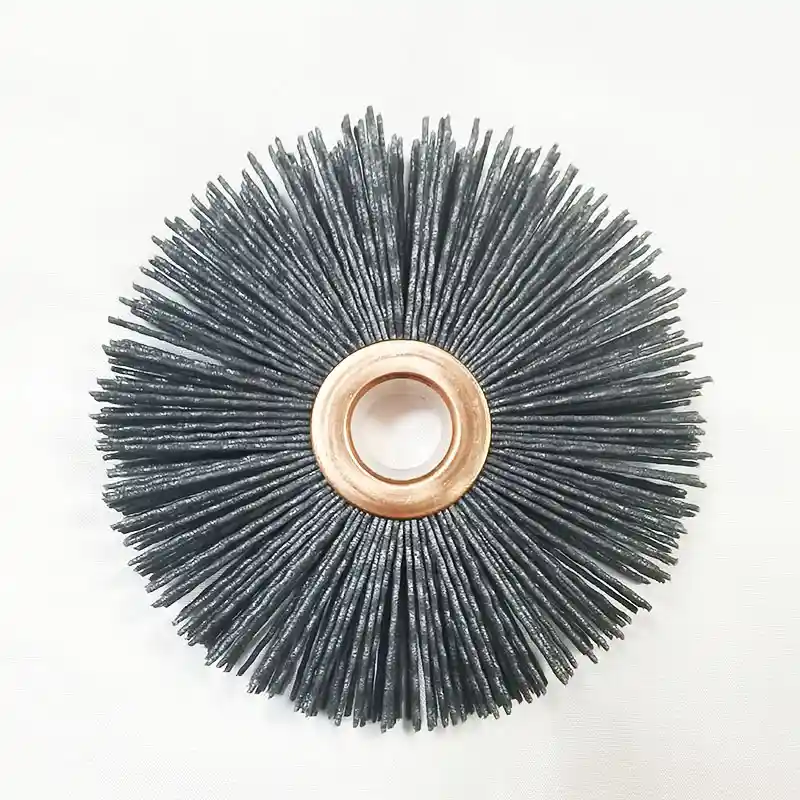
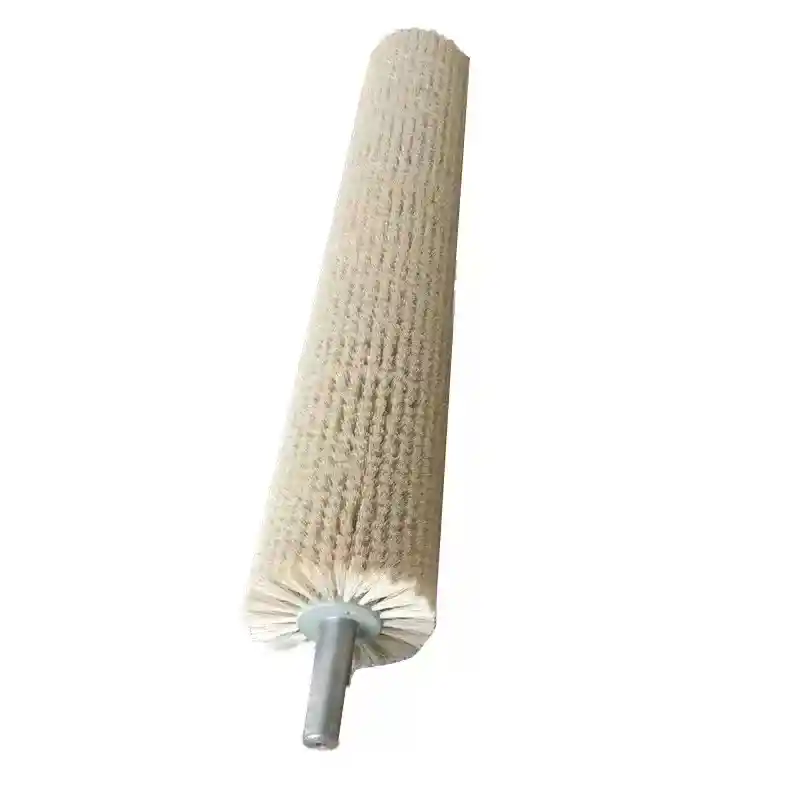
Shanghai Huixi Trading Co., Ltd. manufactures customized brush solutions for industrial applications requiring specific performance characteristics. With 16 years of production experience at our Anhui Province facility, we produce cylindrical brushes, spiral wire brush, strip brush, wire wheel brush, tube brushes, disc brushes, drill cleaning brush, and scratch brushes. Technical support and ODM/OEM services address specialized durability and performance requirements. Low MOQ options and free samples allow testing before volume commitment, backed by fast delivery and after-sales support.
FAQs
Which handle material reduces hand fatigue during all-day brushing work?
Wood handles provide superior vibration dampening because their cellular structure absorbs mechanical energy before it reaches the operator’s hands. This becomes noticeable after several hours of continuous use, particularly with aggressive brushing tasks. The natural texture also tends to feel more secure during sustained gripping, reducing the need to squeeze harder to maintain control.
When should plastic handles be the default choice regardless of other factors?
Plastic handles become necessary when the work environment involves chemical exposure, mandatory sterilization, or strict hygiene protocols. Food processing lines, pharmaceutical manufacturing, and any application using corrosive cleaning agents require handles that won’t absorb liquids or harbor bacteria. The non-porous surface allows complete sanitization that wood simply can’t achieve.
Does the lower initial cost of plastic handles translate to better long-term value?
It depends entirely on the application. In chemically aggressive or wet environments, plastic’s resistance to degradation means fewer replacements and lower total cost over time. In dry, impact-heavy settings, wood’s durability under physical stress often delivers better value despite higher upfront cost. The environment determines which material actually lasts longer.
Work with Huixi Trading on Your Industrial Brush Requirements
The right industrial wire brush handle material makes measurable differences in tool life and operator comfort. Contact Shanghai Huixi Trading Co., Ltd. for consultation on customized wire brushes matched to your specific conditions and performance needs. Sixteen years of manufacturing experience backs every recommendation. Reach us at [email protected] or call +86 1580 0932 713.