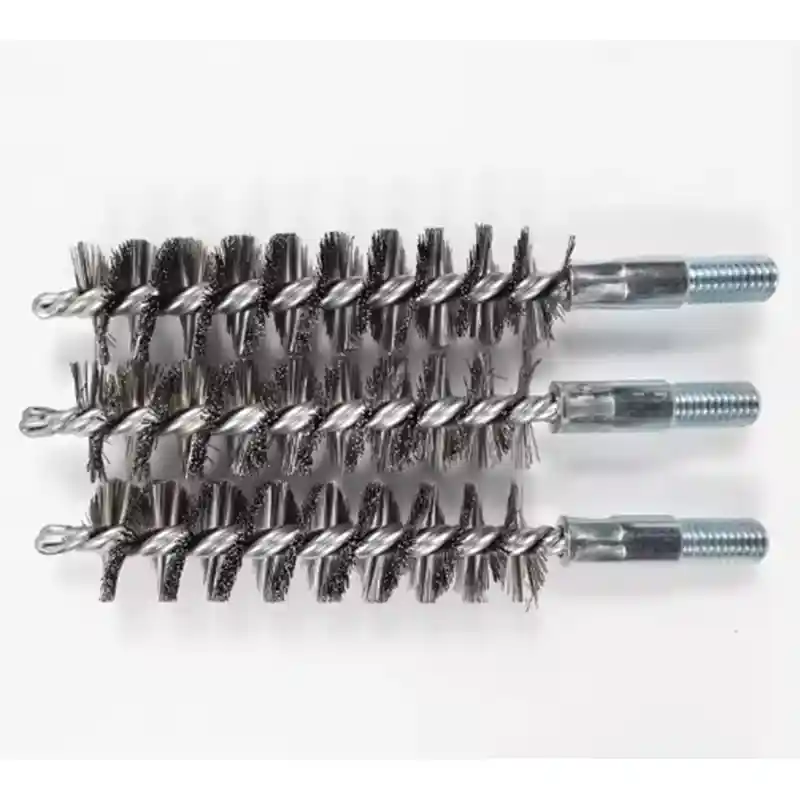

Surface deposits inside pipes are a persistent problem in maintenance routines across industries. A wire pipe brush can remove rust, scale, dried process residues and even light burrs, restoring flow and preventing downstream contamination. The trick is not just in the cleaning motion—it is in matching the brush filament, diameter and stem construction to the exact pipe condition. I have seen too many cases where crews blame the brush for poor results, when the real issue started with a spec mismatch. This article walks through how to choose and use a wire pipe brush so it works the first time, and what to do when off-the-shelf options will not fit.
Why Standard Pipe Brushes Disappoint
A pipe brush is a simple-looking tool, but the wrong combination of wire type, stem and diameter produces three predictable problems. Bristles either do not reach the wall or they pack tight and lose cutting action. A thin stem whips under rotation in a long pipe, throwing the brush off center. Filaments break off inside the pipe, turning a cleaning job into a retrieval operation. None of these failures come from user error alone. They are downstream consequences of a brush that was never matched to that specific pipe.
Manufacturing and process piping often has internal weld seam profiles, scale layers of variable hardness or chemical residues that soften standard carbon steel wire. A brush that works on a short, straight spool piece will underperform in a 2-meter heat exchanger tube, and the same carbon steel filament that strips light rust aggressively will gall a soft copper or aluminum liner. Knowing where the mismatch is likely to occur changes how you evaluate a wire pipe brush before it goes into service.
Filament Material Dictates Cleaning Performance
Wire material sets the hardness, fatigue life and chemical compatibility of the brush. Choose the filament first, because it determines what the brush can remove without damaging the substrate.
| Wire Type | Best For | Avoid When |
|---|---|---|
| Carbon steel (crimped) | Heavy rust, scale, paint in steel or iron pipes | Stainless or non-ferrous pipes (will leave carbon deposits and rust) |
| Stainless steel (304/316) | General cleaning in stainless, food-grade or corrosion-resistant applications | Aggressive scale where carbon steel is acceptable (less cutting power) |
| Brass wire | Soft metals, aluminum, copper, thin-wall tubing | Heavy rust or mill scale (wears quickly) |
| Abrasive nylon (silicon carbide or aluminum oxide loaded) | Light deburring, surface finishing, oxide removal without changing base metal dimension | Thick, flaky scale (material removal rate too low) |
Crimped wire gives more flexibility and a wider surface contact patch than straight wire, making it the usual choice for tube IDs. Straight wire is stiffer and sometimes preferred for spot rust removal, but it can be unforgiving on out-of-round pipe. In most deep cleaning applications we produce for clients, crimped stainless steel or carbon steel is the starting point, and we only move away from it if the pipe material or chemical environment demands it.
Matching Brush Diameter and Length to the Pipe
An undersized brush rides the bottom of the pipe and leaves top deposits untouched. An oversized brush jams, bends the stem and can tear filaments from the core. The rule I use in the factory: brush OD should be 2–3 mm larger than the pipe ID for light to moderate deposits, and up to 5 mm larger for heavy scale if the stem is robust enough to handle the torque. This interference creates the contact pressure that lets the bristle tips do the work rather than just sliding over the surface.
Pipe length dictates stem selection. For pipe runs under one meter, a single-twist stem with a fixed handle is straightforward. Once you pass one meter, a spiral-wound stem or a flexible shaft becomes important to keep the brush centered and reduce whipping. We have supplied brushes with coated steel stems and double-spiral construction for tube bundles and long straight runs where a rigid stem would bind on the first bend. If you are working inside a pipe that is already in place with limited access, a stem that is too short is useless, and one that is too long needs support guides to prevent kinking.
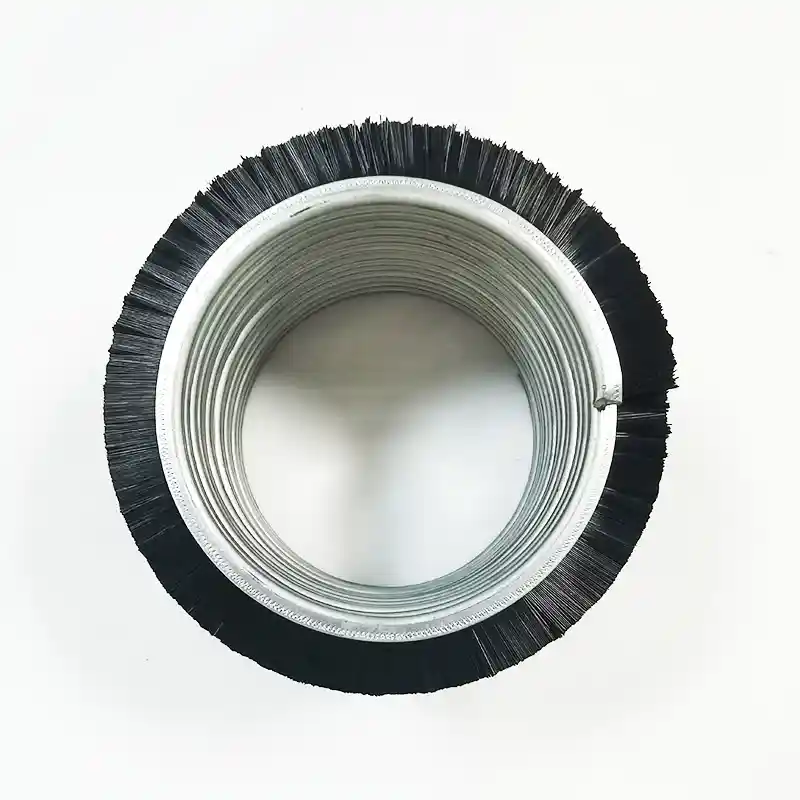
If your pipe schedule falls between standard brush sizes, taking the nearest undersize brush and expecting extra passes to pick up the slack rarely works. The bristle length on an undersize brush is already at its maximum reach. A custom-sized brush built exactly to your ID saves labor hours and avoids the risk of incomplete cleaning that inspection later catches.
Technique That Keeps the Brush Effective
A wire pipe brush is not a drill bit, and the most common mistake I see is running it at too high a speed. For crimped wire brushes in metal pipe, 600–1,200 RPM is usually the sweet spot. Faster rotation overheats the wire tips, work-hardens them and accelerates breakage. Slower than about 400 RPM and the bristles do not reset between rotations; they drag and lose cutting angle.
Feed the brush into the pipe with steady, light axial pressure. Let the bristle interference do the cutting. If you push hard, the bristles flatten against the wall and the stem takes the load, which leads to buckling. Pull the brush back every 15–30 seconds to clear debris from the bristle channels. In pipes with heavy deposits, a dry pull-back often brings out a cloud of loose scale, so a vacuum or air purge line close to the open end is worth setting up.

For cleaning past a bend or U-section, a flexible spiral brush is a better choice than a rigid stem with a straight brush head. The spiral profile allows the brush to follow the pipe curvature while maintaining wall contact, and the helical path actually helps convey loosened debris out of the pipe rather than packing it at the turn. We have built long spiral brushes for tube cleaning in heat exchangers where access is from one end only, and the combination of spiral carriage and correct filament diameter consistently outperforms a standard twisted-in-wire brush.
When the Job Needs a Custom Brush
Off-the-shelf pipe brushes serve about 80% of applications, but the remaining 20% create the most downtime. You might be facing a pipe ID that is non-standard, a material that cannot tolerate the usual wire types, a need for a brush that combines cleaning and light deburring in one pass, or a requirement for a brush that integrates into an automated cleaning system with specific shank dimensions.
In our production, we regularly build wire pipe brushes where the filament material, density, diameter and stem construction are set exactly to the customer’s pipe drawing. I have seen a single customized batch replace four different standard brushes that were being used sequentially because no one size worked fully. The engineering difference is not dramatic, but the outcome on the cleaning floor is. A brush that fits the pipe perfectly also wears more evenly, so replacement cost over a year is often lower even if the per-piece price is slightly higher than a catalog item.
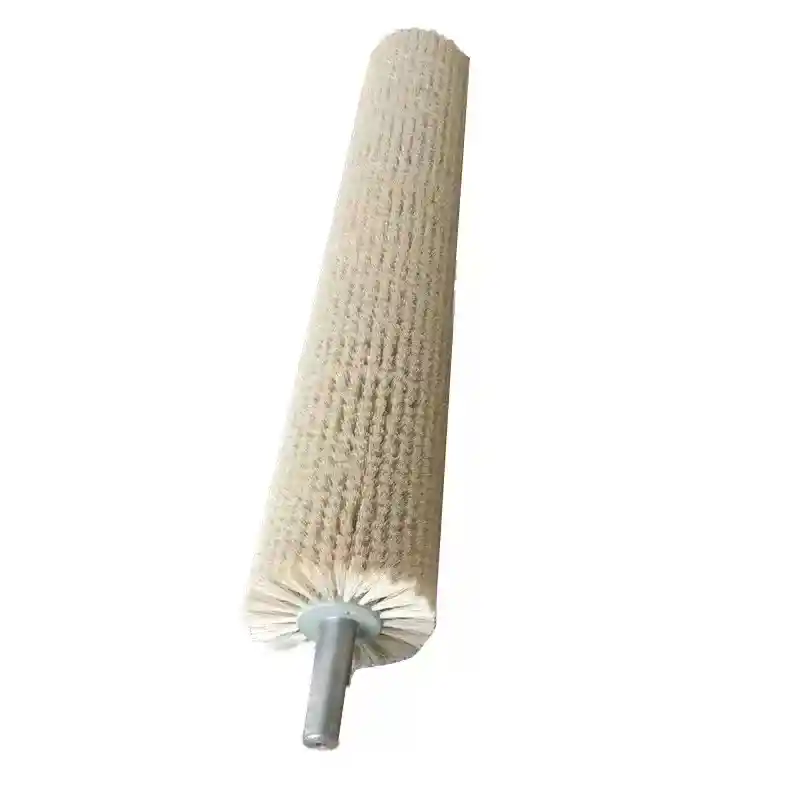
If you are spending more than a few hours a month on pipe cleaning rework or your cleaning process leaves deposits that quality control later flags, the root cause is frequently a brush that was close to correct but not exact. Sending your pipe ID, length and a description of the deposit type to a brush manufacturer will usually pay back faster than experimenting with multiple stock options.
If you are still fighting with pipe cleaning results after trying different standard brush sizes, the next step is a brush built exactly to your dimensions and deposit conditions. Send your pipe ID, length and a photo of the typical deposit to [email protected] or call +86 1580 0932 713 with your specifications. We will recommend a wire pipe brush that matches your application and provide a sample for evaluation.
Questions Pipe Maintenance Teams Ask About Wire Brushes
Can a wire brush scratch the inside of a stainless steel pipe?
It depends on the stainless grade and the wire material. A stainless wire brush used on 304 or 316 pipe will not cause galvanic corrosion and the surface scratching is usually cosmetic—fine hairlines that do not affect process performance. Carbon steel wire leaves smears of free iron that can rust later, so it should be avoided on stainless. For ultra-clean applications like pharmaceutical tubing, nylon abrasive filament is the safer route because it removes residues without altering the passivation layer.
Why do bristles pull out of a pipe brush so quickly?
Bristle retention fails when the stem wire twist is too loose for the fill density, or when the brush is oversized and forced into a tight ID, or when RPM runs too high and work-hardens the wire at the twist root. A double-stem construction or a brush with an inner support core holds bristles better under high load. If you are losing bristles in the first few minutes of use, check the brush OD against the pipe ID and reduce speed.
Is it better to clean pipes wet or dry with a wire brush?
Dry brushing is standard for rust and scale removal because you can see the fallout and the bristles cut more aggressively. Wet brushing helps when dust control is required or when the deposit is a dried chemical that softens with solvent or water. If you use a wet method, the brush should be stainless or brass to avoid flash rusting between uses. Carbon steel brushes rust quickly after wet use unless they are oiled immediately.
How do I clean a pipe that has multiple bends and no straight access?
A flexible spiral brush with a nylon or coated steel core is the tool for the job. The spiral design compresses through bends while keeping bristle contact with the wall. For severe bends above 90 degrees, a brush with a segmental or articulating core may be necessary. In these cases, it is worth sharing the pipe drawing with a brush manufacturer early, because a standard catalog spiral brush assumes generous bend radii and may still bind.
How often should a wire pipe brush be replaced?
There is no fixed hour rating because wear depends on deposit hardness, RPM and interference fit. The practical indicator is cleaning performance: as soon as the brush requires noticeably more passes to reach the same cleanliness, the bristle tips have dulled or shortened to the point that interference is lost. In a high-volume production setting, keep a log of cycles per brush and set a replacement count before quality drops. If your current brush life feels short for the material you are cleaning, a filament hardness upgrade or a denser fill pattern may extend it. Send us your usage data and we will recommend a configuration that targets longer run time.
If you’re interested, check out these related articles:
brass brushes work perfectly for pipe cleaning
wire wheel brush the right assistant for industrial cleaning and polishing
rope cleaning brush for industrial use a key tool for maintaining safe production