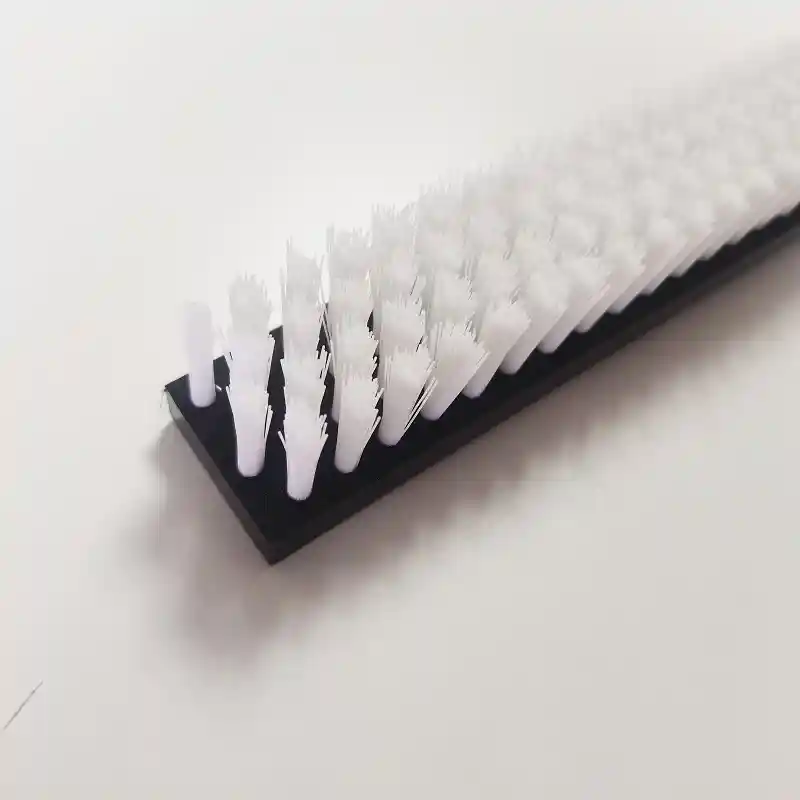

Sheet metal punching leaves marks. Not always visible ones, but the kind that show up later—scratches that catch light wrong, surface stress that weakens a bend, tiny deformations that throw off downstream assembly. After years working with fabrication shops, I’ve learned that the difference between acceptable parts and genuinely clean work often comes down to what’s holding the sheet while the turret does its job. The brush table sits there, unassuming, doing work most people never think about until something goes wrong.
What Brush Tables Actually Do During Punching
The brush table isn’t just a surface. It’s the interface between raw material and finished part, absorbing the constant back-and-forth motion as sheets reposition between hits. Every time the turret indexes and the sheet slides to a new punch location, those bristles are managing friction, preventing metal-to-metal contact, and keeping the workpiece flat enough for accurate hole placement.
When brush support fails, the symptoms show up fast. Scratches appear on pre-finished aluminum. Thin stainless warps slightly between punches. Sheets hang up during repositioning, throwing off cycle times. The machine keeps running, but reject rates climb and operators start compensating with slower feed rates. Proper brush table performance prevents these cascading problems before they start, protecting both surface finish and production throughput.
Nylon Outperforms Other Bristle Materials for This Work
Nylon has earned its place in turret punch press brush tables through a combination of properties that other materials can’t match. The fiber is soft enough to avoid marking polished stainless or painted sheets, yet resilient enough to spring back after millions of compression cycles. This balance matters more than most specifications suggest.
Polypropylene costs less but wears faster and loses stiffness under heat. Natural fibers absorb coolants and degrade. Metal bristles scratch everything they touch. Nylon sits in the middle ground—chemically stable around cutting oils and cleaners, resistant to the abrasion of sheet edges sliding across it, and capable of dissipating static charges that otherwise attract dust and fines to the work surface.
Sixteen years of manufacturing industrial brushes has shown us these differences aren’t theoretical. Shops that switch to quality nylon bristle configurations report measurably longer intervals between brush replacements and fewer surface defect complaints from their customers.
| Feature | Nylon Bristles | Polypropylene Bristles | Natural Fibers | Metal Bristles |
|---|---|---|---|---|
| Non-Marring | Excellent | Good | Fair | Poor |
| Durability | Excellent | Good | Fair | Good |
| Chemical Resist | Excellent | Good | Poor | Excellent |
| Abrasion Resist | Excellent | Good | Poor | Good |
| Static Control | Good | Fair | Poor | Excellent |
| Cost | Moderate | Low | Low | High |
The Practical Impact on Part Quality and Costs
Surface damage during punching creates downstream problems that multiply. A scratched panel might pass initial inspection but get rejected at powder coating. A slightly deformed sheet causes fit issues during assembly. These aren’t dramatic failures—they’re the slow bleed of rework, scrap, and customer complaints that erode margins over time.
Nylon bristle brush tables reduce these defects at the source. The material’s inherent give prevents the micro-scratches that harder supports create. Parts come off the machine cleaner, with fewer touch-ups needed before finishing operations. The extended service life of nylon bristles also means less frequent brush table replacement, cutting both material costs and the downtime required for changeovers.
Matching Bristle Configuration to Your Application
Brush density, bristle diameter, trim length, and pattern layout all affect how well a turret punch press brush table handles specific materials. There’s no universal configuration that works optimally for every shop. A facility running mostly 16-gauge mild steel has different support requirements than one processing 22-gauge stainless or thin aluminum sheet.
Heavier materials need denser bristle packing and shorter trim heights to prevent sagging between brush clusters. The sheet has to stay flat enough for accurate punch positioning, which means the bristles must resist compression under load without bottoming out. Lighter gauge work benefits from longer, more flexible bristles that cushion the material and minimize any chance of marking.
Custom brush table solutions address these variables directly. Rather than forcing a standard configuration to work across incompatible applications, purpose-built brush tables match the specific punch press model, material mix, and production demands of each installation.
How Configuration Choices Affect Material Flow
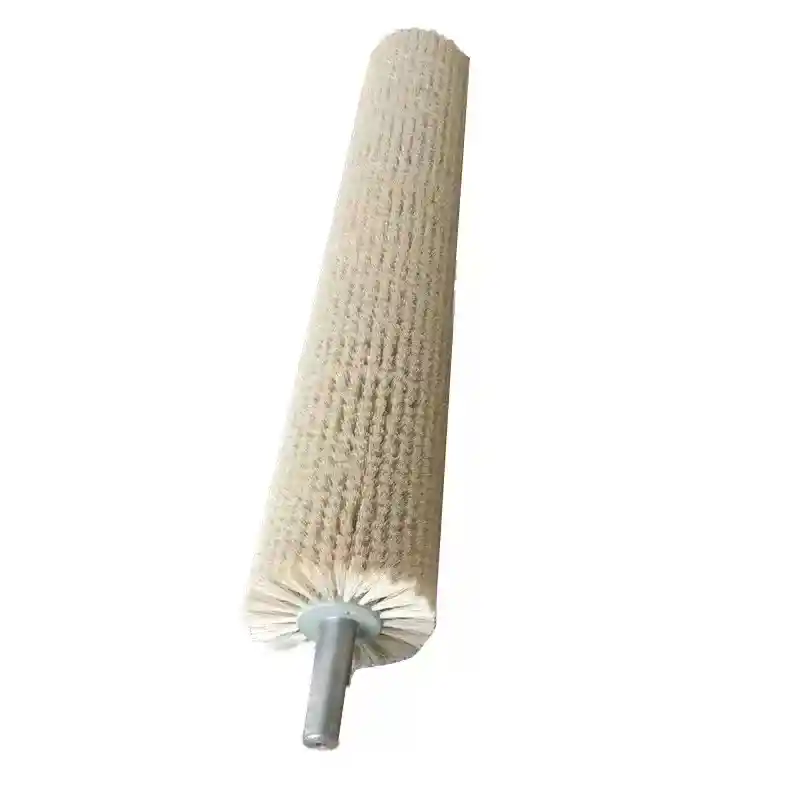
The arrangement of bristle clusters influences how smoothly sheets reposition during punching sequences. Staggered patterns reduce the drag that occurs when sheet edges catch on bristle rows. Optimized spacing prevents the “washboard” effect where material bounces slightly as it crosses from one brush cluster to the next.
These details matter for positioning accuracy. A sheet that moves smoothly lands where the CNC expects it to be. One that stutters or drags introduces positioning errors that compound across a nest of parts. Getting the brush table configuration right eliminates a variable that operators otherwise have to compensate for through programming adjustments or reduced feed rates.
Finding Reliable Brush Table Suppliers in China
Chinese manufacturers offer competitive pricing on turret punch press brush tables, but quality varies significantly across suppliers. The difference between a brush table that performs for years and one that fails prematurely often comes down to material sourcing, manufacturing consistency, and the supplier’s actual experience with punch press applications.
Shanghai Huixi Trading Co., Ltd. has manufactured industrial brushes for 16 years, with specific expertise in customized brush tables for sheet metal fabrication equipment. Our production meets RoHS and REACH certification requirements, and our quality control processes catch problems before products ship. Customers across Europe, North America, Australia, and Southeast Asia have validated this approach through repeat orders and positive feedback.
What to Evaluate When Selecting a Supplier
Experience matters more than catalog breadth. A manufacturer that has solved brush table problems across many punch press models understands the application-specific details that generic suppliers miss. Ask about their history with turret punch press brush tables specifically, not just industrial brushes in general.
Material certifications confirm that the nylon and other components meet environmental and safety standards required for import into regulated markets. Quality control documentation should show inspection points throughout production, not just final testing. Technical support capability indicates whether the supplier can help specify the right configuration or just ships whatever you order.
Our ODM and OEM services allow complete customization of brush table designs to match exact punch press specifications. Low minimum order quantities and fast delivery support both initial trials and ongoing production needs. Global shipping and after-sales support complete the service package.
Keeping Brush Tables Working Properly
Maintenance extends brush table life and maintains consistent performance. Neglected brush tables accumulate slugs, fines, and cutting oil residue that interfere with material flow and accelerate bristle wear. A few minutes of daily attention prevents problems that otherwise require unplanned downtime to address.
Effective brush table maintenance follows a straightforward routine:
- Check bristles visually for flattening, breakage, or uneven wear patterns.
- Remove accumulated slugs and scrap from between bristle clusters.
- Clear fine particles using vacuum or compressed air.
- Clean brush modules periodically with appropriate degreaser when oil buildup becomes visible.
- Rotate or reposition brush modules to distribute wear evenly across the table surface.
Worn bristles that no longer provide adequate support should be replaced promptly. Running on degraded brush tables risks scratching material and can affect punch positioning accuracy. Proactive replacement during scheduled maintenance windows avoids the production interruptions that emergency replacements cause.
Frequently Asked Questions About Turret Punch Press Brush Tables
What makes nylon bristles better than alternatives for punch press applications?
Nylon provides the specific combination of softness, resilience, and chemical stability that turret punch press brush tables require. The material cushions sheet metal without marking it, springs back after compression cycles, resists degradation from cutting oils and coolants, and helps control static buildup. Other bristle materials compromise on one or more of these properties, leading to either surface damage or shortened brush life.
When should brush tables be replaced?
Replacement timing depends on production volume, material types processed, and maintenance practices. Visual inspection provides the most reliable indicators—look for bristles that stay flattened after compression, broken or missing bristle clusters, or noticeable decline in how smoothly sheets move across the table. Shops running heavy production schedules on abrasive materials may need replacement every 6-12 months, while lighter-duty applications can extend brush life considerably longer with proper maintenance.
Can you manufacture brush tables for specific punch press models?
Yes. Our ODM and OEM capabilities allow us to design and manufacture turret punch press brush tables matched to exact machine specifications. This includes custom bristle configurations optimized for specific material types and thicknesses. Our technical team works directly with customers to determine the right brush density, trim length, and pattern layout for each application.
What certifications should brush table suppliers have?
Look for RoHS and REACH certifications, which confirm compliance with environmental and safety regulations required for products entering European and other regulated markets. These certifications indicate that materials used in brush table manufacturing meet standards for restricted substances. Quality management certifications provide additional assurance of consistent manufacturing processes.
Do nylon brush tables reduce noise during punching?
Nylon bristles absorb some of the impact energy and vibration generated during punching operations, which does reduce noise levels compared to hard support surfaces. The cushioning effect that protects sheet metal also dampens the mechanical noise transmitted through the table structure. This improvement in workplace noise levels is a secondary benefit of nylon brush table installation.
Work With Huixi on Your Brush Table Requirements
Custom-engineered nylon bristle brush tables improve turret punch press performance in measurable ways—better surface quality, longer service intervals, reduced maintenance burden. Shanghai Huixi Trading Co., Ltd. brings 16 years of manufacturing expertise to every brush table project, combining application knowledge with global service capabilities. Contact our technical team at +86 1580 0932 713 or [email protected] to discuss your specific requirements.
If you’re interested, check out these related articles:
abrasive disc brush an excellent industrial surface treatment tool
descaling spiral brush an innovative tool and generalist in the field of industrial cleaning
what you know about brass wire brush strip
brushes for steel wire industries cleaning descaling derusting polishing