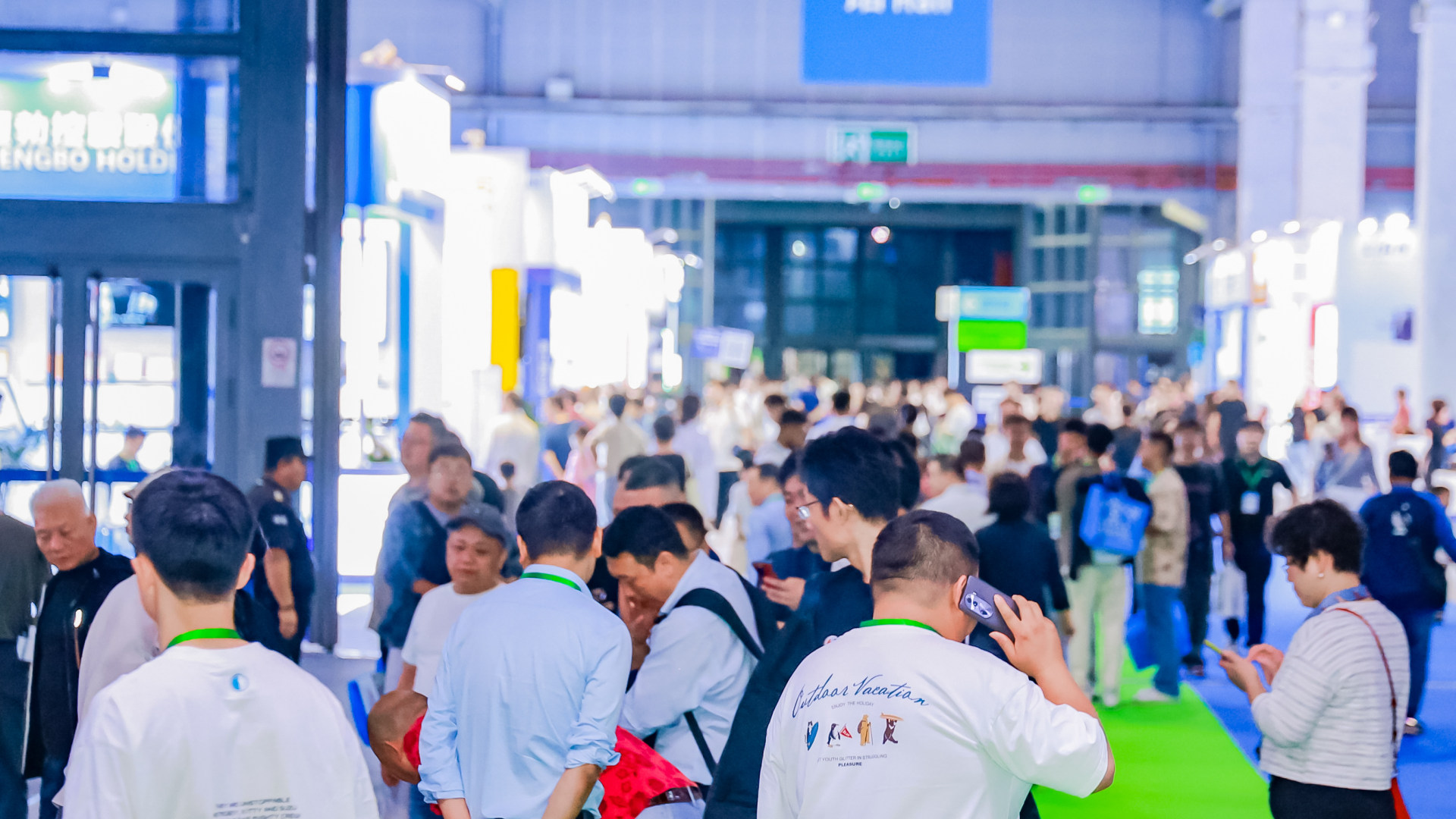

Shanghai functions as China’s primary commercial gateway, and specialized exhibitions here serve as direct channels between manufacturers and buyers. APES Shanghai operates within this ecosystem, connecting businesses across food processing, accommodation solutions, transportation logistics, elder care services, and industrial manufacturing. The event structure prioritizes matchmaking efficiency over general exposure, which matters when procurement cycles in these sectors run tight.
How APES Shanghai Fits Into China’s B2B Exhibition Landscape
Industry exhibitions in Shanghai differ from general trade shows in one critical way: they compress months of supplier vetting into concentrated face-to-face time. APES Shanghai targets specific industry chains rather than broad categories, which means exhibitors encounter buyers who have already narrowed their search criteria. This pre-qualification reduces the noise that plagues larger, less focused events.
The economic function extends beyond individual transactions. These exhibitions generate data on demand patterns, pricing expectations, and technology adoption rates that would otherwise require extensive market research. For foreign companies evaluating China market entry, attending before exhibiting provides baseline intelligence that shapes subsequent strategy.
What Industries Does APES Shanghai Actually Cover?
APES Shanghai spans five primary sectors: food processing equipment and services, accommodation and hospitality solutions, transportation and logistics infrastructure, elder care products and services, and industrial manufacturing systems. Each sector operates as a distinct exhibition track with dedicated floor space and programming.
The elder care segment has grown notably over the past three years, reflecting demographic shifts in China’s population structure. Food processing equipment remains the highest-traffic category, driven by ongoing modernization in China’s food supply chain. Transportation logistics attracts both domestic operators and international freight companies seeking China partnerships.
Why Sector-Specific Exhibitions Outperform General Trade Shows
General trade shows spread attention thin. A procurement manager visiting a broad industrial expo might encounter relevant suppliers in scattered locations across a venue, mixed with irrelevant categories. Sector-specific exhibitions like APES Shanghai eliminate this inefficiency by clustering related suppliers and structuring programming around shared buyer concerns.
The concentrated format also enables deeper technical discussions. When everyone in a conversation understands industry terminology and common challenges, meetings progress faster. I have observed that exhibitors at specialized events report higher lead quality scores compared to their participation in general industrial expos, though conversion rates depend heavily on post-event follow-up execution.
Planning Your Exhibition Presence at APES Shanghai
Exhibiting at APES Shanghai requires preparation that starts months before the event dates. Companies that treat exhibition participation as a standalone marketing activity typically underperform compared to those who integrate it into broader sales and market development strategies.
What Exhibitors Actually Gain From APES Shanghai Participation
Direct access to decision-makers represents the primary value. Unlike digital lead generation, exhibition contacts have self-selected by traveling to the venue and entering your booth space. This behavioral signal indicates higher intent than a downloaded whitepaper or webinar registration.
Beyond lead generation, exhibitors gain competitive intelligence by observing adjacent booths. Pricing discussions overheard in neighboring spaces, product configurations competitors emphasize, and buyer questions that recur across conversations all provide market data. Some exhibitors assign team members specifically to walk the floor and document these observations.
Brand positioning within a specific industry vertical also accumulates over repeated participation. Buyers who see the same company at multiple editions of an exhibition begin associating that brand with category commitment. This recognition compounds over time and influences shortlist decisions even outside exhibition contexts.
Booth Engagement Strategies That Generate Qualified Leads
Booth design and staffing determine whether foot traffic converts to meaningful conversations. Static displays with brochure racks attract fewer engaged visitors than interactive demonstrations. At a recent industrial manufacturing exhibition we organized, one exhibitor implemented live demonstrations of their automated machinery. This approach drew consistent crowds throughout the event and produced a 30% increase in qualified leads compared to their previous static display configuration.
| Strategy Category | Implementation Details | Typical Outcome |
|---|---|---|
| Pre-Show Marketing | Announce participation through existing customer channels, highlight specific products or capabilities, offer pre-scheduled meeting slots | Higher proportion of booth visitors with pre-existing interest, more efficient use of staff time |
| Booth Layout | Open entrance design, clear sightlines to demonstration areas, dedicated meeting space separated from high-traffic zones | Better visitor flow, longer average engagement time, more private conversations with serious buyers |
| Interactive Elements | Live equipment operation, sample processing, virtual reality walkthroughs of facilities | Increased memorability, natural conversation starters, differentiation from static competitors |
| Staff Deployment | Product specialists available for technical questions, dedicated lead capture personnel, scheduled rotation to maintain energy | Higher quality technical discussions, consistent lead documentation, reduced staff fatigue |
| Post-Show Process | Structured follow-up within 72 hours, lead scoring based on booth interaction depth, integration with CRM systems | Higher conversion rates, clearer attribution of exhibition ROI, improved planning for subsequent events |
The post-show follow-up phase determines whether exhibition investment pays off. Leads that sit untouched for weeks lose the context and momentum generated during face-to-face interaction. Companies with disciplined follow-up processes within the first week after an event consistently report better conversion metrics.
Digital Integration in Modern Exhibition Formats
Physical exhibitions now operate alongside digital platforms that extend reach and capture data impossible to gather through in-person interaction alone. This integration changes how both exhibitors and attendees prepare for and extract value from events.
How Digital Tools Change the Exhibition Experience
Mobile applications for APES Shanghai provide attendees with floor maps, exhibitor directories, and scheduling tools that reduce time spent navigating the venue. For exhibitors, these platforms offer pre-event visibility into registered attendee profiles, enabling targeted outreach before the event opens.
Real-time analytics during the event track booth traffic patterns, dwell times, and interaction frequencies. This data helps exhibitors adjust staffing and messaging mid-event rather than waiting for post-event analysis. Some exhibitors use badge scanning systems that automatically populate CRM records with attendee information and conversation notes.
Virtual components extend exhibition access to buyers who cannot travel. Live-streamed product launches, virtual booth tours, and video meeting capabilities allow remote participation that would have been impossible a decade ago. Our digital exhibition platform integrates these elements into a unified system that exhibitors can manage through a single interface.
Hybrid Exhibition Models and Their Practical Benefits
Hybrid formats combine physical presence with virtual access, and the practical benefits vary by participant type. For exhibitors, hybrid events expand the potential audience without proportionally increasing booth costs. A company can engage with in-person visitors while simultaneously hosting virtual meetings with buyers in other time zones.
For attendees, hybrid options reduce the all-or-nothing decision of exhibition participation. A procurement manager might attend physically for one day of intensive meetings and continue engaging virtually for the remainder of the event. This flexibility increases overall participation rates and extends the effective duration of the exhibition.
The sustainability implications matter increasingly to corporate participants with environmental commitments. Reduced travel for some portion of attendees lowers the carbon footprint associated with the event. Digital alternatives to printed materials further reduce waste. These factors now appear in vendor evaluation criteria for some multinational buyers.
What Attendees Should Expect at APES Shanghai
Attendees arrive at APES Shanghai with specific objectives, whether sourcing new suppliers, evaluating technology options, or building professional networks. The event structure supports these goals through exhibition floor layout, concurrent programming, and facilitated networking opportunities.
Who Attends APES Shanghai Events
The attendee profile skews toward mid-level and senior procurement roles, with significant representation from R&D and operations functions. Government representatives attend sessions focused on policy and regulatory developments. Investors and entrepreneurs appear more frequently in technology-intensive sectors where startup activity is high.
Registration data from recent editions shows approximately 40% of attendees come from outside Shanghai, including significant international participation from Southeast Asian markets. This geographic diversity creates matchmaking opportunities that would require extensive travel to replicate through individual company visits.
Professional Development Opportunities Beyond the Exhibition Floor
APES Shanghai programming includes technical seminars, regulatory update sessions, and panel discussions featuring industry practitioners. These sessions provide context that helps attendees interpret what they observe on the exhibition floor. A seminar on food safety regulations, for example, clarifies why certain equipment configurations have gained market share.
Networking events structured around specific topics or attendee categories create more productive conversations than general receptions. When participants share a common professional context, introductions lead more quickly to substantive discussion. The matchmaking systems built into the event platform suggest connections based on stated interests and company profiles.
APES Shanghai Development Direction and Industry Adaptation
Exhibition formats continue evolving in response to technology capabilities, buyer expectations, and broader economic conditions. APES Shanghai planning incorporates these shifts into event design and service offerings.
How Global Exhibition Trends Shape APES Shanghai Programming
Data-driven personalization now influences how exhibitions structure attendee experiences. AI-powered matchmaking systems analyze registration profiles and stated objectives to suggest exhibitor visits and meeting partners. These recommendations improve the efficiency of attendee time on the floor.
Smart event logistics reduce friction points that historically consumed significant attendee time. Digital check-in, indoor navigation, and real-time crowd density information help attendees move through the venue more efficiently. Exhibitors benefit from better traffic distribution across event hours rather than concentrated rush periods.
The shift toward outcome measurement affects how exhibitions demonstrate value to participants. Beyond attendance counts, exhibitions now track meeting quality scores, post-event transaction data, and long-term relationship development. This accountability orientation aligns exhibition services more closely with participant business objectives.
Sustainability Practices in Exhibition Operations
Operational sustainability at APES Shanghai encompasses venue energy management, waste reduction protocols, and supply chain decisions for event materials. Venue selection criteria now include energy efficiency certifications and waste processing capabilities.
Digital alternatives to printed directories, brochures, and signage reduce material consumption significantly. Some exhibitors have eliminated printed materials entirely, directing visitors to digital resources through QR codes displayed at booths. This approach also improves lead capture by requiring digital interaction for content access.
Logistics optimization reduces transportation emissions through consolidated shipping, local sourcing where feasible, and scheduling that minimizes rush delivery requirements. These practices align with corporate sustainability reporting requirements that many exhibitors now face.
If your organization is evaluating exhibition participation or exploring event organization partnerships, discussing specific requirements with our team can clarify options and timelines. Contact us at [email protected] or +021-60280788.
Frequently Asked Questions
How can I ensure a strong return on investment from exhibiting at APES Shanghai?
ROI depends on three phases: pre-event preparation that targets the right attendee segments, on-site execution that converts booth traffic to qualified conversations, and post-event follow-up that moves leads through your sales process. Companies that document clear objectives before the event and measure against those objectives afterward consistently report better results than those who approach exhibitions without defined success criteria. The quality of leads matters more than quantity, and follow-up speed within the first week correlates strongly with conversion rates.
What makes APES Shanghai different from other industry trade shows in China?
The sector-specific focus across five defined industry chains creates a more concentrated buyer-supplier matching environment than general industrial exhibitions. The digital platform integration extends engagement beyond physical event dates and provides data that general trade shows typically cannot offer. Shanghai’s position as China’s commercial center also means attendees often combine APES Shanghai visits with other business activities in the city, increasing the practical value of travel investment.
What support is available for international exhibitors participating in APES Shanghai?
International exhibitors receive logistics coordination including customs documentation guidance, freight forwarding connections, and venue delivery scheduling. Translation services cover booth materials, meeting interpretation, and technical documentation. Market entry consultation helps companies unfamiliar with China business practices understand buyer expectations and negotiation norms. The support scope can be discussed during initial planning conversations to match specific company requirements.
How does APES Shanghai integrate digital technologies into the exhibition experience?
The digital platform operates before, during, and after the physical event. Pre-event features include attendee profile browsing, meeting scheduling, and exhibitor announcements. During the event, mobile applications provide navigation, real-time updates, and lead capture tools. Post-event, the platform maintains exhibitor profiles and facilitates continued communication between participants. Virtual participation options allow remote attendance for those unable to travel, extending the effective reach of each exhibition edition.
If you’re interested, check out these related articles:
APES 2026 to Redefine Global Sourcing Landscape as Automotive Industry Eyes Resilient Future
Tomorrow World: Innovation Achievement Exhibition and Industry Future Forum