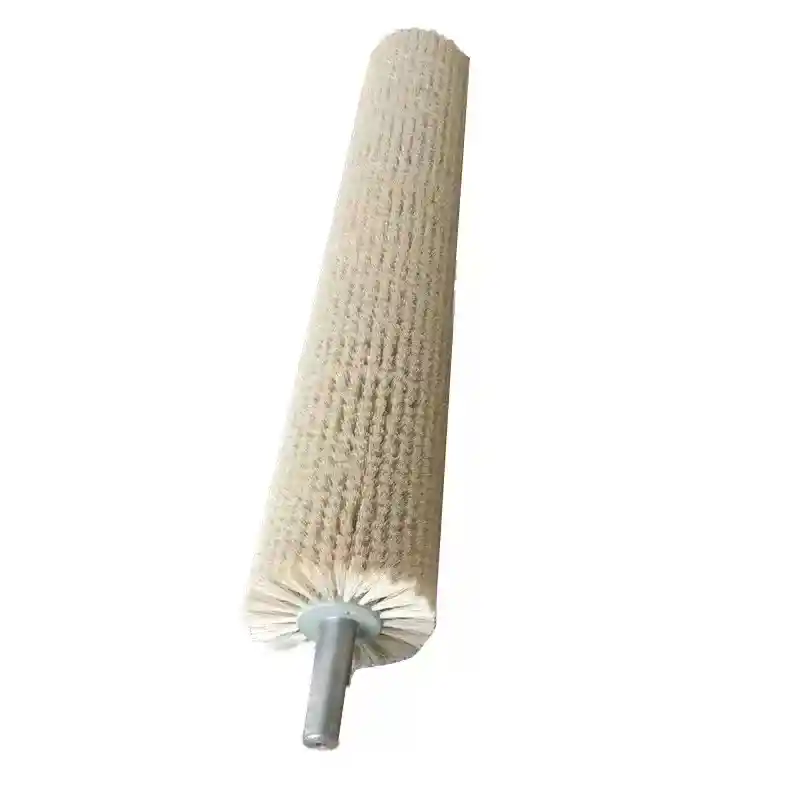

Getting the right brush for your stove pipe isn’t complicated, but getting it wrong creates real problems. I’ve seen flues packed with creosote because someone grabbed whatever brush was on the shelf without checking the diameter. That buildup doesn’t just reduce efficiency—it’s a fire waiting to happen. The match between brush size, material, and your specific pipe type determines whether you’re actually cleaning or just going through the motions.
Why Stove Pipe Brush Dimensions Determine Cleaning Success
The dimensions of a stove pipe brush directly impact its ability to clean the flue thoroughly. Standard stove pipe diameters—3-inch, 4-inch, 6-inch—require brushes that match these internal measurements precisely. An undersized brush won’t make full contact with the pipe walls, leaving behind flammable creosote. An oversized brush can become lodged or damage the flue liner.
Improper sizing leads to incomplete cleaning and potential fire hazards. Accurate diameter compatibility matters for all chimney sweep brush types. Selecting the correct flue brush dimensions ensures comprehensive cleaning.
| Pipe Diameter (Inches) | Recommended Brush Size (Inches) | Cleaning Efficacy | Risk of Incomplete Cleaning |
|---|---|---|---|
| 3 | 3 | High | Low |
| 4 | 4 | High | Low |
| 5 | 5 | High | Low |
| 6 | 6 | High | Low |
| 8 | 8 | High | Low |
Nylon, Wire, and Polypropylene Serve Different Pipe Materials
Brush material selection is just as important as size for effective cleaning and protecting your stove pipe or chimney liner. Different materials offer varying levels of stiffness, durability, and heat resistance, making them suitable for specific applications. Using the incorrect material can damage liners or prove ineffective against creosote.
Nylon Brushes: These work best for stainless steel liners and flexible flues. Nylon bristles are stiff enough to remove soot and light creosote without scratching delicate surfaces. They hold up well against chemicals and repeated use.
Wire Brushes (Steel or Poly): Wire brushes, often made from steel or a robust poly material, are designed for masonry chimneys. Their aggressive nature effectively removes hardened creosote buildup. They should not be used on stainless steel or flexible liners—the damage adds up quickly.
Polypropylene Brushes: These offer a softer option, suitable for lighter soot deposits or specific pipe materials that require a less abrasive cleaning action. They’re a good choice for regular maintenance where heavy creosote isn’t present.
Manufacturing various brush head materials ensures system-specific brushes are available for optimal chimney liner cleaning.
Matching Brush Materials to Your Specific Flue Type
Different brush materials are necessary for various stove pipe types. Nylon brushes are preferred for stainless steel and flexible liners because they effectively clean without causing scratches or damage. For masonry flues, wire brushes, typically made of steel, are more suitable due to their aggressive action against stubborn creosote. Polypropylene brushes offer a softer option, ideal for lighter soot removal or specific pipe materials that require a gentler approach. This ensures effective cleaning while preserving the integrity of the flue.
How to Measure Your Stove Pipe for the Right Brush
Accurately measuring your stove pipe and flue dimensions is the foundation for selecting the correct brush. A brush that is too small will not clean effectively, leaving hazardous creosote deposits. A brush that is too large can become stuck or damage the pipe. Precision in measurement prevents these issues.
Follow these steps to determine the correct stove pipe brush size:
- Identify the Stove Pipe Type: Determine if your stove pipe is single-wall, double-wall, or a flexible liner.
- Locate the Flue Opening: Access the internal diameter of the stove pipe or chimney flue.
- Measure the Internal Diameter: Use a tape measure or caliper to accurately measure the inside diameter of the pipe. Measure in at least two different spots to account for any inconsistencies.
- Consider Pipe Shape: Most stove pipes are round, but some flues can be rectangular or square. For non-round flues, select a brush that matches the smallest dimension.
- Match Brush to Measurement: Choose a brush that matches the measured internal diameter. A 6-inch pipe requires a 6-inch brush.
- Account for Liner Material: Select the brush material appropriate for your flue liner to avoid damage.
This systematic approach optimizes your pipe cleaning kits for the job at hand.
!Cylindrical Brush
## Cleaning Frequency Based on Fuel Type and Usage
Regular cleaning of your stove pipe prevents dangerous chimney fires and maintains heating efficiency. The frequency depends on fuel type, usage intensity, and creosote buildup. Adherence to fire safety standards ensures heating appliance longevity.
Wood-Burning Stoves: If you burn wood, especially unseasoned wood, creosote buildup can be rapid. Cleaning your stove pipe every 2-4 weeks during peak heating season, or after every cord of wood burned, keeps deposits under control.
Pellet Stoves: Pellet stoves generally produce less creosote than wood stoves. Cleaning every 2-3 months or after burning one ton of pellets is typically sufficient.
Usage Intensity: Stoves used daily or for extended periods accumulate creosote faster and require more frequent cleaning.
Visual Inspection: Regularly inspect your stove pipe for creosote. If you see a layer thicker than 1/8 inch, it’s time to clean. This visual check is a primary indicator for preventing chimney fires.
Various industrial brushes are suitable for maintaining heating systems at different cleaning intervals.
Undersized and Oversized Brushes Both Create Problems
The precise sizing of a stove pipe brush directly impacts both the performance of your heating system and overall fire safety. Using an incorrect brush size leads to significant problems.
Undersized Brushes: A brush that is too small will not effectively scrape away creosote from the pipe walls. This results in incomplete cleaning, allowing flammable creosote to accumulate. That accumulation reduces draft efficiency and increases the risk of a chimney fire.
Oversized Brushes: A brush that is too large can become lodged within the stove pipe, making removal difficult and potentially damaging the flue liner. This can lead to costly repairs and compromise the structural integrity of your ventilation system.
Precision in stove pipe brush sizing ensures thorough removal of all deposits, maintaining optimal performance and significantly reducing fire hazards. Manufacturing expertise allows for custom solutions for fireplace maintenance tools, ensuring the right fit every time.
Step-by-Step DIY Stove Pipe Cleaning Technique
Effective DIY stove pipe cleaning requires proper technique and adherence to safety precautions. These practices extend brush life and ensure thorough cleaning for wood stove efficiency.
- Gather Equipment: Collect your stove pipe brush, flexible brush rods, a drop cloth, a vacuum, and safety gear (gloves, mask, goggles).
- Prepare the Area: Lay down drop cloths around the stove to catch soot and debris. Seal off the stove opening to prevent soot from entering the room.
- Attach Brush to Rods: Securely attach the stove pipe brush to the flexible brush rods. Ensure the connections are tight to prevent the brush from detaching inside the flue.
- Clean from Top Down (if possible): If accessing from the top, lower the brush into the flue, pushing and pulling it to scrub the interior walls.
- Clean from Bottom Up (if necessary): If cleaning from the bottom, push the brush upwards through the stove pipe, extending the rods as you go.
- Remove Soot: After brushing, use a vacuum to clean up any dislodged soot and debris from the stove and surrounding area.
- Inspect: Perform a visual inspection of the stove pipe to ensure all creosote has been removed.
For more specialized cleaning needs, consider professional chimney cleaning services.
Frequently Asked Questions About Stove Pipe Brushes
What are the common stove pipe brush sizes available?
Common stove pipe brush sizes typically include 3-inch, 4-inch, and 6-inch diameters, among others. These sizes correspond to the internal diameter of your stove pipe or chimney flue. Selecting the correct size is necessary for effective creosote removal and safe operation of your heating system. Custom sizes are available for unique applications.
How do I measure my stove pipe for the correct brush size?
Measure the inside diameter of your flue using a tape measure or caliper. The brush should match the internal diameter of the pipe to ensure thorough cleaning without causing damage or getting stuck. Always measure the pipe you intend to clean to ensure optimal fit.
Are there different brush materials for various stove pipe types?
Stove pipe brushes come in various materials, each suited for different pipe types. Nylon brushes are ideal for stainless steel liners and flexible flues to prevent scratching. Wire brushes (steel or poly) are typically used for masonry chimneys to aggressively remove creosote. Polypropylene brushes offer a softer option for lighter soot or specific pipe materials, ensuring effective and safe cleaning.
Partner with Shanghai Huixi Trading Co., Ltd. for Your Brush Needs
For specialized industrial brush solutions, including custom stove pipe brushes tailored to unique system specifications, trust Shanghai Huixi Trading Co., Ltd. With 16 years of manufacturing expertise and a commitment to quality, we offer professional technical support, ODM/OEM services, and competitive pricing. Contact us today at [email protected] or +86 1580 0932 713 to discuss your brush requirements and ensure optimal performance for your heating systems.