Recombinant Human Interleukin-7 sits at the center of how the immune system builds and maintains its T-cell populations. Working with this cytokine over the years, what stands out is how fundamental it is to lymphocyte biology—not just in theory, but in practical applications ranging from basic research to emerging clinical therapies. The protein’s ability to support T-cell survival and proliferation makes it valuable across immunotherapy development, immune reconstitution protocols, and cell culture systems where maintaining healthy lymphocyte populations matters.
How Recombinant Human IL-7 Drives T-Cell Development and Survival
Recombinant Human IL-7 functions as a master regulator of lymphocyte biology. The cytokine supports T-cell precursors in the thymus while also maintaining mature T-cell populations in peripheral tissues. This dual role explains why IL-7 deficiency leads to such profound immune dysfunction—the protein is needed at multiple stages of T-cell life.
Beyond T-cell maintenance, Recombinant Human IL-7 influences early hematopoietic decisions. Progenitor cells in the bone marrow respond to IL-7 signaling when committing to lymphoid lineages. The cytokine essentially helps determine which blood cell types develop from multipotent precursors. This broad influence on immune cell development makes Recombinant Human IL-7 relevant to researchers studying everything from basic immunology to therapeutic immune modulation.
The Molecular Pathway Behind IL-7 Signaling
Recombinant Human IL-7 initiates its effects by binding a two-part receptor complex. The IL-7 receptor alpha chain pairs with the common gamma chain to form the functional receptor. When IL-7 binds, the receptor activates JAK1 and JAK3 kinases on its intracellular domains.
These kinases then phosphorylate STAT5, which moves into the nucleus and switches on genes that promote T-cell survival and division. The specificity of this JAK/STAT pathway explains why Recombinant Human IL-7 has such targeted effects on lymphocytes rather than broadly affecting all cell types. Understanding this mechanism helps researchers design experiments that leverage or modulate IL-7 activity.
Therapeutic Potential of Recombinant Human IL-7 Across Disease Areas
The capacity of Recombinant Human IL-7 to expand T-cell populations has attracted significant attention in therapeutic development. Cancer researchers are investigating whether boosting T-cell numbers and function through IL-7 administration can improve anti-tumor immune responses. The logic is straightforward: more functional T-cells should mean better tumor surveillance.
Infectious disease applications represent another active area. HIV depletes CD4+ T-cells, and Recombinant Human IL-7 offers a potential route to rebuilding these populations. Vaccine development programs have also explored IL-7 as an adjuvant to enhance immune memory formation.
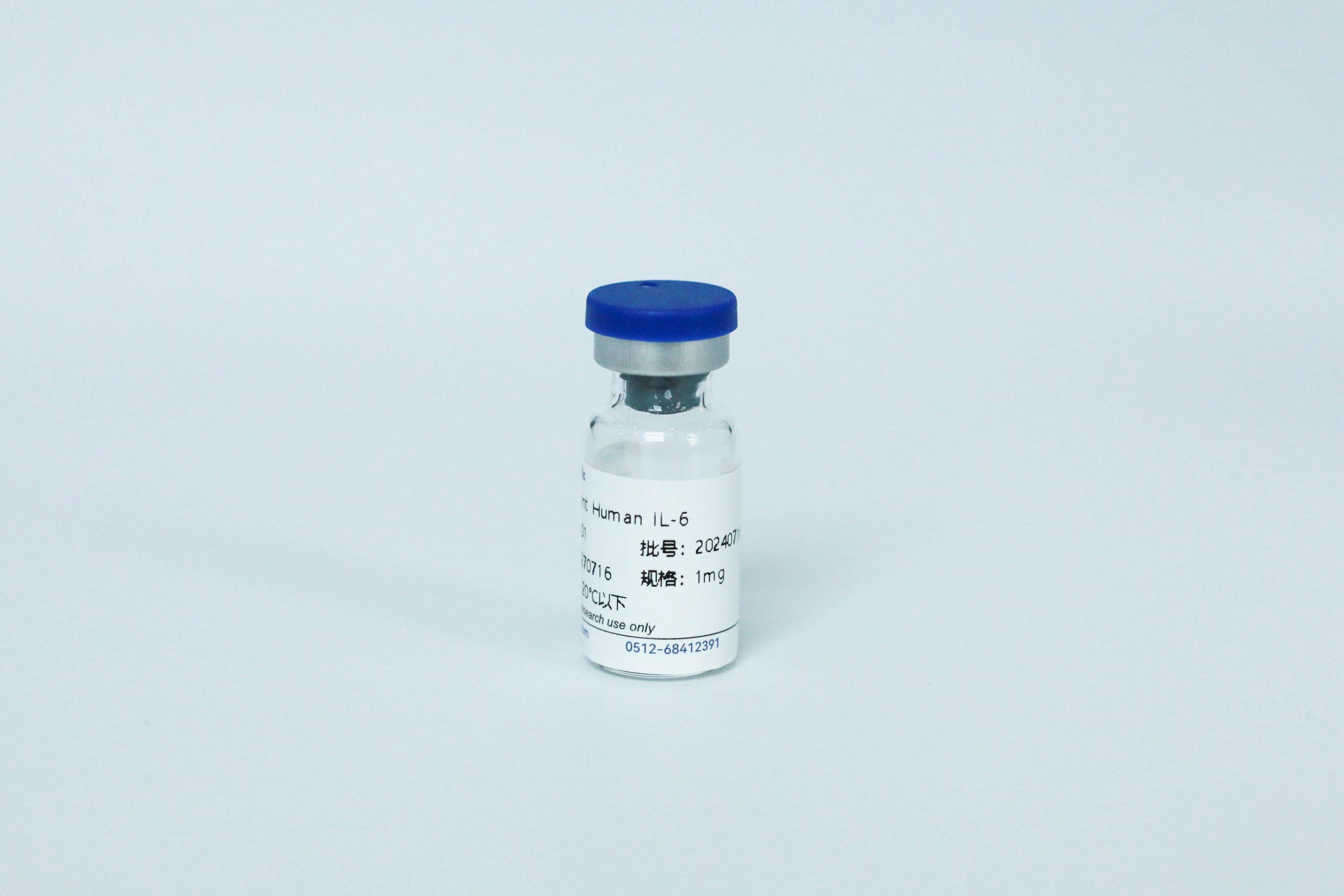
CAR T-cell therapy manufacturing increasingly incorporates Recombinant Human IL-7 into expansion protocols. The cytokine helps maintain T-cell fitness during the extensive culture periods required to generate therapeutic cell products. Autoimmune disease research presents a more complex picture, where IL-7’s immune-enhancing properties must be carefully balanced against the risk of exacerbating pathogenic immune responses.
Clinical Applications for Immune Reconstitution
Patients with lymphopenia—whether from chemotherapy, bone marrow transplantation, or disease processes—represent a primary target population for Recombinant Human IL-7 therapy. The goal is accelerating T-cell recovery to reduce infection risk and restore immune competence.
HIV therapy trials have shown that Recombinant Human IL-7 can increase CD4+ T-cell counts in patients whose numbers remain low despite viral suppression. Post-transplant immune reconstitution studies demonstrate faster T-cell recovery when IL-7 is administered. These clinical observations validate the biological rationale and suggest that Recombinant Human IL-7 can meaningfully impact patient outcomes in immune deficiency states.
Quality Standards That Define Reliable Recombinant Human IL-7
Research outcomes depend heavily on the quality of the Recombinant Human IL-7 being used. Impurities can introduce variability that obscures real biological effects. Low bioactivity forces researchers to use higher concentrations, increasing costs and potentially causing artifacts.
Our Recombinant Human IL-7 is expressed in CHO cells and purified to ≥95% purity. The ED₅₀ in NALM-6 human pre-B cell proliferation assays is ≤30 ng/mL, confirming robust biological activity. Endotoxin levels are maintained at ≤10 EU/mg to prevent inflammatory interference in sensitive assays. These specifications reflect GMP production standards applied throughout manufacturing.
Each batch undergoes bioactivity testing, purity assessment, and endotoxin quantification before release. Stability studies confirm that the protein maintains its activity over the stated shelf life. This level of quality control ensures that researchers can trust their results and that clinical applications receive consistent material.
Why Purity and Bioactivity Determine Experimental Success
Contaminating proteins or aggregates in Recombinant Human IL-7 preparations can trigger off-target effects that confound interpretation. Cell culture experiments are particularly sensitive—impurities may affect cell viability or differentiation through mechanisms unrelated to IL-7 signaling.
Bioactivity matters because it determines how much protein is needed to achieve desired effects. A preparation with low specific activity requires higher doses, which increases the concentration of any residual impurities. High-quality Recombinant Human IL-7 with verified bioactivity allows researchers to work at physiologically relevant concentrations while minimizing confounding variables.
Manufacturing and Analytical Characterization of Recombinant Human IL-7
Production of Recombinant Human IL-7 begins with CHO cell expression, chosen for its ability to produce properly folded mammalian proteins with appropriate post-translational modifications. Bioreactor cultivation under controlled conditions yields consistent protein expression across batches.
Purification employs multiple chromatography steps to remove host cell proteins, DNA, and other contaminants. The final product has a molecular weight of 17.3 kDa, confirmed by mass spectrometry analysis. SDS-PAGE demonstrates purity and correct molecular weight, while HPLC characterization verifies homogeneity.
Functional testing uses NALM-6 cell proliferation assays to confirm that the purified Recombinant Human IL-7 retains biological activity. ELISA methods enable precise quantification for both production monitoring and research applications. This comprehensive characterization supports cell therapy manufacturing and other applications requiring well-defined protein reagents.
Emerging Research Directions for Recombinant Human IL-7
Clinical trials continue to explore Recombinant Human IL-7 across multiple indications. Cancer immunotherapy combinations, infectious disease treatment, and post-transplant support all have active development programs. Preclinical studies are investigating modified IL-7 variants with altered pharmacokinetics or receptor binding properties.
Personalized medicine approaches may eventually match IL-7 therapy to individual immune profiles. Patients with specific types of T-cell deficiency might benefit most from IL-7 administration, while others might require different interventions. Diagnostic applications are also emerging, with IL-7 and IL-7 receptor measurements providing information about immune status.
Synthetic biology techniques could generate novel Recombinant Human IL-7 variants with enhanced stability or tissue-specific activity. These next-generation biologics might offer improved therapeutic windows or reduced dosing requirements compared to native IL-7 sequences.
Selecting a Supplier for Research-Grade and Clinical-Grade Recombinant Human IL-7
Supplier selection significantly impacts research reproducibility and clinical program success. Key considerations include documented quality control processes, comprehensive certificates of analysis, and regulatory compliance for intended applications.
Biopharmaceutical grade Recombinant Human IL-7 requires more stringent manufacturing controls than research-grade material. GMP production ensures traceability, validated processes, and documentation suitable for regulatory submissions. Custom protein services can address specific project requirements, such as particular formulations or packaging configurations.
Technical support availability matters when troubleshooting applications or optimizing protocols. A supplier with deep expertise in recombinant protein production can help resolve issues that arise during method development or scale-up.
Finding GMP-Grade Recombinant Human IL-7 for Clinical Applications
Clinical and late-stage research applications require Recombinant Human IL-7 manufactured under GMP conditions. The certificate of analysis should document purity, bioactivity, endotoxin levels, and other release specifications. Regulatory compliance documentation supports IND filings and other submissions.
East-Mab Bio provides Recombinant Human IL-7 meeting these requirements: CHO expression, 17.3 kDa molecular weight, ≥95% purity, ≤10 EU/mg endotoxin, and ED₅₀ ≤30 ng/mL. Our team can assist with product specifications and provide documentation needed for regulatory purposes.
Frequently Asked Questions About Recombinant Human IL-7
What is the primary biological function of Recombinant Human IL-7 in the immune system?
Recombinant Human IL-7 supports the development, survival, and proliferation of T-cells and B-cells throughout their lifespan. The cytokine maintains T-cell homeostasis by providing survival signals to naive and memory T-cell populations. In therapeutic contexts, this function translates to immune reconstitution potential for patients with lymphopenia or other T-cell deficiencies.
How does East-Mab ensure the high quality and bioactivity of its Recombinant Human IL-7 products?
Manufacturing follows GMP standards with multiple quality checkpoints. Purification achieves ≥95% purity, confirmed by SDS-PAGE and HPLC. Bioactivity testing in NALM-6 proliferation assays verifies ED₅₀ ≤30 ng/mL. Endotoxin testing confirms ≤10 EU/mg. Lot-to-lot consistency is maintained through standardized production processes and comprehensive release testing.
Can Recombinant Human IL-7 be used in cell culture media for cell therapy applications?
Recombinant Human IL-7 is routinely added to cell culture media for T-cell expansion and maintenance. CAR T-cell manufacturing protocols often include IL-7 to support T-cell fitness during extended culture periods. The cytokine helps preserve T-cell phenotypes that correlate with therapeutic efficacy, making it valuable for cell therapy production.
What are the potential therapeutic applications of Recombinant Human IL-7 currently being explored?
Active clinical development includes cancer immunotherapy combinations to enhance anti-tumor T-cell responses, HIV treatment to restore CD4+ T-cell counts, and post-chemotherapy or transplantation immune reconstitution. Research continues into autoimmune disease applications, vaccine adjuvant uses, and combination approaches with other immunomodulatory agents.
Partner with East-Mab for Your Recombinant Protein Needs
Jiangsu East-Mab Biomedical Technology Co., Ltd. provides recombinant protein raw materials for life science research and therapeutic development. Our Recombinant Human IL-7 and related products meet the quality standards required for both research and clinical applications. Contact us at +86-400-998-0106 or [email protected] to discuss your project requirements or request product specifications.