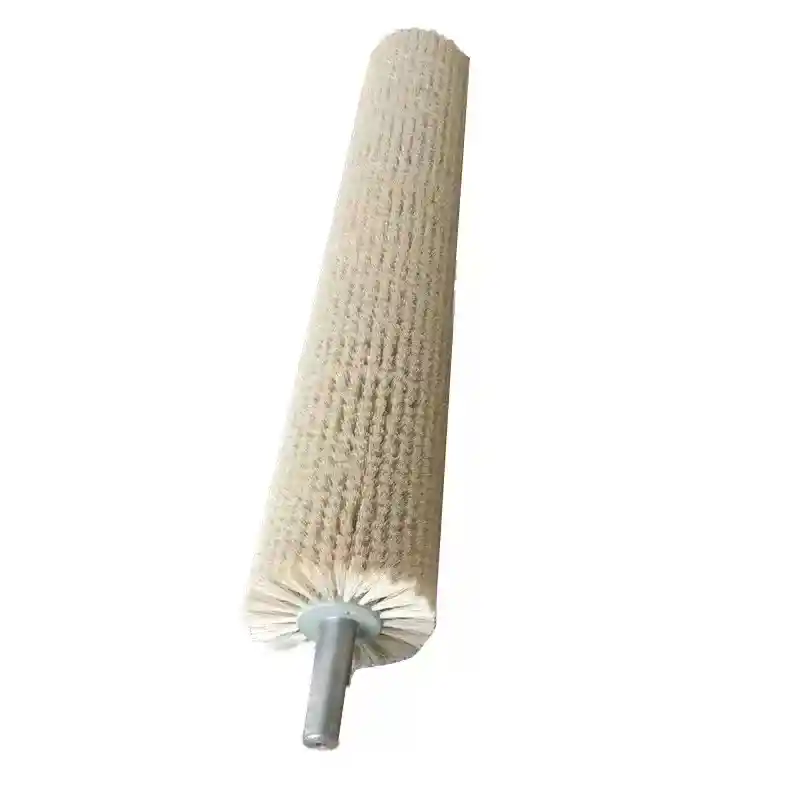

Keeping a flue pipe clean sounds simple enough until you realize how quickly things can go wrong when it’s neglected. I’ve seen stoves that ran beautifully for years suddenly struggle because nobody thought to check what was building up inside the pipe. Creosote accumulates faster than most people expect, and once it hardens, removing it becomes a real project. The right flue pipe brush makes this maintenance straightforward rather than frustrating, and choosing the correct one matters more than many stove owners realize.
Why Bristle Material Determines Cleaning Success
Selecting the correct flue pipe brush starts with understanding what your flue is made of and what’s coating its interior. Nylon, steel wire, and polypropylene bristles each serve different purposes, and using the wrong type creates problems.
Nylon bristles work well for stainless steel flue liners. The softer material removes soot and light creosote deposits without scratching the liner’s protective surface. Stainless steel liners rely on that smooth interior to resist corrosion and maintain proper draft, so aggressive scrubbing defeats their purpose.
Steel wire flue brushes handle tougher jobs. Masonry chimneys and clay tile liners can develop hardened creosote that nylon simply cannot dislodge. The stiffer wire bristles cut through these deposits effectively. However, running a steel wire brush through a stainless steel liner risks permanent damage to the surface.
Polypropylene bristles occupy the gentlest end of the spectrum. These work for light soot removal and general maintenance cleaning where deposits haven’t had time to harden.
| Bristle Material | Flue Type | Cleaning Aggressiveness | Risk of Damage |
|---|---|---|---|
| Nylon | Stainless Steel, Factory-Built | Moderate | Low |
| Steel Wire | Masonry, Clay Tile | High | High (on liners) |
| Polypropylene | General Purpose, Light Soot | Low | Very Low |
A flexible flue brush becomes necessary when pellet stove vent pipes include bends. Rigid brushes cannot navigate these turns without forcing, which risks damaging connections or getting the brush stuck. Rotary chimney cleaning kits pair well with flexible brushes for thorough cleaning of complex flue configurations.
Getting the Size and Shape Right
Brush material only matters if the brush actually contacts the flue walls properly. An undersized brush passes through without scrubbing effectively, leaving deposits that continue accumulating. An oversized brush jams, potentially damaging the flue or breaking the brush itself.
Measure the flue pipe diameter before purchasing. Round flue brushes fit round pipes, which covers most modern installations. Older masonry chimneys sometimes have square or rectangular flue openings that require matching brush shapes.
Extension rods connect to the brush head and allow reaching the full length of the flue. Most residential flue pipes extend several meters, and attempting to clean them with a short-handled brush means leaving the upper sections untouched. Those upper sections often accumulate the most creosote because rising gases cool as they travel upward, depositing residue along the way.
Step-by-Step Cleaning for Wood and Pellet Stoves
The cleaning process differs somewhat between wood stoves and pellet stoves, though both require attention to safety and thoroughness.
For wood stoves, wait until the stove has cooled completely. Residual heat creates burn risks and can cause creosote to soften and smear rather than flake off cleanly.
- Seal the stove opening with plastic sheeting or a drop cloth to contain soot and debris.
- Disconnect flue pipe sections carefully, noting how they fit together for reassembly.
- Insert a suitably sized wire pipe brush or chimney cleaning brush attached to extension rods.
- Scrub the interior surfaces working from top to bottom, allowing debris to fall downward.
- Continue until the brush moves freely without resistance from deposits.
Pellet stoves require a different approach because their exhaust systems include more components and tighter bends.
- Disassemble the exhaust vent system according to the manufacturer’s instructions.
- Use a flexible brush designed for pellet stove vent pipe cleaning to navigate curves.
- Clean exhaust vents and any horizontal runs where ash tends to settle.
- Remove and clean the auger mechanism and combustion chamber.
- Reassemble all components, ensuring connections seal properly.
Wear gloves, eye protection, and a respirator during cleaning. Creosote particles irritate skin and lungs, and soot gets everywhere despite precautions.
The Real Risks of Skipping Flue Maintenance
Chimney fires remain the most serious consequence of neglected flue cleaning. Creosote ignites at relatively low temperatures once it reaches sufficient thickness, and once burning, it generates intense heat that can crack flue tiles, warp metal liners, and spread fire to surrounding structures. Some chimney fires burn undetected initially, causing hidden damage that compromises the entire system.
Blocked flue pipes force combustion gases back into living spaces. Carbon monoxide has no odor or color, making it impossible to detect without proper monitors. Even partial blockages reduce draft enough to cause smoke spillage and incomplete combustion.
Efficiency drops noticeably as deposits accumulate. Creosote acts as insulation, preventing heat transfer through the flue walls. Restricted airflow means the fire burns less cleanly, producing more smoke and less heat per unit of fuel consumed.
Building a Maintenance Schedule That Actually Works
Consistency matters more than perfection with flue maintenance. A realistic schedule prevents the kind of severe buildup that requires professional intervention.
Wood stove owners should inspect the flue pipe monthly during periods of heavy use. Visual inspection through the cleanout or by shining a light up from the stove opening reveals whether deposits are accumulating faster than expected. Clean the flue at least once per heating season, or after burning approximately two cords of wood.
Pellet stove cleaning schedules run more frequently because pellet ash accumulates steadily. Plan on cleaning the pellet stove exhaust system every 800-1000 kg of pellets burned. Some stoves with smaller exhaust diameters or horizontal runs need attention more often.
Annual professional chimney inspection catches issues that visual checks miss. Professionals assess liner condition, check for cracks or gaps in masonry, and verify that all components meet current safety standards. This inspection often reveals problems before they become emergencies.
Pellet Stove Flue Cleaning Frequency
Pellet stove flue pipes need cleaning every 800-1000 kg of pellets burned, or at minimum once per heating season. Reduced draft, excessive ash visible in the burn pot, or declining heat output all signal that cleaning is overdue. The exhaust system on pellet stoves includes components that wood stoves lack, so following the manufacturer’s maintenance guidelines ensures nothing gets overlooked.
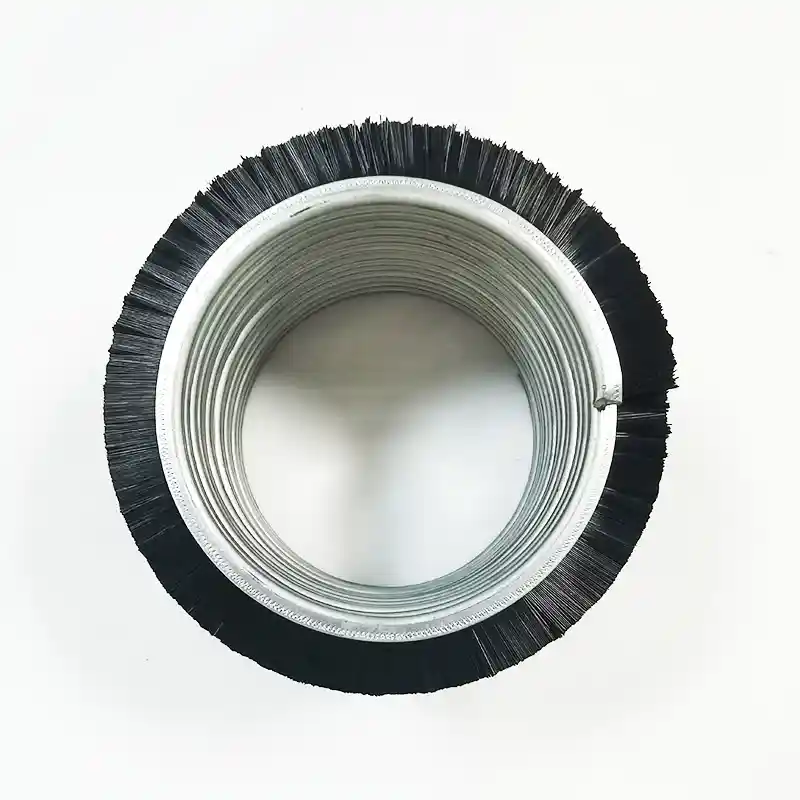
How Brush Quality Affects Long-Term Results
Cheap brushes seem economical until they fail mid-cleaning or leave deposits behind that a quality brush would have removed. Bristles that shed or flatten after a few uses mean replacing the brush frequently and never achieving thorough cleaning.
Durable flue brushes maintain their shape and stiffness through repeated use. The bristles stay firmly attached to the core, and the connection to extension rods remains secure even when working against stubborn deposits. Quality construction also means the brush flexes appropriately for navigating bends without kinking or breaking.
Effective soot removal depends on consistent bristle contact with flue walls. Brushes that lose their shape create gaps where deposits remain untouched, and those deposits become the foundation for future accumulation.
Matching the Brush to Your Specific Flue
The best brush for a wood stove flue pipe depends on both the flue material and the type of creosote present. Stainless steel liners pair with stiff nylon flue brushes that clean without scratching. Masonry chimneys with hardened, glazed creosote need steel wire flue brushes capable of cutting through the deposits. Flexible rod brushes handle flue configurations that include bends or offsets. Always match the brush diameter and shape to the actual flue dimensions for complete cleaning coverage.
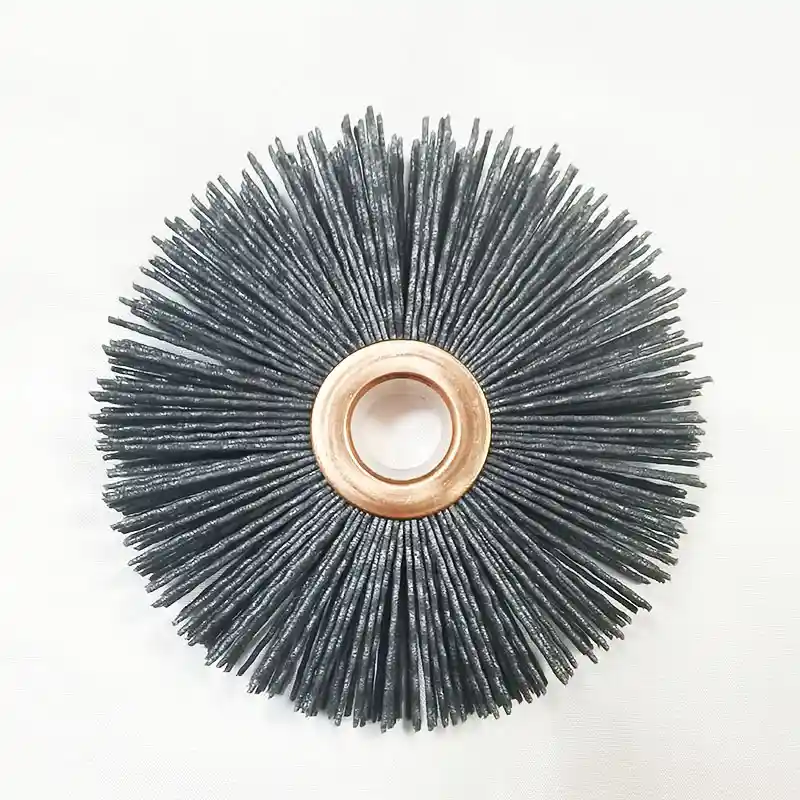
Working with Huixi Brush for Reliable Cleaning Tools
Safe and efficient stove operation starts with proper maintenance tools. Shanghai Huixi Trading Co., Ltd. manufactures high-quality, customized brushes for industrial and cleaning applications, including specialized flue pipe brushes designed for demanding use. With 16 years of production experience and global service capabilities, finding the right brush for specific flue configurations becomes straightforward. Professional technical support, OEM/ODM services, and competitive pricing make it practical to equip maintenance programs with reliable tools.
Email: [email protected]
Phone: +86 1580 0932 713
Frequently Asked Questions About Flue Pipe Cleaning
How often should I clean my wood stove flue pipe?
Usage patterns determine the answer. During heavy heating seasons, inspect the flue monthly and clean it at least once per season or after burning approximately two cords of wood. Burning unseasoned wood accelerates creosote formation significantly, so stoves using less-than-ideal fuel need more frequent attention. Visible creosote buildup or reduced draft indicates cleaning is overdue regardless of the schedule.
Can I use the same brush for both wood and pellet stove flue pipes?
Using a single brush for both stove types usually creates problems. Pellet stove flues typically have smaller diameters and include bends that require flexible pellet stove brushes designed for those configurations. Wood stove flues accumulate harder creosote that sometimes demands stiffer wire brushes. The wrong brush either fails to clean effectively or risks damaging the flue liner.
What are the signs that my flue pipe needs cleaning?
Watch for reduced heat output despite normal fuel consumption, difficulty getting fires started, smoke entering the room instead of going up the flue, or a strong creosote smell during operation. Visible deposits when inspecting the flue confirm the need for cleaning. A roaring sound from the chimney during operation may indicate a creosote fire in progress, which requires immediate action.