

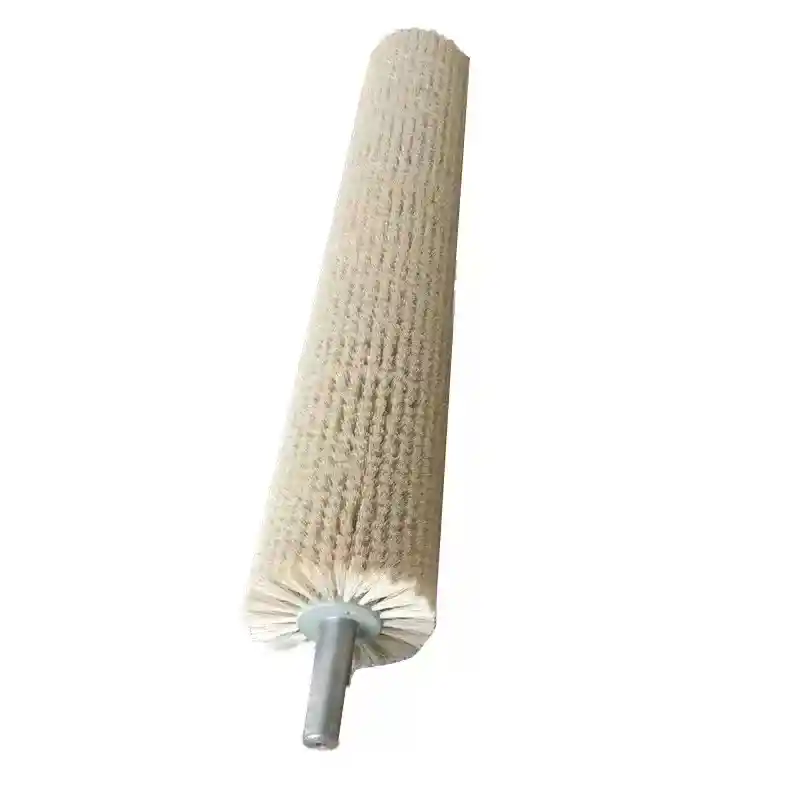
A properly sized chimney brush makes the difference between a genuinely clean flue and one that just looks passable. After working with various cleaning setups over the years, the 6-inch round wire chimney brush has proven itself as the workhorse for standard residential flues. It reaches where it needs to, removes what needs removing, and does so without the guesswork that comes with improvised solutions.
Why Chimney Cleaning Matters More Than Most Homeowners Realize
Creosote builds up quietly. Every fire leaves behind a thin layer of this tar-like residue, and over a season of regular use, those layers compound into something genuinely dangerous. The substance is highly flammable, and when enough accumulates, a stray spark can ignite it. Industry figures put annual US chimney fires at over 25,000, and the frustrating part is that most of these incidents could have been prevented with consistent maintenance.
A 6-inch round wire chimney brush works by mechanically scraping creosote and soot from flue walls. This physical removal restores proper airflow, which matters for two reasons. First, good draft means your fire burns more efficiently, extracting more heat from the same amount of wood. Second, adequate ventilation prevents combustion gases from backing up into living spaces. Carbon monoxide has no smell and no color, so the only real defense is ensuring it has a clear path out.
!alt text
## Matching Brush Materials to Your Flue Type
Not all chimney brushes belong in all chimneys. The material choice depends entirely on what your flue is made of, and getting this wrong can cause real damage.
Steel wire brushes deliver aggressive cleaning power. They excel at removing stubborn, glazed creosote from traditional masonry flues, where the brick and mortar can handle the abrasion. For heavily soiled chimneys that have gone too long between cleanings, steel bristles provide the mechanical force needed to break through hardened deposits.
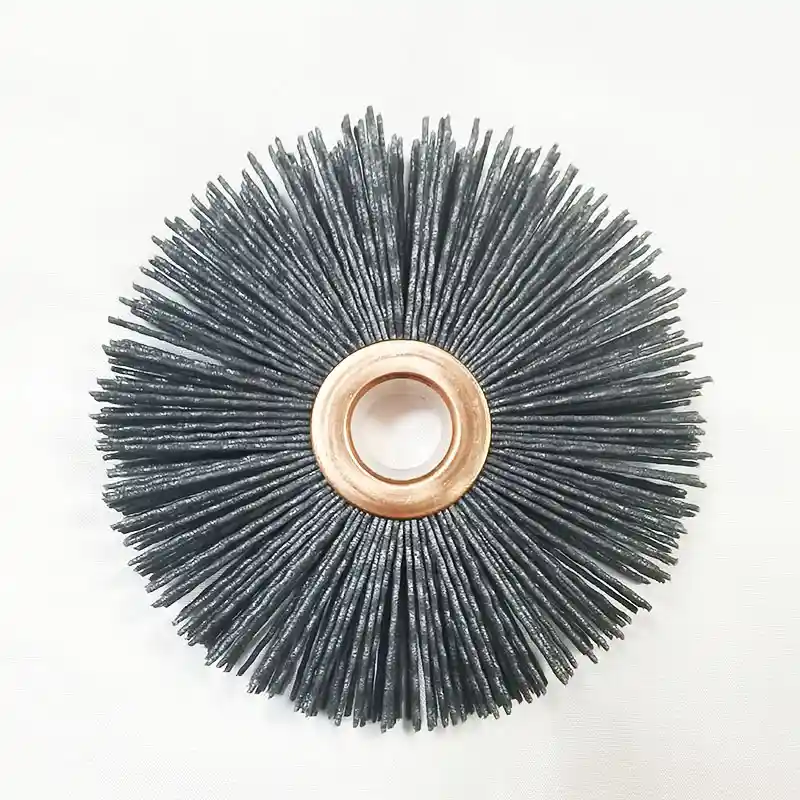
Polypropylene and nylon brushes take a gentler approach. Metal chimney liners, particularly stainless steel inserts, scratch easily. Those scratches create rough spots where creosote accumulates faster, defeating the purpose of cleaning in the first place. Poly brushes remove soot effectively while preserving the smooth liner surface.
The attachment mechanism also deserves attention. Most 6-inch round wire chimney brushes connect to flexible rods that extend down or up through the flue. A secure, threaded connection prevents the brush from separating mid-stroke, which would leave you fishing equipment out of your chimney instead of cleaning it.
What is the best way to clean a 6-inch chimney flue?
The process works best when approached systematically rather than rushed.
- Seal the fireplace opening with plastic sheeting and tape. Soot goes everywhere otherwise.
- Attach the 6-inch round wire brush to your first flexible rod section.
- Insert the brush from either the top or bottom, depending on roof access and personal preference.
- Use steady up-and-down strokes, applying moderate pressure. Aggressive scrubbing rarely helps and can damage older mortar joints.
- Add rod sections as you work deeper into the flue, maintaining consistent stroke patterns.
- After completing the full length, remove the brush assembly and clear fallen debris from the firebox.
- Run an inspection camera through the flue to verify you removed the buildup rather than just redistributing it.
This DIY chimney cleaning approach handles routine maintenance effectively. Heavy glazed creosote or structural concerns warrant professional assessment.
For further insights into specialized brushes, consider exploring our article on 《the differences between knotted wire wheel brush and crimped wire wheel brush》.
Getting the Size Right for Standard Flue Dimensions
A 6-inch round wire chimney brush fits 6-inch diameter flues. This seems obvious, but the sizing tolerance matters more than people expect.
The brush should be slightly larger than the flue opening, typically by about a quarter inch. This ensures the bristles maintain firm contact with the flue walls throughout each stroke. A brush that slides through without resistance leaves creosote behind. One that binds and sticks creates frustration and potential damage.
Measuring your flue before purchasing saves time and money. For round metal liners, measure the inside diameter directly. For clay tile liners, which often have nominal sizing that differs from actual dimensions, measure the opening at the cleanout or use a sizing tool designed for the purpose.
| Brush Material | Recommended Flue Type | Cleaning Power | Liner Safety |
|---|---|---|---|
| Steel Wire | Masonry Flues | High | Moderate |
| Polypropylene | Metal Liners | Medium | High |
| Nylon | Metal Liners | Medium | High |
Regular chimney inspection confirms your flue dimensions remain consistent. Liner damage, mortar deterioration, or previous repairs can alter the internal diameter, potentially requiring a different chimney cleaning brush size than originally specified.
The Supporting Equipment That Makes Cleaning Effective
The brush does the scraping, but effective flue cleaning requires more than bristles alone.
Flexible rods extend your reach through the entire chimney length. Standard residential flues run 15 to 30 feet, requiring multiple rod sections that thread together securely. Fiberglass rods offer flexibility for navigating offsets, while stiffer polypropylene rods provide better push-through force for straight runs.
A dedicated soot vacuum contains the mess. Shop vacuums work in a pinch, but their filters clog quickly with fine particulate. Purpose-built chimney cleaning vacuums use HEPA filtration and larger collection chambers designed for the volume of debris a thorough cleaning produces.
Inspection cameras have become genuinely useful rather than just nice to have. A pre-cleaning inspection identifies problem areas requiring extra attention. Post-cleaning verification confirms the job is actually done rather than assumed complete. Camera systems designed for chimney work handle the tight spaces and dirty conditions better than repurposed plumbing cameras.
!alt text
 ## Keeping Your Wire Brush Working Season After Season
A well-maintained 6-inch round wire chimney brush lasts for years. A neglected one degrades after a few uses.
Creosote hardens when left on bristles. What wipes off easily immediately after cleaning becomes bonite-like within days. Rinse the brush thoroughly with warm water and a mild detergent after each use, working the solution through the bristles to dissolve residue before it sets.
Dry the brush completely before storage. Steel bristles rust when stored damp, and rust weakens the wire at the attachment points where stress concentrates during use. Hang the brush or prop it bristle-side up in a well-ventilated area until fully dry.
Store brushes away from moisture and physical pressure. Crushing bristles during storage bends them permanently, reducing their effectiveness and creating uneven contact with flue walls. A dedicated hook or bracket keeps the brush accessible and protected.
!alt text
 ## Partner with Huixi Brush for Superior Flue Cleaning Solutions
Huixi Brush manufactures 6-inch round wire brushes and comprehensive industrial cleaning solutions backed by 16 years of production experience and global customer feedback. We provide technical support, ODM/OEM services, and competitive pricing for both standard and custom brush configurations. Contact us for a free sample or to discuss your specific chimney cleaning requirements.
Email: [email protected]
Phone: +86 1580 0932 713
How often should a standard chimney be cleaned?
The National Fire Protection Association recommends annual cleaning for chimneys serving wood-burning appliances. This baseline assumes moderate use. Households burning multiple cords per season, or those using unseasoned wood that produces more creosote, may need cleaning twice yearly. A visual inspection at the start of each heating season helps determine actual cleaning needs rather than relying on calendar schedules alone.
Can I use a wire brush on all types of chimney liners?
Steel wire brushes work well for masonry flues but can damage metal liners. Stainless steel inserts scratch easily, and those scratches accelerate future creosote accumulation. Check your liner manufacturer’s specifications before selecting a tube cleaning brush. When in doubt, poly or nylon brushes provide effective cleaning with minimal abrasion risk.
What are the benefits of regular chimney cleaning?
Consistent maintenance with an appropriate 6-inch round wire chimney brush reduces fire risk by removing flammable creosote before it reaches dangerous levels. Clean flues draft properly, improving heating efficiency and reducing fuel consumption. Proper ventilation prevents combustion gases from entering living spaces. The chimney structure itself lasts longer when corrosive deposits are removed regularly rather than allowed to attack mortar and liner materials over time.