IL-23 caught my attention years ago when I first saw how dramatically it influenced chronic inflammatory responses in laboratory models. This heterodimeric cytokine, built from p19 and p40 subunits, sits at the center of autoimmune pathology in ways that make it both a fascinating research subject and a compelling therapeutic target. The recombinant form opens doors for studying disease mechanisms and developing treatments that can genuinely change patient outcomes. What follows covers the biology, production challenges, quality requirements, and practical applications of recombinant human IL-23 across research and clinical contexts.
How IL-23 Drives Autoimmune Disease Progression
IL-23 functions as a master regulator of inflammatory immune responses. Its primary target population consists of T helper 17 cells, where it promotes differentiation, supports proliferation, and extends survival. The signaling cascade runs through JAK2 and STAT3, ultimately activating genes that sustain inflammation and cause tissue injury.
The clinical picture becomes clear when you examine specific diseases. In psoriasis, elevated recombinant human IL-23 levels push overproduction of IL-17 and IL-22, creating the characteristic plaques and skin damage patients experience. Crohn’s disease follows a similar pattern, with IL-23 maintaining pathogenic Th17 responses that drive gut inflammation. These observations explain why blocking the IL-23 pathway has become such an effective treatment strategy.
Research into IL-23 cytokine function continues revealing new aspects of its role in autoimmune disease mechanisms. Each study adds detail to our understanding of how this single cytokine can orchestrate such widespread pathogenic effects across different organ systems.
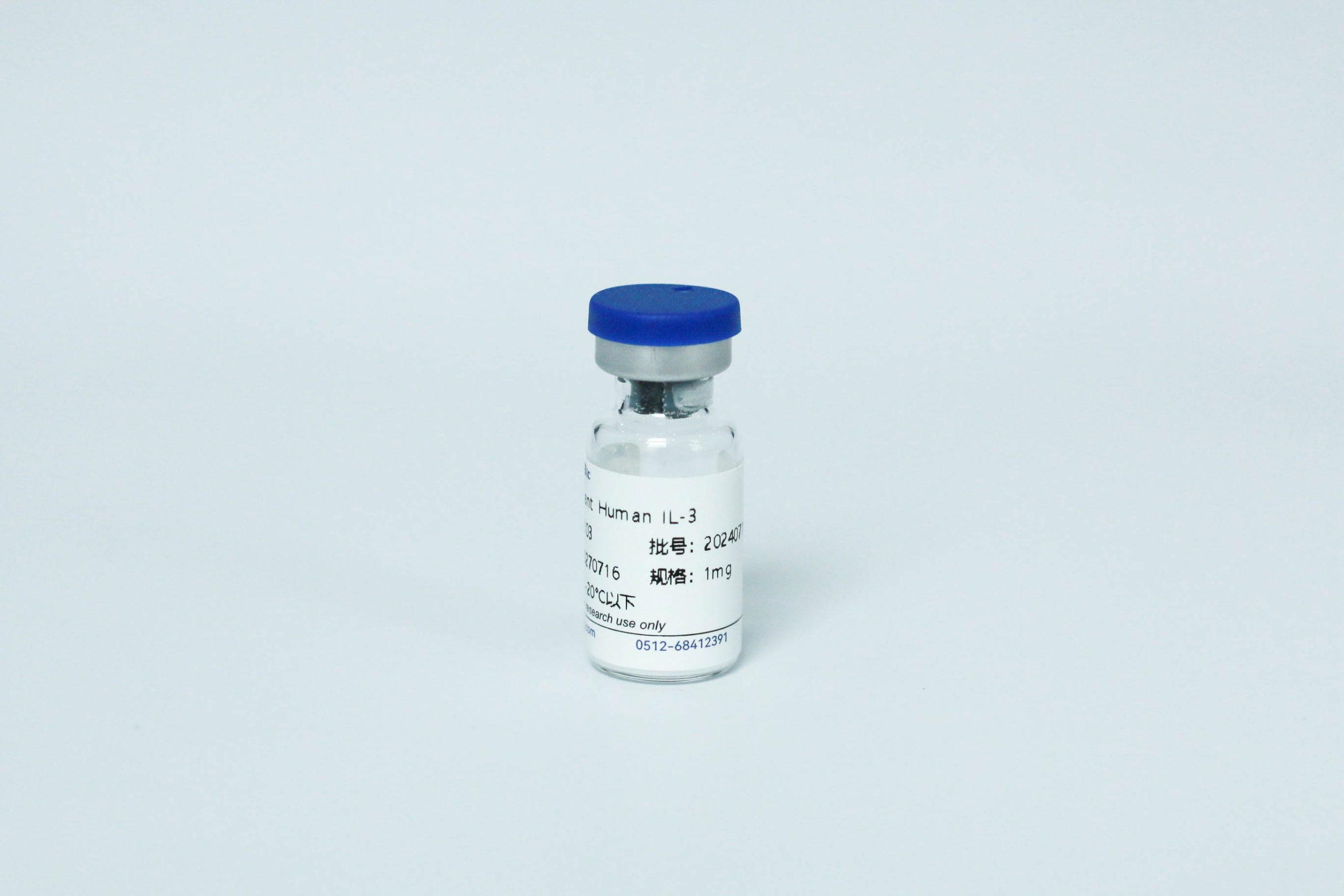
Production Methods That Determine Protein Quality
Manufacturing high-quality recombinant human IL-23 demands careful attention to expression system selection and purification strategy. The choice between platforms involves real tradeoffs that affect the final product’s characteristics.
Mammalian cell expression systems, particularly Chinese Hamster Ovary cells, remain the preferred option for complex human proteins like IL-23. These cells perform post-translational modifications correctly, ensuring proper folding and full bioactivity. The protein emerges in a form that closely matches what human cells naturally produce.
E. coli systems offer compelling yield advantages but introduce complications. Bacterial cells cannot perform the same modifications, often producing protein that requires extensive refolding to achieve functional conformation. The economics favor bacterial expression, but the technical challenges can offset those savings.
At East-Mab Bio, we optimize cell culture conditions and develop efficient chromatography protocols that deliver recombinant human IL-23 meeting stringent purity and bioactivity standards. Reliable experimental outcomes depend on consistent raw materials, and expression system selection directly determines what researchers receive.
How is recombinant human IL-23 produced for therapeutic applications?
Production begins with gene synthesis of both IL-23 subunits, p19 and p40, followed by insertion into expression vectors designed for the chosen host system. Mammalian cells typically receive these vectors for protein expression. Cell culture optimization then focuses on maximizing yields while maintaining correct protein folding. Downstream processing involves multiple chromatography steps that isolate and purify the recombinant human IL-23 to therapeutic-grade specifications. This systematic approach balances scalability with the quality requirements that clinical applications demand.
Quality Standards That Separate Research-Grade from Therapeutic-Grade Product
Comprehensive quality control separates reliable recombinant human IL-23 from material that introduces experimental variability. The testing protocols we implement verify purity, structural integrity, and functional activity through multiple analytical approaches.
| Parameter | Method | Acceptance Criteria |
|---|---|---|
| Purity | SDS-PAGE, HPLC | >95% |
| Endotoxin Level | LAL Assay | <10 EU/mg (research grade), <0.1 EU/mg (therapeutic) |
| Bioactivity | Cell-based assays | ED₅₀ within specified range |
| Identity | Mass Spectrometry | Confirmed protein sequence |
| Stability | Accelerated Stability | >90% activity after 6 months at 4°C |
Bioactivity testing deserves particular attention. Cell-based assays confirm that the protein actually induces the expected biological responses, whether that means Th17 cell differentiation or cytokine production. ELISA for IL-23 provides quantification and binding activity assessment. These functional tests matter because purity alone does not guarantee that a protein will perform in experimental systems.
Protein stability monitoring protects against degradation that could compromise results months after production. Accelerated stability studies predict shelf life and inform storage recommendations.
What are the quality control considerations for recombinant IL-23 in research?
Quality control spans multiple dimensions. Purity analysis through SDS-PAGE and HPLC confirms minimal contamination from host cell proteins or process-related impurities. Endotoxin testing becomes critical for cell culture applications, where even low levels can trigger unwanted immune responses that confound experimental results. Sterility testing ensures freedom from microbial contamination. Protein aggregation monitoring addresses a common degradation pathway that reduces bioactivity and can introduce variability between experiments. These checks collectively ensure that recombinant human IL-23 delivers reproducible performance.
Clinical Success Stories and Emerging Therapeutic Directions
IL-23 inhibitors have fundamentally changed treatment paradigms for several autoimmune conditions. Monoclonal antibodies targeting IL-23, including ustekinumab and risankizumab, demonstrated remarkable efficacy in clinical trials for psoriasis treatment and psoriatic arthritis. Patients who previously cycled through multiple therapies with limited benefit now achieve sustained disease control.
The mechanism explains the clinical results. Blocking the IL-23 pathway interrupts the signaling that maintains chronic inflammation, allowing damaged tissues to heal and preventing new inflammatory episodes. Patient outcomes improve measurably, with many achieving near-complete skin clearance in psoriasis trials.
Research now explores whether IL-23 inhibitors can deliver similar benefits in inflammatory bowel disease treatment, including Crohn’s disease and ulcerative colitis. Early data suggest broader applications for these autoimmune disease therapies may emerge. Development of novel IL-23 targeted therapies with improved specificity and safety profiles continues as an active research priority.
What is the primary role of IL-23 in autoimmune diseases?
IL-23 promotes and sustains chronic inflammation by driving pathogenic Th17 cell differentiation and expansion. These cells produce pro-inflammatory cytokines, particularly IL-17 and IL-22, that cause tissue damage and worsen disease symptoms. Understanding the IL-23 immune response and its contribution to autoimmune disease pathophysiology guides the development of more effective therapeutic strategies that interrupt this inflammatory cascade at its source.
Applications Beyond Direct Therapeutics
Recombinant human IL-23 serves essential functions in IVD diagnostic proteins and specialized cell culture media formulations. These applications extend the cytokine’s utility well beyond direct patient treatment.
In diagnostic contexts, high-quality recombinant human IL-23 functions as a calibrator or control antigen in assays measuring patient IL-23 levels. Disease diagnosis and treatment monitoring depend on accurate measurement, which requires reference materials with consistent bioactivity. Unreliable standards introduce measurement error that can affect clinical decisions.
Cell therapy research and organoid development rely on recombinant human IL-23 as a growth factor supporting specific immune cell populations. Th17 cell differentiation and maintenance require IL-23 stimulation, making it essential for studying immune responses and developing cellular therapies. As a recombinant protein raw material, it provides standardized stimulation for various in vitro models.
The precision and consistency of recombinant human IL-23 bioactivity directly affects reproducibility in cell therapy and regenerative medicine research. Variability in cytokine activity translates to variability in experimental outcomes, making supplier quality a practical concern for any laboratory working in these areas.
Supplier Selection Affects Research Outcomes
The quality, consistency, and technical support your supplier provides directly impacts result integrity. This connection between raw material quality and experimental success makes supplier selection a strategic decision rather than a simple purchasing choice.
At Jiangsu East-Mab Biomedical Technology Co., Ltd., we provide recombinant protein raw materials, including recombinant human IL-23, manufactured to meet demanding research and clinical requirements. Our platform delivers high purity and bioactivity, verified through rigorous quality control protocols.
Reliable raw materials matter throughout the development process, from early-stage research through clinical applications. Our technical services protein production team provides comprehensive support, helping researchers identify products suited to their specific experimental needs. Cost-effective IL-23 production solutions need not compromise quality when manufacturing processes are properly optimized.
Unlock Your Research Potential with East-Mab
As a leading biotechnology company, Jiangsu East-Mab Biomedical Technology Co., Ltd. is committed to advancing global research and development with unparalleled recombinant protein raw materials. Our world-class platform ensures the highest purity and bioactivity for your critical projects, from IVD diagnostics to cell therapy. Contact us today to discuss your specific Recombinant Human IL-23 requirements or explore our comprehensive range of cell culture proteins and technical services. Partner with East-Mab for innovation and quality you can trust. Reach us at +86-400-998-0106 or [email protected].
FAQ
What are the primary therapeutic targets for recombinant human IL-23?
Recombinant human IL-23 targeting focuses on autoimmune and inflammatory diseases where the cytokine drives pathology. Psoriasis, psoriatic arthritis, and inflammatory bowel disease including Crohn’s disease and ulcerative colitis represent the primary indications. The cytokine’s central role in Th17 cell differentiation makes it a logical intervention point for immunomodulation strategies aimed at reducing chronic inflammation.
How does Jiangsu East-Mab ensure the quality and bioactivity of its recombinant IL-23?
We employ a multi-stage quality control process covering purity assessment through SDS-PAGE and HPLC, endotoxin testing, sterility verification, and comprehensive bioactivity assays. Each batch undergoes this complete evaluation before release. Our production standards ensure high consistency and reliability across research and diagnostic applications, giving researchers confidence in their raw materials.
Can recombinant IL-23 be used in cell culture media for advanced research?
Recombinant human IL-23 serves as a critical component in cell culture media formulations designed for immune cell differentiation studies, particularly Th17 cell expansion, and complex organoid model development. The cytokine’s precise and consistent bioactivity supports reproducible experimental outcomes in cell therapy and regenerative medicine research where standardized stimulation conditions are essential.