Recombinant Human DKK-1 sits at a critical junction in cell signaling research. When you work with Wnt pathway studies long enough, you start to appreciate how much hinges on precise antagonist control. DKK-1 does exactly that—it blocks Wnt signaling by intercepting the LRP5/6 co-receptors before Wnt ligands can form functional complexes. This makes recombinant human DKK-1 indispensable for anyone investigating embryonic development, bone metabolism, or the tangled relationship between Wnt dysregulation and disease. The protein’s reliability in experimental settings depends heavily on how it’s produced and validated, which is why sourcing matters as much as the science itself.
How DKK-1 Structure Enables Wnt Pathway Inhibition
DKK-1 operates as an extracellular Wnt antagonist, and its architecture explains why it works so effectively. The protein contains two cysteine-rich domains that drive its biological activity. These CRDs aren’t just structural features—they’re the functional machinery that allows recombinant human DKK-1 to bind LRP5/6, the co-receptors that Wnt ligands need to initiate signaling.
When DKK-1 locks onto LRP5/6, it physically prevents Wnt ligands from assembling with Frizzled receptors. No complex formation means no downstream β-catenin stabilization. The canonical Wnt pathway simply doesn’t fire. This mechanism has real physiological weight. Proper DKK-1 function shapes bone formation and embryonic head development. When DKK-1 biological function goes awry, the consequences show up in bone diseases and certain cancers. The protein’s well-characterized structure makes it amenable to precise recombinant engineering, which is why researchers can rely on it for consistent pathway modulation.
Research Applications Spanning Bone Disease to Cancer Biology
Recombinant human DKK-1 finds its way into remarkably diverse research programs. In bone metabolism DKK-1 research, the protein helps investigators model osteoporosis conditions. Since DKK-1 directly suppresses osteoblast differentiation by blocking Wnt signals, adding recombinant DKK-1 to cell cultures recreates the molecular environment of bone loss. This approach lets researchers test interventions before moving to more complex systems.
Cancer research DKK-1 presents a more complicated picture. The protein doesn’t behave uniformly across tumor types. In some cancers, DKK-1 acts as a tumor suppressor by dampening Wnt-driven proliferation. In others, elevated DKK-1 expression correlates with worse outcomes. Researchers use recombinant human DKK-1 to tease apart these context-dependent effects in specific cell lines and tumor models. The protein also supports regenerative medicine DKK-1 studies, particularly where stem cell differentiation requires precise Wnt pathway control. Understanding how Wnt pathway antagonists function in disease models opens doors to therapeutic applications DKK-1 that weren’t accessible before.
| Application Area | Research Focus | Key Impact |
|---|---|---|
| Bone Disease Research | Osteoporosis, Osteosarcoma | Modulates bone density, inhibits osteoblast differentiation |
| Cancer Studies | Tumor suppression, proliferation, metastasis | Context-dependent inhibition or promotion of tumor growth |
| Regenerative Medicine | Stem cell differentiation, tissue repair | Directs cell fate, influences tissue regeneration processes |
| Developmental Biology | Embryonic patterning | Essential for proper head formation and axis development |
| Wnt Pathway Studies | Canonical and non-canonical Wnt signaling | Precise tool for inhibiting LRP5/6 co-receptor interactions |
Production Methods That Preserve Biological Activity
Getting recombinant human DKK-1 right starts with the expression system. Mammalian cell culture systems handle this protein best because DKK-1 requires proper folding and post-translational modifications to function. Bacterial systems can produce protein quickly, but they often miss the modifications that extracellular proteins like DKK-1 need for biological activity.
After expression, purification determines final quality. Multiple chromatography steps—affinity, ion-exchange, and size-exclusion—remove contaminants while preserving the protein’s native conformation. The goal is purity exceeding 95% as confirmed by SDS-PAGE. But purity alone doesn’t guarantee function. Biological activity assays DKK-1 must verify that the purified protein actually inhibits Wnt signaling. This validation step separates reliable recombinant human proteins production from material that looks pure but doesn’t perform. The same rigor applies across cell culture proteins manufacturing, whether the target is DKK-1, IL-2, or any other signaling molecule.
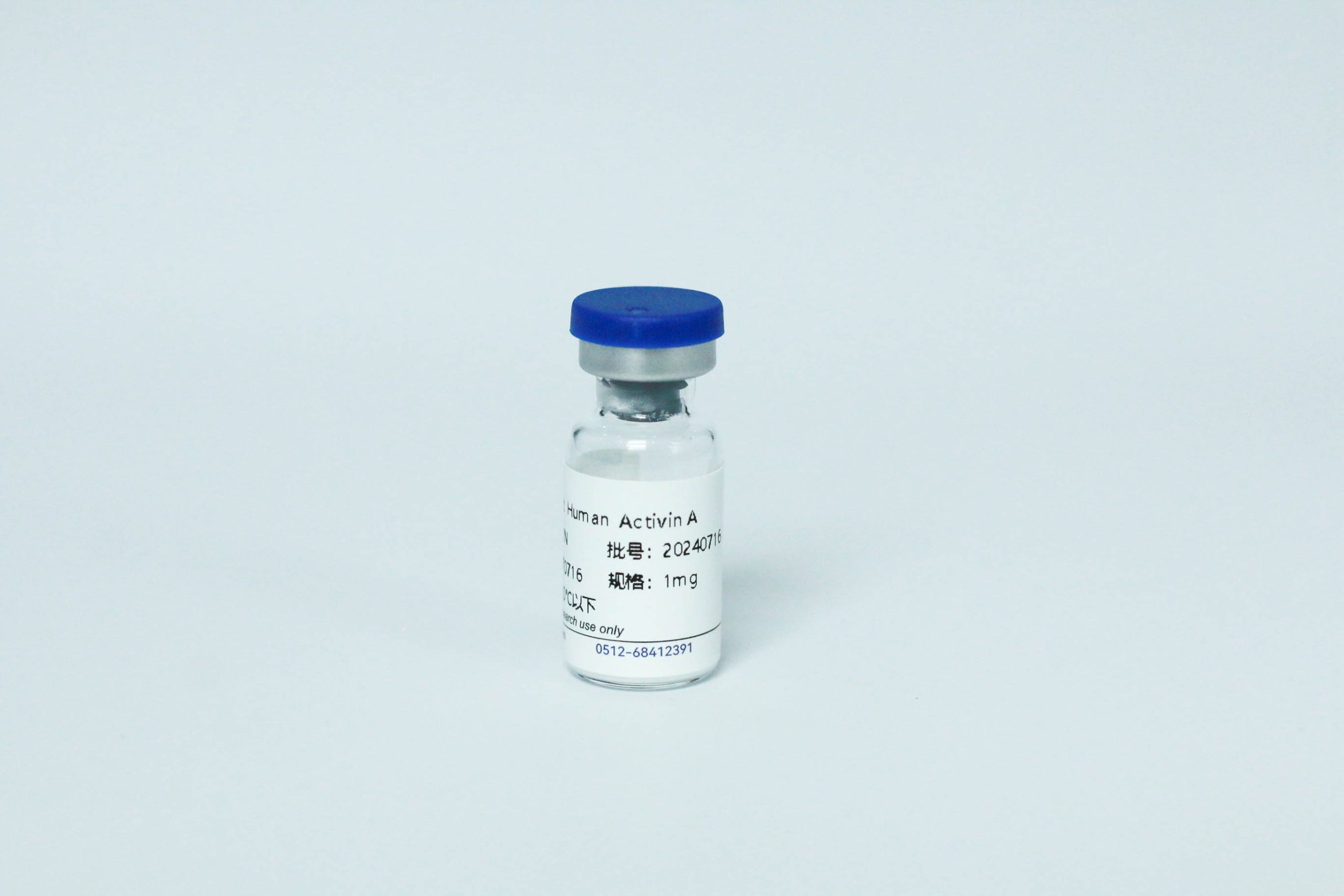
Quality Benchmarks That Matter for Experimental Reproducibility
Recombinant protein purity and biological activity DKK-1 aren’t abstract quality metrics—they directly affect whether experiments yield meaningful results. Each production batch needs comprehensive testing. Bioactivity assays confirm that the protein does what it’s supposed to do at concentrations that make sense for research applications.
Purity assessment through SDS-PAGE and HPLC should consistently show ≥95% purity. Endotoxin testing proteins matters too, with levels maintained at ≤10 EU/mg to prevent non-specific cellular responses that could confound results. This threshold aligns with biopharmaceutical development standards for good reason. Contaminating endotoxins trigger inflammatory pathways that have nothing to do with DKK-1’s actual biology. Functional assays DKK-1 and detailed stability data round out the quality picture. Researchers need to know how long the protein remains active under specified storage conditions. These quality control practices for IVD diagnostic proteins and research-grade materials ensure that recombinant human DKK-1 performs consistently across laboratories and experiments.
Molecular Mechanisms Beyond Simple Receptor Blocking
DKK-1’s interaction with LRP5/6 represents its primary mechanism for Wnt signaling pathway modulation, but the story has additional layers. When DKK-1 binds LRP5/6, it prevents the Wnt-Frizzled-LRP5/6 complex from forming. Without this complex, β-catenin gets degraded instead of stabilized, and Wnt target genes stay silent.
Research has uncovered another dimension to LRP5/6 interaction DKK-1. Kremen proteins can bind DKK-1 and enhance the internalization of LRP5/6 from the cell surface. Kremen DKK-1 binding essentially removes the co-receptor from play, reinforcing Wnt pathway inhibition beyond what receptor blocking alone achieves. While canonical Wnt pathway inhibition remains DKK-1’s primary function, investigators continue exploring whether the protein influences non-canonical Wnt signaling pathways. These molecular details position recombinant human DKK-1 as a sophisticated tool for dissecting Wnt pathway antagonists and their downstream effects.
Translational Opportunities in Bone Disease and Oncology
The therapeutic potential DKK-1 attracts attention precisely because Wnt dysregulation underlies multiple disease states. In osteoporosis drug development, the logic runs in reverse—blocking DKK-1 should release the brake on bone formation. Antibodies targeting DKK-1 have entered clinical development based on this rationale. Patients with bone loss from multiple myeloma represent one population where DKK-1 antagonism shows particular promise.
Cancer therapy Wnt pathway applications take different forms depending on tumor biology. Where Wnt overactivation drives malignancy, DKK-1 mimetics or strategies to boost endogenous DKK-1 could theoretically suppress tumor growth. Fibrosis research DKK-1 represents another emerging area, with investigators examining whether modulating DKK-1 levels might slow fibrotic progression in liver, lung, and kidney. Translational medicine DKK-1 remains an active field with substantial biopharmaceutical innovation potential, though clinical applications will require careful attention to DKK-1’s context-dependent effects.
Partner with East-Mab Biomedical Technology
As a leading provider of high-quality recombinant protein raw materials, Jiangsu East-Mab Biomedical Technology Co., Ltd. is committed to empowering your research. Explore our extensive catalog of cell culture proteins, IVD diagnostic proteins, and enzymes, or contact our expert team at [email protected] or +86-400-998-0106 for custom solutions and technical support tailored to your specific project needs. Partner with us to advance your scientific discoveries.
Frequently Asked Questions About Recombinant Human DKK-1
What is the primary biological function of Recombinant Human DKK-1?
Recombinant human DKK-1 functions as a Wnt signaling pathway inhibitor. The protein binds LRP5/6 co-receptors and prevents Wnt ligands from forming functional signaling complexes. This DKK-1 function blocks downstream β-catenin stabilization and regulates processes including bone formation and embryonic patterning.
How is Recombinant Human DKK-1 utilized in scientific research and therapeutic development?
Researchers employ recombinant human DKK-1 across multiple DKK-1 research applications. These include modeling osteoporosis in bone metabolism studies, investigating context-dependent roles in cancer biology, and exploring Wnt pathway modulation in regenerative medicine. The protein helps elucidate disease mechanisms and supports therapeutic strategy development.
What are the quality considerations for sourcing Recombinant Human DKK-1 for research applications?
Reliable recombinant protein sourcing requires attention to several DKK-1 quality control factors. Protein purity should exceed 95% as verified by SDS-PAGE. Biological activity must be confirmed through functional assays demonstrating actual Wnt pathway inhibition. Endotoxin levels should remain below 10 EU/mg to prevent confounding cellular responses in experiments.