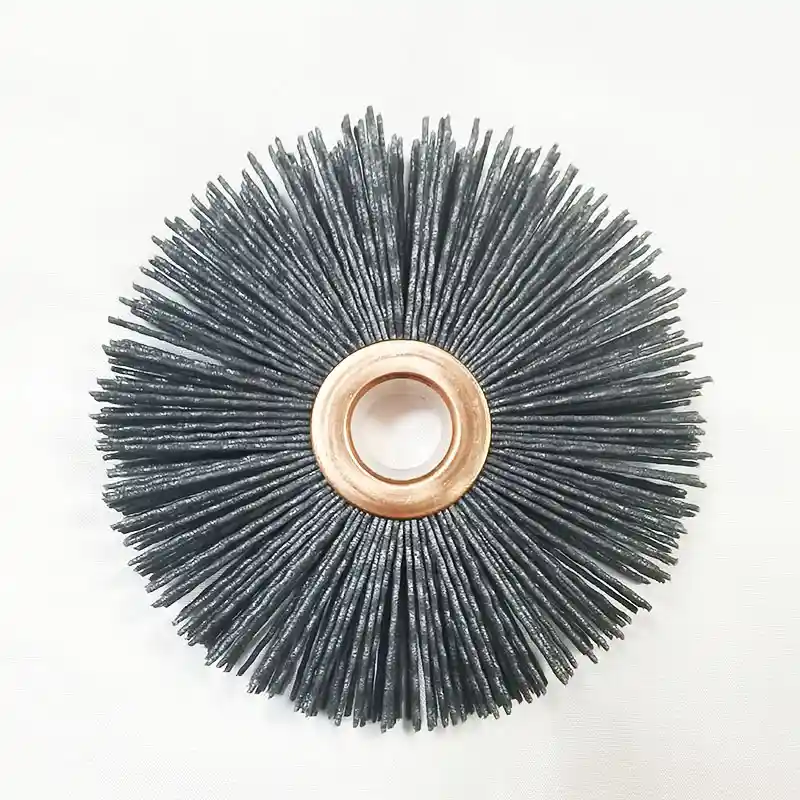

Brass bristle brushes solve a problem that catches many metalworkers off guard: how do you clean or deburr aluminum, copper, or bronze without leaving scratches that ruin the finish? Steel brushes work fast but they’re too aggressive. Nylon sometimes lacks the bite needed for stubborn residues. Brass sits in that middle ground where the bristles are hard enough to remove oxidation and burrs but soft enough that the base metal stays intact. This matters most when surface appearance or dimensional precision can’t be compromised.
Why Brass Works Where Other Materials Fail
Surface preparation on soft metals demands a specific balance. Too much abrasion removes material you need to keep. Too little leaves contaminants behind that interfere with coatings, welding, or assembly. Brass wire brushes hit that balance because the metal itself rates around 3.0 on the Mohs hardness scale, softer than the steel alternatives but firm enough to dislodge light oxidation, dirt, and process residues from aluminum and copper surfaces.
The controlled abrasion matters for what comes next in manufacturing. Paint adhesion improves on properly prepared surfaces. Welding quality depends on clean base metal. Even aesthetic requirements for visible components rely on consistent surface texture. Using brass wire brushes for these applications means the cleaning action stays predictable without the risk of gouging or work hardening that harder brush materials introduce.
| Brush Material | Hardness (Mohs Scale) | Application Suitability | Risk of Damage to Soft Metals |
|---|---|---|---|
| Brass | 3.0 | Cleaning, Light Deburring | Low |
| Stainless Steel | 5.5-6.0 | Heavy Deburring, Rust Removal | High |
| Carbon Steel | 6.0-6.5 | Aggressive Cleaning | Very High |
| Nylon Abrasive | Varies (embedded grit) | Polishing, Light Deburring | Very Low |
For more insights into effective industrial cleaning tools, consider our article on 《wire wheel brush the right assistant for industrial cleaning and polishing》.
Removing Burrs Without Removing Material You Need
Burrs left behind after machining or stamping create real problems. Sharp edges cause assembly issues, create safety hazards during handling, and can lead to part rejection during quality inspection. The challenge with soft metals is that aggressive deburring methods often remove more material than intended or deform the edge geometry.
Brass bristles address this because they flex rather than cut. When a brass filament contacts a burr on aluminum or copper, it applies enough force to break or fold the burr away without digging into the surrounding material. This becomes critical for precision components where dimensional tolerances are tight. A machined aluminum housing that needs burr-free edges but must maintain exact dimensions benefits from this gentler approach.
The specific parameters matter here. Filament diameter affects how much force each bristle applies. Brush speed influences heat generation and material interaction. Getting these variables right for a particular application often requires some testing, but the underlying principle stays consistent: brass removes burrs through controlled mechanical action rather than aggressive abrasion.
What types of soft metals benefit most from brass bristle brushes?
Aluminum in its various grades responds well to brass bristle brushes, particularly when surface finish preservation matters. Copper and brass alloys clean effectively without the discoloration that harder brush materials can cause. Bronze components benefit similarly. Magnesium, which scratches easily and presents fire risks with certain processes, also pairs well with brass brushes.
The specific alloy composition influences optimal brush selection. Highly polished copper or softer aluminum grades may need finer brass filaments to prevent visible marking. Harder aluminum alloys tolerate slightly more aggressive configurations. Testing on scrap material from the same batch usually reveals the right combination before committing to production quantities.
The Safety Factor That Often Gets Overlooked
Brass doesn’t spark. This property matters more than many people realize until they’re working in environments where flammable vapors, combustible dust, or explosive atmospheres exist. Fuel handling facilities, grain processing plants, chemical manufacturing areas, and certain mining operations all require non-sparking tools as a baseline safety requirement.
Beyond the spark issue, brass resists corrosion better than carbon steel alternatives. Brushes last longer in humid environments or when used with water-based cleaning solutions. This durability translates to lower replacement frequency and more consistent performance over the brush’s service life. The material also conducts electricity, which helps dissipate static charges that can build up during brushing operations on certain materials.
Matching Brush Configuration to the Actual Task
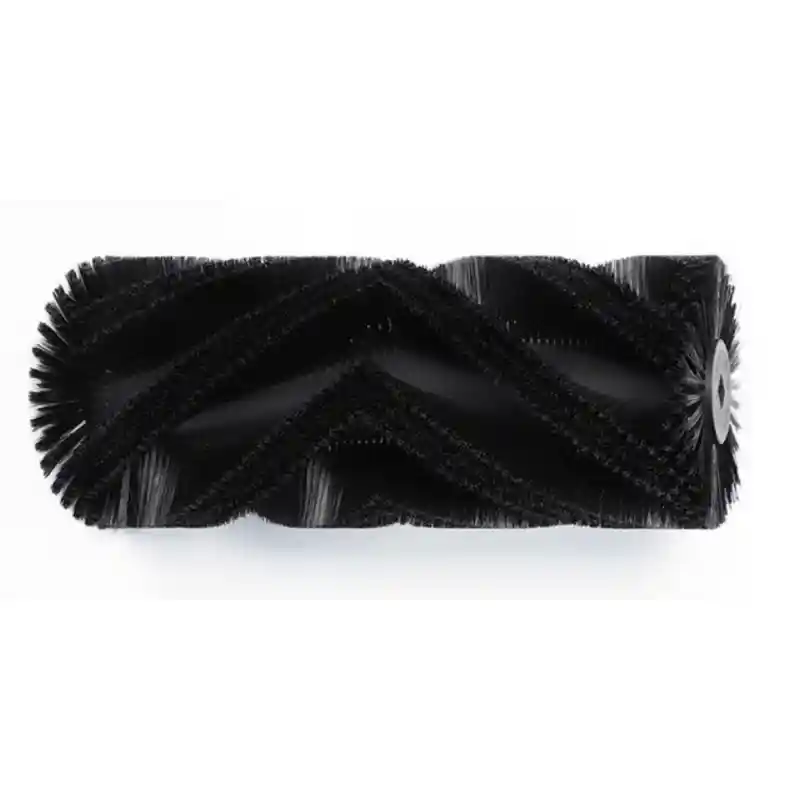
The form a brass brush takes determines where and how it can be used effectively. Wheel brushes mount on bench grinders or angle grinders for general surface cleaning and edge deburring on accessible areas. Cup brushes work well for flat surface preparation. End brushes reach into holes, slots, and internal features where larger brush forms can’t access.
Filament diameter creates different effects. Finer filaments produce smoother finishes and work better on highly polished surfaces. Coarser filaments remove material faster and handle heavier contamination. Filament density, meaning how many bristles pack into a given area, affects both aggressiveness and conformability to irregular surfaces.
Trim length, the distance bristles extend from the brush core, influences flexibility and reach. Longer trim lengths allow bristles to flex more and conform to contours. Shorter trim lengths provide stiffer action for more aggressive cleaning. These variables combine to create brushes suited for specific applications rather than general-purpose tools that compromise on everything.
How do I select the right brass brush for my specific deburring application?
Start by examining the burrs themselves. Feather burrs, those thin, wispy projections left by machining, respond to lighter brush action. Rollover burrs, where material folds over an edge rather than breaking cleanly, need more aggressive treatment. The size and location of burrs also guide selection.
Material sensitivity comes next. Softer alloys or polished surfaces require finer filaments and lower density configurations. Harder alloys or surfaces where minor marking is acceptable tolerate coarser setups. Brush speed recommendations from the manufacturer provide starting points, though optimal speed often requires adjustment based on actual results.
For intricate geometries or internal features, smaller brush forms like end brushes or miniature wheel brushes provide necessary access. Larger flat surfaces clean efficiently with cup brushes or wide wheel brushes. We provide consultation to help match brush configuration to specific application requirements when standard options don’t quite fit.
Getting More Life From Your Brushes
Brass bristle brushes wear out eventually, but maintenance practices significantly affect how long they last and how consistently they perform. Debris accumulation between bristles reduces effectiveness and can transfer contaminants to workpieces. Regular cleaning after use prevents this buildup.
Storage conditions matter more than many users expect. Humidity accelerates corrosion even on brass, and storing brushes where bristles get bent or compressed causes permanent deformation. Hanging brushes or storing them bristle-up in dry conditions preserves their shape and extends useful life.
Inspection catches problems before they affect work quality. Bristles that splay excessively lose their effectiveness and should prompt brush replacement. Worn brushes also run less true, creating vibration and uneven contact that shows up as inconsistent surface finish.
Working With a Supplier Who Understands the Application
Standard catalog brushes work for many applications, but soft metal cleaning and deburring often present specific challenges that benefit from customized solutions. Unusual workpiece geometries, particular surface finish requirements, or integration with automated equipment all create situations where off-the-shelf options fall short.
Shanghai Huixi Trading Co., Ltd. brings 16 years of brush manufacturing experience to these challenges. Custom configurations address specific application requirements rather than forcing compromises with standard products. Technical support helps identify optimal brush parameters before committing to production quantities.
Contact us for consultation or to request samples: +86 1580 0932 713 or [email protected].
Are brass brushes safe for all soft metal alloys?
Generally yes, though testing on an inconspicuous area first makes sense for highly polished surfaces or alloys you haven’t worked with before. Applied pressure and brush speed both influence results. Extremely delicate surfaces may need finer filament configurations than standard brass brushes provide. When uncertainty exists, consultation with brush specialists helps identify the right approach before risking visible workpieces.
What makes Huixi’s brass bristle brushes suited for precision cleaning?
Custom manufacturing allows optimization of filament density, trim length, and brush form for specific precision cleaning requirements. Rather than adapting general-purpose brushes to demanding applications, brushes designed from the start for particular tasks deliver better results. ODM and OEM services accommodate exact specifications when standard configurations don’t match application needs.
Can brass brushes be used for both cleaning and deburring applications?
Brass bristle brushes handle both tasks effectively. The same properties that make them gentle enough for cleaning, their relative softness and controlled abrasion, also make them appropriate for light deburring where material preservation matters. Brush form selection determines suitability for specific tasks. A wheel brush works well for general surface cleaning, while a smaller end brush reaches into tight areas for localized deburring. Matching brush configuration to the task produces the best results for either application.