Recombinant human anti-CD28 monoclonal antibodies have become indispensable in T-cell research and immunotherapy development. Working with these biologics over the years, I’ve seen how their precision in targeting the CD28 receptor opens doors that weren’t available a decade ago. These antibodies give researchers fine control over co-stimulatory signaling, which translates directly into better experimental models and more targeted therapeutic approaches for cancer, autoimmune conditions, and infectious disease.
CD28 Functions as a Gatekeeper for T-Cell Activation
CD28 sits on the T-cell surface and acts as a co-stimulatory receptor that determines whether a T cell mounts a full response or stays quiet. T-cell activation requires two signals working together. The first comes from the T-cell receptor recognizing an antigen presented by MHC molecules on antigen-presenting cells. That signal alone typically pushes T cells into anergy, a functional state where they become unresponsive.
The second signal arrives when CD28 engages its ligands, B7-1 (CD80) and B7-2 (CD86), on antigen-presenting cells. This two-signal requirement exists for good reason. It prevents T cells from activating against self-antigens or in situations where immune response would cause more harm than good.
Once CD28 engages its ligands, a cascade of intracellular events follows. PI3K and Lck get recruited to the signaling complex, which then activates transcription factors including NF-κB, NFAT, and AP-1. These factors drive T-cell proliferation, differentiation, and cytokine production. IL-2 production increases substantially, sustaining the immune response over time. When this pathway gets disrupted, immune suppression or tolerance can result. This makes CD28 a natural target for checkpoint modulation and broader immunomodulation strategies.
Production Methods for Recombinant Human Anti-CD28 Monoclonal Antibodies
Creating recombinant human anti-CD28 monoclonal antibodies requires careful attention to expression systems and purification protocols. Mammalian cell expression remains the standard because these cells handle post-translational modifications correctly. Proper glycosylation patterns matter for biological activity, and bacterial systems simply cannot replicate what mammalian cells accomplish.
The production workflow starts with gene cloning and moves through stable cell line development. Large-scale bioreactor cultivation follows, with conditions optimized for consistent protein expression. Purification typically combines affinity chromatography with ion exchange and size exclusion methods to remove impurities while preserving antibody structure.
Quality control runs throughout the entire process. Each batch undergoes testing for purity, endotoxin levels, aggregation, and binding affinity. This level of scrutiny ensures that researchers receive antibodies with predictable behavior across experiments. For preclinical drug development work, GMP-grade production adds another layer of documentation and process control.
How are recombinant human anti-CD28 mAbs produced and purified for research applications?
Production relies on mammalian cell expression systems that ensure correct glycosylation and protein folding. The process moves from gene cloning through stable cell line establishment to bioreactor cultivation at scale. Purification combines affinity chromatography, ion exchange, and size exclusion techniques. Quality testing confirms purity, activity, and batch consistency, making these antibodies reliable starting materials for immunology research.
Research Applications Span Basic Science to Clinical Development
Recombinant human anti-CD28 monoclonal antibodies serve multiple purposes across the research spectrum. Basic T-cell biology studies use them to dissect activation pathways, proliferation kinetics, and differentiation programs. The ability to provide or block co-stimulation on demand makes these antibodies valuable experimental tools.
Cancer immunotherapy research benefits from anti-CD28 antibodies that enhance T-cell responses against tumors. Providing co-stimulatory signals can overcome the immunosuppressive microenvironment that many cancers create. This approach complements other immunotherapy strategies and helps identify combination treatments.
CAR T-cell therapy development represents another major application area. Incorporating CD28 signaling domains into CAR constructs improves T-cell persistence and function. Anti-CD28 antibodies help researchers optimize these constructs and understand how co-stimulation affects CAR T-cell behavior in different contexts.
Autoimmune disease research takes the opposite approach, using blocking anti-CD28 antibodies to dampen excessive T-cell activation. This strategy aims to restore immune tolerance without broadly suppressing immune function. Cell culture proteins like recombinant human IL-2 and IL-6 often work alongside anti-CD28 antibodies in these experimental systems. 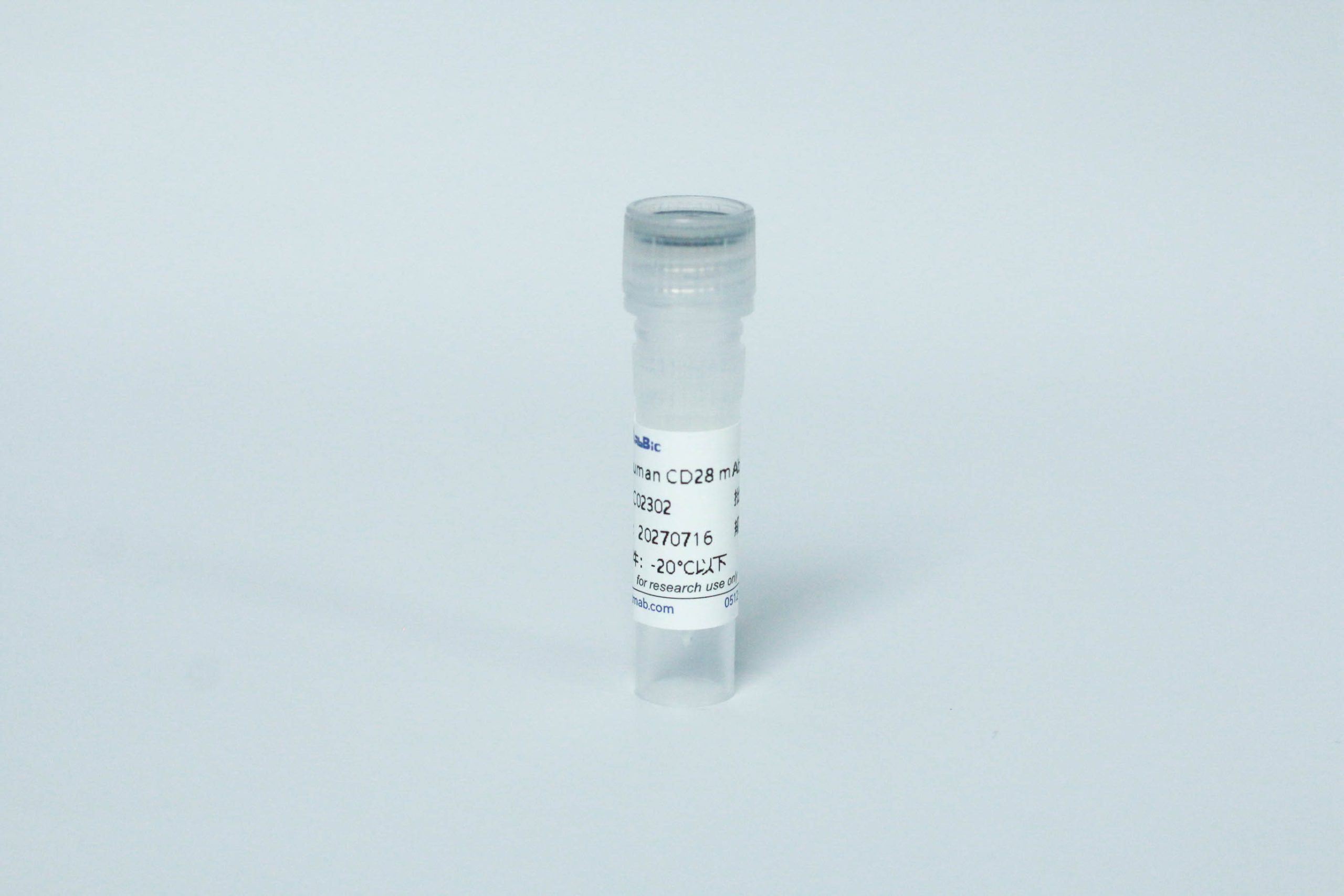
Activating Versus Blocking Antibodies Produce Distinct Outcomes
The mechanism of action for anti-CD28 monoclonal antibodies depends entirely on how they’re designed. Activating antibodies mimic natural B7-1 and B7-2 ligands, delivering the co-stimulatory signal that drives T-cell activation. The result is enhanced proliferation, improved survival, and increased cytokine production. These effects support immune responses against pathogens and cancer cells.
Dosing requires careful calibration with activating antibodies. Excessive T-cell activation can trigger cytokine release syndrome, a potentially serious inflammatory response. Early clinical trials with superagonist anti-CD28 antibodies demonstrated this risk clearly, leading to more cautious development approaches.
Blocking anti-CD28 antibodies work differently. They prevent CD28 from engaging its natural ligands, effectively removing the co-stimulatory signal. T cells that receive only the first signal through their TCR become anergic rather than activated. This mechanism has therapeutic potential in autoimmune conditions where T-cell responses need dampening.
Antibody valency and binding characteristics influence functional outcomes. Bivalent antibodies that crosslink CD28 molecules tend toward activation, while monovalent formats or those with modified Fc regions may produce different effects. Researchers use cellular signaling analysis and immunogenicity testing to characterize these differences and predict in vivo behavior.
What is the role of CD28 in T-cell activation and immune response?
CD28 provides the essential co-stimulatory signal that T cells need for full activation. When CD28 binds B7-1 or B7-2 on antigen-presenting cells, it triggers proliferation, cytokine production, and survival pathways. Without this second signal, T cells receiving only TCR stimulation typically become anergic. This two-signal requirement helps prevent inappropriate immune responses against self-antigens.
Purity Standards Determine Experimental Reliability
Research outcomes depend heavily on reagent quality. Recombinant human anti-CD28 monoclonal antibodies must meet strict purity and activity standards to produce reproducible results. Impurities, aggregates, or endotoxin contamination can confound experiments and lead to misleading conclusions.
Testing protocols address multiple quality attributes. Purity assessments use techniques like SDS-PAGE and SEC-HPLC to detect degradation products and aggregates. Endotoxin testing ensures that bacterial contaminants won’t activate immune cells nonspecifically. Binding affinity measurements confirm that each batch performs consistently.
Functional activity assays provide the most relevant quality information. An antibody might appear pure by analytical methods but fail to activate or block T cells as expected. Bioassays that measure actual T-cell responses catch these functional deficits.
Lot-to-lot consistency matters for long-term research programs. Experiments conducted over months or years need reagents that behave identically across batches. Comprehensive documentation and reference standards help maintain this consistency. Cell culture proteins and IVD diagnostic proteins require the same attention to quality, as do supporting reagents like recombinant human IL-7. 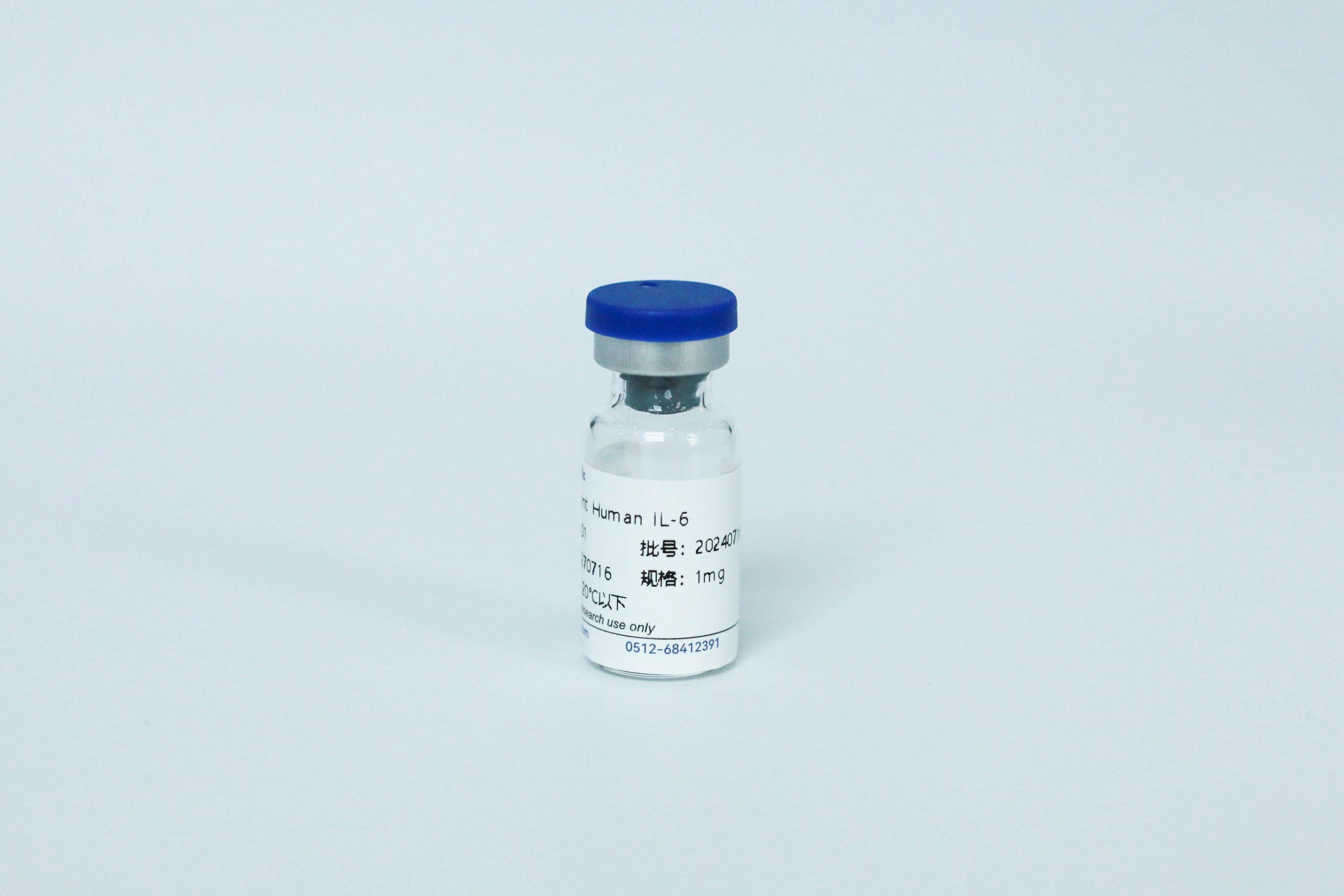
Emerging Strategies Focus on Safety and Specificity
Anti-CD28 antibody development continues advancing toward safer and more effective formats. Next-generation designs incorporate modified Fc regions that reduce the risk of excessive immune activation while preserving therapeutic activity. Bispecific formats that combine CD28 targeting with other specificities offer additional control over which cells receive co-stimulatory signals.
The lessons from early clinical trials with superagonist antibodies shaped current development approaches. Researchers now pay closer attention to dose-response relationships and start clinical testing at much lower doses. Preclinical models have improved to better predict human responses.
Diagnostic applications represent a growing use case for anti-CD28 antibodies. Immune monitoring assays use these reagents to assess T-cell activation status in patients receiving immunotherapy. Flow cytometry panels that include CD28 staining help characterize immune cell populations and track changes during treatment.
Understanding CD28 signaling at the molecular level continues revealing new intervention points. The pathway involves multiple protein-protein interactions and post-translational modifications that could serve as additional targets. This knowledge feeds back into antibody engineering efforts, suggesting new approaches for therapeutic development.
Partner with East-Mab Bio for Your Research Needs
Jiangsu East-Mab Biomedical Technology Co., Ltd. provides high-quality recombinant protein raw materials for immunology, cell therapy, and diagnostic research. Our expertise in recombinant human anti-CD28 monoclonal antibodies and related reagents supports research programs from basic discovery through preclinical development. Contact us at [email protected] or +86-400-998-0106 to discuss your project requirements and explore our product portfolio.
FAQ
What is the role of CD28 in T-cell activation and immune response?
CD28 delivers the co-stimulatory signal that completes T-cell activation. After the T-cell receptor recognizes antigen, CD28 binding to B7-1 or B7-2 triggers proliferation, cytokine production, and survival programs. This two-signal system prevents T cells from responding to antigen alone, which would otherwise lead to anergy. The pathway’s central position in immune regulation makes it a key target for therapeutic intervention.
How are recombinant human anti-CD28 mAbs produced and purified for research applications?
Mammalian cell expression systems produce these antibodies with correct glycosylation patterns. Production involves gene cloning, cell line development, and bioreactor cultivation under controlled conditions. Purification combines affinity chromatography with additional polishing steps. Quality control testing confirms purity, endotoxin levels, binding affinity, and functional activity. This comprehensive approach ensures consistent performance across research applications.
What are the therapeutic implications and research applications of anti-CD28 antibodies in immunology?
Anti-CD28 antibodies enable both activation and suppression of T-cell responses depending on their design. Cancer immunotherapy applications focus on enhancing anti-tumor immunity through co-stimulation. Autoimmune disease research explores blocking approaches to dampen pathogenic T-cell activity. CAR T-cell development incorporates CD28 signaling domains to improve persistence. Basic research uses these antibodies to dissect T-cell biology and identify new therapeutic targets.