Embryonic stem cells (ESCs) still surprise us with how reliably they self-renew and how broadly they can differentiate, which is why they sit at the heart of regenerative medicine. Our work centers on the mechanisms that sustain pluripotency and on turning that biology into therapeutic value. We aim to close the space between foundational biology and clinical translation, keeping high-quality raw materials front and center so outcomes stay consistent and reproducible in this fast-moving field.
Foundational Biology of Embryonic Stem Cell Pluripotency
Embryonic stem cells are defined by their unique property of pluripotency, meaning they can differentiate into any cell type of the three germ layers: ectoderm, mesoderm, and endoderm. This remarkable characteristic is maintained by a complex network of transcription factors, signaling pathways, and epigenetic regulation. Key transcription factors like Oct4, Sox2, and Nanog form a core regulatory circuit, actively suppressing differentiation-promoting genes while activating pluripotency-associated genes. We see mastery of these molecular mechanisms as the foundation for controlling ESC fate.
Signaling pathways, including LIF/STAT3, Wnt/β-catenin, and FGF/ERK, also play pivotal roles in maintaining ESC pluripotency. These pathways interact dynamically with the core transcription factor network, ensuring stable self-renewal. For instance, LIF (Leukemia Inhibitory Factor) is often used in culture to prevent spontaneous differentiation. Epigenetic modifications, such as DNA methylation and histone modifications, further fine-tune gene expression, dictating the accessibility of chromatin to transcription factors. These layers of regulation maintain the precise balance between self-renewal and differentiation, a balance we continually work to control in our research. The integrity of these regulatory processes is paramount for generating functional and safe cell therapies.
Advanced Culture Systems for Embryonic Stem Cell Expansion
The successful application of embryonic stem cells in research and therapy hinges on robust and scalable culture systems. Traditionally, ESCs were cultured on feeder layers, typically mouse embryonic fibroblasts, which provided essential growth factors and extracellular matrix components. However, this approach presented challenges, including potential xenogeneic contamination and variability. Modern advancements have led to the development of feeder-free systems, utilizing defined media supplemented with specific recombinant proteins and growth factors. These innovations significantly enhance consistency and safety.
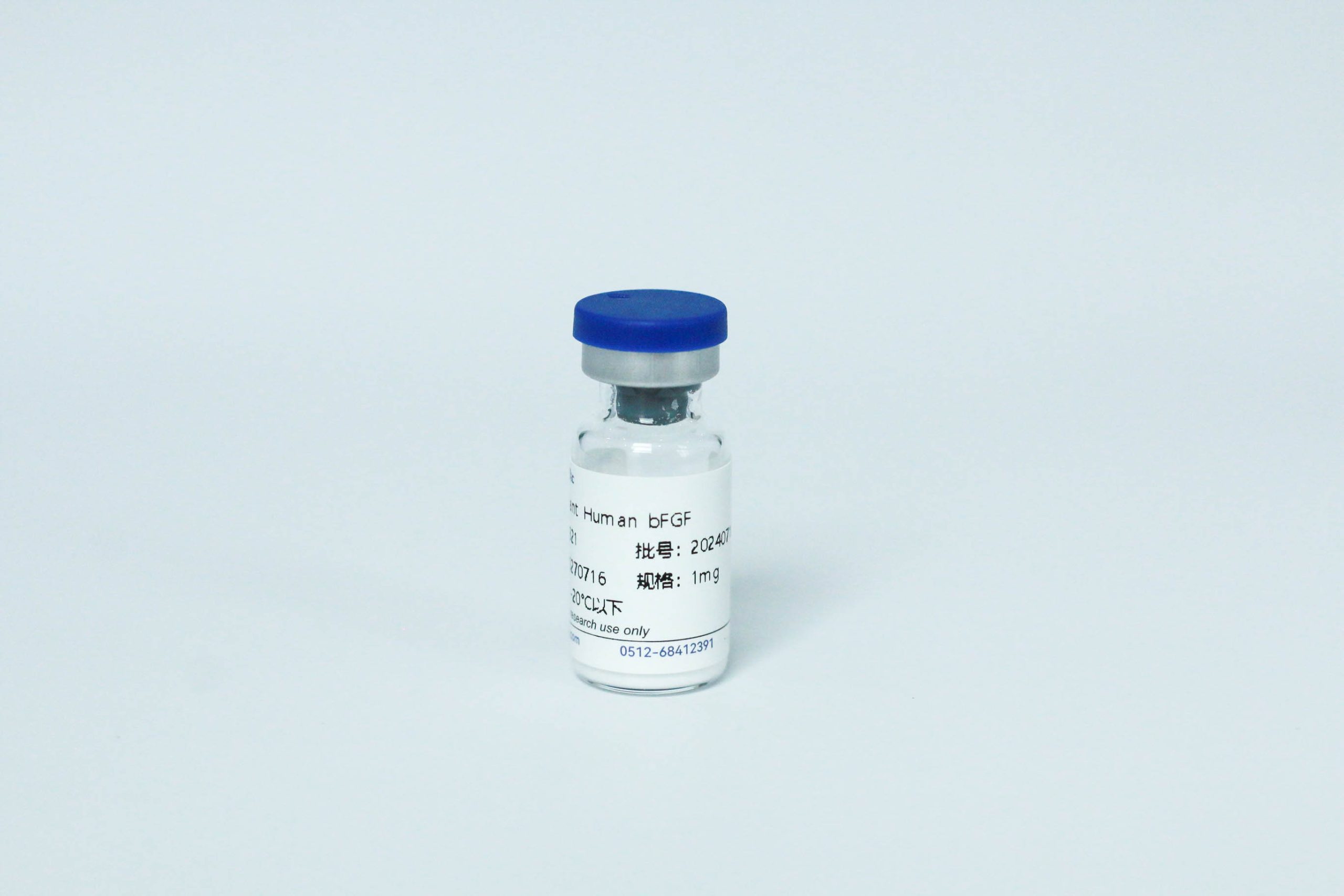
We utilize advanced cell culture protocols that incorporate high-quality recombinant proteins to support optimal ESC expansion. For example, our Recombinant Human FGF-2/bFGF, expressed in E. coli with ≥95% purity and an ED₅₀ ≤2.0 ng/mL, is critical for maintaining pluripotency and proliferation. Similarly, our Recombinant Human IL-6, a cytokine expressed in CHO cells with ≥95% purity, is vital for specific cellular assays. These defined components eliminate lot-to-lot variability associated with serum-containing media, ensuring reproducible experimental results. Furthermore, the development of bioreactor technology is enabling industrial-scale production, moving ESC research closer to clinical reality.
Scaling Embryonic Stem Cell Cultures for Clinical Translation
Scaling embryonic stem cell cultures for therapeutic applications presents challenges including maintaining pluripotency during expansion, ensuring genetic stability, developing cost-effective and serum-free media, and establishing robust GMP compliant production protocols. High-quality recombinant proteins are crucial for consistent and scalable culture. Our focus includes developing optimized, animal-origin-free recombinant proteins that meet stringent quality control standards for cell therapy production. This ensures both safety and efficacy for future clinical use.
Therapeutic Applications and Regenerative Medicine Prospects
Embryonic stem cells hold immense promise for regenerative medicine due to their ability to differentiate into specialized cell types. This makes them invaluable for disease modeling, drug discovery, and cell replacement therapy. Researchers can direct ESCs to differentiate into specific lineages, such as cardiomyocytes for heart repair, neurons for neurological disorders, or pancreatic beta cells for diabetes. These differentiated cells can then be used to study disease mechanisms in vitro, screen for new therapeutic compounds, or directly replace damaged tissues in patients.
The development of organoids from ESCs further expands their therapeutic potential. Organoids are three-dimensional tissue cultures derived from stem cells that mimic the structure and function of native organs. They provide more physiologically relevant models for studying human development, disease progression, and drug responses. For instance, gut organoids can model inflammatory bowel disease, while brain organoids can provide insights into neurodevelopmental disorders. The demand for high-quality, defined raw materials, including specific growth factors and cytokines, is critical for achieving precise differentiation and maintaining the viability of these complex cellular systems.
| Derived Cell Type | Therapeutic Target | Required Recombinant Proteins (Examples) |
|---|---|---|
| Cardiomyocytes | Heart failure | FGF-2/bFGF, Activin A |
| Neurons | Parkinson’s, Alzheimer’s | FGF-2/bFGF, BDNF |
| Pancreatic β-cells | Diabetes | FGF-2/bFGF, Activin A, Exendin-4 |
| Hepatocytes | Liver disease | HGF, FGF-2/bFGF |
| Chondrocytes | Cartilage repair | TGF-β, FGF-2/bFGF |
Ethical Considerations and Global Regulatory Landscape
The research and application of embryonic stem cells are subject to significant ethical considerations and diverse global regulatory frameworks. Ethical debates primarily revolve around the moral status of the human embryo and the source of ESC lines. Informed consent from donors is a universal requirement, ensuring transparency and respect for individual autonomy. These discussions necessitate careful navigation to balance scientific advancement with societal values.
Globally, regulatory bodies have established guidelines to ensure the safe and ethical conduct of ESC research and clinical trials. These guidelines address aspects such as the derivation and banking of ESC lines, preclinical testing, and the design and oversight of clinical trials. Compliance with these regulations is essential for translating ESC-based therapies from the laboratory to patients. We actively engage with these frameworks to ensure our research and product development adhere to the highest ethical and quality standards.
Navigating Global Regulatory Frameworks for ESC Therapies
The clinical application of ESC derived therapies is governed by complex and evolving regulatory frameworks that vary significantly by country. Key agencies like the FDA in the US, EMA in Europe, and national health authorities worldwide establish guidelines for preclinical testing, clinical trials, manufacturing practices (GMP), and ethical oversight. Navigating these diverse regulations is critical for successful translation of embryonic stem cell research into therapies. We ensure our recombinant protein products meet the stringent quality and safety requirements for these regulated applications.
Empowering Your Embryonic Stem Cell Research with East Mab Bio
At Jiangsu East-Mab Biomedical Technology Co., Ltd., we understand the critical need for high-quality, reliable recombinant protein raw materials to advance embryonic stem cell research and therapeutic development. Our world-class platforms and commitment to innovation provide the essential components for your cutting-edge cell culture, IVD, and cell therapy applications. Partner with East Mab Bio to ensure the purity, consistency, and scalability required for groundbreaking discoveries and clinical translation. Contact us today to discuss how our specialized products can accelerate your research endeavors.
Phone: +86-400-998-0106
Email: [email protected]
Frequently Asked Questions About Embryonic Stem Cells
What are the primary challenges in scaling embryonic stem cell cultures for therapeutic use?
Scaling embryonic stem cell cultures for therapeutic applications presents challenges including maintaining pluripotency during expansion, ensuring genetic stability, developing cost-effective and serum-free media, and establishing robust GMP compliant production protocols. High-quality recombinant proteins are crucial for consistent and scalable culture.
How do advancements in recombinant proteins impact the viability and safety of ESC research?
Advancements in recombinant proteins significantly enhance the viability and safety of ESC research by providing defined, animal-origin-free culture conditions. These proteins, such as specific growth factors and cytokines, eliminate variability and potential contaminants associated with serum, leading to more consistent, reproducible, and safer embryonic stem cell lines for both research and clinical applications.
What regulatory frameworks govern the clinical application of ESC derived therapies globally?
The clinical application of ESC derived therapies is governed by complex and evolving regulatory frameworks that vary significantly by country. Key agencies like the FDA in the US, EMA in Europe, and national health authorities worldwide establish guidelines for preclinical testing, clinical trials, manufacturing practices (GMP), and ethical oversight. Navigating these diverse regulations is critical for successful translation of embryonic stem cell research into therapies.