
Reagent grade ethanol purity is not merely a specification on a data sheet; it is the result of a tightly controlled production system spanning grain handling, fermentation, distillation, and final dehydration. Laboratories requiring ACS, HPLC, or 200-proof absolute ethanol depend on consistent quality that cannot be achieved without a properly designed and integrated processing facility. As an agricultural industry chain strategist, I have seen how the same engineering principles that govern efficient fuel ethanol plants can, with the right adjustments, produce pharmaceutical- and laboratory-grade alcohol while maintaining economic viability and sustainability. This article examines the purity standards, production technologies, and quality management necessary for reagent grade ethanol, and why a systems-level approach to plant design makes the difference between inconsistent output and reliable high-purity product.
Understanding Reagent Grade Ethanol Purity Specifications
Reagent grade ethanol covers a range of high-purity alcohols used in analytical, pharmaceutical, and laboratory works. Unlike industrial or fuel-grade products, these must meet strict impurity limits set by organizations such as the American Chemical Society (ACS), the United States Pharmacopeia (USP), or specific application standards like HPLC-grade. The defining parameters are assay (typically ≥99.5% for absolute grades), water content (often below 0.1% for 200-proof), residue after evaporation, and trace impurities such as methanol, aldehydes, and fused oils.
The table below summarizes common reagent ethanol grades and their key characteristics.
| Grade | Typical Purity | Key Specifications | Common Applications |
|---|---|---|---|
| ACS Reagent | ≥99.5% | Low residue, controlled acidity and aldehydes | General analytical chemistry, titrations |
| HPLC Grade | ≥99.9% | Low absorbance, minimal particulates | High-performance liquid chromatography |
| Absolute (200 Proof) | ≥99.9% | Very low water content (<0.1%), minimized impurities | Spectrophotometry, GC analysis |
| USP/NF Grade | ≥99.5% | Meets pharmaceutical purity standards | Drug compounding, personal care products |
| Denatured Reagent | Varies | Contains denaturants; not for human consumption | Industrial lab use, cleaning, fuel testing |
Understanding which grade fits your analytical method matters because using a lower grade can introduce background noise in sensitive instruments, while over-specifying unnecessarily increases procurement cost.
How Integrated Production Technology Delivers High-Purity Ethanol
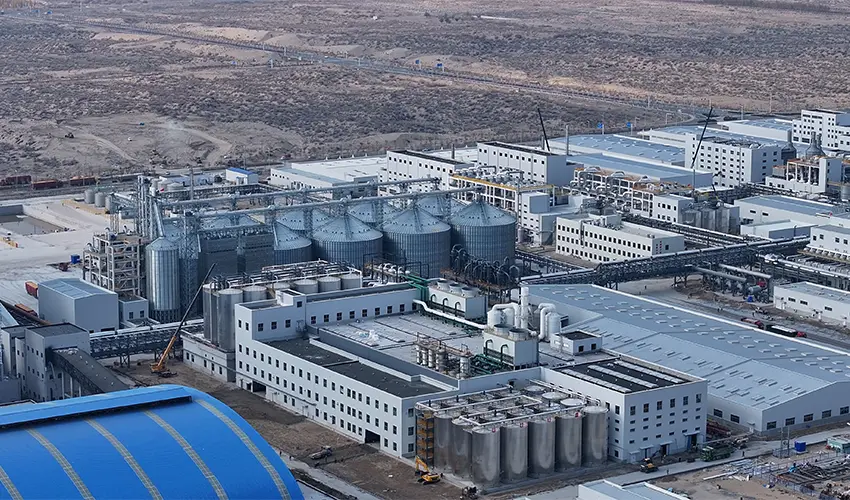
Achieving these purity levels at scale is an engineering challenge that goes beyond basic distillation. The process begins with corn purification and controlled fermentation to minimize formation of undesirable by-products. Multi-column distillation then separates ethanol from water and lighter or heavier impurities. The critical final step is dehydration: molecular sieve adsorption under pressure-swing conditions removes the remaining water to reach 200-proof anhydrous ethanol without using azeotropic additives that could contaminate the product.
In our plant designs, we apply precisely engineered column configurations and molecular sieve units that can be tuned for different target purities. The same facility can switch between fuel-grade and reagent-grade production with adjustment of reflux ratios, sieve cycle times, and polishing steps. What sets a reliable high-purity output apart from a batch-to-batch lottery is the integration of process control: real-time monitoring of temperature profiles, pressure drops, and online purity analyzers that feed back into the distillation and dehydration control loops. This level of automation replaces manual sampling with continuous quality assurance.
If your program requires a specific purity threshold not covered by off-the-shelf specifications, it is worth confirming the process design before committing to a full plant investment. Reach out at [email protected] to review your target purity parameters and discuss the optimal process configuration.
Quality Management Systems for Consistent Reagent Ethanol
Producing reagent grade ethanol at commercial scale requires a quality management system that matches the rigor of the end-user application. This typically means operating under GMP principles or ISO 15304 for ethanol used in analytical chemistry, with full batch traceability from incoming corn to shipped finished product. In analytical laboratories, the absence of a proper quality system is the most common cause of lot-to-lot variability that disrupts research and QC workflows.
Testing protocols for reagent ethanol must verify assay, water content, residue on evaporation, acidity, and methanol concentration. Karl Fischer titration for water, gas chromatography for methanol and ethanol assay, and gravimetric methods for residue are standard. We integrate these tests into a centralized digital management platform that records every batch and flags deviations before the product reaches the warehouse. For clients who require validation documentation, the platform generates compliance reports meeting pharmacopeia or ASTM standards.
The Circular Economy Model in Ethanol Production
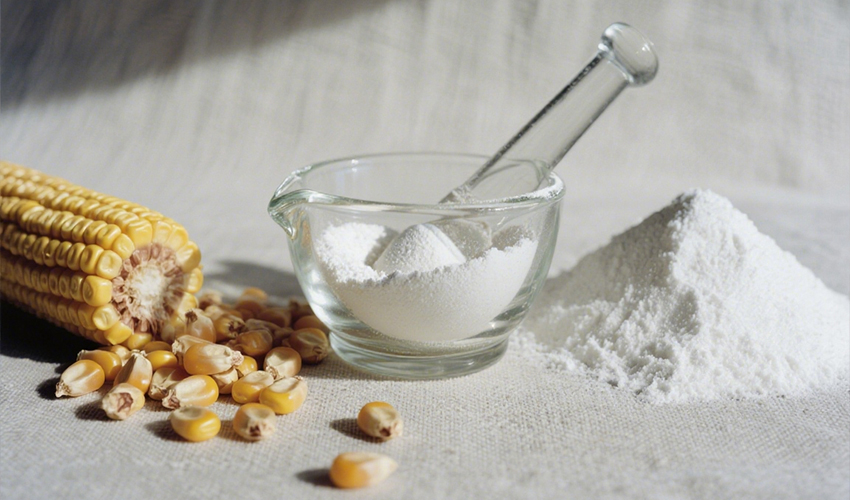
An often-overlooked advantage of designing a reagent ethanol plant as part of an integrated grain processing facility is the circular economy it enables. The corn kernel is not consumed for ethanol alone. In our engineering approach, spent grains become DDGS protein feed for livestock, fermentation CO₂ is captured and purified to food-grade for beverage or chemical use, and process heat is cascaded from distillation to lower-temperature drying operations. This reduces net energy consumption by 25% compared to standalone ethanol plants while creating additional revenue streams that offset the higher capital cost of reagent-grade production.

This closed-loop model, which we refer to as the corn–food–energy–feed chain, transforms a purity-focused operation into a fully resource-efficient industrial ecosystem. When reagent ethanol production is embedded in this system, the economic pressure to cut corners on purification or quality systems disappears because by-product sales stabilize total margins. For procurement teams, this means a supplier whose business model does not depend on skimping on process control.
Choosing the Right EPC Partner for Reagent Ethanol Production
Selecting an engineering, procurement, and construction partner for a reagent ethanol facility is not a one-size-fits-all decision. The EPC contractor must demonstrate experience in high-purity distillation, molecular sieve dehydration, and GMP-compliant plant design, not just fuel ethanol. Look for a partner that offers complete turnkey delivery from feasibility study through commissioning and operator training. Equally important is the ability to integrate the ethanol line into existing grain handling or storage infrastructure without disrupting other operations.
At AGRIFAM we have delivered alcohol production lines that achieve the precise purity metrics our clients specify, backed by over fifteen years of agricultural and food system engineering experience. Our scope covers corn purification, liquefaction, saccharification, continuous fermentation, multi-column distillation, molecular sieve dehydration, and full digital management platforms. Whether the goal is reagent-grade output, fuel ethanol, or both from a flexible plant, the engineering framework remains the same: system-level integration that maximizes purity, efficiency, and long-term profitability. For a feasible assessment of your target capacity and purity grade, contact us at [email protected] or call 010-8591 2286 to discuss a tailored plant concept.
Common Questions About Reagent Grade Ethanol
What is the difference between reagent grade and ACS grade ethanol?
Reagent grade is a broad category, while ACS grade is a specific certification under that umbrella. ACS-grade ethanol meets the American Chemical Society’s purity criteria, including limits on residue after evaporation, acidity, and specific impurities. Not every reagent-grade ethanol is ACS certified, but all ACS-grade ethanol qualifies as reagent grade. If your laboratory method references an ACS specification, purchasing certified ACS material ensures compliance. In production, achieving ACS-level purity requires tighter control over fermentation by-products and careful polishing distillation.
Can reagent-grade ethanol be used as a disinfectant?
Yes, but from an economic standpoint it is usually overqualified for routine surface disinfection, where industrial denatured ethanol suffices. Reagent grade should be reserved for applications where trace impurities interfere with analytical results or where the ethanol contacts sensitive materials. In pharmaceutical compounding or hand sanitizer manufacturing under USP guidelines, reagent-grade ethanol can be appropriate, especially if no denaturant is required. Assess the specific impurity limits your end-use demands before allocating high-cost reagent ethanol to sanitizer production.
Is reagent-grade ethanol denatured?
Typically, no. Most reagent ethanol sold as ACS, HPLC, or absolute grade is undenatured, meaning it contains no added denaturants and is pure ethanol and water. Denatured reagent alcohol does exist for certain laboratory cleaning or fuel-testing applications, and it will be clearly labeled with the denaturant type. Always confirm the label: undenatured reagent ethanol is subject to excise tax regulations in many countries and may require special licensing for bulk purchase.
How does absolute ethanol differ from regular reagent grade?
Absolute ethanol simply refers to ethanol with very low water content, usually defined as containing no more than 0.1% water by weight or being 200-proof. It is one specific type of reagent-grade ethanol. Not all reagent ethanol is absolute; ACS grade can be 95% or 100%. The dehydration technology used to reach absolute levels, most commonly molecular sieve adsorption, is the most capital-intensive part of the purification chain and must be correctly sized for the desired production rate. Share your required purity profile and target scale, and we will confirm the optimal dehydration unit configuration: [email protected].
If you’re interested, check out these related articles:
Driving Global Food Conservation Through Technological Innovation