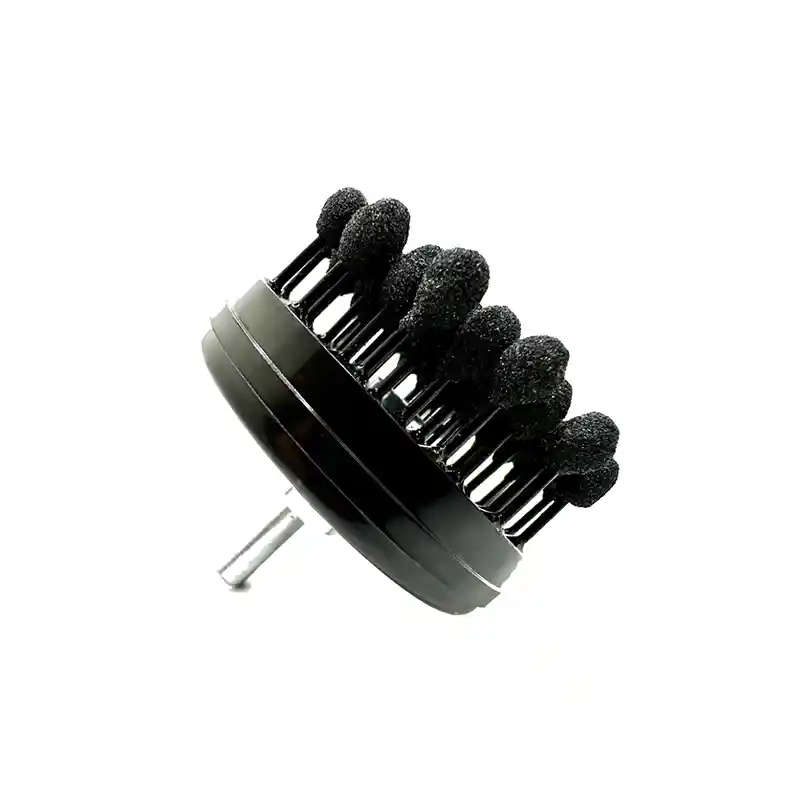

Surface preparation on aluminum, brass, and soft alloys demands a tool that removes oxidation and light burrs without gouging the base material. Standard steel wire brushes cut too aggressively, leaving scratch patterns that require secondary finishing. Nyalox brushes solve this problem by embedding abrasive grit directly into flexible nylon filaments, delivering controlled material removal with a consistent surface texture. I have specified Nyalox brushes across deburring, cleaning, and blending operations where the substrate cannot tolerate wire contact, and the results consistently outperform both plain nylon and conventional wire alternatives. For procurement teams sourcing brushes that balance aggression with surface safety, understanding how Nyalox filaments behave under load is the first step toward correct specification.
What Makes Nyalox Different from Standard Nylon Brushes
Nyalox is a trade name that has become a generic descriptor for abrasive impregnated nylon filaments. The manufacturing process bonds abrasive particles, typically silicon carbide or aluminum oxide, throughout the nylon matrix rather than coating the surface. This construction means the filament self-sharpens as it wears, exposing fresh abrasive continuously until the filament is consumed.
Standard nylon brushes rely on mechanical scrubbing action alone. They work well for dust removal, light cleaning, and applications where surface modification is undesirable. Nyalox brushes, by contrast, actively cut and blend the workpiece surface. The abrasive load determines how aggressively the brush performs.
| Feature | Standard Nylon | Nyalox (Abrasive Nylon) |
|---|---|---|
| Material removal | Minimal | Moderate to aggressive |
| Surface finish | Unchanged | Matte, blended, or textured |
| Self-sharpening | No | Yes |
| Grit options | None | 46 to 320 typical |
| Best use | Cleaning, dusting | Deburring, blending, finishing |
The filament diameter also matters. Thicker filaments carry more abrasive and resist deflection under pressure, producing more aggressive cutting. Thinner filaments flex more, conforming to contours and delivering finer finishes. Matching filament diameter to the application is as important as selecting the correct grit.
Which Grit Grades Match Which Applications
Grit selection follows the same logic as coated abrasives: lower numbers cut faster and leave coarser finishes, higher numbers cut slower and leave smoother surfaces. The difference with Nyalox is that the abrasive is distributed throughout the filament, so the cutting action remains consistent until the brush is worn out.
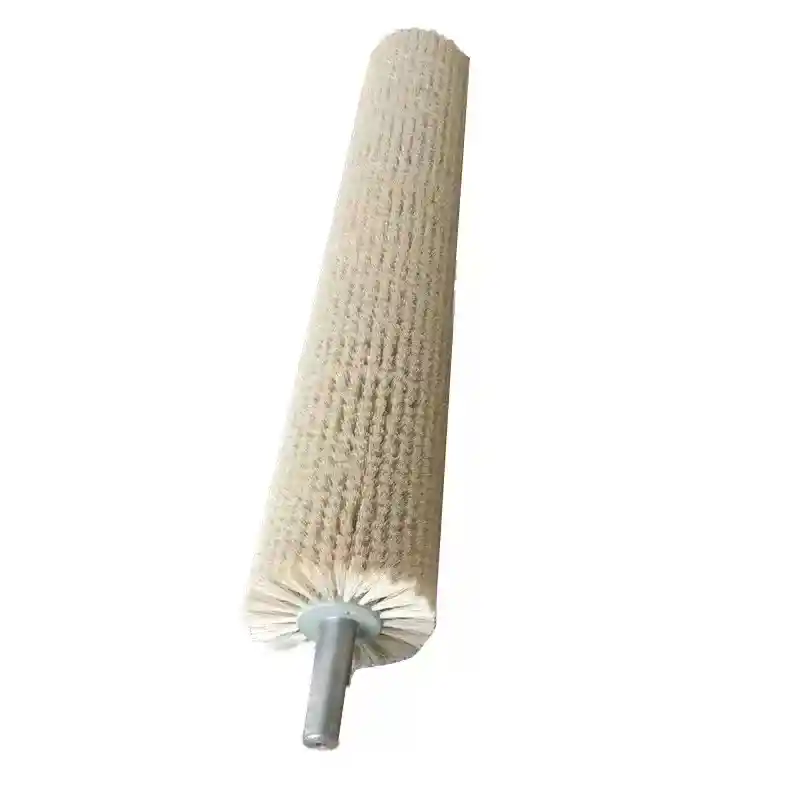
Coarse grits in the 46 to 80 range remove heavy oxidation, mill scale, and weld discoloration from steel and stainless steel. I have used 80 grit Nyalox wheel brushes on angle grinders to prepare weld seams before painting, and the brush removed heat tint without undercutting the base metal. This grit range also works for aggressive deburring on cast aluminum where the burrs are substantial.
Medium grits from 120 to 180 handle most general purpose deburring and surface blending. Cross-hole deburring on machined parts, edge breaking on stamped components, and surface conditioning before powder coating all fall into this range. The 120 grit is my default recommendation when the buyer does not have a specific finish requirement.
Fine grits from 240 to 320 produce polished or satin finishes on softer metals. Brass, copper, and aluminum respond well to fine grit Nyalox when the goal is a uniform matte appearance without visible scratch patterns. These grits also work for final cleaning passes on stainless steel food processing equipment where surface roughness affects cleanability.
Where Nyalox Brushes Outperform Wire Alternatives
Wire brushes excel at heavy scale removal and aggressive surface preparation on hard steels. They fail on softer substrates because the wire tips embed in the surface, leaving contamination and scratch marks that are difficult to remove. Nyalox brushes fill the gap between wire aggression and plain nylon gentleness.
Aluminum is the clearest example. Wire brushing aluminum embeds steel particles that cause galvanic corrosion and discoloration. Brass wire reduces but does not eliminate this risk. Nyalox brushes contain no metal, so there is no contamination risk. The abrasive nylon removes oxidation and light burrs while leaving a clean, uniform surface ready for anodizing or painting.
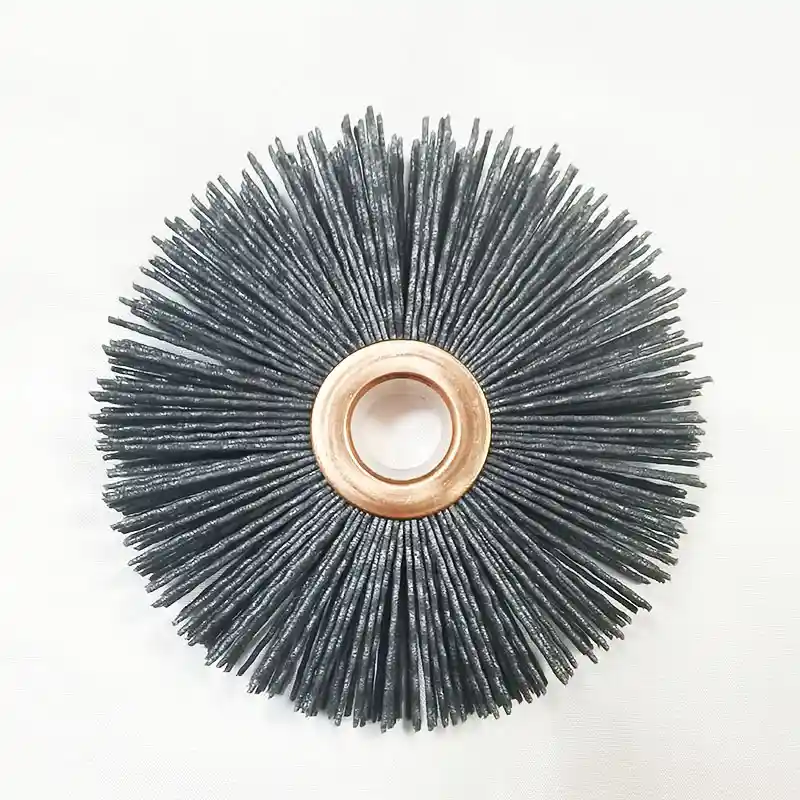
Stainless steel benefits from Nyalox when the application requires surface blending without altering the passive layer. Wire brushes can smear carbon steel contamination onto stainless surfaces, compromising corrosion resistance. Nyalox brushes avoid this problem entirely while still providing enough cutting action to blend grind marks and remove heat discoloration.
Composite materials and plastics represent another category where Nyalox succeeds. Wire brushes tear fibers and gouge thermoplastics. Nyalox brushes clean and deburr these materials without structural damage, making them useful in aerospace and automotive composite fabrication.
How to Specify Nyalox Brushes for CNC and Power Tool Use
Brush format determines how the tool integrates with existing equipment. Wheel brushes mount on bench grinders and angle grinders. Cup brushes fit angle grinders for flat surface work. End brushes chuck into die grinders and drill presses for reaching confined areas. Disc brushes mount on CNC spindles for automated deburring.
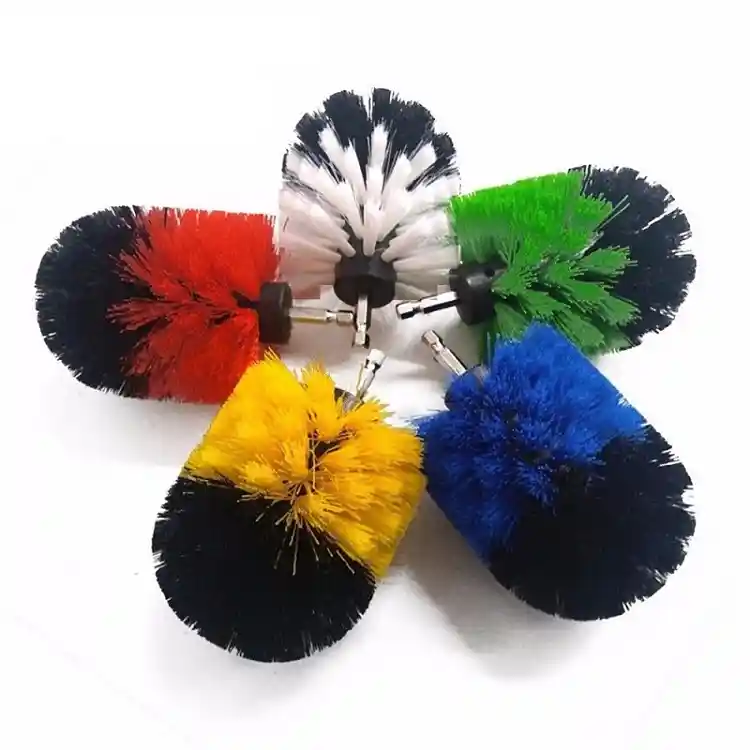
For CNC applications, the critical specifications are outer diameter, arbor hole or shank size, face width, and maximum operating speed. Nyalox filaments have lower tensile strength than steel wire, so the maximum safe RPM is typically lower than equivalent wire brushes. Exceeding the rated speed causes filament breakage and rapid brush wear.
Fill density affects both performance and cost. Dense fills provide more filament contact per revolution, increasing material removal rate but also increasing heat generation. Open fills run cooler and conform better to irregular surfaces. I generally recommend medium fill density as a starting point, then adjust based on trial results.
When specifying for a new application, start with these parameters: match the brush diameter to the workpiece geometry, select grit based on the desired finish, choose filament diameter based on required aggression, and verify the operating speed falls within the brush rating. If your application involves unusual materials or tight tolerances, share the part drawing and surface finish requirement with your supplier before ordering.
Getting the Right Nyalox Brush for Your Production Line
Selecting the correct Nyalox brush requires matching four variables: grit, filament diameter, brush format, and fill density. Getting any one of these wrong results in either inadequate performance or premature wear. The cost of trial and error adds up quickly when brush consumption is high.
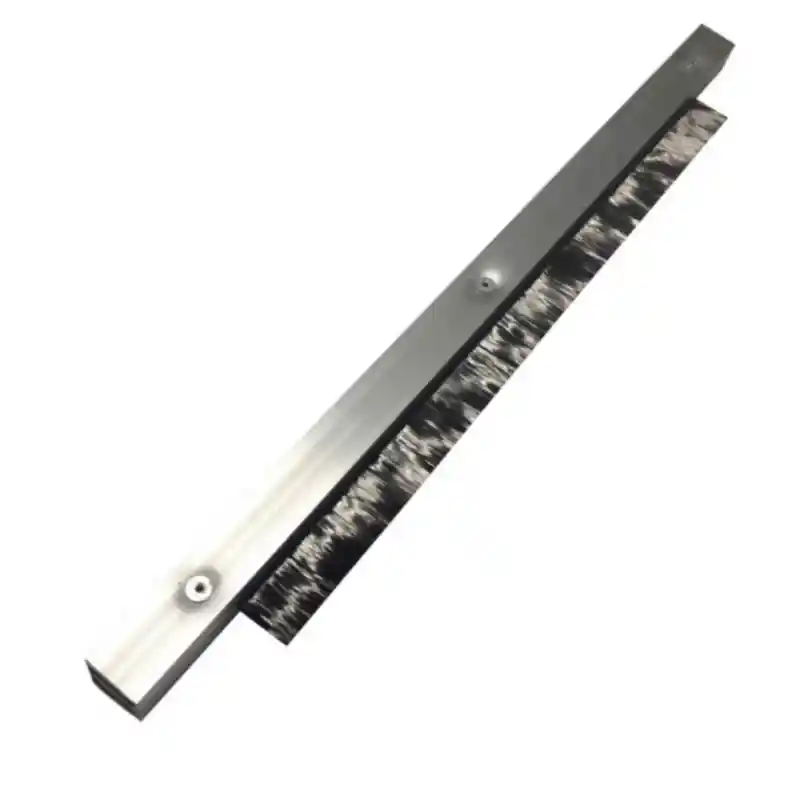
Huixi Brush manufactures abrasive nylon brushes in wheel, disc, cup, and end brush formats with grit options from 46 to 320. We produce both standard configurations and custom designs for OEM integration. If you are evaluating Nyalox brushes for a specific deburring, cleaning, or finishing application, send your part specifications and current process description to [email protected] or call +86 1580 0932 713. We will recommend a brush configuration and provide samples for production testing.
Common Questions About Nyalox Brush Selection
Does Nyalox work on hardened steel?
Nyalox brushes can clean and lightly blend hardened steel surfaces, but they remove material slowly compared to wire brushes. The abrasive nylon filaments wear faster against hard substrates. For heavy scale removal or aggressive deburring on hardened steel, wire brushes remain the better choice. Nyalox works well as a secondary finishing tool after wire brushing when a more uniform surface texture is needed.
How long does a Nyalox brush last compared to wire?
Lifespan depends heavily on the application. On soft metals like aluminum and brass, Nyalox brushes often outlast wire brushes because the filaments flex rather than break under load. On hard steel, wire brushes typically last longer because the filaments resist abrasion better. In general, expect Nyalox brush life to be comparable to wire when used on appropriate substrates and significantly shorter when used on materials that are too hard.
Can I use Nyalox brushes wet?
Yes. Nylon filaments absorb minimal water and the abrasive bond remains stable when wet. Wet operation reduces heat buildup and can extend brush life on heat-sensitive materials. Some users add cutting fluid or water mist to CNC deburring operations with Nyalox disc brushes. Verify that your brush mounting hardware is compatible with wet operation before proceeding.
What happens if I run a Nyalox brush too fast?
Excessive speed causes the filament tips to overheat and melt, glazing the abrasive surface and reducing cutting action. In severe cases, filaments break and eject from the brush. Always check the maximum RPM rating on the brush packaging and set your tool speed accordingly. If you notice the brush leaving a shiny or smeared finish instead of a matte texture, reduce speed immediately.
How do I know which grit to start with?
Begin with 120 grit for general deburring and surface blending on aluminum, brass, and mild steel. If the brush removes material too slowly, drop to 80 grit. If the finish is too coarse, move to 180 or 240 grit. Document your results so you can reorder the correct specification. If you are uncertain which grit suits your application, share your surface finish requirement and we will recommend a starting point.
If you’re interested, check out these related articles:
honing brush a magic tool for flexible burr removal
advantage of hx cylindrical nylon brushes
advantage of hx boiler tube brush
brushes for steel wire industries cleaning descaling derusting polishing