Getting the scent right in a space comes down to how well your diffuser and fragrance refills work together. I’ve seen setups fail not because the equipment was bad, but because someone grabbed whatever oil was on sale without checking if it would actually work. Compatibility isn’t just about whether the bottle fits—it’s about viscosity, chemical makeup, and whether the oil will gum up the internals over six months of daily use. When these factors align, you get consistent scent throw and equipment that lasts. When they don’t, you get clogged nozzles and a diffuser that smells like burnt plastic.
How Different Diffuser Technologies Shape Your Refill Choices
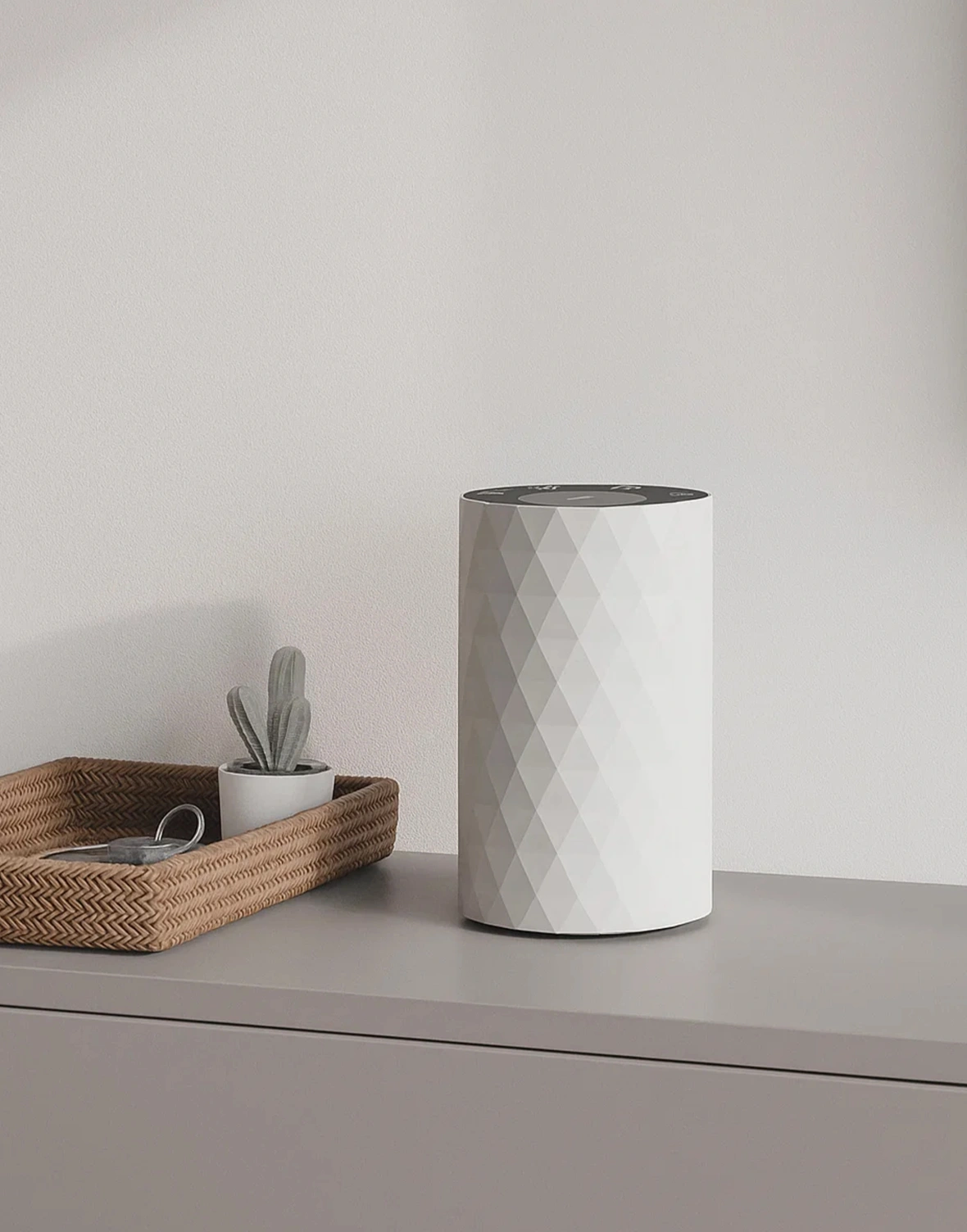
Scent diffusion mechanisms vary significantly, and each one dictates specific requirements for fragrance oils. Cold air diffusion technology, commonly found in commercial settings, uses high-pressure air to atomize oil into a fine mist without heat or water. This method requires pure, undiluted fragrance oils with specific viscosities to prevent clogging and ensure consistent output. The reason is straightforward: any thickening agents or carrier oils will accumulate in the atomizing chamber and eventually block the airflow. Scent-Share’s Commercial Scent Oil Diffuser (Bluetooth APP) utilizes this principle, covering up to 300m³ effectively.
Nebulizing diffusers operate on similar principles, breaking down essential oils into microscopic particles through an atomizing nozzle. These diffusers also demand pure, high-quality oils free from carrier oils or thickeners that could impede their delicate mechanisms. Ultrasonic diffusers take a different approach, using high-frequency vibrations to create a fine mist from a mixture of water and essential oils. This technology is more forgiving regarding oil viscosity but still benefits from quality oils to prevent residue buildup on the vibrating plate.
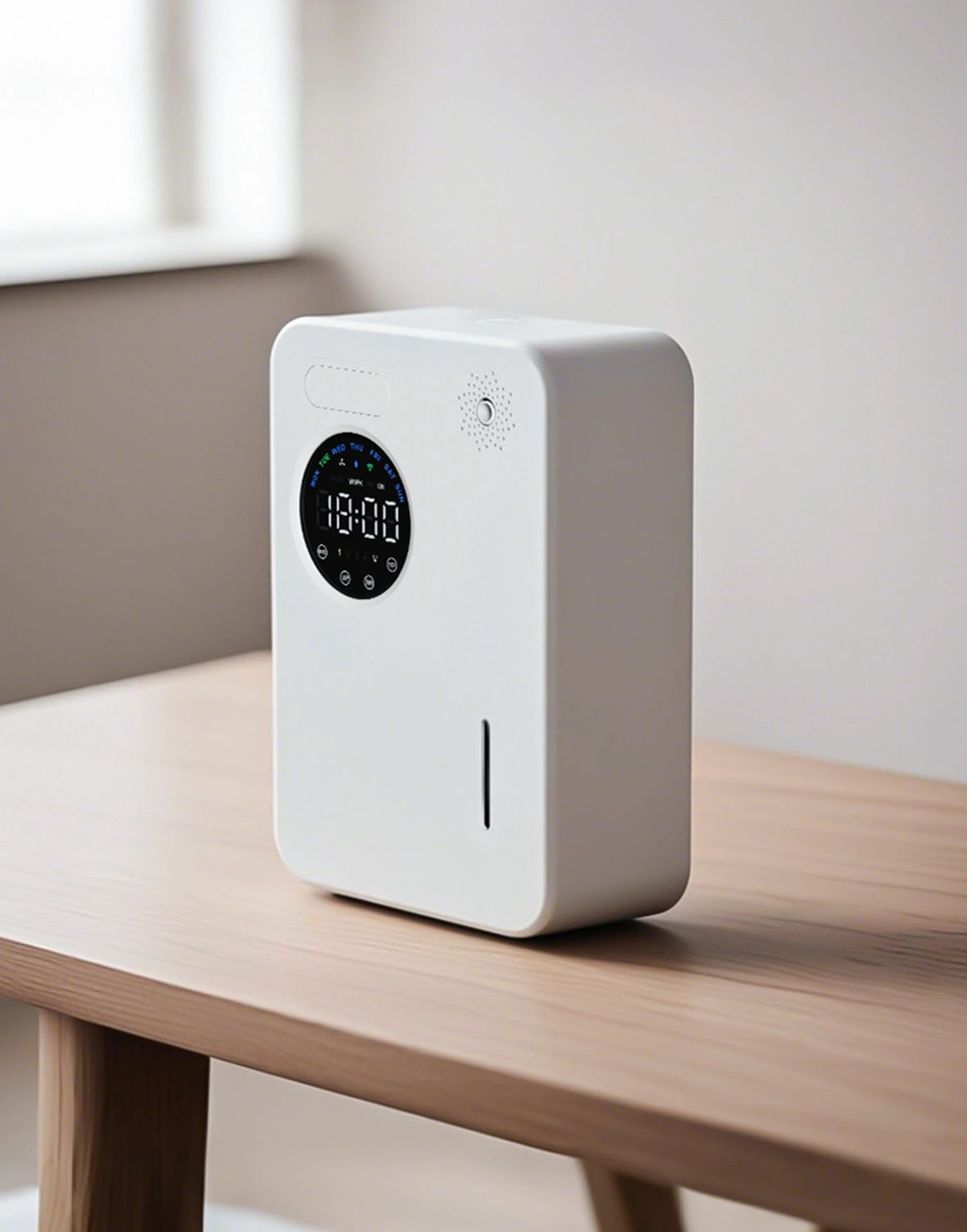
For smaller spaces, the Home Aroma Air Diffuser Scent Machine (Mini) utilizes advanced atomization for efficient scent dispersion. The operational principles of each diffuser type directly impact refill selection, which is why understanding your specific equipment matters before purchasing fragrance oils.
| Diffuser Technology | Operational Principle | Ideal Oil Characteristics | Scent-Share Product Example |
|---|---|---|---|
| Cold Air Diffusion | Atomizes pure oil | Low viscosity, pure oil | Commercial Scent Oil Diffuser (Bluetooth APP) |
| Nebulizing | Atomizes pure oil | Low viscosity, pure oil | Home Aroma Air Diffuser Scent Machine (Mini) |
| Ultrasonic | Water + oil mist | Water-soluble, varied viscosity | Home Essential Oil Diffuser Aroma Dispenser Machine |
| Passive | Evaporation | Volatile, varied viscosity | Natural Crystal Raw Aromatherapy Stone Gift |
What Actually Determines Whether a Refill Works With Your Diffuser
Optimal fragrance refill compatibility hinges on several factors that often get overlooked. Fragrance oil viscosity sits at the top of the list—oils that are too thick can clog atomizing nozzles, while overly thin oils may diffuse too quickly or leak from seals not designed for low-viscosity liquids. The chemical composition of essential oils also plays a significant role, as certain compounds can interact negatively with diffuser components. Some citrus oils, for instance, contain limonene concentrations that gradually degrade plastic parts over time.
Material compatibility ensures that the oil does not corrode or damage internal workings. Rubber gaskets, plastic reservoirs, and metal nozzles all respond differently to various oil formulations. The refill nozzle design must align with the diffuser’s intake system to prevent spills and maintain proper sealing. Fragrance concentration levels dictate scent intensity and longevity, requiring calibration with the diffuser’s output capabilities—a highly concentrated oil in a high-output diffuser can overwhelm a space quickly.
Oil purity standards matter more than most people realize. Impure oils containing diluents or synthetic extenders can leave residues that reduce efficiency and shorten equipment lifespan. If carrier oils are present, they must be compatible with the diffuser’s technology to avoid operational issues.
 ### What happens if I use the wrong fragrance refill in my diffuser?
Using an incompatible fragrance refill typically leads to clogged nozzles first, then reduced scent output, and eventually internal component damage. Corrosion from reactive oil compounds can affect metal parts, while thick or impure oils leave residues that accumulate over time. In some cases, using an incorrect oil can void your diffuser’s warranty, leaving you with repair costs that exceed the price of the original equipment. The safest approach is matching refills to your specific diffuser technology.
The Real Trade-offs Between OEM and Third-Party Fragrance Refills
The choice between OEM fragrance refills and third-party essential oils comes down to risk tolerance and budget constraints. OEM refills are formulated specifically for a brand’s diffusers, which means the manufacturer has tested viscosity, chemical composition, and material interactions. They typically come with consistent quality control and won’t void your warranty.
Third-party options often cost less and offer a wider range of scent profiles. The trade-off is variability. Quality differs significantly between suppliers, and some third-party oils contain ingredients that degrade diffuser components over months of use. I’ve seen facilities switch to cheaper oils to cut costs, only to replace diffusers twice as often. The math doesn’t always work out in favor of the cheaper option.
Warranty implications deserve serious consideration. Most manufacturers specify that using non-approved oils voids coverage, which means any malfunction becomes your expense. Scent-Share maintains rigorous testing protocols for all custom aroma systems to ensure long-term reliability regardless of which refills clients choose.
| Feature | OEM Fragrance Refills | Third-Party Essential Oils |
|---|---|---|
| Compatibility | Guaranteed optimal performance | Varies; requires careful verification |
| Quality Control | High, consistent standards | Variable; purity and composition can differ |
| Cost | Generally higher | Often lower |
| Warranty | Maintains warranty | May void warranty |
| Selection | Limited to brand’s offerings | Wider variety of scents and suppliers |
Maintenance Practices That Actually Extend Equipment Life
Proper cleaning protocols and refill handling make the difference between a diffuser that lasts two years and one that lasts five. Regular cleaning prevents the buildup of residue from fragrance oils, which gradually restricts nozzle openings and reduces scent output. Most manufacturers recommend cleaning with isopropyl alcohol or specialized solutions every two to four weeks, depending on usage intensity.
Fragrance oil storage affects refill quality before it ever reaches your diffuser. Keep refills in cool, dark locations away from direct sunlight and temperature extremes. Heat accelerates oxidation, which changes oil composition and can introduce compounds that weren’t in the original formulation. When installing a new refill, ensure a secure, airtight connection to prevent leaks and maintain system pressure.
Preventing clogging through consistent maintenance protects your investment better than any extended warranty. A few minutes of weekly attention keeps scent delivery consistent and avoids the frustration of troubleshooting a system that stopped working mid-event or during peak business hours.
Are all fragrance oils safe for any type of aroma diffuser?
No. Fragrance oil safety varies based on formulation, and some oils contain ingredients that cause material degradation in specific diffuser types. Highly acidic compounds can damage plastic or rubber components, while certain synthetic fragrance ingredients may corrode metal parts. Lower-quality oils sometimes contain toxic ingredients that pose health risks when diffused into occupied spaces. Always verify that an oil is formulated for your diffuser’s technology and check safety data sheets when available.
Where Scent Delivery Technology Is Heading
Smart scenting technology and IoT-connected aroma diffusers are changing how facilities manage ambient fragrance. These systems offer remote control, scheduling, and real-time monitoring through smartphone apps or building management integrations. Adaptive scent delivery is emerging as well, with systems that adjust intensity based on occupancy sensors or time of day.
Sustainable fragrance solutions are gaining traction across the industry. This includes eco-friendly ingredients, refillable containers, and recyclable packaging—all responses to growing environmental awareness among commercial clients. HVAC scenting innovations, like the Commercial HVAC Scent Diffuser Aroma Dispenser System, allow precise scent distribution across large facilities by integrating directly with existing ventilation infrastructure.
These advancements will impact refill compatibility requirements going forward. Smarter systems may eventually self-diagnose oil quality issues or automatically adjust output based on detected viscosity changes. For now, understanding your current equipment remains the foundation for effective scenting.
 ## Working With Specialists for Integrated Scent Programs
Achieving consistent scent experiences across multiple locations or large facilities requires more than quality products—it demands expertise in system design and integration. Custom aroma systems tailored to specific environments and brand identities perform better than off-the-shelf solutions applied without consideration for space characteristics.
Professional scenting consultants assess factors like ceiling height, HVAC airflow patterns, foot traffic, and desired scent intensity before recommending equipment and refill formulations. This approach ensures optimal compatibility between diffusers and fragrance oils while maximizing performance and longevity. Turnkey solutions that include installation, training, and ongoing support eliminate the guesswork that leads to compatibility problems down the line.
Partner With Scent-Share for Your Ambient Scenting Needs
Scent-Share Technology (Guangzhou) Co., LTD operates as a professional one-stop scenting solution provider, integrating R&D, production, marketing, and comprehensive support services. With 10 years of industry expertise and a presence in 68 countries, we focus on innovation and seamless system integration for commercial and residential applications. Contact us to explore how our aroma technologies can support your scenting goals while ensuring optimal diffuser performance. Reach out at +86 185 6557 5758 or [email protected] for a consultation.
FAQ
How can I determine if a third-party fragrance refill will damage my diffuser?
Start by comparing the oil’s chemical composition and viscosity against your diffuser’s specifications. Look for products explicitly stating compatibility with your diffuser type, whether that’s cold air diffusion, nebulizing, or ultrasonic. Running a small-scale test before committing to bulk purchases helps identify potential issues early. Verify oil purity and check for harsh chemicals or synthetic extenders that could cause system degradation over time.
What are the common signs of incompatible fragrance refills in a diffuser?
Watch for reduced scent output as the first indicator—this usually means residue is building up in the nozzle or atomizing chamber. Unusual noises during operation, visible residue around the nozzle opening, and changes in oil color or consistency all signal compatibility problems. Premature wear on internal components, like cracked seals or corroded metal parts, indicates the oil formulation is reacting with diffuser materials.
Does using non-OEM fragrance refills void my diffuser’s warranty?
In most cases, yes. Manufacturers typically specify approved oils in warranty terms, and using third-party refills often voids coverage. Check your specific warranty documentation before switching to non-OEM options. While third-party refills may cost less upfront, the potential for damage and loss of warranty protection can make them more expensive in the long run.