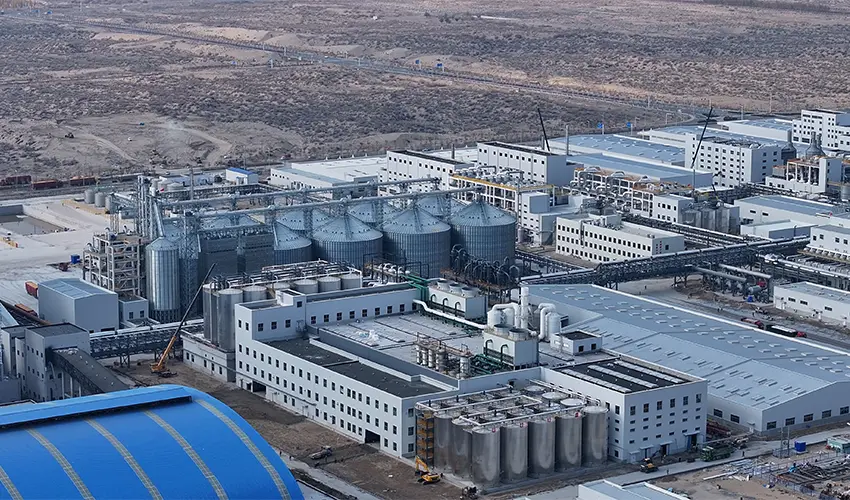

For a corn-based alcohol plant, the crushing and milling stage is not a peripheral operation; it is the foundation that determines ethanol yield, energy consumption, and the quality of distillers grains (DDGS). Optimizing corn crushing and milling for alcohol production requires more than selecting a hammer mill or roller mill; it demands an integrated approach that aligns equipment capacity with raw material variability and downstream process requirements. In this article, I draw on over fifteen years of agricultural system integration to explain how the right front-end design can reduce operational costs by up to 25% and improve whole-plant profitability.
Key Equipment for Corn Crushing and Milling Lines
A complete front-end grinding line begins with grain cleaning: rotary screens, magnetic separators, and aspirators remove foreign material that would damage downstream equipment. Once cleaned, corn enters the primary crushing stage, typically using a hammer mill or a roller mill to reduce kernels to a coarse meal. The choice between these two technologies is one of the earliest and most impactful decisions in plant design.
| Factor | Hammer Mill | Roller Mill |
|---|---|---|
| Operating principle | Impact and shearing | Compression between rolls |
| Particle size range | Broad, less uniform | Narrow, more uniform |
| Energy consumption | Higher per ton | Lower per ton |
| Maintenance requirement | Higher, frequent screen/hammer replacement | Lower, roll re-corrugation periodic |
| Suitability for wet corn | Can struggle with high moisture | Handles moisture more effectively |
After primary crushing, the meal may pass through a degerminator if the plant recovers corn oil separately, though many fuel ethanol plants use a dry grind process that sends the whole ground corn directly to slurry tanks. From there, a secondary fine grinding step—often a pin mill or a second roller mill—achieves the target particle size distribution before liquefaction. The entire system must be sized to handle peak throughput without creating bottlenecks at the slurry mixing tank.
Particle Size Control for Maximum Ethanol Yield and DDGS Quality
Particle size directly governs the rate of starch gelatinization and enzyme access during liquefaction. If the meal is too coarse, starch remains encapsulated in the endosperm matrix, lowering ethanol conversion. If it is too fine, the increased surface area accelerates conversion but also creates excessive fines that cause dust hazards, increase slurry viscosity, and overheat the mill. In practice, a mean particle size between 0.5 and 1.0 mm is often targeted for dry-grind ethanol plants, but this must be adjusted based on the specific corn variety and its hardness.
The impact on DDGS quality is often overlooked. Overly fine grinding produces a high proportion of fines that can pass through the distillation process and end up concentrating in the thin stillage, altering the nutritional profile of the final distillers grains. In our engineering assessments, we have seen protein content variability in DDGS linked directly to inconsistent particle size distribution from the crushing section. Maintaining a stable and slightly coarser grind helps preserve the economic value of this co-product, which can account for 20-30% of an ethanol plant’s revenue.
Selecting the Right Mill for Your Plant Capacity and Corn Quality
Mill selection should start with a clear definition of the plant’s nameplate capacity and expected variation in corn quality. A 300,000-ton-per-year ethanol plant requires crushing throughput of roughly 80-90 tons per hour, which pushes the selection toward large-scale hammer mills or multiple parallel roller mill stands. However, throughput alone is insufficient. The physical properties of the corn—hardness, moisture content at harvest, and the presence of mold or broken kernels—introduce performance variations that a single mill type may not handle gracefully.
In regions where corn is harvested at high moisture or processed shortly after delivery without extensive drying, roller mills offer an advantage because compression-based breakage is less sensitive to moisture than impact breakage. Conversely, hammer mills are mechanically simpler and often have lower upfront capital costs, making them attractive for smaller plants or those in price-sensitive markets. The real decision comes down to a trade-off between capital expenditure and the lifetime operating costs shaped by energy, maintenance, and product quality.
If your plant’s corn supply varies in moisture or hardness, the optimal mill selection becomes more complex. Our engineering team can help evaluate your specific feedstock and recommend a configuration that balances throughput with energy efficiency—reach out at [email protected].
Optimizing Crushing and Milling for Energy Efficiency
Grinding corn is energy-intensive, consuming 25-40 kWh per ton depending on the mill type and target particle size. In a 300,000-ton ethanol plant, that translates to several million kWh per year—a cost that can be reduced by 25% through systematic optimization. Motor selection is the first lever: high-efficiency motors with variable frequency drives (VFDs) let the mill speed match the feed rate and corn hardness in real time, avoiding over-grinding. Air-assisted grinding systems, which pass a controlled air stream through the mill chamber, further reduce specific energy consumption by cooling the process and evacuating fines.
At the system level, energy integration between the crushing section and the plant’s steam and waste heat recovery network can deliver additional savings. For example, the heat generated in milling can be captured and used to pre-warm process water, while properly designed material-handling systems minimize the re-lifting of ground corn and the associated electrical load. In our EPC alcohol projects, we apply an energy cascade utilization framework that maps every kWh of electricity and every megajoule of heat across the facility, identifying where 25% or more overall consumption can be eliminated without sacrificing throughput.
Integrating the Crushing Section with the Alcohol Plant Design
One of the most common mistakes I observe in plant planning is treating the crushing section as a standalone commodity station, separate from the fermentation and distillation blocks. In reality, the crushing rate sets the pace for the entire plant. A poorly integrated grinding line creates a domino effect: slurry tanks overflow or starve, enzyme dosing becomes erratic, and fermenter fill times drift. The solution is to design the material-handling system as an integral buffer, with adequate surge capacity between the mill and the slurry tank, and with real-time communication between the mill’s control system and the plant’s DCS.
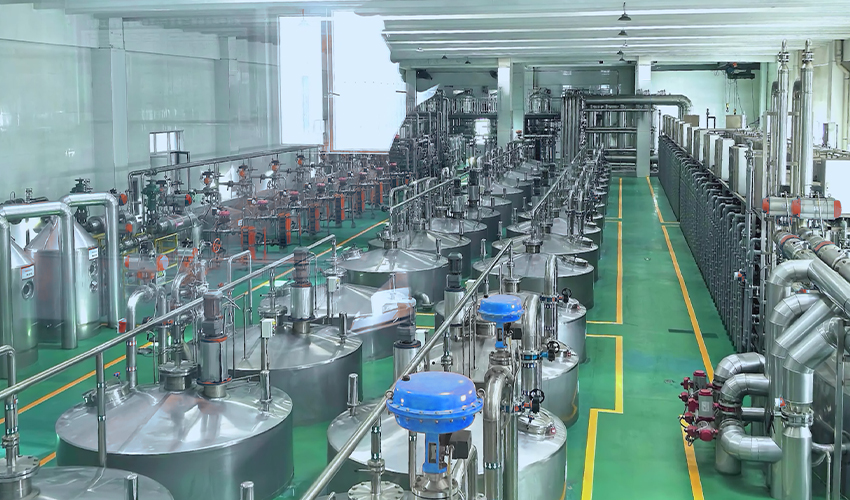
Equally important is the connection between particle size and downstream dewatering. In dry-grind ethanol plants, the whole stillage centrifugation step separates wet cake from thin stillage, and the cake moisture content is partly a function of the particle size distribution. A coarse grind yields a wetter cake that costs more to dry, while an excessively fine grind clogs centrifuges and reduces throughput. By co-optimizing the grinding spec with the centrifuge and dryer design, the plant gains a stable operational window that protects both ethanol yield and DDGS revenue.
Evaluating Equipment Suppliers and Total Cost of Ownership
When comparing equipment suppliers, purchase price alone is a misleading metric. A slightly cheaper hammer mill that consumes 15% more electricity and requires screen changes every 200 hours can double operational costs over a five-year period. Smart evaluation considers total cost of ownership consisting of energy, spare parts inventory, maintenance labor, and unscheduled downtime. Suppliers should be asked for performance guarantees tied to a defined corn specification, not just rated capacity.
Beyond the machine itself, engineering support matters. An experienced EPC contractor that understands the entire alcohol production chain—from corn receiving through anhydrous ethanol storage—can identify integration risks early and reduce project execution timeline. Working with a single partner for the crushing system and the rest of the plant ensures that equipment interfaces, control system integration, and energy balances are resolved during engineering, not after commissioning.
When evaluating suppliers, consider not just the mill price but the engineering support behind it. Contact AGRIFAM at [email protected] or call 010-8591 2286 to discuss your project requirements.
Common Questions About Corn Crushing for Alcohol Production
What is the difference between a hammer mill and a roller mill for corn ethanol?
Hammer mills use rotating hammers to impact and shatter corn kernels, producing a wide particle size distribution. Roller mills compress the kernel between corrugated rolls, resulting in a more uniform grind with fewer fines. Hammer mills are simpler and have lower upfront cost, but they consume more energy and require frequent maintenance. Roller mills are more expensive initially but offer lower operating costs and better particle size control, especially with wet corn. The choice hinges on plant size, corn quality, and energy cost structure.
Does corn particle size affect DDGS protein content?
Many operators focus exclusively on starch yield, but particle size also influences DDGS nutritional consistency. When grinding is too fine, a larger fraction of the corn germ and fiber escapes the distillation process and concentrates in stillage, potentially altering the protein-to-fiber ratio. While the protein percentage itself may not shift dramatically, the digestibility and amino acid profile can change because of variance in the proportion of endosperm versus pericarp material entering the DDGS stream. Consistent particle size is the key to producing a saleable feed ingredient that meets buyer specifications batch after batch.
How much does corn crushing equipment cost for a 100,000-ton ethanol plant?
It depends on whether you choose hammer mills, roller mills, or a combination, and on the degree of automation you require. For a plant of that scale, a basic hammer-mill-based crushing section might cost $500,000-$800,000 for the key machinery, while a multi-stage roller mill system with degerminator and fine grinding can exceed $2 million. These figures exclude civil works, electrical, and automation. The total installed cost will be higher, and it is wise to factor in annual maintenance and energy expense projections before finalizing a budget.
Can I use the same crushing setup for both alcohol and corn starch production?
In integrated facilities we have planned, a shared crushing section is possible if the particle size requirements for both processes are aligned. Corn starch production typically demands a more controlled and finer grind to maximize starch extraction and fiber separation, while fuel ethanol tolerates a coarser grind. If the facility must produce both products, we usually recommend a flexible milling circuit with bypass options and multiple stages, so that the grinding intensity can be adjusted without major changeovers. This approach increases upfront capital but offers operational versatility.
What is the most common mistake in setting up a corn crushing line?
Instead of focusing on a single machine mistake, I would point to a system-level error: under-sizing the material handling and buffer capacity between crushing and downstream processes. Many plants install a mill with adequate rated capacity but neglect the surge hoppers, conveyor speeds, and slurry tank sizing, creating frequent stops and starts that accelerate equipment wear and destabilize fermentation. Another oversight is ignoring the impact of corn variety and seasonal moisture swings on mill performance. If your project requires a crushing setup that must handle multiple corn grades while meeting strict particle size specs, get in touch with our team at [email protected]. We can help you avoid the most common integration pitfalls.
If you’re interested, check out these related articles:
Driving Global Food Conservation Through Technological Innovation