We have learned that high purity and strong yield in NK cell purification determine what follows. The work begins with careful PBMC separation and ends with enrichment that keeps contaminants low and recovery high. Here we bring together the biology that matters, the core methods from immunomagnetic selection to FACS, the protocol decisions that safeguard purity and viability, and where these cells are used, with practical checkpoints for quality, expansion, and materials.
Understanding NK Cells and PBMCs
Natural Killer (NK) cells sit at the center of innate immunity, guarding against viral infections and cancer. Unlike T and B lymphocytes, NK cells do not require prior activation or antigen presentation to recognize and kill target cells. This makes them powerful effectors in many immune responses. Their rapid response and potent cytotoxic capabilities are a major focus in cancer immunotherapy and infectious disease research. Understanding their biological functions underpins effective therapeutic development and research applications.
Peripheral Blood Mononuclear Cells (PBMCs) form a heterogeneous blood cell population characterized by a single, round nucleus. This group includes lymphocytes (T cells, B cells, NK cells) and monocytes. PBMCs are readily accessible from blood samples, which makes them common starting material for isolating specific immune cell populations for research, diagnostics, and therapeutic purposes. The diversity within PBMCs, however, demands robust purification methods that yield highly pure NK cell populations free from contaminants that could interfere with experimental outcomes or therapeutic efficacy.
The Role of Natural Killer Cells in Immunity
Natural Killer cells carry out immune surveillance as an early defense against abnormal cells. They identify and eliminate infected or cancerous cells through direct cytotoxicity, antibody-dependent cell-mediated cytotoxicity (ADCC), and the secretion of cytokines and chemokines. Their ability to distinguish between healthy and diseased cells without MHC restriction makes them uniquely effective. Rigorous study of NK cell biology and therapeutic potential depends on isolating these cells with high purity and viability.
What are Peripheral Blood Mononuclear Cells?
Peripheral Blood Mononuclear Cells are isolated from whole blood using density gradient centrifugation, often with Ficoll-Paque. This process separates PBMCs from red blood cells and granulocytes and yields a mixed population of lymphocytes and monocytes. While PBMCs provide a rich source of immune cells, further isolating specific subsets like NK cells remains the challenge. NK cells commonly constitute 5-20% of the total lymphocyte population. The presence of other immune cells can confound experimental results, highlighting the need for efficient and specific purification techniques.
Principles of NK Cell Purification
Purifying NK cells from PBMCs relies on techniques that leverage specific cellular characteristics, primarily surface marker expression. The goal is high purity and viability while maximizing yield, which is critical for downstream applications. Two primary methods dominate the field: immunomagnetic separation and flow cytometry-based sorting. Each offers distinct tradeoffs in scalability, purity, speed, and cost. Careful selection of the approach that fits the experimental or clinical need is important.
Immunomagnetic separation uses antibodies conjugated to magnetic beads that bind either target cells or unwanted cells. This supports positive selection, where NK cells are bound and isolated, or negative selection, where non-NK cells are removed and NK cells remain. Flow cytometry uses fluorescently labeled antibodies to identify and physically sort cells by light scatter and fluorescence. While delivering superior purity, flow cytometry is often slower and more expensive, which makes immunomagnetic methods a pragmatic choice for larger-scale or routine purifications.
Immunomagnetic Separation Techniques
Immunomagnetic separation is widely used for NK cell purification for its scalability, speed, and relatively lower cost compared with cell sorting. Magnetic beads coated with antibodies specific to cell surface markers drive the process. For NK cells, markers like CD56 and CD3 are commonly targeted. Positive selection directly labels NK cells with anti-CD56 antibodies conjugated to magnetic beads, followed by isolation in a magnetic field. Negative selection is often preferred for clinical applications to avoid antibody-bead contamination. It labels and removes non-NK cells such as T cells with anti-CD3, B cells with anti-CD19, and monocytes with anti-CD14, leaving a highly enriched NK cell population.
Flow Cytometry Based Sorting
Flow cytometry-based cell sorting, such as Fluorescence-Activated Cell Sorting (FACS), offers the highest purity for NK cell isolation, often exceeding 98%. PBMCs are stained with multiple fluorescently labeled antibodies specific for NK cell markers, for example CD3-negative and CD56-positive, alongside other lineage markers to exclude contaminants. Cells pass through a laser, light scatter and fluorescence are analyzed, and predefined parameters trigger electrostatic deflection of individual cells into collection tubes. FACS provides exceptional purity but is lower throughput, more time-consuming, and requires specialized equipment and expertise. The sorting process can sometimes affect cell viability.
Step-by-Step NK Cell Isolation Protocol
Successful NK cell purification rests on careful adherence to established protocols from the initial blood sample collection to the final enrichment step. The quality of the starting material, reagent choice, and precise execution at each stage drive purity, viability, and yield. An optimized workflow minimizes cell loss and stress so the purified cells are suitable for sensitive downstream applications, including functional assays, gene expression studies, or adoptive cell transfer therapies.
The process usually begins with PBMC isolation from whole blood, followed by either positive or negative selection using immunomagnetic beads. Each step benefits from gentle handling, accurate timing, and appropriate temperature control to maintain cell integrity. Understanding sample preparation details and the practical differences between positive and negative selection helps achieve optimal results and troubleshoot common isolation issues.
Sample Preparation and PBMC Isolation
Before NK cell purification, PBMCs are isolated from whole blood using density gradient centrifugation with a medium like Ficoll-Paque. Fresh blood samples are preferred to maintain high cell viability and functionality. Blood should be collected in anticoagulant-containing tubes, for example EDTA or heparin, and processed within a few hours. After centrifugation, the PBMC layer is carefully collected, washed multiple times to remove platelets and residual density gradient medium, and counted. The quality of PBMC isolation directly affects the efficiency and purity of subsequent NK cell enrichment.
Positive vs. Negative Selection Methods
Choosing between positive and negative selection is a key decision in NK cell purification. Positive selection targets and isolates NK cells using anti-CD56 antibodies conjugated to magnetic beads. While fast and straightforward, residual antibody-bead complexes can remain on the cell surface and interfere with downstream functional assays or clinical applications. Negative selection removes unwanted cells such as T cells, B cells, and monocytes using an antibody cocktail and magnetic beads, leaving the NK cells untouched and native. This approach is often preferred for therapeutic applications where an untouched population is desired, though yield can be slightly lower than with positive selection.
Comparison of NK Cell Selection Methods
| Feature | Positive Selection | Negative Selection |
|---|---|---|
| Principle | Directly binds and isolates NK cells | Removes non-NK cells, leaving NK cells untouched |
| Antibody Target | NK cell surface markers (e.g., CD56) | Non-NK cell markers (e.g., CD3, CD19, CD14) |
| Purity | High (can be >95%) | Very High (often >98%) |
| Yield | Generally higher | Can be slightly lower, but highly functional |
| Clinical Use | Potential for residual beads/antibodies on cells | Preferred for therapeutic applications (untouched cells) |
| Complexity | Simpler, fewer steps | More complex, requires antibody cocktail |
Critical Factors for High Purity and Yield
Achieving high purity and yield in NK cell purification underpins the success of subsequent research or clinical applications. Outcomes are shaped by the starting material, the discipline applied to the protocol, and how the final product is evaluated. Contaminating cell types can compromise results, and low yield can limit both studies and therapeutic feasibility. Understanding and controlling these variables are central to reliable and reproducible NK cell isolation.
Optimization at every step matters, from PBMC isolation through the final washes. Selecting high-quality reagents, such as recombinant proteins for cell culture when expansion is planned, also helps. We also ensure proper equipment calibration. Rigorous quality control, including post-purification assessment of purity and viability, is indispensable. Addressing cell clumping, non-specific binding, and shear stress can markedly improve efficiency and overall product quality.
Assessing Purity and Viability
After purification, purity and viability should be measured. Flow cytometry is the gold standard for purity assessment, using specific surface markers such as CD3-negative and CD56-positive to quantify NK cells and identify contaminants. Viability is commonly measured with dyes like propidium iodide or 7-AAD that stain dead cells, or with metabolic activity-based viability dyes. High purity, often >90-95%, and viability >90% indicate a successful purification and support reliable downstream experiments and safe cell therapies.
Minimizing Contamination and Maximizing Recovery
Contamination can stem from incomplete removal of unwanted cells during negative selection or non-specific binding during positive selection. Reducing contamination involves optimizing antibody concentrations, performing thorough washes, and using high-quality, specific antibodies. Maximizing recovery depends on gentle handling to limit shear stress, fine-tuning centrifugation speeds, and minimizing losses during transfers. The use of high-quality, certified reagents, such as recombinant proteins from reputable suppliers, can support better cell health and recovery, especially when cells are cultured after purification.
Applications of Purified NK Cells
Purified NK cells underpin a wide range of biomedical research and clinical applications. Their cytotoxic and immunomodulatory functions are central to dissecting immune responses, developing cancer therapies, and exploring treatment strategies for infectious diseases. Access to highly pure and functional NK cell populations has accelerated progress in basic immunology, drug discovery, and cell-based immunotherapies. Demand continues to grow as their therapeutic potential becomes more widely recognized.
From in vitro functional assays to in vivo preclinical models and clinical trials, purified NK cells support diverse investigations. They enable studies of NK cell development, activation pathways, and interactions with other immune and target cells. Advances in NK cell expansion and genetic engineering also depend on efficient initial purification. The insights gained shape our understanding of immunity and open paths to new therapeutic strategies.
Research and Immunotherapy
Purified NK cells are indispensable for fundamental immunology, allowing focused study of NK-specific functions, signaling pathways, and crosstalk with other immune cells without interference from contaminants. In cancer immunotherapy, purified NK cells are being explored for adoptive cell transfer, where cells are isolated, expanded ex vivo, and reinfused to target and kill cancer cells. Their potential across multiple malignancies, alone or in combination with other therapies, is a major area of active research and clinical development.
Future Directions in NK Cell Therapy
NK cell therapy is evolving quickly. Current directions aim to enhance persistence, targeting specificity, and anti-tumor potency. This includes genetic engineering to create chimeric antigen receptor NK cells (CAR-NK cells) for improved tumor recognition, developing off-the-shelf allogeneic NK products, and combining NK therapies with checkpoint inhibitors or other immunomodulators. Consistent purification of high-quality NK cells remains a foundation for translating these strategies from bench to bedside.
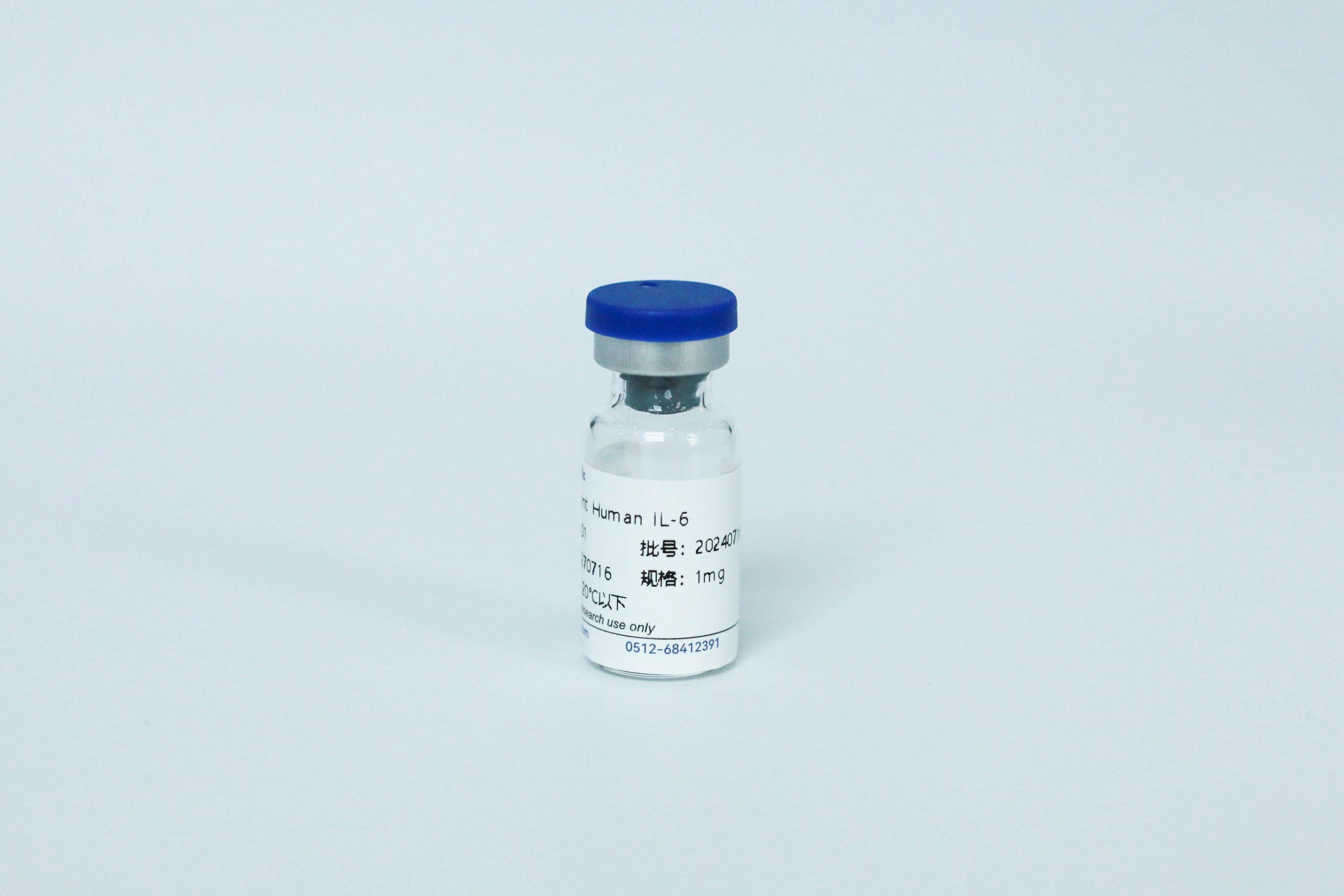
Elevate Your Research with East-Mab Bio
Advance your NK cell research and therapeutic development with high-quality recombinant protein raw materials. Explore East-Mab Bio’s extensive catalog of cell culture proteins, IVD diagnostic proteins, and enzymes designed to support optimal cell health and experimental integrity. Contact us to learn how our products can enhance your NK cell purification and downstream applications.
Email: [email protected]
Phone: +86-400-998-0106
FAQs
1. What are the main advantages of negative selection for NK cell purification?
Negative selection is often preferred for clinical applications and sensitive functional assays. It yields an untouched NK cell population, meaning cells are not bound by antibodies or magnetic beads. This minimizes potential activation or functional alteration that can accompany positive selection and preserves the cells’ native state and functionality.
2. How can I verify the purity and viability of my isolated NK cells?
Flow cytometry is the most common and reliable approach. Assess purity by staining for NK markers, for example CD56+ CD3-, and quantifying their fraction within the total population. Measure viability with vital dyes such as propidium iodide or 7-AAD, which are excluded by live cells and enter dead cells for detection.
3. What are the common challenges encountered during NK cell purification?
Frequent challenges include reaching high purity without sacrificing yield, maintaining viability throughout the process, preventing cell clumping, and minimizing carryover from other cell types. The quality of the starting blood sample, protocol precision, and reagent choice strongly influence these outcomes. Step-by-step optimization and high-quality reagents help resolve these issues.
4. Can NK cells be expanded after purification for therapeutic use?
Yes. Purified NK cells can be expanded ex vivo using cell culture techniques and specific cytokines, for example IL-2, IL-15, and IL-21, along with feeder cells. Expansion is often needed to generate sufficient numbers for adoptive cell transfer in cancer immunotherapy. High-quality cell culture media and recombinant proteins support reliable and robust NK cell expansion.
5. What role do recombinant proteins play in NK cell research and therapy?
Recombinant proteins are central to NK cell research and therapy, particularly during cell culture and expansion. Cytokines such as recombinant IL-2, IL-15, and IL-21 are required for NK cell activation, proliferation, and survival in vitro. High-quality, animal-free recombinant proteins provide consistent growth conditions, supporting research reproducibility and the safety and efficacy of cell-based therapies. East-Mab Bio specializes in supplying these high-quality recombinant protein raw materials.