
When you spend enough time working with surface finishing tools, you start noticing which ones earn their place in the rotation and which ones collect dust. Nylon abrasive wheels fall firmly into the first category. They handle deburring, cleaning, and finishing work with a consistency that wire brushes simply cannot match. The controlled abrasive action means you can work on aluminum one hour and stainless steel the next without constantly second-guessing your approach. Getting the grit and size right matters more than most people realize, though. The wrong combination turns a straightforward job into a frustrating exercise in damage control.
How Nylon Abrasive Wheels Actually Work
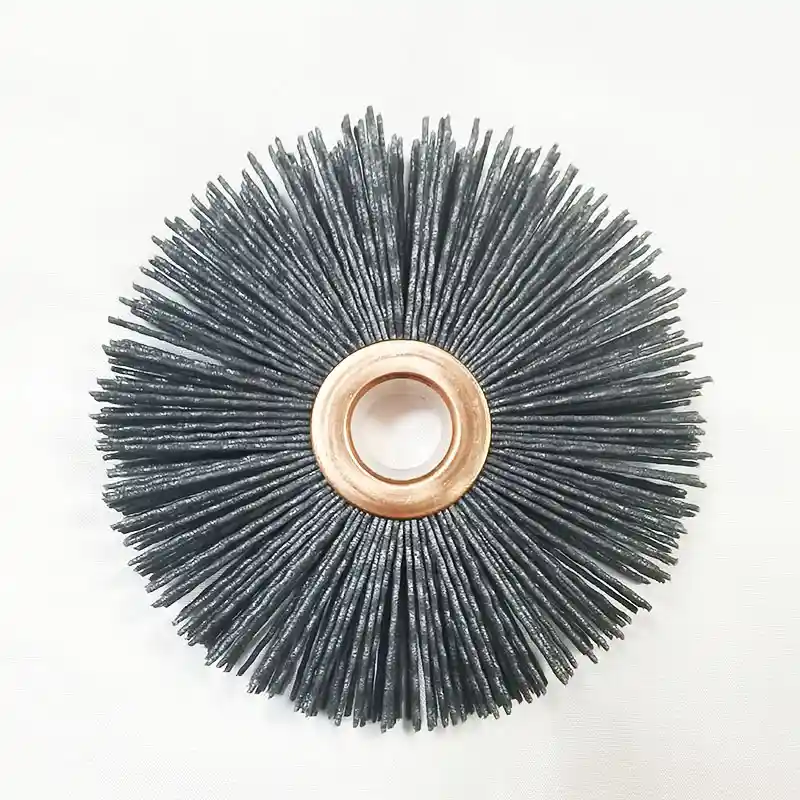
Nylon abrasive wheels consist of synthetic fibers with abrasive grains embedded throughout the filament structure. This design differs fundamentally from surface-mounted abrasives that wear away and lose effectiveness. The abrasive particles sit within the nylon itself, so fresh cutting surfaces expose continuously as the filaments wear down.
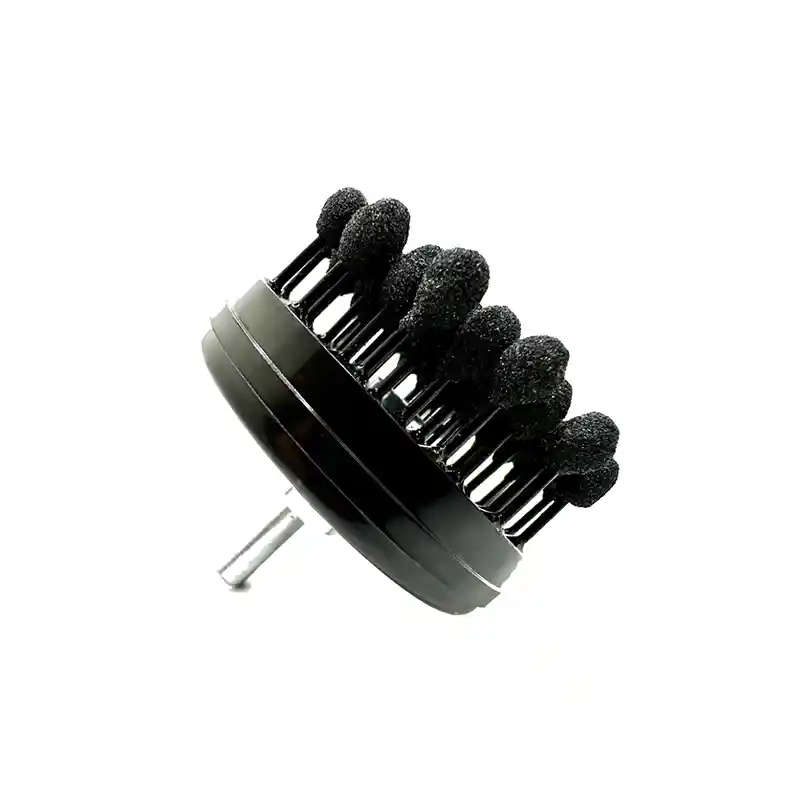
These wheels attach directly to standard drills, converting them into capable surface treatment tools. The gentler action compared to wire brushes makes a real difference when you need material removal without reshaping the workpiece. Uniform grain distribution throughout the filaments creates predictable performance from the first use to the last. This consistency matters in production environments where surface finish specifications leave little room for variation.
The nylon filament construction also prevents the loading problems that plague other abrasive types. Soft metals like aluminum tend to clog traditional abrasives, but the flexible filaments shed debris rather than accumulating it.
Matching Grit to Your Actual Application
Grit selection determines whether a job goes smoothly or becomes an exercise in frustration. The abrasive grain type and size need to match both the material and the finish you want to achieve.
| Grit Size | Abrasive Type | Application Examples | Desired Finish |
|---|---|---|---|
| Coarse | Aluminum Oxide | Heavy deburring, rust removal, paint stripping | Aggressive material removal |
| Medium | Silicon Carbide | Blending, light deburring, surface preparation | Satin finishing |
| Fine | Aluminum Oxide/SC | Polishing metal, wood finishing, light cleaning | Smooth, polished |
| Very Fine | Silicon Carbide | High-gloss polishing, delicate surface conditioning | Mirror finish |
Coarse grits in the 60-80 range work best when you need aggressive stock removal. Rust that has had time to establish itself, heavy mill scale, or thick paint layers all call for this level of cutting action. Medium grits around 120-180 handle the bulk of general work. Surface preparation before coating, blending weld marks, and light deburring all fall into this range. Fine grits from 240 upward produce the polished results that finishing operations require.
Silicon carbide abrasive cuts faster on harder materials and produces a sharper scratch pattern. Aluminum oxide abrasive offers better durability and works well across a broader range of applications. Many finishing sequences use both types, starting with silicon carbide for initial cutting and switching to aluminum oxide for final blending.
What Grit Works Best for Rust Removal
Medium grit nylon abrasive wheels in the 80-120 range handle most rust removal effectively. This level of aggressiveness strips oxidation without gouging the base metal underneath. Surface rust comes off quickly, and the flexible filaments follow contours that rigid abrasives would skip over.
Heavily corroded surfaces sometimes need a two-step approach. Start with a coarser 60-grit wheel to break through the worst areas, then follow with medium grit to blend the surface. Testing on an inconspicuous spot first prevents surprises on visible areas.
Getting the Physical Dimensions Right
Wheel diameter and shank size determine whether a nylon abrasive wheel will even work with your equipment. Beyond basic compatibility, these dimensions affect how the wheel performs in actual use.
Selecting the Right Size for Your Drill
Check your drill’s chuck capacity first. Most standard drills accept 1/4-inch shanks, while larger industrial drills may handle 3/8-inch or larger. Using an undersized shank in a large chuck creates runout problems that show up as uneven wear and inconsistent finishes.
Wheel diameter should match the work at hand. Smaller wheels in the 2-3 inch range excel at detailed work, tight spaces, and intricate geometries. Larger wheels cover broad surfaces faster but need more power to drive effectively. A 4-inch wheel on an underpowered drill bogs down under load and produces poor results.
RPM ratings matter more than many users realize. Every nylon abrasive wheel has a maximum safe operating speed. Exceeding this limit generates heat that degrades the nylon filaments and creates safety hazards. Variable-speed drills offer the flexibility to match wheel specifications precisely.
Where These Wheels Prove Their Value
Nylon abrasive wheels show up across manufacturing sectors because they solve real problems that other tools handle poorly. The controlled abrasive action suits applications where precision matters more than speed.
Metal fabrication shops use these wheels constantly for deburring machined parts. Sharp edges and burrs from cutting, drilling, and milling operations need removal before parts move to assembly or finishing. The flexible filaments reach into corners and follow edges that rigid tools miss entirely.
Automotive work relies heavily on surface preparation before painting or coating. Paint adhesion depends on proper surface profile, and nylon abrasive wheels create consistent texture without the deep scratches that show through finish coats. Marine maintenance presents similar challenges with the added complication of corrosion-resistant coatings that need proper surface preparation.
Aerospace applications demand the tightest tolerances. Deburring critical components requires removing material precisely without affecting dimensional accuracy. The predictable cutting action of nylon abrasive wheels suits these requirements better than more aggressive alternatives.
For more detailed insights into specialized tools, consider reading about 《honing brush a magic tool for flexible burr removal》.
Working with Different Metal Types
Nylon abrasive wheels handle most common metals effectively. Steel, aluminum, brass, and stainless steel all respond well to proper grit selection. The non-loading characteristic proves especially valuable on softer metals like aluminum, where traditional abrasives clog quickly and start smearing rather than cutting.
Very hard alloys or applications requiring aggressive stock removal may call for different tooling. These wheels excel at finishing and light material removal rather than heavy grinding. Testing on scrap material of the same alloy confirms whether the approach will work before committing to production parts.
Making Your Wheels Last Longer
Proper technique extends wheel life significantly while improving results. A few basic practices make a noticeable difference in both performance and longevity.
Operating speed affects everything. Running below the recommended RPM range reduces cutting efficiency. Running above it generates heat that breaks down filaments prematurely and creates safety concerns. Matching drill speed to wheel specifications produces the best combination of performance and durability.
Pressure application requires restraint. Light, consistent contact lets the abrasive do the work. Pushing harder forces filaments to bend excessively, which accelerates wear without improving material removal. The temptation to bear down when progress seems slow usually makes things worse.
Some applications benefit from wet operation. Water or appropriate cutting fluids carry away heat and debris, extending wheel life and improving surface finish quality. Heat-sensitive materials particularly benefit from wet processing. Other applications work better dry, so matching the approach to the specific situation matters.
Regular cleaning removes accumulated debris that reduces cutting effectiveness. A stiff brush or compressed air clears material from between filaments. Proper storage in dry conditions away from temperature extremes and chemical exposure preserves the nylon material properties between uses.
Finding a Supplier That Delivers Consistently
Product quality varies significantly across suppliers. A reliable source for industrial abrasive brushes provides consistent products, technical support, and the flexibility to handle custom requirements.
Shanghai Huixi Trading Co., Ltd. brings 16 years of production experience to industrial brush manufacturing. The combination of factory operations in Anhui Province and trading company presence in Shanghai enables competitive pricing alongside technical expertise. ODM and OEM services accommodate custom specifications when standard products do not quite fit the application.
Export experience spanning Europe, North America, Australia, New Zealand, the Middle East, and Southeast Asia demonstrates the ability to meet international quality expectations. Product range includes cylindrical brushes, spiral brushes, strip brushes, wheel brushes, tube brushes, disc brushes, drill brushes, and wire scratch brushes alongside nylon abrasive wheels.
Work with a Manufacturer That Understands Your Applications
Shanghai Huixi Trading Co., Ltd. combines 16 years of manufacturing expertise with the technical support that complex applications require. From precise deburring brush work to demanding polishing operations, our abrasive nylon brush products deliver the performance that production environments demand. Custom specifications, competitive pricing, and low minimum order quantities make it straightforward to get exactly what your processes need.
Email: [email protected]
Phone: +86 1580 0932 713
FAQs
Why Choose Nylon Abrasive Wheels Instead of Wire Brushes
Nylon abrasive wheels produce more consistent finishes with less risk of surface damage. Wire brushes cut aggressively and can scratch or mar softer metals, while nylon filaments provide controlled material removal that suits delicate surfaces and precision work. The non-loading properties prevent the buildup problems that wire brushes experience on aluminum and other soft materials. Applications requiring specific surface profiles or controlled deburring benefit most from the predictable action of nylon abrasive wheels.
How Grit Size Affects Industrial Cleaning Results
Grit size controls both cutting aggressiveness and final surface texture. Coarser grits in the 60-80 range remove material quickly for heavy deburring, rust stripping, and paint removal. Medium grits around 120-180 balance material removal with surface quality for general cleaning and preparation work. Fine grits from 240 upward produce polished surfaces suitable for finishing operations. Selecting the wrong grit either removes too much material or fails to achieve the required surface condition, so matching grit to application requirements directly affects both results and efficiency.
Can You Get Custom Nylon Abrasive Wheels for Specific Equipment
Custom specifications are available for applications where standard products do not fit. Shanghai Huixi Trading Co., Ltd. provides ODM and OEM services covering grit type, wheel diameter, shank size, and filament density. Technical support helps determine the right combination for specific machinery or unusual applications. Custom manufacturing ensures optimal performance when standard options fall short of requirements.