A customer walks into a hotel lobby and immediately feels a sense of calm and luxury. That feeling is not accidental; it is the direct result of scent marketing psychology at work, where carefully formulated fragrances trigger emotional responses that influence perception and spending. Scent marketing psychology shapes purchasing decisions by connecting brands with consumers on a deeply emotional level, and when supported by precise diffusion technology and culturally aware scent selection, it becomes a measurable driver of brand loyalty and revenue.
Understanding the Psychology Behind Scent Marketing
Smell is the only sense with a direct neural pathway to the brain’s limbic system, the region responsible for emotion, memory, and motivation. When a consumer encounters a fragrance in a commercial space, the olfactory signal bypasses the thalamus and arrives at the amygdala and hippocampus almost immediately. This means scent forms emotional associations before the conscious mind can analyze them. In a retail store, that split-second response can be the difference between a customer who lingers and one who walks out. In my experience working with global brands across 68 countries, I have observed that even slight adjustments in scent intensity or note composition can shift the emotional tone of a space from energetic to tranquil, directly affecting dwell time and purchase likelihood.
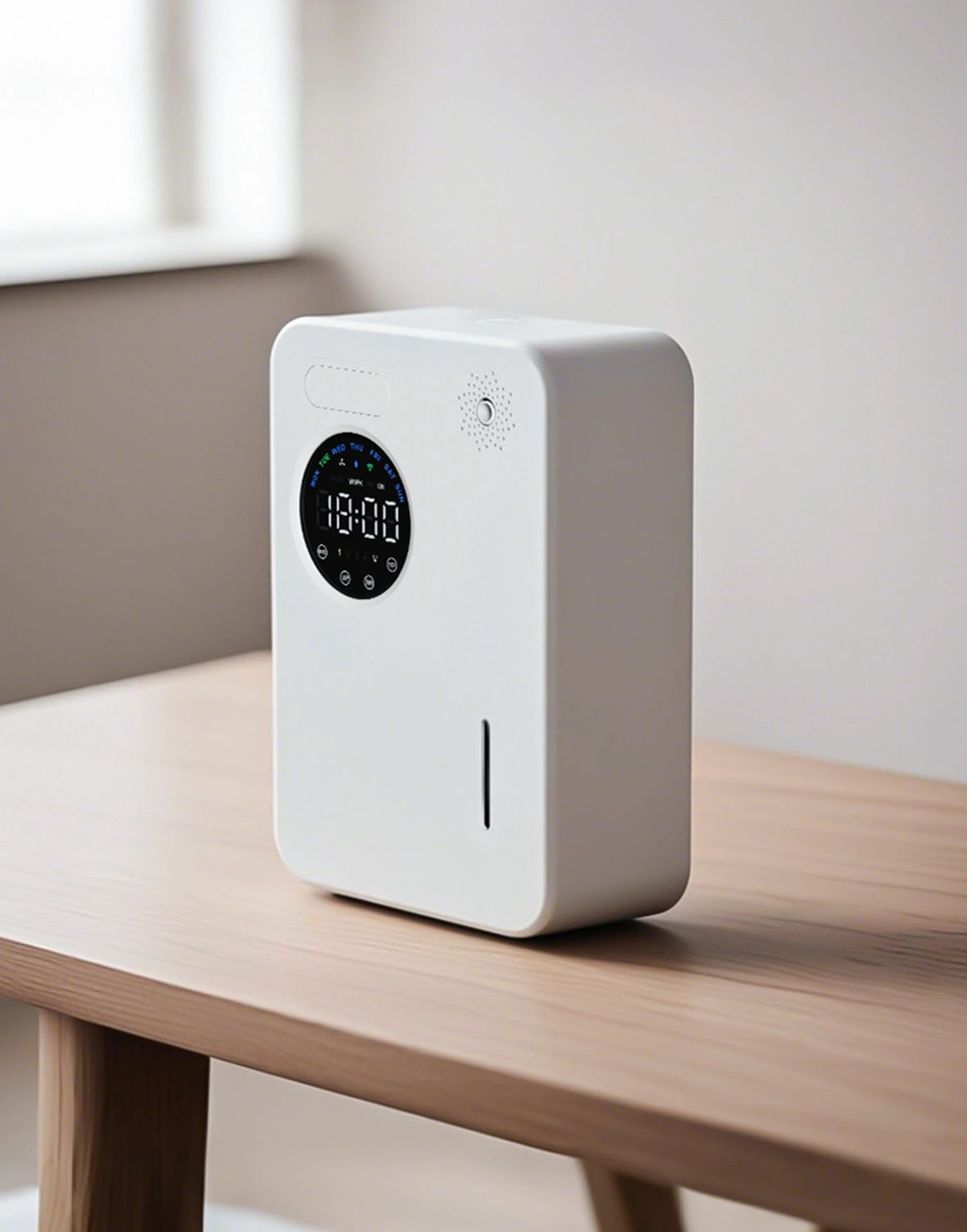 How Scent Triggers Emotional Connections and Brand Memory
The Proust effect—the phenomenon where a scent triggers a vivid, emotionally charged memory—is the foundation of scent branding. A signature fragrance that consistently greets customers at every touchpoint becomes an associative anchor for the brand. Over time, smelling that scent outside the store can reactivate feelings of trust and familiarity, reinforcing brand recall. The practical challenge is maintaining that consistency. A fragrance that is too weak fails to register; one that is overpowering triggers avoidance. The right diffusion system must deliver an even concentration across the space, matching the brand’s emotional intent. For example, a luxury boutique aiming for an exclusive, intimate atmosphere might use a cold-air nebulizing diffuser with precise Bluetooth control, while a large hotel lobby requires an HVAC-integrated system covering thousands of square feet without varying intensity.
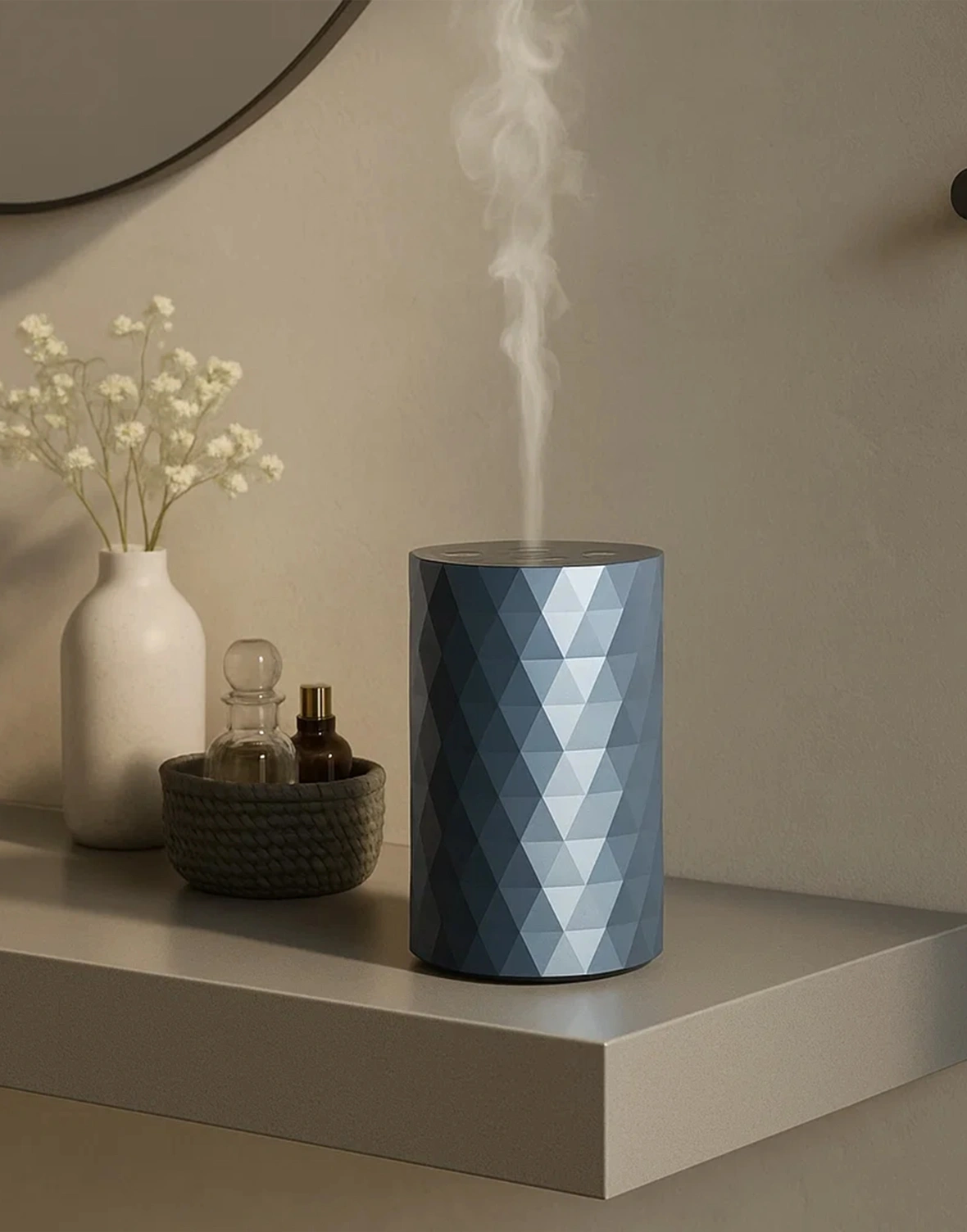
Cultural and Contextual Factors in Scent Perception
What evokes comfort in one market may feel unfamiliar in another. Cultural conditioning shapes scent preferences: citrus and green notes are often associated with cleanliness in Western markets, while oud and sandalwood carry connotations of prestige and hospitality across the Middle East and parts of Asia. When a European fashion brand expanded into Southeast Asia, I recommended moving from sharp, ozonic top notes to warmer, spicier blends. The adjustment was subtle at the formulation level but immediately improved customer in-store engagement. This cultural sensitivity extends beyond geography. A fitness center and a high-end jewelry store both benefit from scent, but their psychological objectives are opposite: the gym needs invigorating, energizing notes, while the jeweler wants calm, focused attention. The same fragrance strategy for both would undermine the customer experience in one of them.
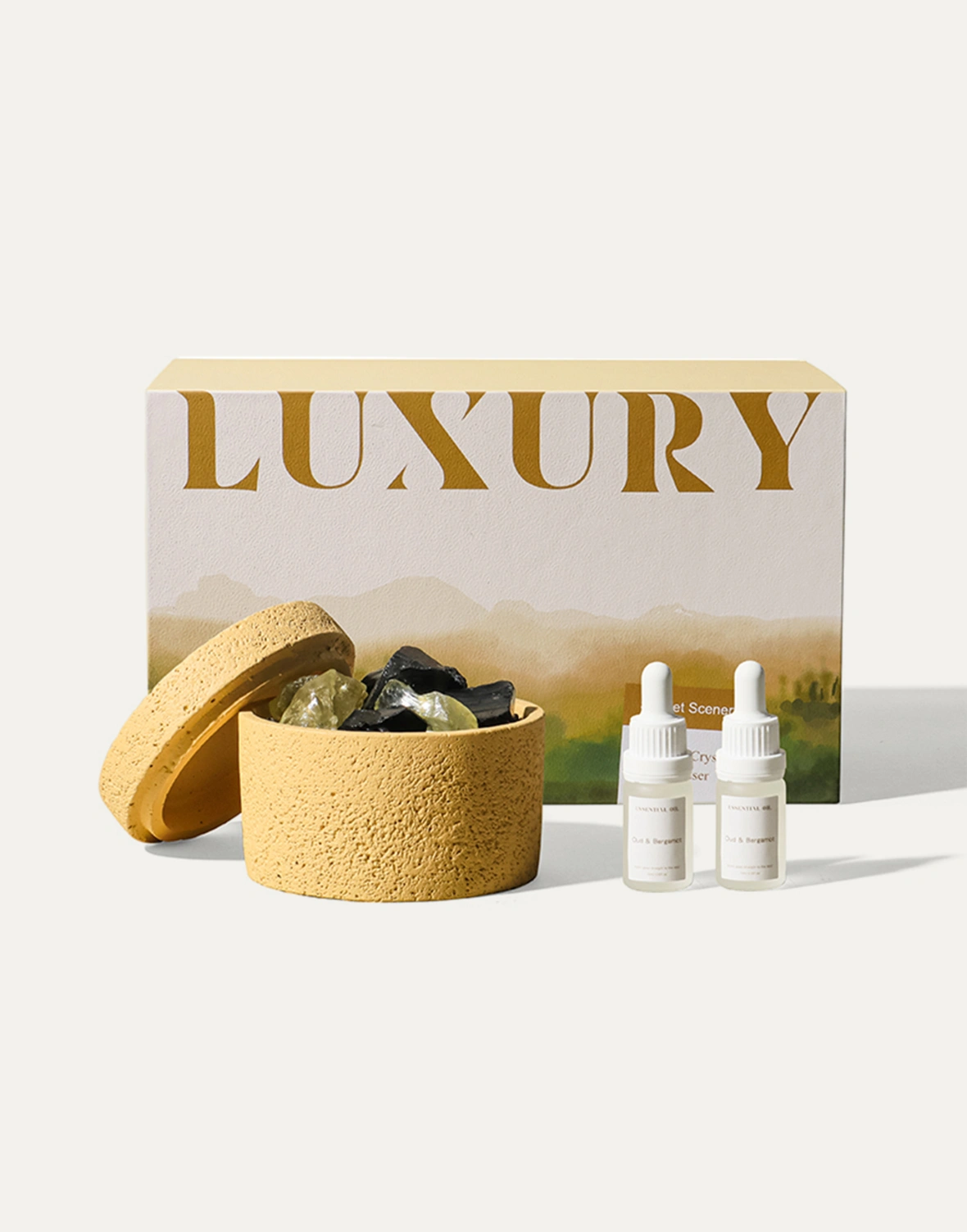
The Technology of Scent Delivery: Why Diffusion Matters for Psychological Impact
Even the most well-crafted fragrance fails if the delivery system cannot sustain consistent output. Psychological effect relies on predictability: the consumer’s brain learns the scent-scene association over repeated exposures. If coverage varies due to air currents, HVAC cycles, or inconsistent equipment, the emotional anchor weakens. A commercial-grade diffuser with programmable scheduling and adjustable intensity preserves that consistency. The following table compares common diffusion technologies and their suitability for different psychological objectives.
| Technology | Coverage | Best For | Psychological Suitability |
|---|---|---|---|
| Cold Air Nebulizing | 300–1,000 sq ft | Boutiques, offices | High fidelity scent reproduction for nuanced emotional triggers |
| HVAC-Integrated Atomization | 10,000–30,000 sq ft | Hotels, malls | Uniform large-space coverage for ambient comfort and brand signature |
| Ultrasonic / Waterless | 300–3,000 sq ft | Mid-size retail, spas | Quiet operation, subtle presence; ideal for relaxation-focused spaces |
| Battery Wall Mount | 750 sq ft | Restrooms, corridors | Low-maintenance background scenting for utility spaces |
If your program spans multiple locations across different climate zones, the diffusion technology you choose must handle variations in humidity and temperature. These variables affect how fragrance molecules disperse, and what a customer perceives in a humid Bangkok hotel lobby can differ substantially from the same settings in a dry Dubai mall. If you are evaluating systems for complex environments, it is worth confirming real-world coverage data before finalizing your specification—reach out at [email protected] to discuss your floorplans.
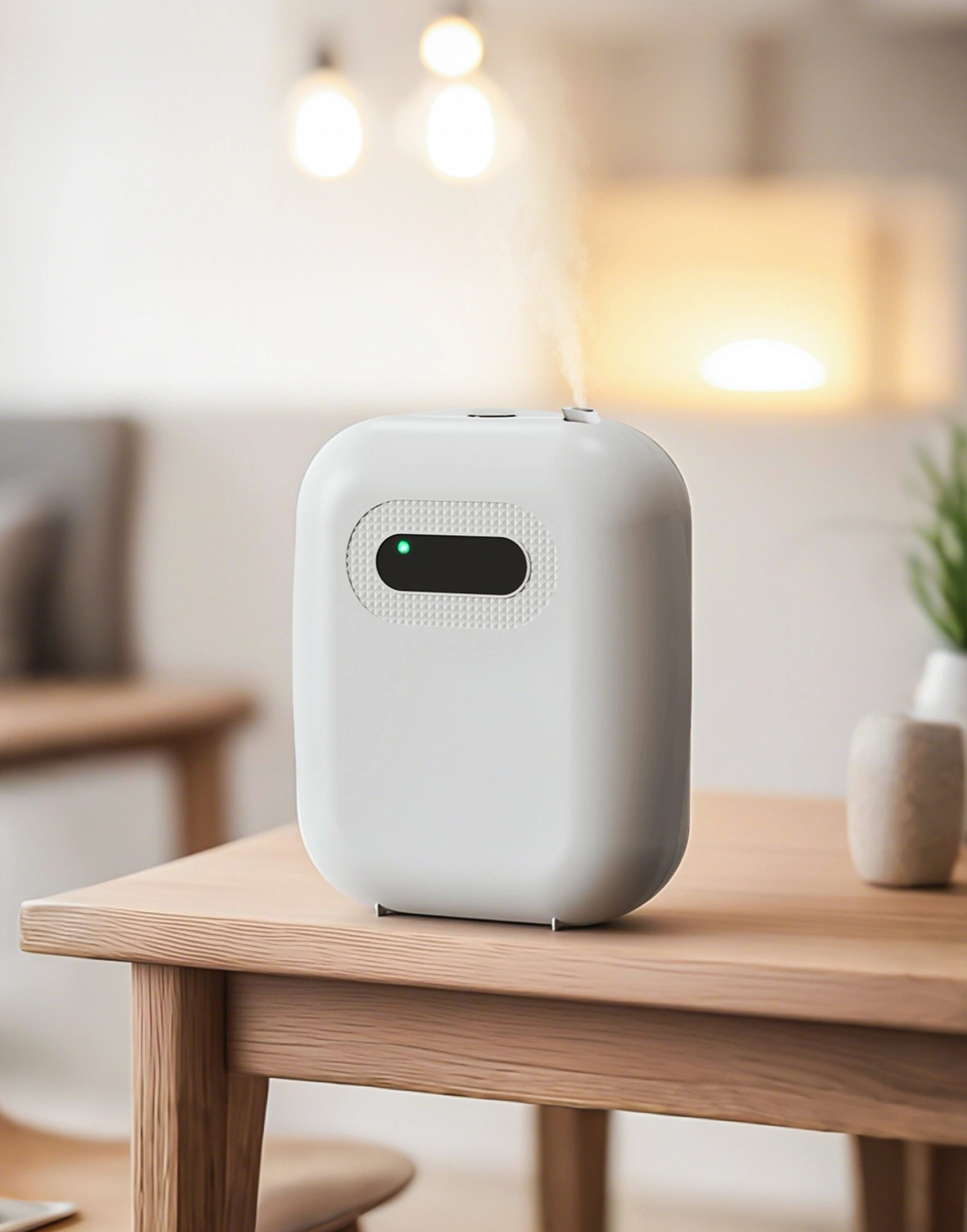
Implementing Scent Psychology Across Different Commercial Spaces
Hotels, retail stores, offices, and healthcare facilities each have distinct psychological goals for scent. A hotel might layer a crisp top note in the lobby to signal cleanliness with a warmer base note in the lounge to encourage lingering. An office might select fragrances shown to support focus—citrus blends with rosemary, for example—while avoiding heavy florals that can feel oppressive over an eight-hour day. The key is aligning the scent’s emotional profile with the space’s function, then verifying that alignment through on-site testing. In one project, a co-working space we supported found that a green, earthy scent reduced perceived crowding during peak hours, increasing member satisfaction scores by simply adjusting the fragrance profile without changing the physical layout.
Measuring the Impact: From Psychological Response to Business Metrics
Quantifying the effect of scent marketing psychology starts with defining clear behavioral indicators: dwell time, repeat visits, average transaction value, and customer satisfaction scores. A controlled A/B testing approach—scent on versus scent off over similar time periods—can isolate the olfactory variable. More advanced programs use exit surveys to capture emotional vocabulary, mapping terms like “relaxed,” “elevated,” or “welcomed” against the scent’s intended profile. The data often confirms what the psychology predicts: environments that “feel” right produce better commercial outcomes. The challenge is that these results depend on a chain of execution from scent formulation to ongoing maintenance. A poorly maintained diffuser that sputters or under-delivers introduces noise into the data and erodes the very emotional consistency the program was designed to create.
How to Start Using Scent Marketing Psychology in Your Business
A scent marketing program built on sound psychology requires aligning your brand identity with a tailored fragrance, selecting the right diffusion technology for your space, and planning for cultural nuances if you operate in multiple regions. Scent-Share’s team has developed over 300 scent types for clients in 68 countries, matching psychological objectives to fragrance profiles and equipment specifications. If you are ready to explore how scent marketing psychology can become a measurable asset for your brand, send your space details and goal description to [email protected] or call +86 185 6557 5758 for a tailored consultation.
Common Questions About Scent Marketing and Consumer Psychology
How quickly does scent marketing psychology affect consumer behavior?
The olfactory system’s direct link to the limbic system means that emotional and behavioral effects can begin within seconds of entering a scented space. Longer-term associations, such as brand memory formation, strengthen with repeated exposure over several weeks. In retail pilot programs I have observed, measurable changes in dwell time appear within the first two weeks, but the deeper brand loyalty effects become clear only after consistent application across an entire quarter.
Are certain fragrances universally effective?
No single fragrance works across all cultures and contexts. While pleasantness is somewhat universal at the broad level of preference, the specific emotional meanings attached to scents vary significantly. Lavender signals relaxation in many Western contexts but may be associated with grandmotherly outdatedness in others. That is why global brands require a culturally aware fragrance partner who can adapt scent profiles without losing brand consistency. Share your target markets with your fragrance supplier and ask for a cultural relevance assessment before committing to a roll-out.
Can small businesses benefit from scent marketing psychology?
Absolutely. Small spaces often benefit more easily because the controlled environment allows a single well-placed diffuser to create a complete sensory experience. A boutique with 500 square feet can achieve the same psychological impact as a department store if the scent diffusion is consistent and the fragrance aligns with the intended emotional response. The level of technical investment should match the space, not the brand size. If you are unsure which technology fits your specific layout, it is worth discussing your floorplan with a specialist to avoid over-engineering or under-delivering—send your requirements to [email protected] for a practical recommendation.
If you’re interested, check out these related articles: