
Exhibiting at an auto parts exhibition in China is not about renting floor space—it’s about positioning your factory in front of thousands of qualified overseas buyers who are actively seeking direct manufacturers. In my years of working with automotive aftermarket suppliers, the exhibitors who treat the event as the start of a strategic relationship rather than a sales counter consistently see better ROI. This guide shows how to use industrial cluster identity, digital pre-engagement, and practical booth strategies to attract international procurement teams, whether you manufacture engine components in Shiyan or NEV parts in Zhejiang.
Why Exhibit at a China Auto Parts Trade Show
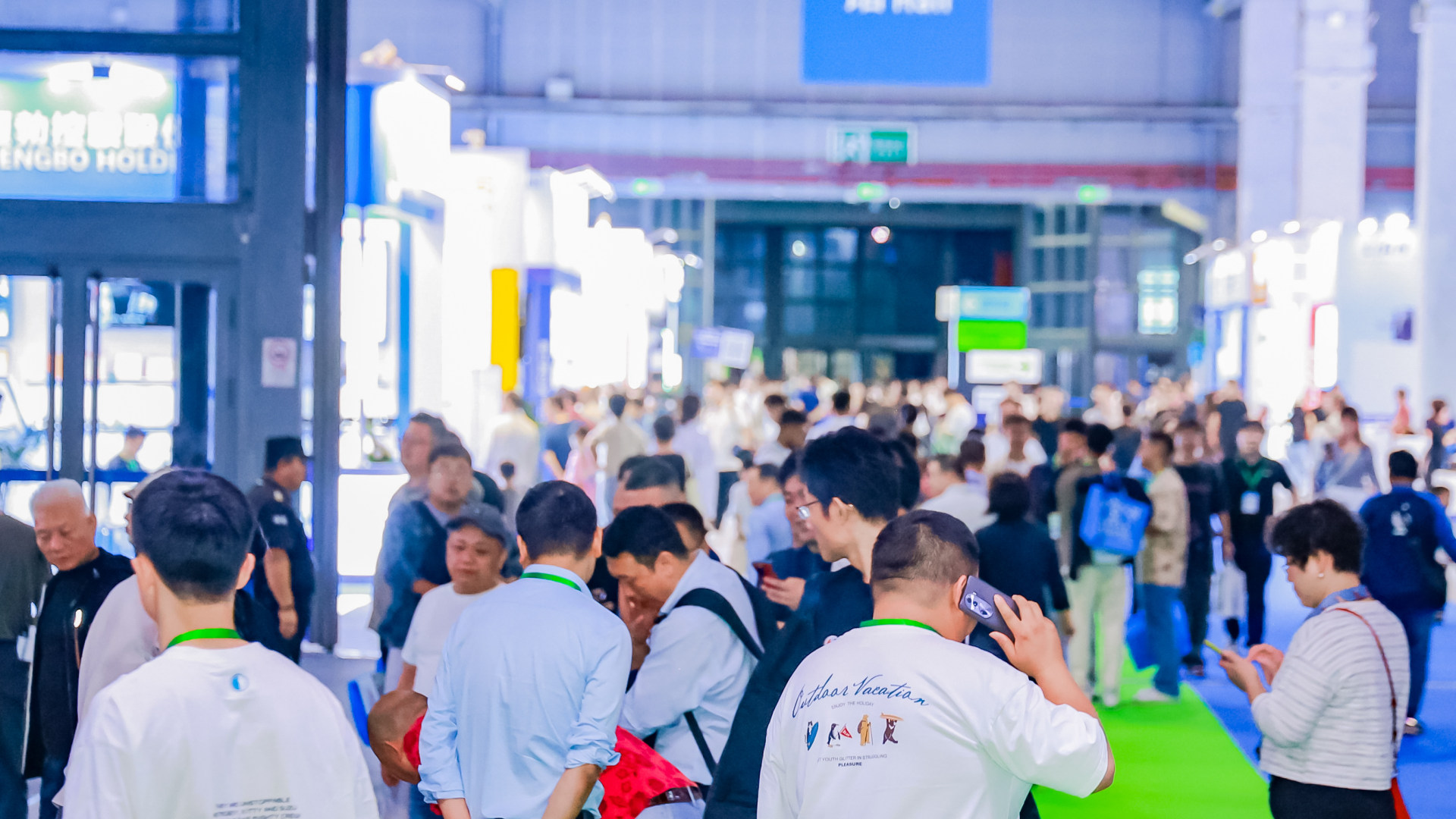
A large-scale China auto parts exhibition like APES 2026 brings together over 35,000 buyers from 100+ countries under one roof. That concentration of decision-makers is impossible to replicate with online catalogs alone. For an OEM or aftermarket supplier, the show floor offers a chance to physically demonstrate product quality, have real-time specification discussions, and build trust that email chains never deliver.
Beyond face-to-face meetings, the exhibition acts as a launchpad for new products. I have seen suppliers from Changzhou automotive lighting or Ruian brake systems use the expo to debut products specifically for Southeast Asian and Middle Eastern markets, generating months of orders from a single event. The key is to approach the show not as a one-time sales opportunity but as the starting point of a multi-year export channel.
Choosing the Right Exhibition and Setting Up Your Booth
Not all auto parts exhibitions in China are equal. Some, like Automechanika Shanghai, draw mass general audiences, while an event like APES Shanghai focuses on factory-direct manufacturers and structured buyer matchmaking. When selecting a show, look for the number of pre-registered international buyers, the presence of industrial cluster pavilions, and the quality of digital tools offered to exhibitors.
Booth format matters for first impressions. A standard shell scheme booth (9sqm) typically costs a fraction of a raw space option and works well for companies testing the China exhibition landscape. Raw space gives you freedom to design an experience that highlights your manufacturing capability, but it requires a larger budget and earlier booking. The table below outlines common booth options and what they suit.
| Booth Type | Size | Best For | Approximate Cost Range (per sqm) |
|---|---|---|---|
| Shell scheme | 9 – 18 sqm | First-time exhibitors, sample displays | $350 – $550 |
| Raw space (min. 36 sqm) | 36 sqm+ | Established exporters, equipment demos | $250 – $400 |
| Custom pavilion | Cluster-wide area | Regional industrial clusters | Varies by design |
If your program includes heavy or interactive displays, it is worth confirming floor load capacity and electrical requirements early, as raw space layouts offer more flexibility for technical setups but require detailed planning.
Standing Out: Industrial Cluster Identity and Digital Promotion
The Chinese auto parts landscape is organized into specialized industrial clusters—Yuhuan for chassis, Ruian for brakes, Qinghe for filters, and Shiyan for commercial vehicle parts. In my work with exhibition planning, I have observed that a booth clearly branded with its cluster origin draws in buyers who are looking for concentrated expertise. A buyer sourcing brake calipers will deliberately walk the Ruian section because they know they will find multiple comparable suppliers in one aisle.
To amplify this on-floor advantage, start digital promotion at least eight weeks ahead of the show. A simple sequence of LinkedIn posts, WeChat updates, and direct buyer outreach announcing your booth number, product focus, and cluster affiliation can generate 20–30 pre-scheduled meetings. Exhibitors who wait until the show to connect often miss decision-makers whose schedules are already full.
Engaging Buyers Before, During, and After the Show
Meeting a qualified buyer at your booth is the outcome of a process, not the starting point. Pre-show digital engagement primes the relationship; during the show, your booth team must be ready with product knowledge, pricing structures, and lead qualification forms that separate serious procurement from information gathering.
One approach that I have seen work well: train one technical staff and one commercial staff per booth, with a clear handoff from product inquiry to commercial negotiation. After the show, follow up within 48 hours with a personalized message referencing the conversation, not a mass email. In my experience, the first follow-up window separates the deals that close from the leads that go cold.
If your export strategy targets specific buyer regions such as the Middle East or Southeast Asia, confirm whether the exhibition offers dedicated matchmaking sessions for those markets before you commit to a booth. APES 2026, for example, has embedded buyer delegations from over 60 countries into its event architecture, which can save you months of independent outreach.
Turn Your Exhibition Investment into Export Orders
An exhibition booth in China is a high-visibility commitment, and the exhibitors who get the most value are those who align their booth strategy with a clear sourcing narrative. The pain point many manufacturing SMEs face is spending thousands on travel, booth rental, and logistics, only to return with generic business cards and no structured follow-up.
The solution is to shift from a product-display mindset to a sourcing-partner mindset. Your booth should tell a story: we are a factory-direct supplier from a recognized industrial cluster, we have IATF 16949 certification, we can handle OEM and ODM requirements, and our production line is open for buyer audit. This narrative, combined with pre-show digital engagement and a disciplined post-show follow-up system, turns an exhibition appearance into a sustainable export pipeline.
If you are considering exhibiting at an auto parts exhibition in China and want to discuss how to position your company for maximum buyer engagement, share your product category and target markets with us at [email protected] or call +021-60280788. We can walk through booth planning, cluster alignment, and the digital tools that APES offers to connect you with global buyers.
Common Questions About Exhibiting at China’s Auto Parts Shows
How are overseas buyers pre-qualified for APES exhibitions?
APES uses a combination of digital registration data, past exhibition behavior, and direct outreach via international buyer delegations to ensure that visiting buyers represent genuine procurement interests. In my experience, this dramatically increases the share of serious conversations at the booth compared to shows with open-door admission.
Is it better to exhibit in a general auto parts expo or a specialized zone?
It depends on your product line and export stage. If you manufacture a single component family such as filters or sensors, a specialized industrial cluster zone within a larger expo gives you visibility among like-for-like suppliers. If you offer a full catalog of auto parts, a general pavilion with strong buyer matchmaking may bring more diverse leads.
What is the most common mistake first-time exhibitors make?
Relying on foot traffic alone. Time and again, I see companies invest heavily in booth design but do zero pre-show outreach. The result is a great-looking booth with no pre-booked meetings. A modest stand with a full pre-show calendar almost always outperforms an elaborate booth with walk-ins only.
How much does a typical China auto parts exhibition booth cost?
A 9sqm shell scheme booth starts around $3,000–$5,000, including basic furniture and fascia nameboard. Raw space pricing varies, but a 36sqm area often ranges from $9,000 to $14,000 before custom design costs. The real cost of exhibiting is the combination of booth rental, travel, sample shipping, and staff time, so factor those into your budget.
Can I get factory-direct prices at an auto parts exhibition?
Yes, and that is precisely why buyers attend. Because exhibitors at events like APES are predominantly manufacturers rather than trading companies, buyers can negotiate factory-direct pricing without intermediary markups. If you need to verify a supplier’s manufacturing capability, you can often schedule a factory visit during your trip. Share your requirements and we can confirm which exhibitors in your category offer factory-direct access.
If you’re interested, check out these related articles:
Tomorrow World: Innovation Achievement Exhibition and Industry Future Forum
APES 2026 to Redefine Global Sourcing Landscape as Automotive Industry Eyes Resilient Future