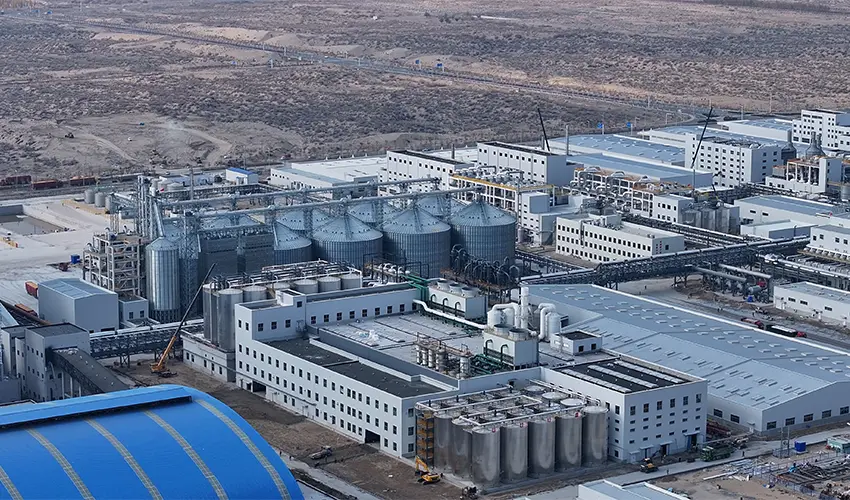

After fifteen years engineering integrated agricultural processing facilities across three continents, I’ve learned one hard rule: a fuel ethanol plant that treats its co-product streams as afterthoughts never competes at the top of the market. The difference between a minimally viable plant and a high-return asset lies in how early capacity planning locks in 100% by-product utilization and energy cascade recovery. This article outlines a fuel ethanol plant design methodology where corn enters, and fuel ethanol, DDGS, food-grade CO₂, and biogas all exit as priced outputs—a closed-loop configuration that cuts energy consumption by 25% and multiplies revenue streams. I’ll share the process configuration, capacity logic, and integration strategies we use at AGRIFAM to deliver turnkey facilities that thrive across market cycles.
Fuel Ethanol Plant Process Configuration: The Four Pillars
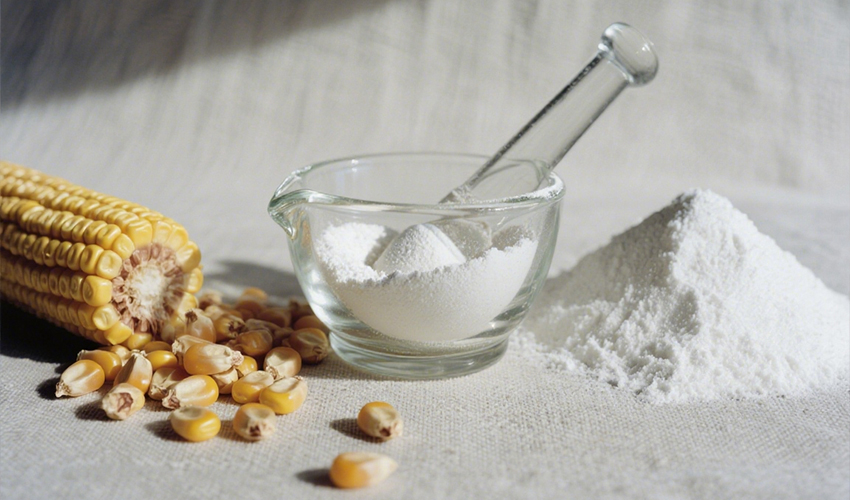
A competitive fuel ethanol plant rests on four tightly integrated process blocks. Corn first passes through purification, crushing, and liquefaction where enzymes break starch into fermentable sugars. The milling approach directly influences downstream yield: semi-dry milling reduces water and energy load versus traditional wet milling, while still achieving starch recovery above 95% with proper enzyme dosing.
Fermentation converts those sugars into 10–14% ethanol beer using high-performance yeast in continuous or batch reactors. In the plants I’ve configured, continuous fermentation reduces tank volume by roughly 30% and delivers steady ethanol concentration to the distillation stage. Distillation then separates ethanol from water and residual solids through a multi-column arrangement—a stripping column followed by rectification—to reach 95–96% concentration.
The final pillar, dehydration, pushes ethanol past the azeotrope to anhydrous fuel-grade specification. Molecular sieve adsorption using pressure swing technology has become the industry standard because it avoids the solvent handling and energy penalty of azeotropic distillation. We size molecular sieve units based on feed water load and target cycle time, and when combined with waste heat recovery from distillation, the dehydration energy cost drops measurably.
Capacity Planning for a Fuel Ethanol Plant: Feedstock to Market
Plant capacity isn’t a single number plucked from a business plan. It’s a function of corn supply radius, storage infrastructure, and the offtake market for both ethanol and by-products. I’ve seen projects that oversized the ethanol line while ignoring that corn silo capacity and DDGS drying throughput become the real bottlenecks.
A practical approach starts with the corn supply shed: within a 200‑kilometer collection radius, what’s the reliable annual corn tonnage net of competing users? From that, we back-calculate the maximum crush rate and then size the front-end grain receiving, cleaning, and storage system. AGRIFAM’s grain depot solutions—thermal-insulated steel silos with intelligent temperature control—provide the buffer needed for continuous operation through seasonal corn fluctuations.
On the output side, capacity must also match the market depth for anhydrous ethanol and the installed DDGS drying and pelletizing throughput. In multiple projects, we’ve configured the plant as a “hub” that can flexibly route corn between ethanol, corn starch, and glucose syrup lines, allowing the operator to shift product mix as market conditions change. That optionality adds margin resilience that a single-product plant can’t match.
By-Product Integration: DDGS, CO₂, and Biogas as Revenue Centers
A fuel ethanol plant that discharges whole stillage as waste forfeits roughly 30% of its potential revenue. The modern design captures every by-product stream. The stillage is centrifuged to separate thin stillage (recycled as backset) and wet cake, which is dried to produce distiller’s dried grains with solubles—a high-protein animal feed commodity. Drying is the largest steam consumer after distillation, which is why heat cascade from the distillation column condensers feeding the DDGS dryer is economically non-negotiable.
Simultaneously, the CO₂ emitted during fermentation—over 0.7 kg per liter of ethanol—can be captured, purified, and sold as food-grade or industrial CO₂. This alone can add USD 5–10 per tonne of corn processed to the revenue stack. And the remaining low-COD wastewater is routed to an anaerobic digester where biogas fuels the plant’s boiler or a combined heat and power unit.
In practice, integrating these three streams shifts the project’s financial profile from “ethanol plant” to “corn bio-refinery,” with co-products often covering the variable cost of production and pushing the ethanol output into pure margin territory. When I review a feasibility study, the first sign of a serious design is a mass balance that explicitly accounts for all three recovery circuits.
| Stream | Typical Output per Tonne of Corn | Revenue Contribution |
|---|---|---|
| DDGS | 300 kg | USD 50–70 |
| CO₂ | 300 kg captured (70% recovery) | USD 20–30 |
| Biogas | 150–200 Nm³ (methane equiv.) | displaces natural gas cost |
If your capacity planning model hasn’t priced-in the cost of not capturing DDGS and CO₂, send your project scope to [email protected] and we’ll prepare an integrated revenue forecast.
Energy Cascade Utilization in Fuel Ethanol Plant Design
Fuel ethanol production is energy-intensive, but most of that energy can be recycled. The key is cascade utilization—using high-temperature heat first for evaporation or distillation, then for DDGS drying, and finally for feedstock preheating or plant heating. When we design the thermal network, we start with a pinch analysis to identify the minimum utility targets and then layer in steam integration between distillation and evaporation.
The closed-loop alcohol solution we deploy achieves a 25% energy consumption reduction compared to plants without cascade integration. One measurable metric: the steam-to-ethanol ratio drops below 2.5:1, with some configurations reaching 1.8:1 when combined with mechanical vapor recompression on the stillage evaporator. That reduction isn’t just a sustainability talking point; it directly impacts the plant’s operating cost per gallon and, by extension, its competitiveness when corn and energy prices swing.
Designing for Closed-Loop Environmental Compliance
Modern ethanol plants operate under tightening water and emissions regulations. Designing for “closed-loop” means the plant’s water footprint shrinks dramatically: process water is recycled through thin stillage backset and treated condensate return, and zero-liquid-discharge targets become achievable when the evaporator condensate is polished and sent back to the front end.
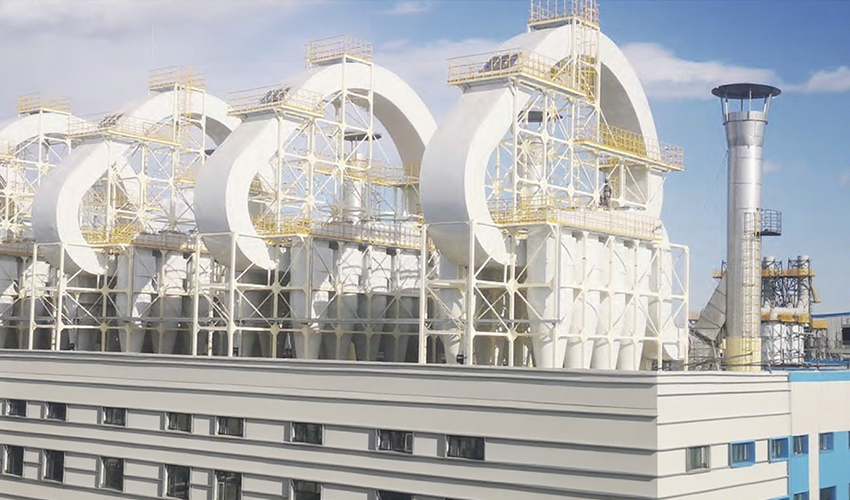
On the air side, the dust from grain handling must be controlled through aspiration systems and baghouse filters, and the DDGS dryer exhaust must meet particulate and odor limits. The biogas system reduces the plant’s Scope 2 carbon footprint by displacing fossil fuel in the boiler. In several jurisdictions, demonstrating this integrated environmental design has streamlined the permit process because the regulator sees a full mass and energy balance rather than a set of disconnected end-of-pipe controls.
Selecting a Turnkey EPC Partner for Integrated Fuel Ethanol Plants
A fuel ethanol plant that executes the closed-loop model requires an EPC partner that can deliver the complete scope—grain storage, starch processing, alcohol production, DDGS handling, CO₂ recovery, biogas, and the unified digital control platform. Single-source responsibility avoids the integration gaps that emerge when separate vendors hand off between islands. The partner should also bring in-house process technology for starch-to-ethanol conversion, not merely source generic equipment and hope it aligns.
We’ve structured AGRIFAM’s turnkey offering so that the client signs one contract and gets a single performance guarantee covering ethanol output, DDGS protein content, energy consumption, and environmental compliance. The alcohol solution we’ve refined over dozens of projects includes proprietary process configuration, a digital management platform that monitors every node, and a circular economy model that ensures no kernel component goes to waste. For an investor or operator moving into fuel ethanol, that integrated guarantee is what converts a project budget into a bankable asset.
If you’re evaluating a site and need a preliminary closed-loop configuration based on your feedstock and target capacity, reach me at 010-8591 2286 or email your parameters to [email protected]. I’ll have our engineering team produce a first-pass mass balance and utility estimate, no commitment required.
Common Questions About Fuel Ethanol Plant Design
In our supported projects, the sweet spot for a new fuel ethanol plant is between 100,000 and 300,000 tonnes of corn per year. Below that, the capital cost per tonne climbs quickly, while above it, the corn collection radius can introduce logistics costs that erode the scale advantage. The actual ceiling depends on the density of corn production in the targeted region and the availability of rail or barge infrastructure to move product to export terminals.
A common misunderstanding is that wet milling is always superior for ethanol because of higher starch recovery. In practice, anhydrous ethanol plants overwhelmingly use semi-dry or dry milling because the capital cost is 40–50% lower, co-product DDGS quality is higher, and the process is easier to integrate with energy cascade. Wet milling makes sense when the operator also wants to produce corn starch, gluten meal, and corn oil, which is a different business altogether.
The enzymatic breakdown of starch into fermentable sugars is not a fixed-efficiency step. The choice of α-amylase for liquefaction and glucoamylase for saccharification, along with the temperature and pH profiles across the jet cooker and mash cooler, can shift the dextrose equivalent from 90% to 97%. That difference translates into 5–7% more ethanol per tonne of corn, so enzyme selection is a line-item that deserves its own process validation during design.
It depends on the regulatory environment and the contract structure. In some markets, E10 blending mandates create a steady domestic floor for fuel ethanol, while in export-oriented plants the price is tied to global crude oil and sugar markets. The plant design should include the flexibility to produce anhydrous ethanol for fuel, neutral alcohol for the beverage sector, and high-purity industrial ethanol, so that if one grade’s margin collapses the facility can pivot. Having multiple product certifications is an underappreciated hedge.
No. Fuel ethanol is the primary product, but the profitability of a well-designed plant often comes from the co-product basket. DDGS sales frequently cover the net corn cost after ethanol revenue is accounted, and CO₂ can add a third stable income stream. The design must treat each co-product as a revenue center with its own quality specification and logistics chain; otherwise, the plant’s financial model is incomplete. If your feedstock quality varies significantly, reach out to [email protected] and we’ll share a co-product revenue model calibrated to your region.
If you’re interested, check out these related articles:
Driving Global Food Conservation Through Technological Innovation