A customer’s first impression of your business often arrives through the nose before the eyes. Scent operates below conscious awareness, yet it shapes how a brand is remembered. As a scent solution specialist with over a decade of international experience, I have seen this play out across hotels, retail stores, and offices. Commercial scent marketing case studies consistently show that when fragrance is strategically deployed, dwell time increases, brand recall sharpens, and emotional connection deepens. But the real lesson is that results depend on a tailored process from scent formulation to diffuser technology rather than simply selecting a pleasant aroma.
The Hidden Impact of Scent on Customer Behavior
The olfactory system connects directly to the limbic regions of the brain that govern emotion and memory. That biological shortcut makes scent one of the most immediate sensory triggers available to a brand. When a guest walks into a hotel lobby and encounters a carefully chosen fragrance, the brain registers that experience in a way that bypasses rational evaluation. It simply feels right.
In my work with hospitality clients, I have observed a measurable shift in guest behavior when ambient scenting is introduced. Lobby dwell time extends. People linger longer in retail sections. Feedback forms start mentioning “the beautiful smell” without prompting. This is not magic; it is the predictable result of engaging a sense that most branding strategies overlook. Ambient scenting does not replace visual identity or customer service. It reinforces them by anchoring the brand in a distinct, sensory memory that stands apart from the noise of ads and images.
 ## How a Signature Scent Is Designed
Creating a commercial scent is a collaborative process that begins with the brand, not the fragrance bottle. The first step is always listening. What adjectives describe the brand tone? Which colors and materials dominate the physical space? Who is the target customer, and what emotional journey should the space support? A spa aiming for calm invites different notes than a fashion boutique projecting edgy modernity.
From that briefing we move into fragrance families. An aquatic route might suit a seaside resort. Woody warmth communicates heritage and grounding. Fresh green notes suggest renewal. Our library at Scent-Share holds over 300 fragrance types, which means the starting point is already vast. But the real art lies in refinement. I remember a project for a retail client in Southeast Asia that needed a scent blend that worked in humid conditions while still feeling crisp and upscale. Through multiple iterations and on-site testing, we landed on a citrus-woody composition that cut through the ambient humidity without cloying.
The development phase usually runs four to six weeks. It includes sample creation, small-scale trials, and adjustments based on how the scent behaves in the target space. Factors like HVAC airflow, ceiling height, and even the materials of furnishings affect perception. A scent that smells perfect in a lab can behave entirely differently in a high-ceiling mall atrium. That is why the process demands a partner who understands diffusion science, not just fragrance.
 ## Case Studies Across Industries: Hotels, Retail, and Offices
Three industry segments illustrate how scent marketing adapts to different objectives. In hospitality, a global hotel chain we supported wanted to differentiate itself in a competitive market. We developed a custom signature scent built around white tea and bergamot, with a base of soft woods. The scent became part of the hotel’s identity. Guests often request the fragrance for their own homes, and the chain now uses it across all branded amenity products.
Retail presents a different challenge. For a luxury apparel store, the goal was to extend browse time and reinforce a premium atmosphere. We installed an HVAC-integrated scent diffuser that delivered a consistent gentle floral, invisible to the conscious mind but effective in setting a high-end ambiance. The store reported that average visit duration increased, and staff noticed customers spending more time considering items.
Offices are a newer frontier. A technology company approached us to improve the atmosphere in their open-plan workspace. They wanted something energizing yet not distracting. After testing several formulas, we settled on a light green tea and eucalyptus blend, dispersed through a ceiling-mounted diffuser system covering 600 m². Employees reported feeling more focused, and the company felt it contributed to a more professional environment for visiting clients.
The Technology That Delivers Consistent Results
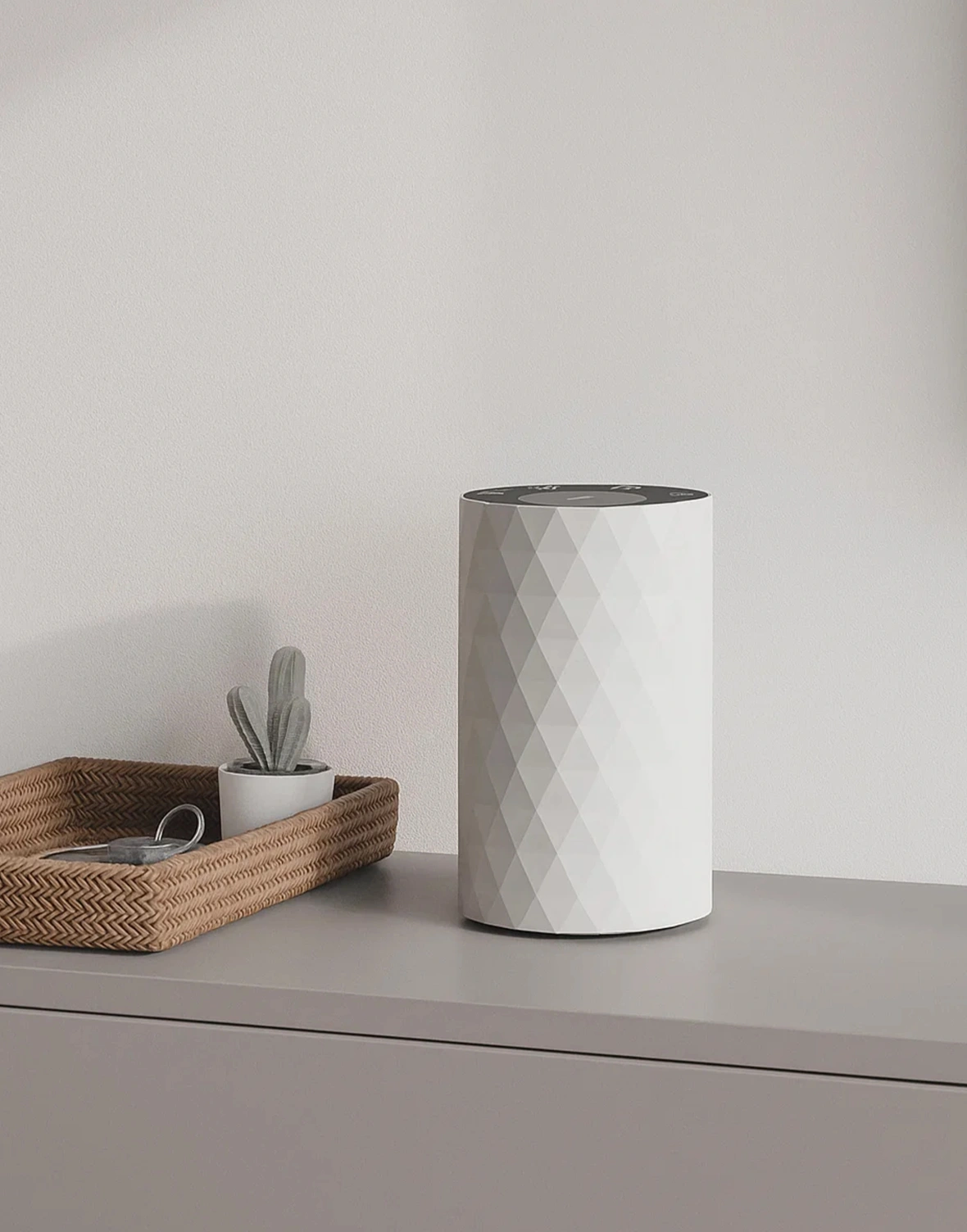
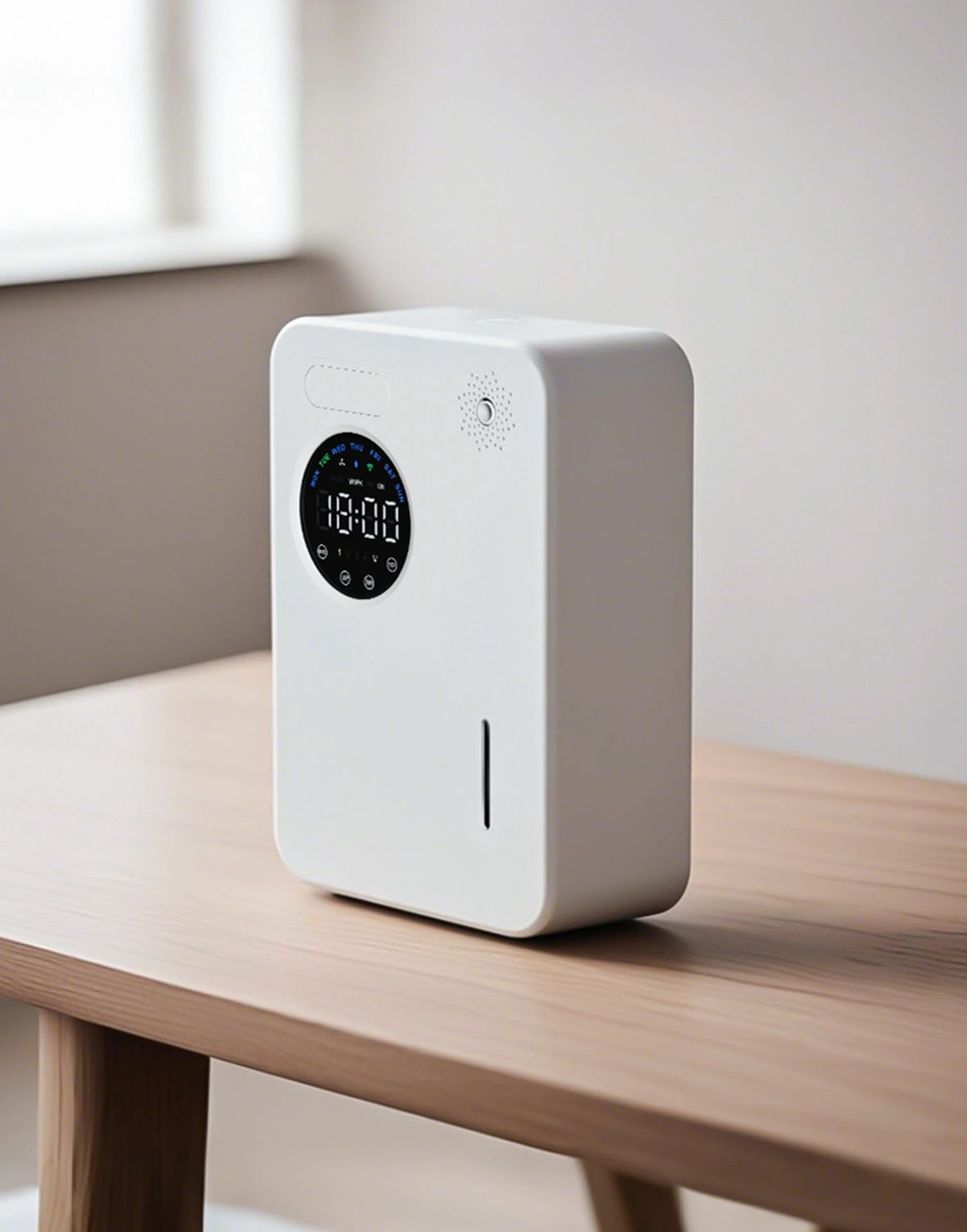
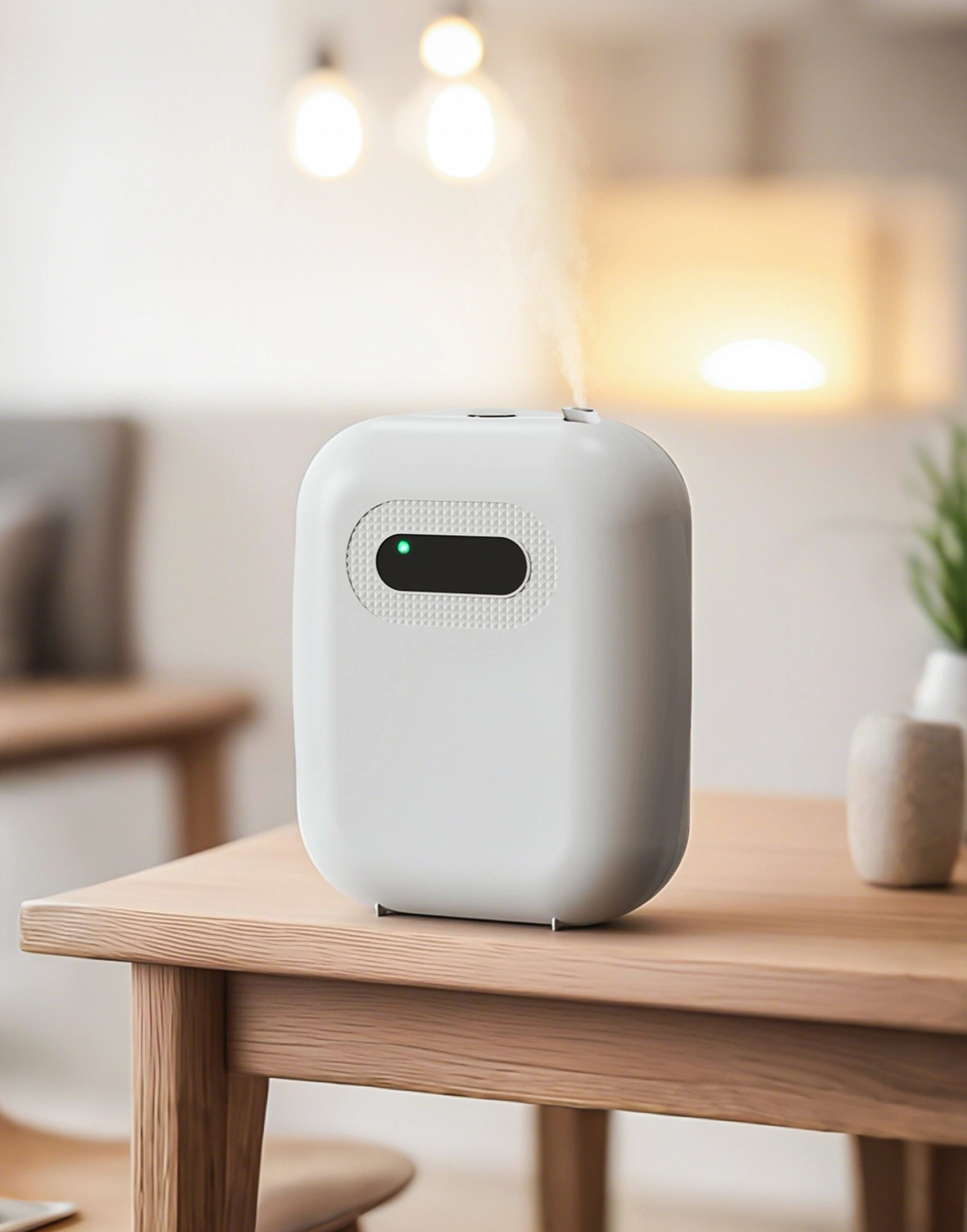
The most beautiful fragrance means nothing if it is not delivered consistently. Commercial scent diffusion requires hardware that matches the space. For small retail boutiques, a desktop diffuser covering 300 m³ may suffice. A hotel lobby of 3,000 m³ demands a tower unit with a bigger oil reservoir and stronger airflow. For buildings with centralized HVAC, the optimal approach is an HVAC scent system that integrates directly into the air handling units, covering up to 8,000 m³ or more.
| Diffuser Type | Typical Coverage | Best For |
|---|---|---|
| Desktop / portable | 80–300 m³ | Offices, small shops, fitting rooms |
| Wall mount / standalone | 500–3,000 m³ | Hotel lobbies, restaurant dining areas |
| HVAC integrated | 3,000–15,000 m³ | Large retail, office buildings, malls |
| Dual-system HVAC | 5,000–15,000 m³ | Complex layouts with multiple zones |
The products we provide at Scent-Share include Bluetooth app control as standard, which allows facility managers to adjust intensity and schedule operations without visiting the equipment. Long-life pumps and aluminum alloy construction ensure durability in commercial environments. I always advise clients to invest in a system that can be scaled. A small pilot often leads to a wider rollout once the business sees the impact.
Measuring the Real Value of Scent Marketing
A direct line from ambient scenting to a sales figure is challenging to draw in isolation. The value of scent marketing emerges in the aggregate: longer dwell times, stronger brand recall, and more positive customer reviews. For a hotel, repeat bookings and increased average spend are indirect metrics that trend upward when the sensory experience improves. In retail, when customers stay 15 minutes longer, conversion rates climb naturally.
I have seen clients quantify success through post-implementation surveys. In one case, a restaurant chain found that customer satisfaction scores rose after introducing a subtle herbal scent in dining areas. The feedback specifically mentioned the atmosphere feeling “more inviting.” That emotional lift translates into real business outcomes, even if the exact contribution of scent cannot be isolated from the overall experience.
Choosing the Right Scent Marketing Partner
Selecting a partner is the most consequential decision in a scent marketing program. You need a company that can handle the entire chain: fragrance development, diffuser manufacturing, installation guidance, and ongoing maintenance. Many suppliers sell only the hardware or only the oils. The weak link then becomes the integration.
At Scent-Share, our one-stop approach means we control every stage. Li Wei’s team includes fragrance R&D, product engineers, and pre-sales consultants with experience across 68 countries. That breadth matters when you operate in multiple regions with different climate conditions and cultural preferences. A scent that works in a Dubai mall may fail in a London store because of humidity and air conditioning differences. A partner with global exposure can foresee and design around those variables.
Before committing, ask to see a sample of fragrances that align with your brand direction. Request a technical review of your space to confirm the appropriate diffuser placement and coverage. And ensure the partner offers ongoing support for refills, maintenance, and reprogramming. The upfront pricing is only part of the equation; system reliability and support responsiveness determine long-term success.
If you are considering how a custom scent could differentiate your brand, the process always starts with a conversation. A tailored fragrance program can transform how customers perceive your space, whether it is a hotel, a retail store, or a workplace. Share your brand vision and we can propose a scent that fits your identity and your technical environment. Reach out to Scent-Share at [email protected] or call +86 185 6557 5758 to discuss your project.
Common Questions About Scent Marketing Implementation
What does it cost to start a scent marketing program?
It depends on the space size, the type of diffuser, and whether you need a custom fragrance. A small retail store might start with a few thousand dollars, while a hotel chain with multiple properties will invest more. The long-term cost includes fragrance refills and maintenance. Requesting a quote based on your specific floor plan is the only way to get an accurate figure. Share your requirements at [email protected] and we will provide a detailed proposal.
How long does it take to develop a signature scent?
Typically four to six weeks from the initial briefing to the final sample. That timeline accounts for multiple iterations, client feedback, and on-site testing. Rushed timelines are possible but may compromise the refinement of the scent in the actual environment. It is worth allowing the process its full course to ensure the fragrance delivers as intended.
Can scent marketing work for B2B businesses?
Yes. Offices, trade show booths, and showrooms all use scent to create a professional and memorable atmosphere. For a B2B company, a signature scent can reinforce brand consistency across global locations and leave a lasting impression on visiting clients.
How do I maintain the diffuser system?
Commercial diffusers require periodic refilling of fragrance oil and occasional cleaning of the atomizer head. For HVAC-integrated systems, the filter should also be checked. Most suppliers provide remote monitoring and maintenance schedules. At Scent-Share, we recommend a service check every three to six months depending on usage. Confirming the maintenance protocol before purchase will avoid downtime later.
Is scent marketing effective in all climates?
Effectiveness can shift with temperature, humidity, and air circulation. A scent that performs beautifully in a dry, air-conditioned mall may require reformulation for a humid tropical market. This is where a partner with cross-regional experience adds value. If your business operates in diverse climates, sharing your geographic spread helps us tailor a formulation that stays consistent everywhere.
If you’re interested, check out these related articles: