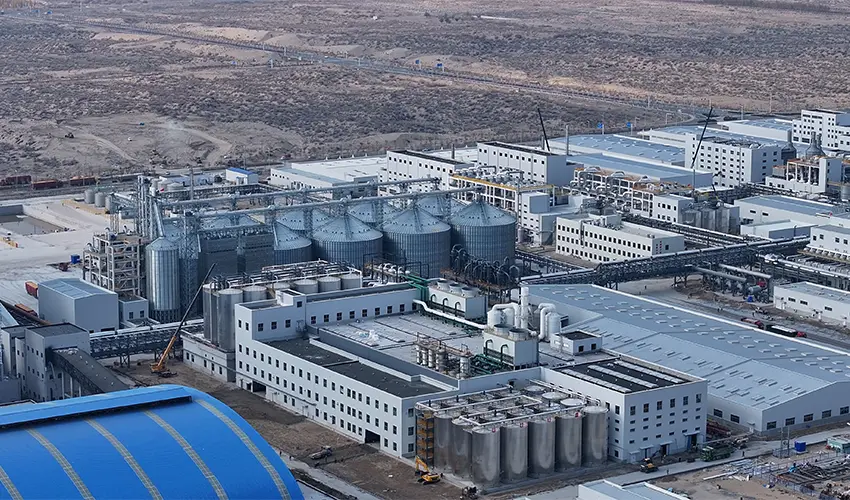

Fuel ethanol blending is a critical step in meeting renewable fuel mandates, but inconsistent ethanol quality can compromise engine performance and material durability. Fuel blenders and petroleum refiners need to understand the standards that govern ethanol blending ratios and their impact on engine compatibility. The key insight from our work engineering complete fuel ethanol production lines is that the quality of the ethanol leaving the distillation and dehydration units directly determines blend consistency, making upstream production controls as important as downstream blending specifications. This article examines the applicable standards, the practical effects of different blending ratios, the engine compatibility challenges they create, and what to look for in a fuel ethanol supply chain to ensure compliance with ASTM D4806 and equivalent regional norms.
What Are the Key Fuel Ethanol Blending Standards
The dominant specification for fuel ethanol in the United States is ASTM D4806, which defines the requirements for denatured fuel ethanol intended for blending with gasoline at 10% by volume (E10) or higher. It sets limits on water content (maximum 0.8% by volume), methanol, solvent-washed gum, inorganic chloride, copper, and acidity, as well as requiring the addition of a denaturant at 1.96% to 4.76% by volume. In Europe, EN 228 permits up to 5% ethanol (E5) in standard unleaded petrol while EN 15293 sets quality parameters for ethanol as a blending component for higher blends. Both standards aim to ensure that the finished fuel does not cause corrosion, deposit formation, or drivability issues.
Why denaturant is mandatory in fuel ethanol
Ethanol sold for fuel use must be rendered unfit for human consumption. In the U.S., the denaturant is typically natural gasoline or gasoline blendstock added before the ethanol leaves the production facility. The exact denaturant percentage is a compliance point that directly affects ignition timing, vapor pressure, and phase stability of the final blend. In projects we have reviewed, a denaturant variation as small as 0.5% above or below the specification window shifted the blended fuel’s Reid vapor pressure enough to push it outside seasonal regional limits, creating a regulatory noncompliance that was only caught during terminal sampling.
How ASTM D4806 and EN 15293 compare on water and acidity limits
Comparing the two standards reveals a practical difference in water tolerance. ASTM D4806 allows up to 0.8% water by volume, while EN 15293 typically limits water to 0.3% for high-purity ethanol grades. This gap reflects differences in blending practices and storage infrastructure. Ethanol with water content approaching the ASTM upper limit is more prone to phase separation when blended and stored in humid environments, particularly with gasoline containing high aromatic content. For producers supplying both markets, the production process must be capable of reliably hitting the lower water limit without excessive energy cost, which is where the molecular sieve dehydration step becomes decisive.
How Ethanol Blending Ratios Change Fuel Behavior
Ethanol blending ratios in commercial gasoline range from 5% (E5) to 85% (E85), each producing distinct fuel property changes. When ethanol is blended into gasoline, three characteristics shift immediately: octane number increases, Reid vapor pressure rises non-linearly with a peak around E10, and oxygen content increases in proportion to the ethanol fraction. These shifts have direct consequences for engine calibration, fuel system materials, and emissions compliance.
The nonlinear vapor pressure curve of ethanol blends
A common assumption is that vapor pressure rises linearly as more ethanol is added, but the real behavior peaks at low ethanol concentrations then declines. At 5% to 15% ethanol by volume, the blend’s vapor pressure can be 6 to 8 kPa higher than the base gasoline, which is why E10 gasoline sold in summer months requires lower base gasoline vapor pressure to stay within ASTM D4814 volatility limits. Above roughly 20% ethanol, the vapor pressure begins to drop. This non-linear relationship makes blending at E10 the most sensitive to base gasoline selection, and in regions with strict seasonal volatility windows it forces refiners to adjust the light-end composition of the hydrocarbon blendstock to accommodate ethanol.
| Blend Ratio | Typical Octane Boost (RON) | Vapor Pressure Shift vs Base Gasoline | Primary Application |
|---|---|---|---|
| E5 (5% ethanol) | +1 to 2 | Slight increase | Standard gasoline (Europe) |
| E10 (10% ethanol) | +2 to 3 | Peak increase (+6 to 8 kPa) | Standard gasoline (U.S.) |
| E15 (15% ethanol) | +3 to 4 | Slight decrease from E10 peak | Approved for 2001+ vehicles in U.S. |
| E85 (51%–83% ethanol) | +10 to 15 (effective RON 105+) | Lower than base gasoline | Flex-fuel vehicles only |
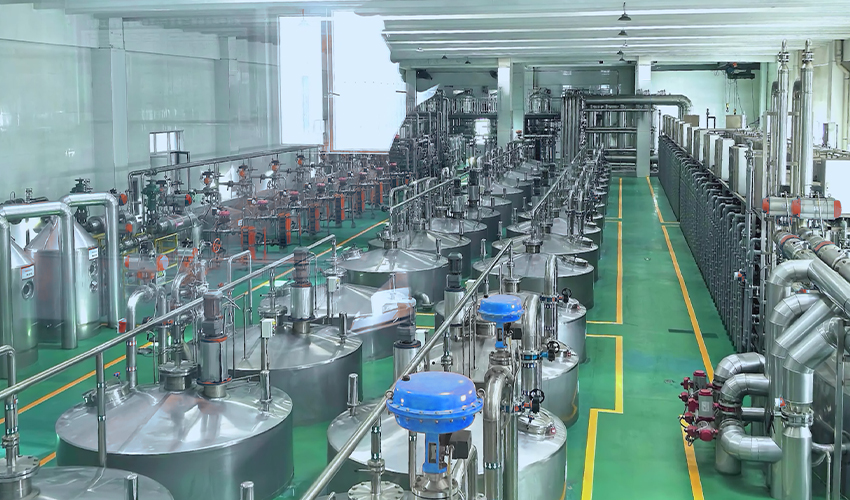
Engine Compatibility Challenges with Ethanol Blends
Engine compatibility with ethanol blends is not a single problem but three interconnected ones: material corrosion and degradation, combustion and deposit formation, and cold-start and hot-fuel handling behavior. Ethanol is a polar solvent that can attack certain metals, elastomers, and plastics used in older fuel systems not designed for oxygenated fuel. It also has a higher latent heat of vaporization than gasoline, making cold starts more difficult at high ethanol concentrations, and its leaner stoichiometric air-fuel ratio can increase exhaust temperatures under certain conditions.
Which fuel system materials are at risk
Zinc, brass, and uncoated steel components corrode more rapidly in ethanol-blended fuel, especially in the presence of water. Natural rubber and many older nitrile rubbers swell and lose mechanical strength when exposed to ethanol. In modern vehicles manufactured since the early 2000s, fluorocarbon elastomers, stainless steel, and anodized aluminum are specified for all fuel-wetted parts. In stationary engines, small equipment, and older vehicle fleets, however, these material upgrades may not be present. The practical consequence for a fuel blender is that ethanol supplied with water content close to the specification maximum accelerates corrosion in older fuel systems far more than anhydrous ethanol with water below 0.3%. This is one reason fleet operators and equipment manufacturers increasingly audit the water content of delivered fuel ethanol rather than relying on blend certification alone.
Phase separation and why it matters for E10 storage
When an ethanol-gasoline blend absorbs enough water, the ethanol-water mixture separates from the hydrocarbon phase and sinks to the bottom of the tank. This phase separation layer contains most of the ethanol, reducing the octane of the remaining gasoline and creating a corrosive, conductive bottom layer that can damage fuel pumps and injectors. The critical water concentration at which phase separation occurs depends on temperature, ethanol content, and the aromatic content of the base gasoline. At 15°C, an E10 blend can tolerate roughly 0.5% to 0.7% water by volume before separation begins. For fuel terminals and retailers holding inventory for several weeks in humid climates, controlling water ingress through floating-roof tank seals and nitrogen blanketing becomes as important as the initial ethanol quality.

Why Fuel Ethanol Quality Begins at the Production Plant
The blending standards can only guarantee final fuel quality if the ethanol entering the terminal already meets the required purity, acidity, and cleanliness parameters. Over more than fifteen years of engineering grain-based alcohol production systems, I have seen that the most common root cause of an off-spec blend is not a blending error but an ethanol shipment with water content exceeding the certificate of analysis, residual acidity from incomplete distillation, or trace contaminants introduced during storage and transport. For a fuel blender, the practical question is not whether a supplier claims ASTM compliance on paper but whether the production line has the process control to deliver it consistently.
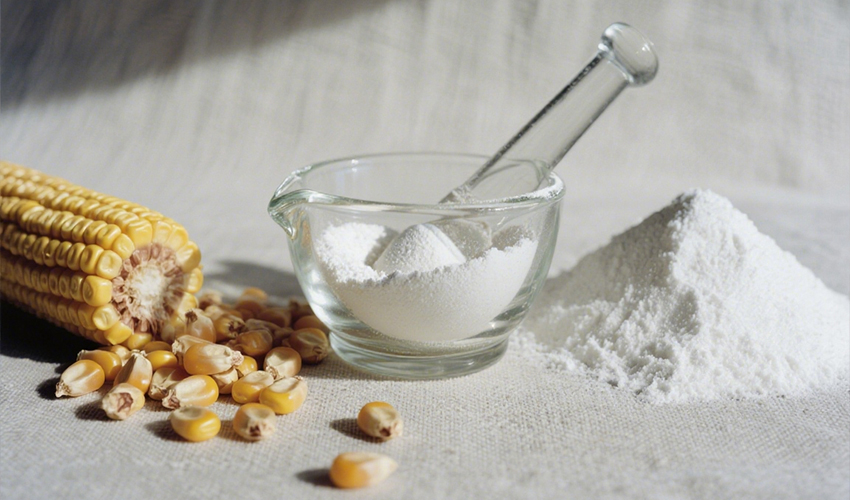
Molecular sieve dehydration and water control
The final drying step in fuel ethanol production uses molecular sieve adsorbents, typically zeolite beads with precisely sized pores that trap water molecules while excluding the larger ethanol molecules. A well-designed pressure swing adsorption (PSA) dehydration system can reliably produce anhydrous ethanol with water content between 0.1% and 0.3% by volume, well inside both ASTM and EN limits. The challenge is maintaining that performance over years of operation: sieve bead attrition, uneven bed packing, and contamination from upstream carryover all degrade drying capacity gradually enough that water content can drift above specification before it triggers an alarm. As part of our EPC delivery for fuel ethanol plants, we specify redundant sieve vessels and automated moisture analyzers on the product stream to catch this drift early. The capital cost of a second dehydration skid is minor compared to the commercial damage of a rejected ethanol shipment.
Integrated process control from starch to anhydrous ethanol
Ethanol production that supports reliable blending is not a single-unit operation; it is an integrated chain starting from corn purification, through liquefaction and saccharification, continuous fermentation, multi-column distillation, and molecular sieve dehydration. A pH excursion during saccharification that goes uncorrected for a shift can increase organic acid formation, which carries through fermentation and distillation to raise the acidity of the final ethanol. Similarly, poor rectification in the distillation columns leaves higher fusel oil content, which contributes to gum formation in blended fuel. In plants where we have implemented a unified digital control platform covering all these stages, the frequency of out-of-spec acidity results dropped to near zero because the system adjusts upstream enzyme dosing and column reflux ratios before the deviation reaches the product tank.
If your blending operation requires fuel ethanol that stays within specification across every shipment regardless of seasonal feedstock variation, it is worth examining whether your supplier’s production line has the integrated control systems to make that consistently possible. Our engineering team can discuss what process audit criteria matter most for your specifications — reach us at [email protected] or 010-8591 2286.
Practical Blending Logistics and Infrastructure
Blending ethanol into gasoline at a terminal or refinery is a controlled operation that requires dedicated storage tanks, accurate metering, and provisions for water-free handling. Ethanol’s hygroscopic nature means that storage tanks, loading racks, and transport tankers must be maintained with water exclusion as a primary objective, not an afterthought. Even ethanol that leaves the production plant at 0.2% water can absorb enough moisture during barge or rail transport through humid regions to exceed the water limit by the time it reaches the blender.
Tank design and water management
Fixed-roof tanks with internal floating roofs and nitrogen blanketing are the standard for ethanol storage because they minimize air exchange and the associated moisture ingress. Carbon steel tanks can be used if the ethanol specifications prohibit aggressive impurities, but the water layer at the tank bottom, if any, must be regularly drained and tested. Cone-bottom tanks with a dedicated water draw-off line are preferable because the ethanol-water mixture, being denser than neat ethanol, collects predictably at the lowest point. In terminals blending ethanol into gasoline, we recommend separate dedicated ethanol tanks rather than shared product tanks to avoid cross-contamination and simplify water inventory tracking.
Blending accuracy and regulatory reporting
In-line blending systems that ratio ethanol into the gasoline stream using precision flow meters and automated control valves can achieve blend ratio accuracy of ±0.2% by volume. This accuracy is necessary not only for meeting fuel specification limits but also for regulatory credit reporting under programs such as the U.S. Renewable Fuel Standard (RFS), where each gallon of renewable fuel must be documented. A blend ratio error of 1% on a 100,000-barrel gasoline batch translates into roughly 1,000 barrels of misreported ethanol volume, which can have significant financial consequences if discovered during a compliance audit.
What Fuel Buyers and Blenders Ask About Ethanol
What is the minimum ethanol purity required for blending into gasoline?
Fuel ethanol must contain at least 99.5% ethanol by volume before denaturing to be suitable for blending under most international specifications. The remaining fraction consists of water and trace organic compounds. The water limit is the more operationally demanding parameter because the final dehydration step in production must be carefully controlled. Ethanol that meets the 99.5% minimum but carries water above 0.8% per ASTM D4806 is still considered off-spec; the purity number alone is not sufficient, and a separate water analysis by Karl Fischer titration is the standard verification method.
How does ethanol blending affect fuel storage stability over months?
Ethanol-blended gasoline has a shorter storage life than unblended gasoline, primarily because ethanol’s tendency to absorb moisture can cause phase separation, and its higher oxygen content accelerates the formation of gums and peroxides. In static storage lasting three to six months, dedicated fuel stabilizers, tank nitrogen blanketing, and periodic water bottom drainage are effective in preventing degradation. For inventory managed on a first-in-first-out cycle of less than 30 days, these effects are normally negligible when the ethanol meets water and gum specifications at the time of blending.
Can older vehicles safely use ethanol blends?
Vehicles built before approximately 2001 may have fuel system components — particularly fuel pumps, fuel level sensors, carburetor float assemblies, and rubber fuel lines — that were not designed for continuous exposure to ethanol. While occasional use of E10 is unlikely to cause immediate failure in most cases, long-term use can accelerate corrosion and elastomer deterioration. Owners of classic or collector vehicles should check with the manufacturer or a specialist about material compatibility before using ethanol blends. If your fleet includes older vehicles and you need to understand the risk profile for a specific ethanol blend ratio, share your vehicle types and blend specifications with our technical team for an assessment.
If you’re interested, check out these related articles:
Driving Global Food Conservation Through Technological Innovation