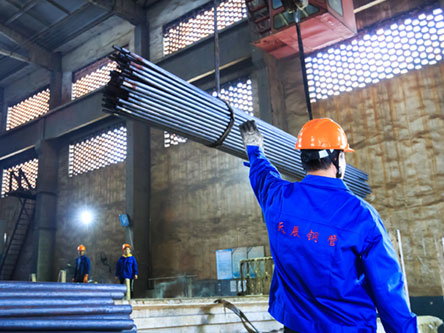

Shipping precision steel tubes internationally involves risks that generic logistics guides overlook. Steel tube shipping methods are not simply about selecting a container; the preparation before loading, including packaging, moisture control, and inspection, determines whether your order arrives in usable condition. I have seen shipments arrive with severe pitting corrosion because the shipper skipped basic VCI paper, despite booking a reliable container and carrier. That experience taught me that the real cost of poor shipping is not just the freight bill, but the wasted material and project delays. This article explains the packaging and handling steps that protect your tubes and your budget.
Shipping Methods Determine Tube Condition on Arrival
The shipping mode you choose sets the handling environment, but it does not prevent damage by itself. Sea freight exposes tubes to humidity and salt air; road transport brings vibration and potential load shifting; rail freight subjects cargo to coupling impacts. Each mode carries risks that can mar surfaces, dent thin-wall tubes, or introduce corrosion before the tubes reach the production line. In our factory, we have unpacked returned shipments where cold-drawn mechanical tubes arrived with fretting marks because the bundle straps loosened during inland trucking. The container was fine. The packaging was the failure point. Before finalizing a freight mode, confirm that the packaging spec matches the tube grade and transport duration. A shorter transit time helps, but only if the tubes are properly immobilized and protected from moisture inside the container.
Packaging Methods That Prevent Damage and Corrosion
Effective steel tube packaging acts as a shipping environment you control. The goal is to keep tubes dry, prevent metal-to-metal contact, and stop movement that causes abrasion. For standard round tubes, we bundle with steel straps at multiple points along the length, use plastic end caps to protect thread or chamfer features, and separate layers with dry wood or composite dunnage. For cold-drawn precision tubes where surface finish is everything, each tube gets VCI (volatile corrosion inhibitor) paper wrap before bundling, and the entire bundle is often sealed in a polyethylene sleeve with desiccant inside. This creates a microenvironment that inhibits rust even if the container sweats during a temperature swing at sea.
Special-shaped tubes like hexagons or ovals need custom wood or steel framing that locks them in place. If the tube wall is under 2 mm, even a minor dent can scrap the part for hydraulic cylinder use. I recall a shipment of 25 mm OD thin-wall tubes that arrived with a 20% rejection rate because the export bundle used only two straps instead of four. The middle tubes flexed and ovalized. A few extra dollars in strapping and dunnage would have saved the entire order. The table below summarizes common packaging materials and their trade-offs.
| Packing Material | Best For | Limitations |
|---|---|---|
| Steel strapping and edge protectors | Heavy bundles, long lengths | Edge protectors required or strapping can bite into tube surface |
| VCI paper and PE wrap | Corrosion-sensitive grades, sea freight | Must be sealed; small tears compromise protection |
| Wooden crating with foam inserts | Special-shaped or high-precision tubes | Adds volume and weight to freight cost |
How Moisture Damages Tubes Inside a Sealed Container
Even a dry container can develop condensation. When warm, humid air at the loading port is trapped and then the container passes through cooler regions, water condenses on the cold steel. VCI molecules vaporize and deposit a molecular layer on the metal surface that blocks the electrochemical reaction that causes rust. For carbon steel tubes destined for a machining shop, flash rust is cosmetic but still unacceptable. For alloy tubes like 25CrMo4 or 4130, pitting corrosion can penetrate deeper and affect mechanical properties. Desiccant bags and VCI paper together are the minimum for ocean shipments longer than two weeks.
Packaging Custom-Shaped Tubes for Export
Odd profiles need load-securing that prevents rotation. We build wooden cradles with cutouts matching the tube profile, stack layers with separator sheets, and bolt the cradle base to the container floor or flat rack bed. This is slower to pack, but the alternative is tubes arriving with dented corners and a conversation your procurement team does not want to have.
Freight Mode Selection: Sea, Road, and Rail Considerations
The choice between sea, road, and rail depends on distance, tube dimensions, and delivery urgency. For intercontinental shipments, sea freight in a 20- or 40-foot container is the standard. Standard dry containers accept tube lengths up to about 5.8 meters. Longer tubes require flat rack containers or open top containers, which cost more and have less weather protection. Road transport works well for regional deliveries and offers flexibility on tube length, since flatbed trucks easily carry 12-meter bundles. Rail freight sits between sea and road in cost and speed, and the controlled acceleration and braking reduces the shock loads that cause shifting.
| Freight Mode | Typical Lead Time | Best For |
|---|---|---|
| Sea FCL | 25–45 days intercontinental | Large volume, moderate urgency |
| Road trucking | 1–7 days regional | Flexible lengths, just-in-time delivery |
| Rail freight | 10–20 days continental | Consistent long-distance volume |
If you are importing tubes from China to Europe, FCL sea freight gives the best cost per ton, but you need to factor in packaging cost and the inventory carrying time. A shipment that requires flat racks will double the freight rate compared to standard containers, so tube manufacturers often design their cold drawing process to produce lengths under 6 meters for containerization. Check with your supplier whether the raw tube length can be adjusted before it goes into production.
What Is the Cheapest Way to Ship Steel Tubes?
For high-volume orders, FCL sea freight in a standard dry container is the cheapest per unit. However, if the tube spec demands climate-controlled packaging that reduces the number of tubes packed per container, the unit freight cost rises. Always evaluate total landed cost per tube, not just the ocean freight charge.
If your project involves tubes over 6 meters or requires mixed sizes in one order, the container loading plan needs careful calculation. Reach out at [email protected] with your part numbers and quantities, and we will confirm the most cost-effective freight configuration before you commit to a logistics provider.
Export Documentation and Incoterms for Steel Tube Shipments
A clean set of documents prevents customs delays and gives you recourse if something goes wrong. For steel tube exports, the essential documents are the commercial invoice, packing list, bill of lading or airway bill, mill test certificate (MTC) per applicable standard, and sometimes a certificate of origin or fumigation certificate for wooden packaging. The MTC is especially important because it ties the tube’s chemical composition and mechanical properties to the heat lot. Without it, your receiving quality department has no traceability.
Incoterms define who pays for freight, insurance, and at what point the risk transfers. For buyers importing from Asia, FOB (Free On Board) means the supplier loads the goods onto the vessel, and you arrange the ocean freight and insurance from that point. CIF (Cost, Insurance, Freight) means the supplier covers freight and insurance to the destination port, which simplifies logistics but gives you less control over the carrier choice. EXW (Ex Works) puts all transport responsibility on the buyer from the factory gate. For precision tubes where packaging quality is critical, I prefer FOB terms because you can instruct the supplier on the exact packaging specification before the risk transfers to your freight forwarder.
Which Incoterm Works Best for Steel Tube Imports?
It depends on your logistics capability. If you have a trusted freight forwarder and want control, choose FOB. If you are new to importing and want a supplier-managed solution, CIF reduces your administrative load. Either way, write the packaging requirements—VCI paper, strapping pattern, dunnage material—directly into the purchase order. The incoterm alone does not guarantee packaging quality.
Evaluating a Supplier’s Shipping Readiness
A manufacturer that produces great tubes can still ship them poorly. Before placing an order, ask for photos of their export packing, not just product samples. Questions worth asking: Do they use VCI paper and desiccant as standard for sea freight? How many straps per bundle, and do they use edge protectors? Will they provide pre-shipment inspection photos with your shipping marks? What happens if tubes arrive damaged—who manages the claim and how fast is the replacement lead time?
At Changzhou Tenjan Steel Tube Co., Ltd., we perform PMI (Positive Material Identification) and NDT inspections before packing, and each bundle receives a weatherproof tag linking it to the mill test certificate. For alloy grades like 25CrMo4 or 16MnCr5, this traceability matters when the tubes enter your receiving inspection. The goal is not just to ship tubes; the goal is to deliver the same quality to your dock that our inspector approved at the final QC gate.
Common Questions About Shipping Steel Tubes
How long does it take to ship steel tubes from China to the US?
A typical FCL sea freight shipment from Shanghai to Los Angeles takes about 18–25 days port to port. Add 3–5 days for inland trucking and customs clearance. For Europe, count 30–40 days door to door. Rush air freight exists but is rarely practical for heavy steel tubes; the cost quickly exceeds the material value.
Can I ship steel tubes in a standard container?
Yes, as long as the tube length fits under the container’s internal length (about 5.9 meters for a 20-foot container). For lengths beyond that, open top containers or flat racks are needed. The tube bundle weight also matters; a single bundle can easily exceed two tons, so container floor loading limits must be checked before stuffing.
What should I do if tubes arrive damaged?
Immediately photograph the container interior, the damaged tubes, and any failed packaging. Note the condition on the delivery receipt. File a claim with your insurance carrier and inform the supplier within the time window specified in your purchase contract. Retain all packaging and damaged material for survey inspection.
Are there special requirements for shipping alloy steel tubes overseas?
Alloy tubes like 4140 or 34MnB5 are more sensitive to surface corrosion than plain carbon steel, and some hardened grades can be susceptible to hydrogen embrittlement if exposed to moisture in a sealed environment. VCI paper rated for ferrous alloys, desiccant bags, and full wrap sealing are common precautions. If your order involves heat-treated alloy tubes with tight hardness tolerances, share the spec with the supplier before shipment so the packaging can be matched to the material sensitivity. Send your requirements to [email protected] or call +86 13401309791, and we will confirm the appropriate packing protocol for your specific tube grade and destination.