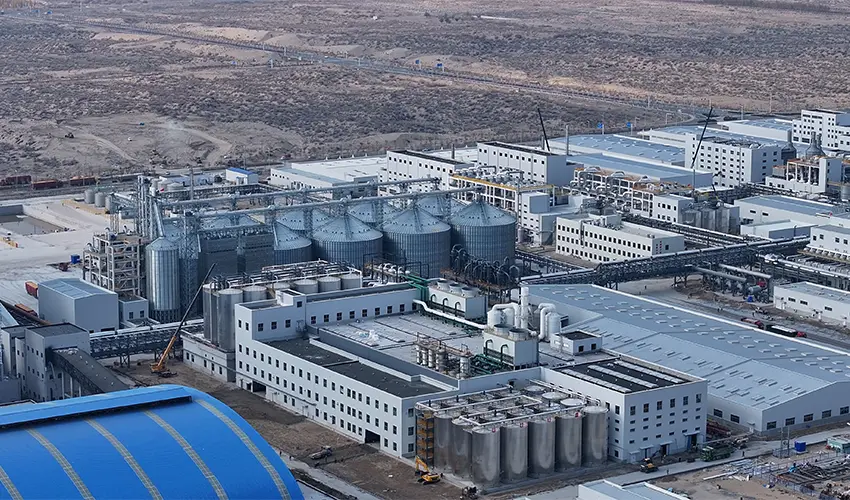

Ethanol quality testing does far more than confirm whether a batch passes a specification sheet. In a modern grain deep processing facility, the data collected during quality control directly feeds fermentation adjustments, influences co-product marketability, and helps manage the plant’s overall energy balance. More than fifteen years of experience in integrated agricultural projects have taught me that when testing protocols are woven into the production chain rather than treated as an isolated laboratory step, the whole operation benefits — from raw corn intake to final ethanol, DDGS, and recovered CO2.
How Fuel-Grade Ethanol Quality Is Tested
Fuel ethanol must be anhydrous. Water content above 0.5% by volume risks phase separation when blended with gasoline. The core testing panel for fuel-grade product includes water content by Karl Fischer titration, acidity (as acetic acid), pHe, copper corrosion, and appearance. Appearance matters because suspended solids or haze can indicate incomplete distillation or contamination. Denaturant verification confirms that the specific denaturant type and amount meet local regulations, typically 2–5% by volume of a specified hydrocarbon blend.
The governing standards differ by market: ASTM D4806 in the United States, EN 15376 in Europe, and various national standards elsewhere. Though the detailed limits vary, the principle is consistent — fuel ethanol must be predictable and stable during storage, transport, and blending. Routine testing is not a one-time event; tanker and railcar loading often triggers a reduced panel while full certification testing follows a defined frequency.
| Parameter | ASTM D4806 Limit | EN 15376 Limit |
|---|---|---|
| Water content | ≤0.5% vol | ≤0.3% vol |
| Acidity (as acetic) | ≤0.007% mass | ≤0.006% mass |
| pHe | 6.5–9.0 | 6.5–9.0 |
| Copper corrosion | Class 1 | Class 1 |
| Appearance | Clear and bright | Clear and bright |
Food and Beverage Alcohol Testing Standards
Neutral edible alcohol intended for spirit production, flavor extraction, or food processing carries additional sensory and purity requirements. Beyond basic chemical purity, organoleptic evaluation is mandatory — the alcohol must be neutral in taste and odor without pungent or grassy notes. Methanol content is tightly restricted, as are fusel oils (propanol, isobutanol, isoamyl alcohol), acetaldehyde, and ethyl carbamate precursors. Standards such as USP, EU regulations, and country-specific food codes set maximum limits that are substantially lower than fuel-grade allowances.
The presence of trace fermentation congeners below the taste threshold does not automatically disqualify a batch for food use, but it does affect reproducibility in downstream product formulation. I have worked with beverage producers who treat the congener profile almost like a fingerprint — they want consistency batch to batch, not just compliance with a pass/fail limit. That nuance drives many food-grade buyers toward suppliers that practice continuous process monitoring rather than endpoint-only testing.

Medical and Pharmaceutical Grade Requirements
Medical alcohol — whether used as a disinfectant, solvent in drug manufacturing, or ingredient in hand sanitizer — must meet pharmacopoeia monographs (USP, EP, BP). The testing scope widens to include heavy metals, residue on evaporation, permanganate time test, and, for parenteral grades, bacterial endotoxins. The permanganate time test deserves special attention because it serves as a collective indicator of easily oxidizable organic impurities that more targeted tests might miss. A short permanganate time suggests the presence of aldehydes or unsaturated compounds that could compromise product stability or safety.
GMP compliance underpins the entire quality system. It is not enough to test the finished product; the production environment, water system, and handling protocols must all be validated. In the projects our team has supported, medical-grade ethanol lines are typically segregated from fuel-grade distillation trains to prevent cross-contamination and to uphold traceability.
| Parameter | Medical Grade Limit (USP) |
|---|---|
| Ethanol content | 94.9–96.0% v/v |
| Methanol | ≤200 ppm |
| Acetaldehyde | ≤10 ppm |
| Residue on evaporation | ≤25 ppm |
| Permanganate time | ≥5 minutes |
| Heavy metals | ≤0.5 ppm |
Integrating Quality Control Across the Plant
The most overlooked dimension of ethanol quality testing is how it interacts with the rest of the production system. When acetaldehyde or methanol levels drift upward, fermentation is often the root cause. That drift not only degrades ethanol purity but also signals the potential for reduced yeast health, which in turn affects DDGS protein consistency and biogas methane yield if the plant operates an anaerobic digester on stillage. A robust quality program therefore reads test data as a process diagnostic, not just a release gate.
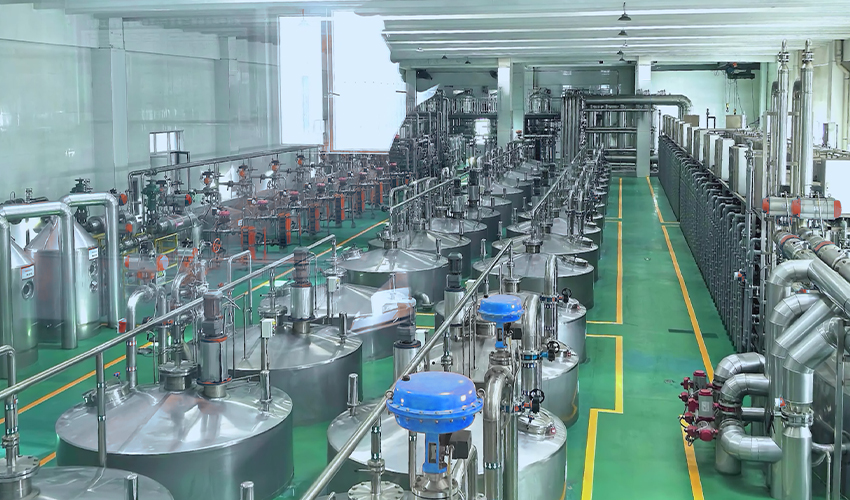
At AGRIFAM, we design alcohol plants with an integrated digital control system that correlates in-process measurements — pH, temperature, fermenter off-gas composition — with lab data in near-real time. This approach, combined with energy cascade utilization and waste heat recovery, has helped achieve a 25% reduction in energy consumption and full by-product resource utilization. Testing the ethanol, then, is inseparable from monitoring the health of the entire circular system. I have seen plants that bypass this integration; they spend more on laboratory overtime while still producing inconsistent by-products because the data loop remains open.
Balancing tight ethanol specifications with co-product revenue streams requires testing strategies that go far beyond a final tank sample. If your operation produces fuel, food, or medical grade ethanol alongside DDGS and CO2, mapping the quality control architecture onto the plant design is a step that pays back quickly. Reach out to discuss your project at [email protected].
What to Look for in an Ethanol Production Partner
When evaluating a production partner or an engineering firm for a new ethanol facility, it pays to look beyond the headline ethanol output figures. Ask how in-process testing data is shared and whether the plant’s control architecture links quality deviations to automatic process adjustments. Understand the quality targets for co-products, not just the ethanol. A partner that can show DDGS protein uniformity data, CO2 purity certificates, or biogas methane consistency alongside ethanol specs demonstrates a mature, integrated quality system.
If your project involves multiple ethanol grades or you are scoping a turnkey grain deep processing plant, the testing philosophy of the engineering team will directly affect long-term operating margins. Discussing your specific quality requirements early — not as an afterthought at commissioning — usually results in a more efficient and less costly validation path.
If your ethanol sourcing program spans fuel, food, and medical grades or you are evaluating plant design partners for a new integrated facility, connecting with an engineering team that views quality testing as a plant-wide integration point is a practical next step. AGRIFAM’s grain deep processing solutions include full-scope alcohol production systems designed around circular economy principles. Reach out at [email protected] or call 010-8591 2286 to discuss how a testing-driven design supports dependable fuel, food, and medical alcohol production.
Common Questions About Ethanol Quality Testing
What is the permanganate time test and why does it matter?
In medical and high-purity ethanol, the permanganate time test measures how long a standardized potassium permanganate solution retains its purple color when added to the sample. The principle is straightforward: easily oxidizable organic impurities — aldehydes, unsaturated hydrocarbons, some reducing agents — consume the permanganate, causing the color to fade. A shorter time indicates a higher impurity burden. While other tests like GC-MS can identify specific contaminants, the permanganate time provides a rapid, holistic snapshot of overall oxidizable purity. It remains a routine requirement in pharmacopoeia monographs because it catches classes of impurities that targeted tests may miss.
How often should ethanol be tested during continuous production?
Testing frequency depends on the production stage and the grade being made. In a high-volume fuel ethanol plant, key parameters like water content and acidity are often analyzed every two hours from the anhydrous product stream, with full certification runs performed daily or per shift. Food and medical grade production typically demands more frequent sampling, often every hour for critical tests, as the cost of an out-of-spec batch is higher. Many plants now supplement grab sampling with online analyzers for parameters such as water, density, and alcohol concentration, which feed data to the control system continuously. The lab then confirms deviations flagged by the online instruments, creating a layered testing strategy rather than a rigid schedule.
Can one testing laboratory cover all ethanol grades?
Technically yes, but practical considerations often lead larger plants to segregate testing areas. The instrumentation for fuel, food, and medical ethanol overlaps significantly — gas chromatographs, titrators, densitometers — but the quality management and documentation burden differs sharply. Medical-grade testing under GMP requires validated methods, instrument qualification records, and a quality assurance unit that reviews batch records. Many producers choose to operate a fuel-grade lab in one area and a dedicated GMP-compliant lab for medical and pharmaceutical alcohol to avoid the administrative risk of cross-contamination and to maintain audit readiness.
What certifications should a medical ethanol supplier hold?
At minimum, a medical ethanol supplier should hold a current GMP certificate from a recognized regulatory body for the relevant pharmacopoeia (USP, EP, or BP). ISO 13485 certification is a strong additional signal, especially if the alcohol is used in medical device manufacturing. For exports, a Certificate of Analysis per batch that includes all pharmacopoeia-listed tests is standard, and many buyers also request a Certificate of Conformity. Experience shows that suppliers who can provide a full traceability record — linking ethanol batches back to specific fermentation and distillation runs with raw material records — reduce the buyer’s risk substantially, particularly when the alcohol enters a sterile drug production chain.
How does ethanol quality affect DDGS marketability?
Ethanol quality problems that originate in fermentation — such as elevated glycerol, residual sugars, or off-spec yeast health — frequently correspond to nutritional shifts in the dried distillers grains. Lower yeast viability can leave more unfermented starch, which appears as lower protein content in the DDGS, diminishing its feed value. Methanol and acetaldehyde carry-over into the stillage can also affect DDGS odor, making it less attractive to certain animal feed formulators. Maintaining tight ethanol quality control therefore serves as a leading indicator for DDGS consistency. If your project requires predictable DDGS quality alongside ethanol production, ask your engineering partner how their quality control system tracks the fermentation by-products that influence both streams.
If you’re interested, check out these related articles:
Driving Global Food Conservation Through Technological Innovation