
Most fragrance oil storage advice repeats the same three rules: keep it cool, keep it dark, keep it sealed. What those articles rarely address is what actually happens when those rules are not followed, and how the damage shows up in a commercial scenting system weeks before anyone notices a change in the bottle. After ten years formulating and shipping fragrance oils to clients in 68 countries, I have watched a consistent pattern: a procurement team follows the storage checklist, yet six months later the scent throw in their hotel lobby diffuser has halved. The oil looks fine. It is not. Proper storage is about preserving the exact aromatic profile your brand invested in, not merely preventing spoilage.
Temperature and Humidity Control for Fragrance Oil Stability
Temperature is the single most influential factor in fragrance oil degradation. The rule is simple: store fragrance oils between 10°C and 25°C. What is less understood is why excursions matter more than averages.
Fragrance oils are complex blends of aromatic compounds, each with its own volatility threshold. When ambient temperature climbs above 30°C, lighter top notes evaporate preferentially. The oil does not disappear. It shifts. A citrus opening that once greeted guests in a hotel lobby becomes muted, while heavier base notes like vanilla or musk dominate disproportionately. The scent profile your brand selected is no longer the scent your diffuser delivers.
Humidity compounds the problem. In facilities without climate control in tropical regions, condensation inside partially used bottles introduces moisture that accelerates ester hydrolysis. I have inspected fragrance oil batches stored in a Southeast Asian warehouse where daytime humidity exceeded 85%. Within four months, the oils developed a faint sourness that was not present at shipment. The supplier had followed all sealing protocols. The storage environment had worked against them.
For commercial buyers managing inventory across multiple climate zones, one adjustment delivers disproportionate benefit: dedicate a climate-controlled cabinet or small storage room specifically for fragrance oils rather than storing them in general warehouse racking. The cost of a modest temperature-controlled unit, typically a few hundred dollars, is trivial compared to replacing degraded oils that represent thousands in formulation and shipping investment.
Recognizing Oxidation in Stored Fragrance Oils
Oxidation is the most common storage failure mode I see, and the most frequently missed. Unlike temperature degradation, which alters the scent profile gradually, oxidation often announces itself through visual cues before the nose confirms it.
Three signs that a fragrance oil has oxidized warrant attention. The oil develops a darker tint than its fresh reference sample, shifting from pale yellow to amber or from clear to cloudy. A thickening at the bottom of the bottle appears, often mistaken for sediment but actually polymerized aromatic compounds. The scent acquires a sharp, varnish-like top note that was absent in the original formulation.
These changes happen faster than most procurement timelines account for. Bottles opened for sampling and then resealed introduce oxygen headspace that starts the clock. Any bottle opened more than three times for sampling should be flagged for priority use rather than returned to long-term storage. The cumulative oxygen exposure from repeated opening is a more aggressive degradation driver than passive storage conditions alone.
Container Selection for Fragrance Oil Preservation
The container matters more than most buyers assume. Fragrance oils are solvent-based products. They interact with their packaging over time, and the wrong material accelerates spoilage in ways that mimic oxidation or temperature damage.
Aluminum bottles with internal lacquer linings are the standard for commercial fragrance oil storage and for good reason. They block light completely, offer excellent gas barrier properties, and do not leach into the oil. HDPE is a practical alternative for larger volumes, but it is slightly gas-permeable over extended periods. For storage beyond six months, aluminum outperforms HDPE on every metric that matters.
Glass is chemically ideal but operationally risky. Broken glass in a warehouse or during transit creates contamination hazards that plastic and aluminum avoid. I have worked with clients who insisted on glass for purity reasons only to lose entire shipments to breakage during transfer between storage locations.
One container practice worth adopting: always retain a small sealed reference sample from each batch in an aluminum bottle, stored separately from working inventory. When a storage question arises, you have an unopened control to compare against rather than relying on memory of how the oil should smell.
| Container Material | Light Protection | Gas Barrier | Breakage Risk | Best Use |
|---|---|---|---|---|
| Aluminum (lacquered) | Complete | Excellent | None | Long-term storage, reference samples |
| HDPE | Partial | Moderate | None | Bulk storage under 6 months |
| Glass (amber) | Good | Excellent | High | Short-term, lab use only |
| PET | Poor | Moderate | None | Not recommended for storage over 30 days |
If your program involves oils with high citrus or aldehyde content, aluminum becomes non-negotiable. These compound families are aggressively reactive with oxygen and will degrade noticeably in HDPE within three months. Reach out at [email protected] with your formulation specifics and we can confirm the right container specification for your inventory timeline.
Managing Light Exposure During Fragrance Oil Storage
Light exposure accelerates degradation through photochemical reactions that break down aromatic molecules. UV radiation is the primary culprit, but even visible light contributes over extended periods.
Clear glass or plastic bottles on open shelving under fluorescent or LED lighting are problematic. Amber glass mitigates but does not eliminate the risk because it filters only part of the UV spectrum. For oils that will sit in storage longer than three months, opaque packaging is the only reliable solution.
In facilities where lighting control is limited, a simple intervention costs almost nothing: storing bottles inside closed cardboard cartons on standard racking. The carton blocks light while adding negligible labor. It is not elegant, but it works.
Bulk Storage Practices for Commercial Fragrance Operations
Bulk fragrance oil storage introduces challenges that small-bottle storage does not. When you are managing 5-liter or 25-liter containers for a multi-location hotel chain or a retail rollout, the surface-area-to-volume ratio changes and so do the practical risks.
Nitrogen blanketing is the most effective technique for preserving bulk fragrance oils in large containers. After each dispensing event, introducing a blanket of nitrogen into the headspace displaces oxygen and effectively pauses oxidation. This is standard practice in fragrance manufacturing and it translates directly to commercial storage operations. One client managing 60 hotel properties cut their annual fragrance oil replacement cost by roughly a third after implementing nitrogen blanketing for their bulk storage containers.
The second practice that pays for itself quickly is first-in, first-out inventory discipline tied to actual open dates rather than receipt dates. A bottle received six months ago and opened last week is substantially fresher than a bottle received three months ago and opened on day one. Your inventory system should track both dates.
When planning storage for a new commercial scenting deployment, I recommend allocating at least 15% of the fragrance budget to proper storage infrastructure upfront. This includes temperature control, appropriate containers, and inventory tracking. The return comes from avoiding the far larger cost of replacing degraded oils mid-program and explaining to stakeholders why the signature scent no longer smells right.
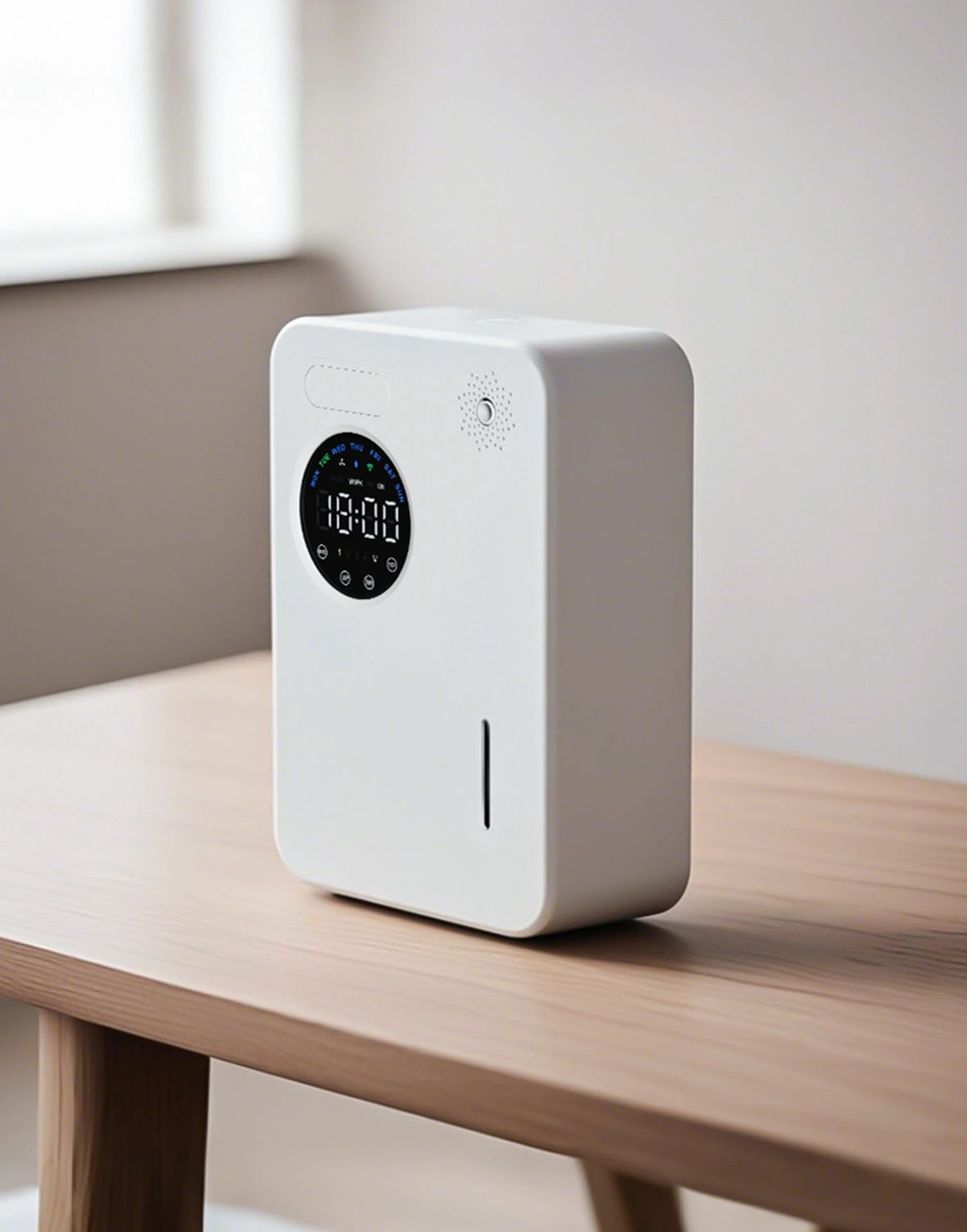 For larger deployments, it is also worth reviewing your diffuser consumables pipeline alongside your oil storage plan. Scent-Share offers commercial diffusers designed to work with properly stored oils and maintain consistent output over the full cartridge life. If you run a multi-location program, confirming the diffuser model matches your oil storage and replenishment cadence prevents the situation where good oil meets a poorly maintained machine.
Fragrance Oil Storage Questions from Procurement Teams
How long can fragrance oils realistically be stored?
Under proper storage conditions in sealed aluminum bottles at 10°C to 25°C, most fragrance oils remain stable for 12 to 24 months from the formulation date. Citrus-heavy blends trend toward the shorter end of that range. Woody and oriental profiles often hold longer. The key variable is not age alone but cumulative exposure to oxygen, temperature excursions, and light. A two-year-old bottle that has remained sealed in climate-controlled darkness will outperform a six-month-old bottle that has been opened repeatedly and stored on a warm shelf.
Does refrigeration extend fragrance oil shelf life?
Refrigeration can extend shelf life for certain formulations, particularly those rich in volatile top notes, but it requires caution. Bringing chilled oils into ambient air causes condensation that introduces moisture. If you refrigerate, bring bottles to room temperature before opening them and allow at least two hours for thermal equilibration. For most commercial operations, a stable 15°C to 20°C storage environment is more practical and avoids condensation management entirely.
Can degraded fragrance oil damage a commercial diffuser?
Yes, and it is an expensive problem. Oxidized or polymerized fragrance oil can clog atomizer nozzles, foul pump seals, and leave deposits inside the diffusion mechanism that require disassembly to clean. The thinner the nozzle orifice on a nebulizing diffuser, the more vulnerable it is. Diffusers can fail within weeks of being fed degraded oil that still smelled acceptable at the bottle opening. The damage happens inside the machine where the oil is atomized. If you suspect your stored oil has degraded, do not test it by running it through your production diffuser. Share your oil batch history and diffuser model at [email protected] or call +86 185 6557 5758 and we can evaluate the risk before you risk your equipment.
How should fragrance oils be handled during international shipping?
International shipping introduces thermal cycling and pressure changes that standard storage guidelines do not address. Container shipments crossing equatorial waters can see container interior temperatures exceed 40°C for days. Air freight minimizes transit time but exposes oils to pressure variations at altitude. I recommend using aluminum bottles with adequate ullage, at least 10% of the container volume to accommodate thermal expansion, and specifying climate-controlled storage for sea freight whenever the transit exceeds three weeks. For clients importing fragrance oils, we have developed packaging protocols that account for these transit conditions. Sharing your port of entry and transit timeline allows us to confirm the right packaging spec before your order ships.
Quality fragrance oil storage is not the most exciting part of a scent marketing program, but it is the one that determines whether the program still performs six months after launch. The investment is modest. The alternative is discovering during a stakeholder walkthrough that the signature scent no longer matches the one everyone approved. If you are managing fragrance inventory across multiple locations or ordering in bulk, confirm your storage setup before committing to volume. Contact our team at [email protected] or +86 134 2048 5758 with your storage environment details and we will help validate your approach or recommend adjustments specific to your oil profiles and facility conditions.
If you’re interested, check out these related articles:
