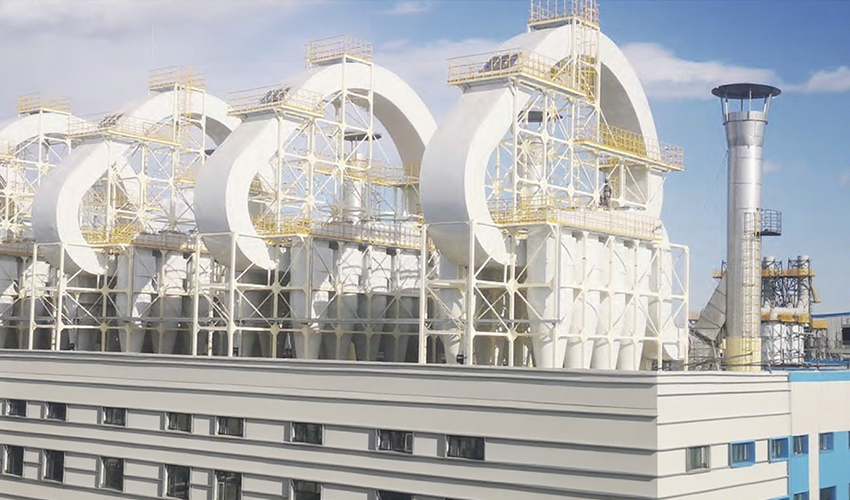

The shift happening across agriculture and food processing right now feels different from previous industry cycles. Operations that once relied on piecemeal upgrades and separate contractors are moving toward integrated development models that handle everything under one roof. Having worked through the complexities of food plant development, the appeal of consolidating design, procurement, and construction into a single accountable entity becomes obvious once you’ve experienced the alternative.
Why Integrated EPC Models Are Reshaping Food Processing Infrastructure
The agriculture and animal husbandry industry faces pressure from multiple directions simultaneously. Consumer expectations around food safety have intensified. Regulatory frameworks continue to tighten. Meanwhile, operational margins demand efficiency gains that older facilities simply cannot deliver. These converging forces have pushed food plant EPC turnkey solutions from a niche offering to a mainstream approach for serious infrastructure investment.
Engineering, Procurement, and Construction models consolidate what traditionally required coordination among dozens of separate vendors and consultants. A single entity manages the entire project lifecycle from initial concept through operational handover. This consolidation eliminates the finger-pointing that inevitably occurs when problems arise at the boundaries between different contractors’ responsibilities.
Agrifam approaches these EPC project management solutions with a philosophy that traces the entire value chain from raw material handling through finished product distribution. Every stage of food production connects to the next, and treating them as isolated problems creates inefficiencies that compound over time. The practical benefit shows up in reduced project timelines, clearer communication channels, and cost structures that remain predictable rather than ballooning with change orders.
Modern agriculture infrastructure requires more than sturdy buildings and reliable equipment. Intelligent design, sustainable practices, and regulatory compliance must be woven into the foundation rather than bolted on afterward. When all project phases fall under unified responsibility, these considerations can be addressed systematically rather than reactively.
How Strategic Design Determines Long-Term Operational Success
The design and engineering phases establish constraints that persist for the entire operational life of a food processing facility. Decisions made during these early stages determine energy consumption patterns, maintenance requirements, and the facility’s ability to adapt as regulations evolve. Getting this foundation right matters more than most project stakeholders initially realize.
Agrifam integrates energy conservation, environmental protection, and intelligent design principles from the earliest planning stages. This front-loading of sustainability considerations prevents the expensive retrofits that plague facilities designed without these factors in mind. International food safety standards including HACCP and GMP regulations inform every design decision, ensuring that compliance is built into the facility’s DNA rather than achieved through workarounds.
Hygienic design principles deserve particular attention in food plant engineering. Contamination prevention depends on facility layout, material selection, and process flow optimization. These elements interact in ways that become difficult to modify once construction begins. Detailed analysis of material handling systems, processing lines, and waste management pathways during the design phase prevents operational bottlenecks that would otherwise require costly modifications.
Sustainable food production emerges naturally from engineering procurement construction approaches that consider resource utilization holistically. Water recovery systems, energy-efficient equipment selection, and waste stream valorization all become more feasible when planned from project inception.
What Are the Critical Stages in a Food Plant EPC Project?
Food plant EPC projects progress through distinct phases that build upon each other. The process begins with a comprehensive project feasibility study that evaluates technical, economic, and operational viability. This assessment determines whether the project makes sense before significant resources are committed.
Conceptual design follows, outlining overall plant layout, production capacity, and major process units. This stage establishes the project’s scope and identifies the key technical challenges that detailed engineering must address.
Detailed engineering translates conceptual designs into precise specifications. Equipment selection, utility requirements, and construction drawings emerge from this phase. Site selection criteria factor into these decisions, as local conditions affect everything from foundation requirements to utility connections.
Regulatory compliance runs parallel to these technical activities. Securing necessary permits and approvals requires understanding both local requirements and international standards. This regulatory navigation often determines project timelines more than construction activities themselves.
Turning Design Documents Into Operational Facilities
The procurement and construction phases transform engineering specifications into physical infrastructure. This transition involves countless decisions about material sourcing, equipment vendors, and construction sequencing. Managing these decisions coherently requires the kind of integrated oversight that food plant EPC turnkey solutions provide.
Agrifam’s one-stop service approach covers equipment manufacturing through final installation. This consolidation enables quality control systems that track components from raw material inspection through structural integrity verification. When procurement and construction operate under unified management, supply chain optimization becomes possible in ways that fragmented approaches cannot achieve.
Food plant construction methodologies must balance multiple priorities simultaneously. Safety requirements, efficiency targets, and design specification adherence all compete for attention. Experienced teams navigate these competing demands through systematic planning and proactive problem identification.
Installation and commissioning require technical expertise that differs from construction skills. Integrating mechanical systems, electrical infrastructure, and control systems demands coordination among specialists who understand how these elements interact. Automation in food plants adds complexity but also creates opportunities for productivity gains that justify the additional integration effort.
Risk management in EPC projects identifies potential challenges before they become expensive problems. Weather delays, supply chain disruptions, and regulatory changes all represent risks that experienced project managers anticipate and plan around. This proactive approach maintains project momentum even when unexpected obstacles emerge.
How Does a Turnkey Solution Ensure Food Safety and Quality Compliance?
Turnkey solutions achieve food safety and quality compliance through integrated quality assurance protocols that span all project phases. This integration prevents the gaps that occur when different contractors apply different standards to their respective scopes.
Vendor management plays a crucial role in this compliance framework. Selecting suppliers who meet strict quality criteria ensures that components entering the facility already satisfy relevant standards. This upstream quality control reduces the inspection burden during installation and commissioning.
International standards like HACCP and GMP inform equipment selection, facility design, and construction practices throughout the project. These requirements are not treated as checklists to satisfy at the end but as design constraints that shape decisions from the beginning.
Continuous monitoring and validation during installation and commissioning verify that all systems contribute to a safe and compliant food production environment. This systematic verification builds confidence that the facility will perform as designed when operations begin.
From Commissioning Through Operational Independence
Commissioning and handover phases determine whether a food plant achieves its intended performance from the start of operations. Agrifam conducts plant commissioning with rigorous verification that all systems and equipment function according to design specifications. This testing identifies issues while the project team remains engaged and can address problems efficiently.
Performance testing validates capacity and efficiency against projected outputs. These tests provide objective evidence that the facility meets its design targets and establishes baseline metrics for ongoing operational monitoring.
Operator training programs transfer knowledge from the project team to client personnel who will manage the facility long-term. This training covers operational procedures, maintenance protocols, and safety guidelines. The goal is operational independence rather than ongoing dependence on external support.
Post-project support extends Agrifam’s commitment beyond formal project completion. Technical assistance, spare parts supply, and maintenance services remain available as facilities mature and operational questions arise. Food plant modernization and upgrading services ensure that facilities can adapt to evolving industry standards and technological advances.
If you are looking to drive global food conservation through technological innovation, consider exploring our insights in 《Driving Global Food Conservation Through Technological Innovation》.
The Strategic Case for Chinese EPC Providers
Chinese EPC providers have developed capabilities that make them competitive options for food processing projects worldwide. Agrifam offers comprehensive one-stop service covering financial support and consulting through design, manufacturing, installation, and subsequent upgrading. This integrated approach simplifies project management for clients who would otherwise coordinate multiple international vendors.
Chinese EPC advantages include cost structures that reflect efficient supply chains and advanced manufacturing capabilities. These efficiencies translate to competitive pricing without compromising quality standards. Technological advancement in food processing, including intelligent digital control systems and energy-saving technologies, reflects ongoing investment in capabilities that benefit client projects.
International project management experience enables smooth execution for clients regardless of location. Understanding global regulations, logistics complexities, and cultural factors that affect project success requires experience that comes from completing projects across diverse markets. Global supply chain expertise ensures timely procurement and delivery of high-quality equipment even when sourcing from multiple countries.

| Feature | Agrifam (Chinese EPC) | Local Providers (Typical) |
|---|---|---|
| Project Scope | Comprehensive one-stop service (financial to upgrade) | Often fragmented, requiring multiple contractors |
| Cost-Effectiveness | Highly competitive due to efficient supply chain | Higher due to localized overheads and sourcing |
| Technological Integration | Advanced, intelligent, energy-saving technologies | Varies; may require additional tech integration |
| Global Experience | Extensive international project management | Primarily focused on domestic markets |
| Supply Chain | Optimized global supply chain expertise | Limited to regional or national suppliers |
Building Financial Viability Into Project Design
Return on investment considerations should influence food plant EPC decisions from the earliest planning stages. Agrifam integrates financial support and sustainable operational strategies to maximize ROI throughout the facility’s operational life. Financial consulting services assist clients in securing funding and optimizing investment structures before construction begins.
Energy efficiency in food processing significantly affects long-term operational costs. Advanced energy recovery systems and optimized utility consumption reduce ongoing expenses while also supporting environmental sustainability goals. These efficiency gains compound over the decades-long operational life of a well-designed facility.
Waste management solutions convert by-products into valuable resources rather than disposal costs. This circular economy approach enhances profitability while reducing environmental impact. The economic case for these systems often becomes compelling when analyzed over realistic operational timeframes.
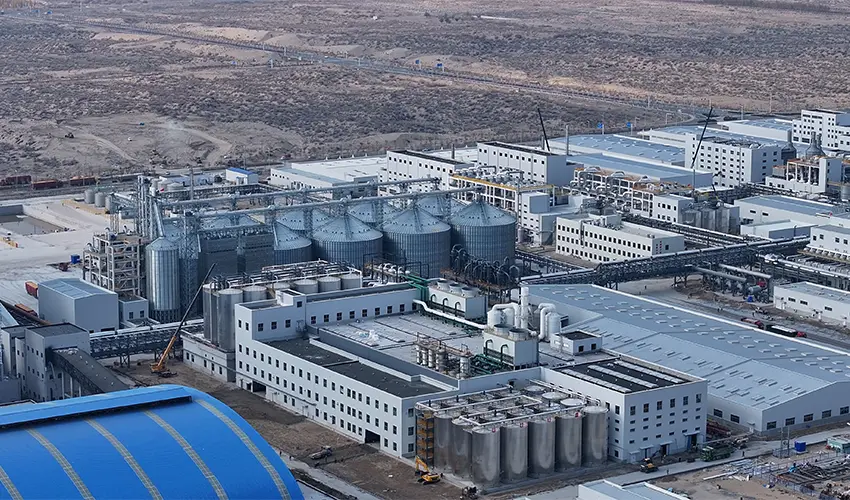
Intelligent food production through automation and data-driven decision-making enables precise resource allocation and predictive maintenance. Real-time monitoring and control systems minimize downtime and maximize output. These capabilities represent ongoing operational advantages that justify their initial investment.
Consulting services extend to long-term operational optimization, ensuring continuous improvement and adaptability to market changes. Food processing markets evolve, and facilities designed with flexibility can adapt more readily than those optimized solely for current conditions.
Moving Forward With Your Food Plant Project
Agrifam Co., Ltd. delivers integrated, one-stop EPC turnkey solutions for agriculture and animal husbandry operations seeking safer, healthier, and more efficient food processing facilities. From initial design and financial support through seamless construction, commissioning, and ongoing upgrades, our approach addresses the full project lifecycle.
Contact us at 010-8591 2286 or [email protected] to discuss how our food plant EPC expertise can support your specific project requirements.
Frequently Asked Questions About Food Plant EPC Turnkey Solutions
What is included in a typical food plant EPC turnkey solution from Agrifam?
Agrifam’s food plant EPC turnkey solution covers the complete project lifecycle. This includes initial financial support and consulting, detailed design and engineering, civil engineering, equipment manufacturing and procurement, installation, commissioning, and subsequent upgrading services. The integrated approach ensures seamless coordination across all phases, from raw material handling systems through finished product distribution infrastructure. This comprehensive scope eliminates the coordination challenges that arise when multiple contractors share responsibility for different project elements.
How does Agrifam ensure compliance with international food safety standards in its projects?
Food safety standards including HACCP and GMP inform every phase of Agrifam’s food plant EPC projects. Hygienic design principles shape facility layouts and material selections from the earliest planning stages. Equipment selection prioritizes vendors who meet strict quality criteria. Construction protocols and quality control systems verify that installation meets design specifications. This systematic approach builds compliance into the facility rather than achieving it through post-construction modifications.
What are the long-term benefits of investing in a turnkey food processing plant?
Turnkey food processing plants deliver benefits that extend well beyond initial construction. Optimized operational efficiency reduces ongoing costs. Reduced project risk during construction translates to more predictable budgets and timelines. Faster time-to-market accelerates revenue generation. Enhanced food safety and quality support premium market positioning. Facilities designed for scalability and sustainability can adapt to evolving market conditions and regulatory requirements. Energy conservation and intelligent operations continue generating value throughout the facility’s operational life, supporting strong ROI food plant performance over decades of operation.
