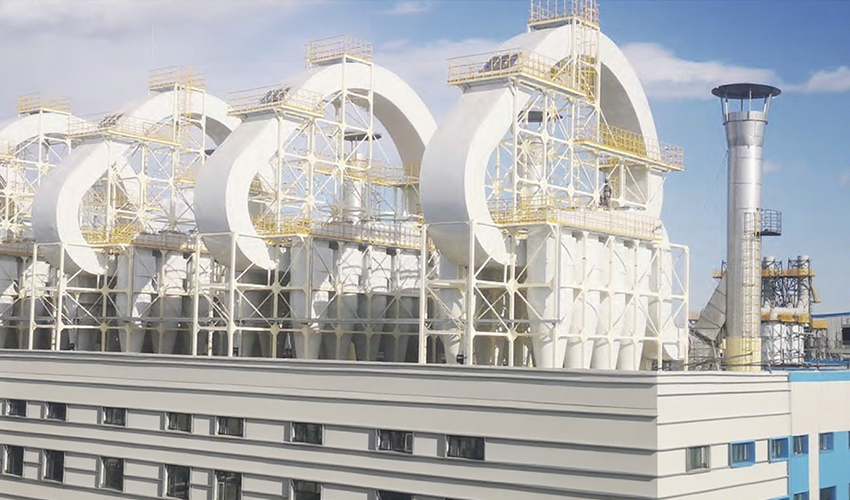

The pressure on global food systems keeps building. Populations grow, climate patterns shift, and the margin for inefficiency shrinks every year. Against that backdrop, Engineering, Procurement, and Construction projects have become more than just a delivery method for agricultural infrastructure—they’ve become a strategic lever for transforming how food gets produced, processed, and distributed. Agrifam Co., Ltd. works at this intersection, delivering agri-food EPC projects that integrate design, equipment sourcing, and construction into a single coordinated effort. The goal isn’t just building facilities. It’s building systems that actually perform under real-world conditions.
How EPC Works in Agricultural and Food Processing Contexts
EPC in the agri-food sector follows a straightforward principle: one contractor handles everything from initial engineering through final commissioning. That single point of responsibility matters when you’re developing complex facilities like livestock operations, grain storage depots, or food processing plants. The model applies engineering discipline directly to agricultural infrastructure, treating a dairy farm or a starch processing facility with the same rigor you’d expect in industrial construction. Each phase connects to the next, which eliminates the coordination gaps that typically slow projects down or introduce quality problems.
Breaking Down the Three Phases of Agri-Food EPC
An agri-food EPC project divides into three interconnected phases, each building on the previous one. Engineering covers the technical foundation—feasibility studies, process flow optimization, facility layout, and detailed specifications tailored to agricultural requirements. For a corn starch processing soultion plant, this means mapping every step from raw material intake through final product packaging. Procurement focuses on sourcing equipment that matches the design specifications, whether that’s Thermal-Insulated Steel Silos for grain storage or Precise Feeding Stations for beef cattle operations. Construction then executes the physical build, handling civil works, mechanical installation, and system integration until the facility reaches operational status.
What Makes Turnkey Delivery Different
The turnkey approach centralizes accountability in ways that fundamentally change project dynamics. Instead of managing separate contracts for design, equipment, and construction—each with its own timeline, budget, and quality standards—clients work with one provider who owns the entire outcome. This structure reduces the coordination burden that typically consumes project management resources. It also shifts risk to the party best positioned to manage it. When the same organization designs a system and builds it, they can’t blame someone else’s specifications for construction problems. The result is a facility delivered ready for operation, not a partially completed project requiring additional work before production can start.
Why EPC Matters for Agricultural Modernization
The strategic value of agri-food EPC extends beyond project efficiency. These integrated solutions address fundamental challenges facing food production: resource constraints, environmental pressures, and the need for consistent quality at scale. By consolidating engineering expertise with construction capability, EPC projects can implement sustainable farming practices and food safety standards compliance as built-in features rather than afterthoughts. The approach optimizes resource utilization from the design phase forward, building waste reduction and operational efficiency into the facility’s DNA.
Connecting Design Decisions to Sustainability Outcomes
EPC projects create direct links between engineering choices and sustainability performance. In grain depot storage soultion, Agrifam implements green storage technologies with intelligent temperature and humidity control combined with mechanical ventilation systems. These design decisions reduce energy consumption while maintaining optimal preservation conditions. Our dairy cow ranch soultion takes a similar approach, establishing closed-loop water management and converting manure to biogas. The integration of renewable energy in agriculture and effective waste management systems happens during engineering, not as a retrofit. This upstream approach to resource optimization delivers measurable carbon footprint reduction alongside operational cost savings.
Managing Risk Through Integrated Project Control
Complex agricultural projects face multiple risk categories: regulatory requirements, environmental considerations, construction quality, and operational performance. EPC frameworks address these through structured project risk management that spans the entire development lifecycle. We navigate food safety regulations and environmental impact assessment requirements as part of the standard process, not as obstacles to work around. Quality control in construction follows protocols established during engineering, ensuring that what gets built matches what was designed. This proactive approach catches potential problems before they become expensive corrections.
Technology Integration in Modern Agri-Food Projects
The capabilities of agri-food EPC projects have expanded significantly as technology has matured. Smart farming technology and automation in agriculture now enable facilities that would have been impractical a decade ago. IoT in agriculture provides real-time monitoring data, precision agriculture techniques optimize input usage, and advanced greenhouse technology extends growing seasons and geographic ranges. Cold chain logistics infrastructure ensures that processing investments translate into product quality at the consumer level. These technologies aren’t add-ons—they’re integral to how modern agri-food facilities function.
Where Technology Creates Operational Advantages
Technology integration in agri-food EPC projects enhances efficiency at multiple levels. AI in agriculture and robotics in farming automate tasks that previously required significant labor, from precise feeding schedules in livestock operations to automated sorting in processing facilities. Sensor technology for crops and remote monitoring systems generate continuous data streams that enable precision agriculture at scale. Digital twins create virtual facility models that support both design optimization and predictive maintenance after commissioning. This digital integration transforms facilities from static infrastructure into responsive systems that adapt to changing conditions.
For additional perspective on technological innovation in food systems, consider reading 《Driving Global Food Conservation Through Technological Innovation》.
Selecting an EPC Partner That Fits Your Project
The EPC contractor selection process determines much of what follows. An effective partner brings integrated solutions provider capabilities—not just construction skills, but genuine technical expertise in agri-food applications. Relevant project experience in agriculture matters because agricultural facilities have requirements that differ from industrial or commercial construction. Financial stability of contractors affects their ability to complete projects and honor warranty obligations. Industry reputation provides insight into how they’ve performed on similar work. The right partner functions as a one-stop service for agriculture, managing complexity so clients can focus on their core operations.
The Case for Integrated Project Delivery
Integrated EPC proves its value through coordination benefits that accumulate across project phases. When one organization handles design through commissioning, information flows without the translation losses that occur between separate contractors. Supply chain optimization happens naturally because procurement decisions align with construction schedules. Conflicts between design intent and construction reality get resolved internally rather than through change orders. This end-to-end solutions approach supports farm-to-table integration, creating facilities that connect efficiently with upstream suppliers and downstream distribution channels.
How Agrifam Approaches Agri-Food EPC
Agrifam Co., Ltd. delivers comprehensive EPC solutions across the agri-food spectrum, from port terminal warehousing soultion to advanced food processing facilities. Our service model covers the full project lifecycle: financial support, consulting services, design and civil engineering, manufacturing, installation, commissioning, and subsequent upgrading. This scope reflects our commitment to intelligent agriculture development that serves both economic and environmental objectives. We focus on enhancing the customer experience through technical expertise and seamless project execution.
From Initial Concept Through Operational Facility
Our one-stop service model manages every project aspect, providing consistent project management expertise from feasibility studies through post-commissioning support. This turnkey project delivery approach simplifies ventures that would otherwise require coordinating multiple specialized contractors. Clients receive consistent quality standards and optimized outcomes throughout the project lifecycle. Our fuel ethanol alcohol production soultion demonstrates this approach, emphasizing energy cascade utilization and biogas comprehensive utilization to create green circular production systems. Similarly, our maltose syrup production soultion provides complete engineering solutions for enzymatic starch conversion, ensuring stable product quality for food and brewing applications.
| Solution Category | Key Features |
|---|---|
| Port Terminal Warehousing | Efficient conveying systems, large-scale storage capacity, integrated logistics coordination |
| Grain Depot Storage | Intelligent temperature/humidity control, nitrogen-regulated atmospheres, mechanical ventilation |
| Corn Starch Processing | Complete wet milling systems, starch separation and drying, byproduct utilization |
| Dairy Cow Ranch | Closed-loop water management, manure-to-biogas conversion, precise feeding systems |
| Fuel Ethanol Production | Energy cascade utilization, biogas comprehensive utilization, green circular production |
| Maltose Syrup Production | Enzymatic conversion systems, quality control integration, food-grade processing standards |
Frequently Asked Questions
What distinguishes agri-food EPC from standard construction contracts?
Agri-food EPC consolidates engineering, procurement, and construction under single-contractor responsibility, which standard construction contracts typically separate. This integration matters for agricultural facilities because design decisions directly affect operational performance—a grain storage system designed without understanding procurement options for climate control equipment may underperform, while construction teams unfamiliar with food safety requirements may miss critical details. The EPC model ensures that technical expertise flows across all project phases.
How long do typical agri-food EPC projects take from start to operation?
Project timelines vary significantly based on facility type and scale. A grain storage depot might reach operational status in 12-18 months, while a complete food processing plant could require 24-36 months. The EPC approach typically compresses these timelines compared to traditional delivery methods because design and procurement activities can overlap, and construction planning begins during engineering rather than after design completion. Site conditions, regulatory approval processes, and equipment lead times also influence schedules.
What role does technology play in reducing operational costs after commissioning?
Technology integration during EPC projects establishes the foundation for long-term operational efficiency. Automated systems reduce labor requirements for routine tasks. Sensor networks and monitoring systems enable predictive maintenance, catching equipment issues before they cause production downtime. Energy management systems optimize utility consumption based on real-time conditions. These capabilities compound over facility lifespans, often delivering returns that exceed initial technology investments within the first few years of operation.
Can existing agricultural facilities be upgraded through EPC approaches?
Existing facilities can benefit from EPC methodology, though the approach differs from greenfield development. Upgrade projects typically begin with comprehensive facility assessments that identify performance gaps and improvement opportunities. Engineering then develops solutions that work within existing infrastructure constraints. Procurement focuses on equipment compatible with current systems, and construction phases around ongoing operations to minimize production disruption. This approach brings EPC discipline to modernization without requiring complete facility replacement.
