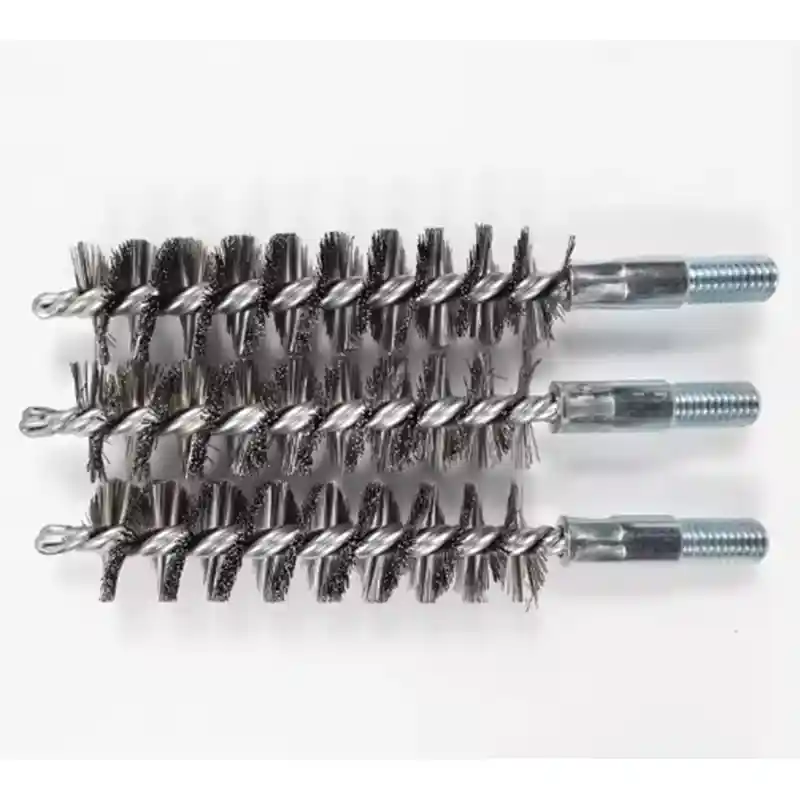

For anyone who relies on a CPAP machine every night, the tube is where moisture, dust, and skin cells collect. If the inside of that hose isn’t cleaned mechanically, a biofilm forms that simple soaking cannot break. A well-designed CPAP tube cleaning brush gives you a way to scrub the entire inner wall, not just rinse it. We’ve spent years producing industrial tube brushes for demanding applications, and the same principles—correct bristle material, stem flexibility, and dimensional accuracy—apply directly to consumer-grade CPAP cleaning tools.
Why Cleaning Your CPAP Tube Is Non‑Negotiable
CPAP tubes stay warm and damp for hours each night. That environment promotes bacterial and fungal growth, and once a biofilm takes hold, it resists liquid disinfectants. Scrubbing is the only reliable way to disrupt the film and expose any remaining microorganisms to your cleaning solution. Using a CPAP tube cleaning brush that reaches the full length of the hose reduces the risk of respiratory irritation and repeated sinus infections. It also extends the service life of the hose, because dried-on deposits can stiffen the tubing over time.
The challenge is that a CPAP hose is long, flexible, and narrow; a poorly chosen brush can scratch the inner silicone or leave bristle fragments behind, creating a new set of problems. That’s why brush design matters at least as much as the cleaning routine itself.
What Separates a Quality CPAP Tube Cleaning Brush from a Gimmick
A useful tube brush for this application is never a one‑size‑fits‑all product. In our own development work, we look at four elements:
-
Bristle material: Food‑grade nylon filament, typically between 0.15 mm and 0.25 mm in diameter, is effective at removing biofilm without marring medical‑grade silicone. Natural bristles absorb moisture and become a secondary contamination source. Wire bristles, even stainless steel, are too aggressive for flexible CPAP tubing and can create micro‑scratches that trap bacteria.
-
Stem construction: A twisted‑wire stem, usually stainless steel, must be flexible enough to navigate the hose curves without kinking, yet rigid enough to push through resistance. A stem that bends too easily will collapse halfway through the tube. We’ve found that a stem diameter between 1.0 mm and 1.2 mm with a moderate twist pitch provides a good balance.
-
Brush diameter and length: The brush head should measure roughly 2 mm to 3 mm larger than the inner diameter of the tube to maintain contact while sliding. Many CPAP hoses are around 15 mm to 19 mm inside, so a brush head of 18 mm to 22 mm is common. Overall brush length must exceed the hose length by at least 15 cm to allow a firm grip.
-
End finishing: A poorly cut wire tip at the leading end of the brush can poke through the tube wall. A reliable manufacturer caps or loops the tip. This detail is often overlooked in generic cleaning kits.
How to Clean a CPAP Tube with a Brush
Knowing which brush to buy is only useful if you use it correctly. Our process, refined through years of working with tube cleaning applications, works as follows:
- Disconnect the CPAP hose from the machine and mask.
- Rinse the hose with warm water to loosen any loose debris.
- Prepare a mild cleaning solution—neutral pH dish soap in warm water is sufficient for most home users.
- Dip the brush head into the solution and insert it into one end of the hose. Advance it slowly with a gentle twisting motion. Do not force it; if you feel resistance, back off slightly and rotate before continuing.
- Push the brush all the way through until the tip exits the far end. Pull it back through once. Avoid aggressive back‑and‑forth scrubbing, as that can fatigue the stem wire over time.
- Rinse the hose thoroughly under running water and hang it vertically to dry before reattachment.
If your hose has an integrated heated coil or sensor line, check the manufacturer’s guidelines before introducing any brush—some designs are not intended for mechanical cleaning. 
Choosing the Right Brush: Nylon, Wire, or Foam
Consumers encounter several types of tube‑cleaning devices, and not all are safe for CPAP equipment. The table below compares three common options.
| Brush Type | Bristle Material | Cleaning Effectiveness | Risk of Tube Damage | Typical Lifespan |
|---|---|---|---|---|
| Nylon tube brush | Food‑grade nylon | High (disrupts biofilm) | Low when sized correctly | 6–12 months |
| Wire brush | Steel or brass | Very high, but too aggressive | High (scratches silicone) | Not recommended |
| Foam swab | Open‑cell foam | Low (pads surface only) | None, but leaves residue | Single use or short‑term |
We consistently see better long‑term outcomes with nylon brushes that are purpose‑built for flexible medical tubing. The key is that the brush must do more than move liquid around—it must physically contact the entire circumference of the tube wall.
When to Replace Your Brush and How to Store It
Bristle wear is gradual but predictable. Inspect the brush head after each use. If the filaments look flattened, if there are bare spots along the spiral, or if the stem wire shows any sign of rust, replace the brush immediately. With daily use, a quality nylon CPAP tube cleaning brush lasts about six to eight months. Storing the brush completely dry and hanging freely—not coiled tightly—helps prevent kinks in the stem and extends its useful life.
The same inspection habits that matter for industrial tube brushes matter for the one next to your bedside. A worn‑out brush will stop cleaning effectively, and you might not notice until residue reappears.
Common Questions About CPAP Tube Cleaning Brushes
How do I know if my brush diameter is correct for my hose?
Measure the inner diameter of your CPAP hose with a caliper or check the manufacturer’s specifications. The brush should be 2 mm to 3 mm larger than that measurement. If you feel the brush passing through too easily, it’s probably undersized and won’t scrub the wall adequately.
Can I use a generic pipe cleaner instead of a dedicated CPAP brush?
Pipe cleaners are designed for rigid metal or PVC pipes. Their twisted wire stem is often much stiffer and can scratch the inner surface of a CPAP hose. The bristle fill is usually lower as well, so biofilm removal is inconsistent. A brush built specifically for medical tubing is safer and more thorough.
Is it safe to boil a nylon brush to disinfect it?
Nylon filament tolerates temperatures around 100°C without degrading, but the stem wire and any epoxy bonding at the handle may not. Brief immersion in water that has just boiled is usually acceptable, but prolonged boiling can weaken the twist and cause the tip to separate. We recommend chemical disinfection after cleaning rather than boiling.
How often should I clean the brush itself?
After each use, rinse the brush in clean water, shake off excess moisture, and stand it upright to air dry. A monthly soak in a dilute hydrogen peroxide solution (3‑5%) helps keep the bristles free of residual biofilm. Never store the brush wet or sealed inside a plastic bag.
If your organization requires specific cleaning brush dimensions or a different filament grade for regulatory compliance—for example, a slightly softer bristle for more delicate silicone compounds—we can develop a customized solution. Send your requirements and order quantity to [email protected], and we’ll confirm a sample timeline.
If you’re interested, check out these related articles:
descaling spiral brush an innovative tool and generalist in the field of industrial cleaning
introduction of our concrete block machine brushes
advantage of hx cylindrical sanding brushes
how do you know about deburring brushes