Choosing the right commercial scent diffuser comes down to matching technology with actual business conditions. After working with hotels, retail chains, and corporate offices across different markets, I’ve seen how the wrong diffuser choice creates ongoing headaches while the right one quietly does its job for years. The differences between diffusion methods matter more than most buyers realize, and understanding those differences upfront saves both money and frustration.
How Different Diffusion Technologies Actually Work
Commercial scent diffusion splits into several distinct approaches, and each behaves differently in real-world conditions. Cold air diffusion and nebulization both convert fragrance oils into fine mists without applying heat. This matters because heat degrades the molecular structure of essential oils, changing how they smell and reducing their therapeutic properties. HVAC integration takes a different route entirely, using existing ventilation infrastructure to push scent throughout large spaces.
Cold air diffusion technology works by forcing pressurized air through fragrance oil, breaking it into microscopic particles that hang in the air without leaving residue on surfaces. The Scent-Share Commercial Scent Oil Diffuser Bluetooth APP and Scent-Share Desktop Scent Diffuser for Home Bluetooth APP both use this method. Nebulizing diffusers operate on similar principles but typically produce even finer particles. Neither method burns through oil as quickly as heat-based alternatives, and both maintain scent consistency throughout the day.
For buildings where you need coverage across thousands of square meters, HVAC scenting systems like the Scent-Share Commercial Scent Diffuser HVAC Aroma Dispenser System and Scent-Share Commercial Aroma Diffuser HVAC Scent System connect directly to air conditioning ducts. The fragrance enters the airflow at a central point and distributes evenly through every room the system serves. This approach eliminates the need for multiple standalone units and creates remarkably consistent scent levels throughout a building.
Passive methods still have their place. Reed diffusers and aroma stones like the Modern Minimalist Reed Oil Diffuser Aroma Gift Safe for Pets and Natural Crystal Aroma Stones Fragrance Raw Minerals Gift Set work through simple evaporation. They require no power, produce no noise, and suit small spaces where subtle background fragrance is enough. The tradeoff is limited control over intensity and coverage that drops off quickly with distance.
| Technology Type | Diffusion Method | Coverage Area Suitability | Key Advantages |
|---|---|---|---|
| Cold Air Diffusion | Pressurized air atomization | Medium to Large | No heat, consistent scent, oil integrity |
| Nebulization | High-pressure atomization | Small to Medium | Fine mist, pure aroma, efficient oil usage |
| HVAC Integration | Connects to ventilation | Very Large | Uniform distribution, centralized control |
| Passive (Reed/Stone) | Evaporation | Small, Localized | No power, quiet, decorative, chemical-free |
 ## Performance Metrics That Actually Matter
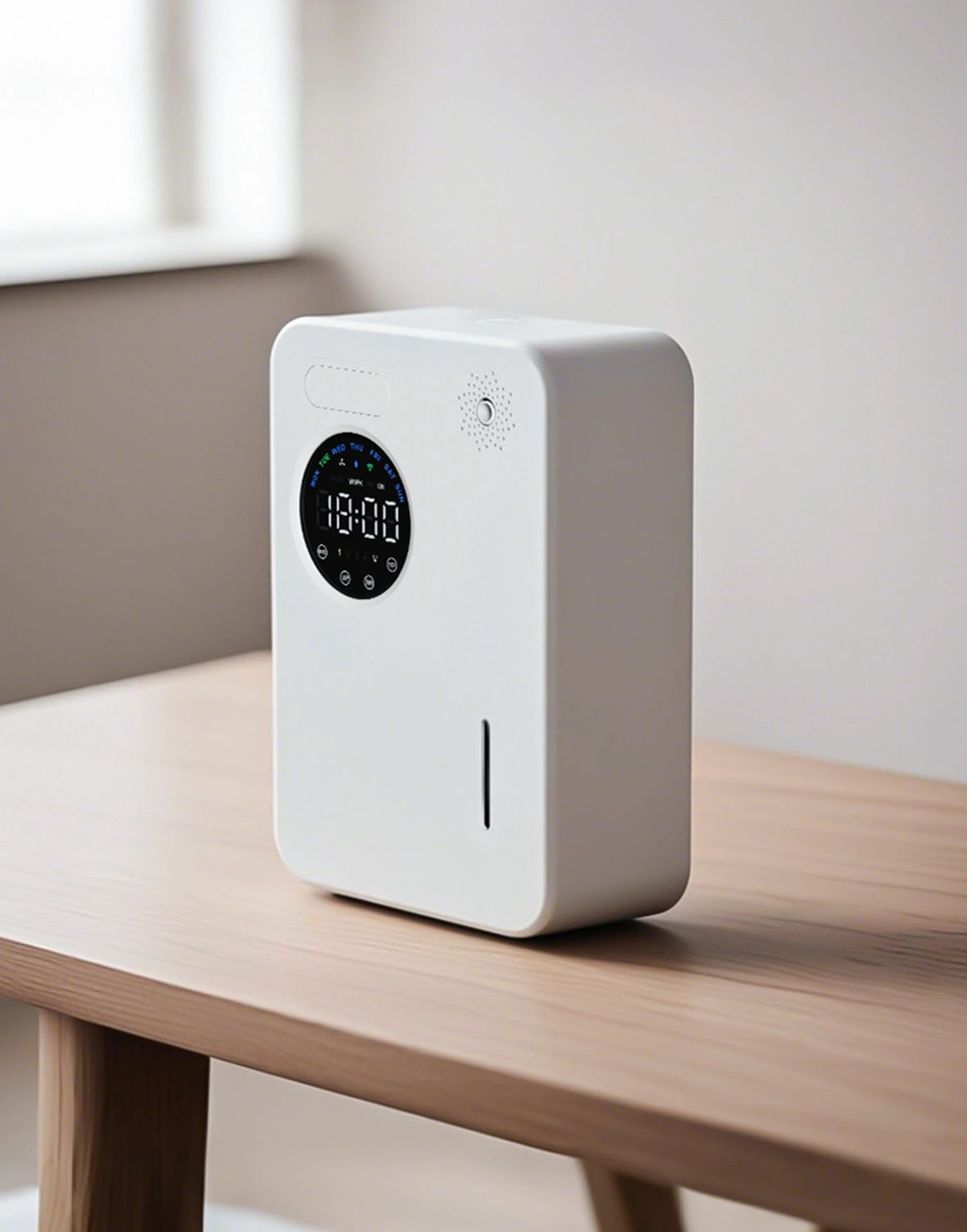
Picking a commercial diffuser based on specifications alone misses important context. Coverage area numbers tell you the maximum space a unit can handle under ideal conditions, but real environments have furniture, partitions, and air currents that affect distribution. A Scent-Share Wall Mount Aroma Diffuser HVAC Scent System rated for 3,000m³ will perform differently in an open-plan office versus a space broken into small rooms. The Home Aroma Air Diffuser Scent Machine designed for 80m³ works well in a boutique or small reception area but would struggle in anything larger.
Intensity control separates professional equipment from consumer products. Being able to dial fragrance levels up or down throughout the day lets you match scent strength to occupancy. A hotel lobby needs stronger diffusion during check-in rushes and lighter presence during quiet hours. Programmable scheduling handles this automatically once configured.
Noise matters more than people expect until they install a diffuser in a quiet space. Spas, luxury retail, and professional offices need equipment that operates silently. The Scent-Share Home Desktop Mini Car Aroma Diffuser runs below 30 dBa, which is essentially inaudible in any normal environment. Cheaper units often produce a noticeable hum that undermines the atmosphere you’re trying to create.
Tank capacity determines how often someone needs to refill the unit. High-traffic commercial installations benefit from larger reservoirs that can run for weeks without attention. This reduces labor costs and eliminates the risk of running dry during business hours.
What Works Best for Large Commercial Spaces?
HVAC integration consistently outperforms standalone units in buildings over a few thousand square meters. The Commercial HVAC Scent Diffuser Aroma Dispenser System handles up to 8,000m³, while the Dual-System HVAC Scent Diffuser covers 5,000 to 15,000m³ depending on configuration. These systems tap into existing ductwork, so the building’s air handling does most of the distribution work. You get uniform scent levels from the entrance to the back offices without installing dozens of individual units. The larger bottle capacities (1L to 5L) mean maintenance visits happen monthly rather than weekly.
What Commercial Diffusers Actually Cost to Operate
Purchase price tells only part of the story. A cheaper unit that burns through fragrance oil quickly or needs frequent maintenance can cost more over three years than a premium model with better efficiency. Breaking down the real expenses helps make better decisions.
Fragrance consumption varies dramatically between technologies. A small Wall Plug-in Essential Oil Diffuser Machine for Home Scenting uses perhaps 10-15ml of oil per week. A large-scale Scent-Share Hotel Air Scenting Machine HVAC Scent Diffuser might consume several hundred milliliters weekly, but it’s also covering fifty times the area. Cost per square meter of coverage is a more useful comparison than raw consumption numbers.
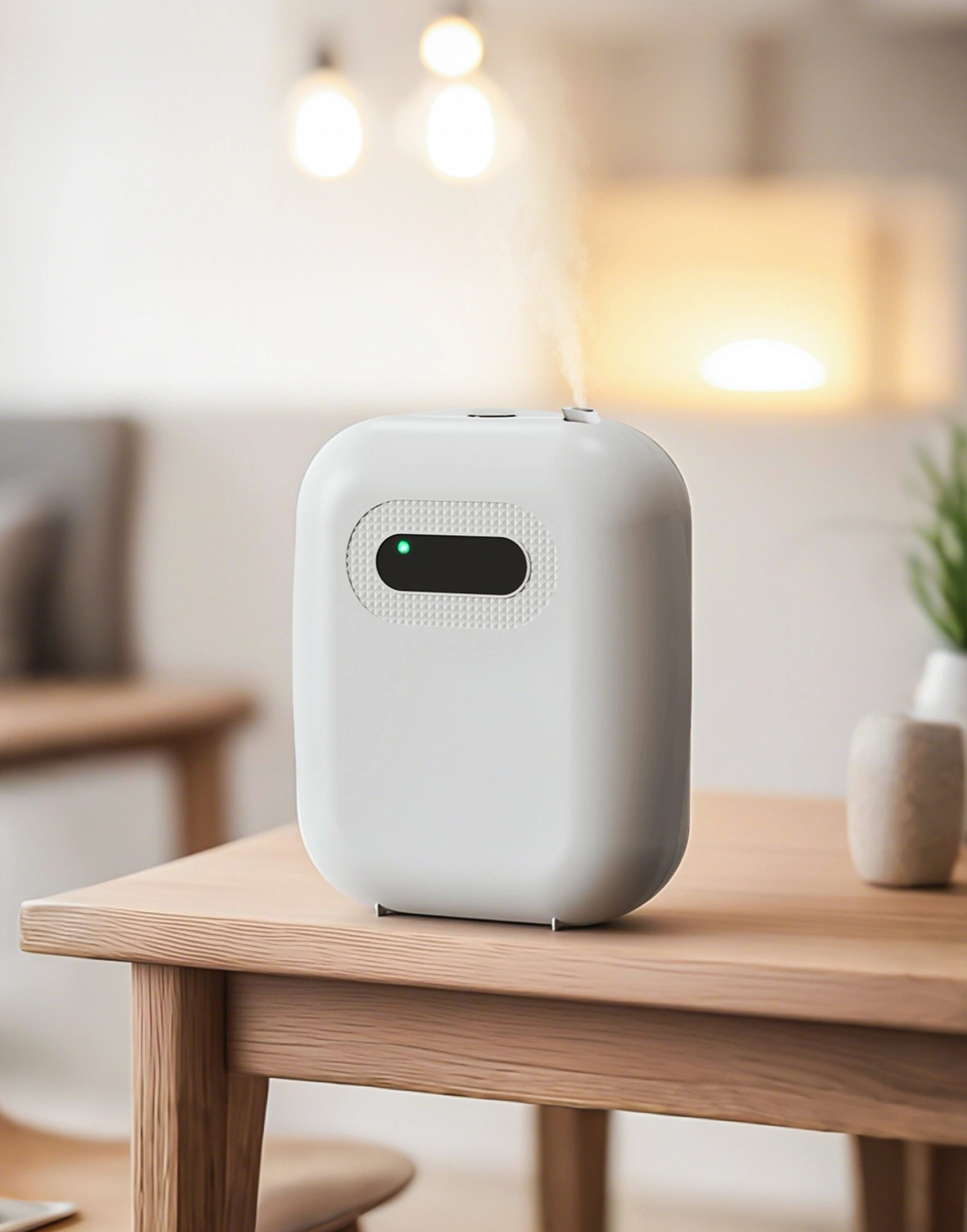
Power draw is usually modest for modern diffusers. Battery-operated options like the Battery Aroma Oil Dispenser Wall Mount Diffuser can run up to 99 days on a single charge, which eliminates electrical costs entirely for smaller applications. Plugged-in units typically draw between 5W and 15W, adding negligible amounts to utility bills.
Maintenance involves cleaning, refilling, and occasional part replacement. Units with larger reservoirs need attention less frequently. A 5L HVAC system might need refilling once a month, while a 150ml desktop unit needs weekly attention. That difference adds up in labor costs, especially if you’re paying staff or contractors to handle it.
| Factor | Low-Coverage Diffuser | High-Coverage Diffuser |
|---|---|---|
| Fragrance Oil Cost | Lower (smaller bottles) | Higher (larger bottles, higher consumption) |
| Power Consumption | Low (DC5V) | Moderate (DC12V-3A) |
| Refill Frequency | More frequent (10-150ml bottles) | Less frequent (1L-5L bottles) |
| Maintenance Complexity | Simple cleaning | Professional cleaning, filter checks |
| Expected Lifespan | 2-3 years | 5+ years (commercial grade) |
Getting Installation Right the First Time
Where and how you install a diffuser affects performance as much as the technology itself. Wall-mounted units like the Scent-Share Battery Aroma Oil Dispenser Wall Mount Diffuser work well in corridors and smaller rooms where you want the equipment out of sight. Ceiling installations using track-mount systems or the Scent-Share Ceiling Diffuser Commercial Scent Machine Bulk distribute scent downward across open floor plans. HVAC integration remains the cleanest option for large buildings because the equipment stays in mechanical rooms rather than customer-facing spaces.
Smart controls have become standard on commercial-grade equipment. Bluetooth connectivity lets you adjust settings from a phone without accessing the physical unit. This proves useful when diffusers are installed in hard-to-reach locations or when you want to make quick changes without disrupting business operations. Scheduling features let you program different intensity levels for different times, reducing oil consumption during closed hours.
Some environments need odor neutralization alongside fragrance delivery. Gyms, food service areas, and medical facilities often deal with persistent background smells that simple masking won’t cover. Combining neutralizing agents with pleasant fragrances creates genuinely fresh air rather than layered scents competing with each other.
How Should You Approach Diffuser Selection?
Start with accurate measurements of your space, including ceiling height and any partitions that might block airflow. Define what you’re trying to accomplish. Mood enhancement, odor control, and brand reinforcement each suggest different approaches. Think about who will maintain the equipment and how often they can realistically check on it. Consider whether you need the flexibility to change scents seasonally or for special events. Budget for ongoing oil costs, not just the initial purchase. Scent-Share offers consultations that walk through these factors systematically, matching equipment recommendations to actual operating conditions.
 ## Where Commercial Scenting Technology Is Heading
The industry is moving toward more responsive and environmentally conscious systems. AI-driven scent personalization is starting to appear in high-end installations, adjusting fragrance profiles based on occupancy levels, time of day, or even weather conditions. These systems learn from usage patterns and optimize automatically rather than relying on fixed schedules.
Sustainable fragrance formulations are gaining ground as businesses face pressure to reduce environmental impact. This means plant-derived ingredients, responsible sourcing, and packaging designed for recycling or refill programs. The performance gap between synthetic and natural options has narrowed considerably, making eco-friendly choices practical rather than purely aspirational.
Connectivity continues to expand. Modern systems can report oil levels, track consumption trends, and flag maintenance needs before problems develop. This data helps facilities managers plan refills efficiently and catch equipment issues early. Integration with building management systems means scent control can coordinate with lighting, HVAC, and other environmental factors.
Working with Scent-Share
Scent-Share brings a decade of global experience to commercial scenting projects, with over 300 fragrance options developed for different industries and applications. Our team handles everything from initial consultation through installation and ongoing support. If you’re evaluating commercial scent diffuser options for your business, reach out at +86 185 6557 5758 or [email protected] to discuss what would work best for your specific situation.
Common Questions About Commercial Scent Diffusers
What Maintenance Do Commercial Diffusers Need?
Regular cleaning prevents oil buildup that can clog atomizers and affect scent quality. Most units need attention every one to three months depending on usage intensity. Refill schedules depend on tank size and diffusion settings. Some HVAC-integrated systems include filters that need periodic replacement. Following manufacturer guidelines keeps equipment running efficiently and extends useful life beyond the typical three to five year range for commercial-grade units.
How Does HVAC Integration Actually Work?
The diffuser unit installs near air handling equipment, usually in a mechanical room. A connection to the supply ductwork allows atomized fragrance to enter the airflow before it reaches occupied spaces. The building’s existing ventilation then carries the scent throughout all areas served by that duct system. This approach provides the most uniform coverage possible and keeps equipment completely hidden from view. Installation typically requires coordination with HVAC technicians familiar with the building’s systems.
Are Commercial Fragrance Oils Safe for Occupied Spaces?
Scent-Share formulates oils to meet strict safety standards, including IFRA certification for public space use. We also offer hypoallergenic options for environments where sensitivity concerns are heightened. Proper diffusion creates scent concentrations well below levels that would cause irritation for most people. Ventilation rates in commercial buildings further dilute fragrance to comfortable levels. Specific concerns about particular ingredients or health conditions should be discussed during consultation so we can recommend appropriate formulations.
How Long Should Commercial Diffusers Last?
Well-maintained commercial-grade equipment typically operates reliably for five years or longer. Consumer-grade units designed for home use generally last two to three years under commercial operating conditions. The difference comes down to component quality and duty cycle ratings. Commercial diffusers are built to run continuously for extended periods, while home units expect intermittent use. Warranty coverage provides some indication of expected lifespan, and Scent-Share backs our commercial products with support throughout their operating life.