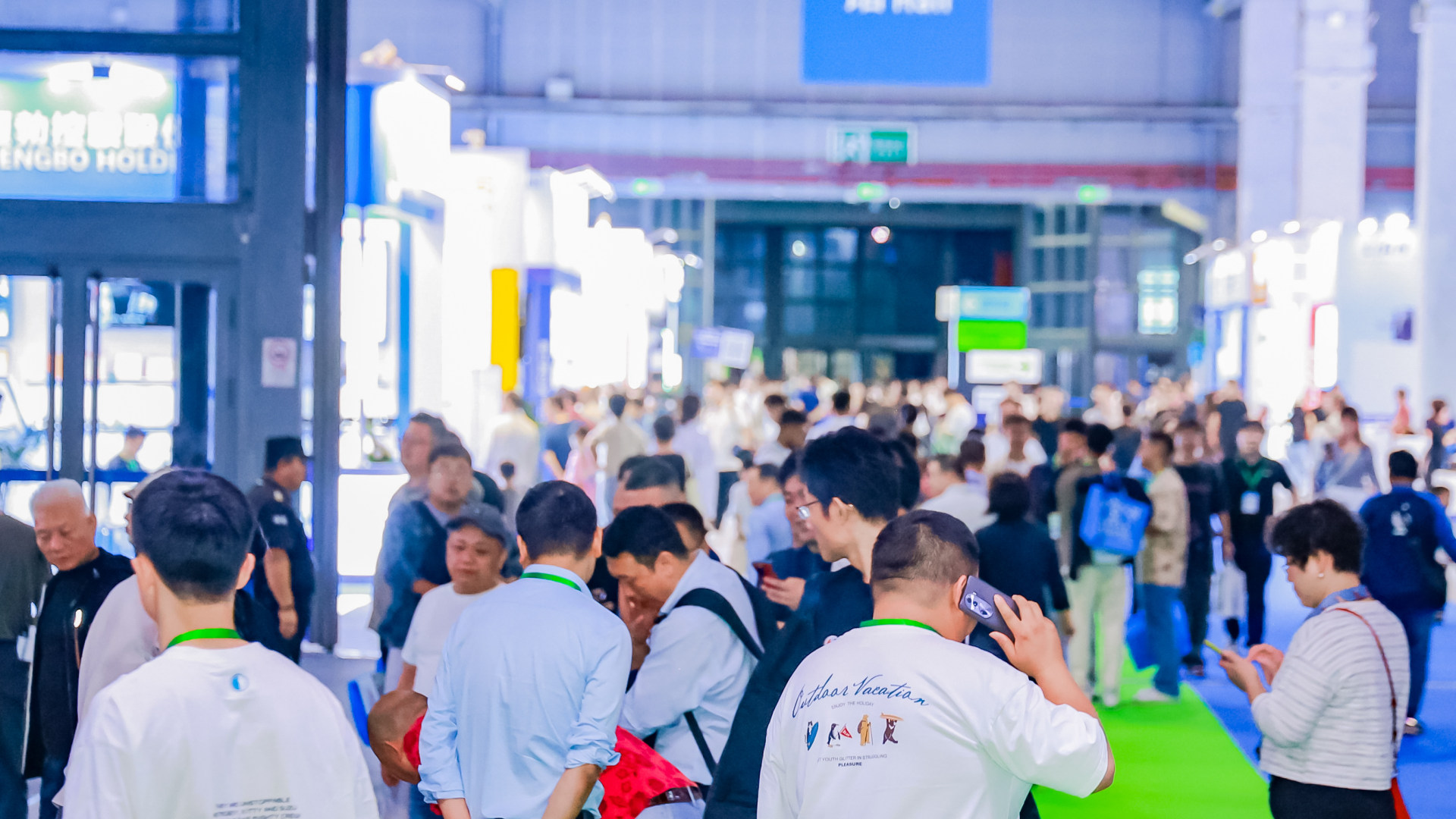

China’s auto parts exhibitions give Southeast Asian buyers something online sourcing cannot: the chance to stand in front of a supplier, handle the product, and read the room before signing anything. For procurement teams managing tight margins and inconsistent quality from remote suppliers, that direct access changes the calculation entirely.
Why Southeast Asian Buyers Keep Returning to China Auto Parts Exhibitions
China produces roughly 30% of the world’s automotive components. That concentration means variety—engine internals, body panels, electronic control units, aftermarket accessories—available from thousands of manufacturers within a few industrial clusters. For buyers in Thailand, Indonesia, Vietnam, or the Philippines, where domestic automotive production is expanding but component manufacturing lags, China fills the gap.
Exhibitions compress what would otherwise take months of factory visits into a few days. A buyer can evaluate fifteen potential suppliers for brake pads, compare their certifications side by side, and negotiate preliminary terms before leaving the venue. The efficiency matters when procurement budgets are tight and lead times are shrinking.
The aftermarket segment deserves particular attention. Southeast Asian vehicle fleets skew older than those in developed markets, which sustains demand for replacement parts. Chinese manufacturers have built entire product lines around this reality, offering compatible components at price points that local distributors can actually move.
What Happens at These Exhibitions That Cannot Happen Online
Online platforms show you a product photo and a specification sheet. Exhibitions let you pick up the part, check the machining quality, ask the engineer standing next to the booth why they chose that alloy, and watch how the supplier reacts when you push back on price.
| Sourcing Method | Supplier Verification | Product Assessment | Negotiation Dynamic | Relationship Building |
|---|---|---|---|---|
| Online platforms | Relies on reviews and certifications | Photos and samples shipped later | Asynchronous, formal | Transactional |
| China auto parts exhibitions | Face-to-face, immediate | Physical inspection on-site | Real-time, flexible | Foundation for long-term partnership |
The relationship dimension is not soft—it is practical. Suppliers who have met you in person are more likely to prioritize your orders during capacity crunches, flag quality issues before shipment, and negotiate on payment terms when your cash flow tightens. That kind of responsiveness comes from trust, and trust builds faster in person.
Business networking at these events extends beyond supplier meetings. Buyers from competing markets attend the same exhibitions, and informal conversations reveal which suppliers are reliable, which ones have delivery problems, and which certifications actually mean something.
How to Verify Supplier Quality Before Placing Orders
Quality control for auto parts sourced from China requires more than trusting a certificate. ISO/TS 16949 certification (now superseded by IATF 16949) indicates a supplier has implemented automotive-specific quality management systems, but certification alone does not guarantee every batch meets your specifications.
Start with samples. Request production samples, not specially prepared exhibition pieces. Run them through your own testing protocols or send them to an independent lab. For safety-critical components—brake systems, steering parts, fuel system components—this step is non-negotiable.
Factory audits add another layer. A supplier’s booth might look professional, but their production floor tells the real story. Third-party inspection firms operating in China can conduct pre-production audits, in-process checks, and pre-shipment inspections. The cost is modest compared to the expense of rejecting a container at your port.
Document everything in your purchase agreements. Specify material grades, dimensional tolerances, testing requirements, and consequences for non-conformance. Chinese suppliers are accustomed to detailed contracts; vague terms invite problems.
Navigating Customs and Logistics for Southeast Asian Markets
Import regulations in Southeast Asia vary significantly by country, and the differences affect landed costs more than many buyers realize. ASEAN trade agreements reduce tariffs on qualifying goods, but the rules of origin requirements demand careful documentation.
Thailand’s automotive import regime favors components destined for local assembly. Indonesia applies different duty rates depending on whether parts are classified as completely knocked down (CKD) or semi-knocked down (SKD) kits. Vietnam’s import procedures have streamlined in recent years, but customs clearance still requires precise HS code classification.
Freight logistics from China to Southeast Asia benefit from geographic proximity. Sea freight from Shenzhen or Shanghai reaches Bangkok, Jakarta, or Ho Chi Minh City within a week. For urgent orders, rail connections through the China-Laos railway now offer a middle option between sea and air freight costs.
Incoterms matter. FOB (Free on Board) places shipping risk on the buyer once goods cross the ship’s rail. CIF (Cost, Insurance, and Freight) keeps the supplier responsible until the goods reach the destination port. For buyers new to China sourcing, CIF simplifies the initial transactions while you learn the logistics landscape.
Where EV Components Fit Into Your Sourcing Strategy
Electric vehicle components represent the fastest-growing segment at China auto parts exhibitions. Chinese manufacturers now produce the majority of the world’s EV batteries, and the supply chain for motors, inverters, and charging equipment has matured rapidly.
For Southeast Asian buyers, the relevance depends on your market’s EV adoption curve. Thailand has moved aggressively to attract EV assembly plants, creating immediate demand for locally sourced components. Indonesia is building nickel processing capacity to supply battery manufacturers. Vietnam and the Philippines are earlier in the transition but watching closely.
Even if your current business focuses on internal combustion engine parts, understanding the EV supply chain positions you for the shift. Exhibitions now dedicate entire halls to electric powertrains, battery management systems, and charging infrastructure. Walking those halls gives you a sense of which suppliers are investing in the technology and which are simply repackaging existing products.
Selecting the Right Exhibition for Your Product Categories
Not all China auto parts exhibitions serve the same buyer. Some focus on OEM suppliers serving major automakers. Others cater to the aftermarket segment. A few specialize in commercial vehicle components or motorcycle parts.
Before booking travel, review the exhibitor list. Most exhibitions publish this information months in advance. Look for suppliers whose product categories match your procurement needs. Check whether the exhibition offers buyer-supplier matching services—these programs pre-schedule meetings based on your stated requirements, saving time on the show floor.
The CHN Auto Show, organized by Huamo Expo, draws a mix of OEM and aftermarket suppliers with particular strength in components relevant to Southeast Asian markets. The exhibition’s structure includes dedicated zones for different product categories, which helps buyers navigate efficiently.
If your sourcing needs span multiple categories, consider attending one of the larger comprehensive exhibitions rather than several specialized shows. The travel and accommodation costs add up, and a single well-planned visit often yields better results than multiple rushed trips.
Practical Steps for Your First Exhibition Visit
Arrive with a clear list of what you need to source. Vague objectives lead to unfocused conversations and wasted time. Specify the components, the annual volumes, the quality standards, and the target price range.
Schedule key meetings in advance. Serious suppliers appreciate buyers who have done their homework. Cold visits to booths work for initial discovery, but substantive negotiations require dedicated time.
Bring business cards—more than you think you need. Chinese business culture still treats the exchange of cards as a meaningful gesture. Bring a colleague if possible; two people can cover more ground and compare notes afterward.
Take photos and detailed notes. After three days of meetings, suppliers start to blur together. Document each conversation with the supplier name, booth number, key products discussed, and your impression of their capability.
Follow up within a week of returning home. Suppliers meet hundreds of buyers at each exhibition. A prompt follow-up email referencing your specific conversation keeps you on their radar.
If you are planning to attend a China auto parts exhibition and want guidance on which events match your sourcing priorities, Huamo Expo’s team can help you evaluate options. Reach them at [email protected] or +021-60280788.
Frequently Asked Questions
What makes China auto parts exhibitions more effective than online sourcing for Southeast Asian buyers?
Physical presence changes the dynamic. You can inspect machining quality, test fitment, and assess whether a supplier’s engineering team actually understands your application. Online platforms show you what suppliers want you to see; exhibitions reveal what they would rather hide. The relationship-building aspect also matters—suppliers remember buyers they have met, and that recognition translates into better service when problems arise.
How do I confirm a Chinese supplier meets quality standards before committing to large orders?
Request production samples and test them independently. Verify certifications by checking the issuing body’s database rather than trusting the certificate alone. Conduct a factory audit, either in person or through a third-party inspection firm. Write detailed specifications into your purchase contract, including material grades, tolerances, and testing protocols. For safety-critical components, pre-shipment inspection should be standard practice.
Which China auto parts exhibitions are most relevant for Southeast Asian aftermarket buyers?
Exhibitions focusing on replacement parts, accessories, and components for older vehicle fleets align best with Southeast Asian aftermarket demand. The CHN Auto Show includes significant aftermarket representation and attracts suppliers experienced in serving export markets. Review exhibitor lists before committing to any event—the product categories should match your procurement needs. If you want specific recommendations based on your product focus, contact Huamo Expo at [email protected] to discuss which upcoming exhibitions fit your sourcing strategy.
If you’re interested, you may want to read the following articles:
APES 2026 to Redefine Global Sourcing Landscape as Automotive Industry Eyes Resilient Future
Tomorrow World: Innovation Achievement Exhibition and Industry Future Forum