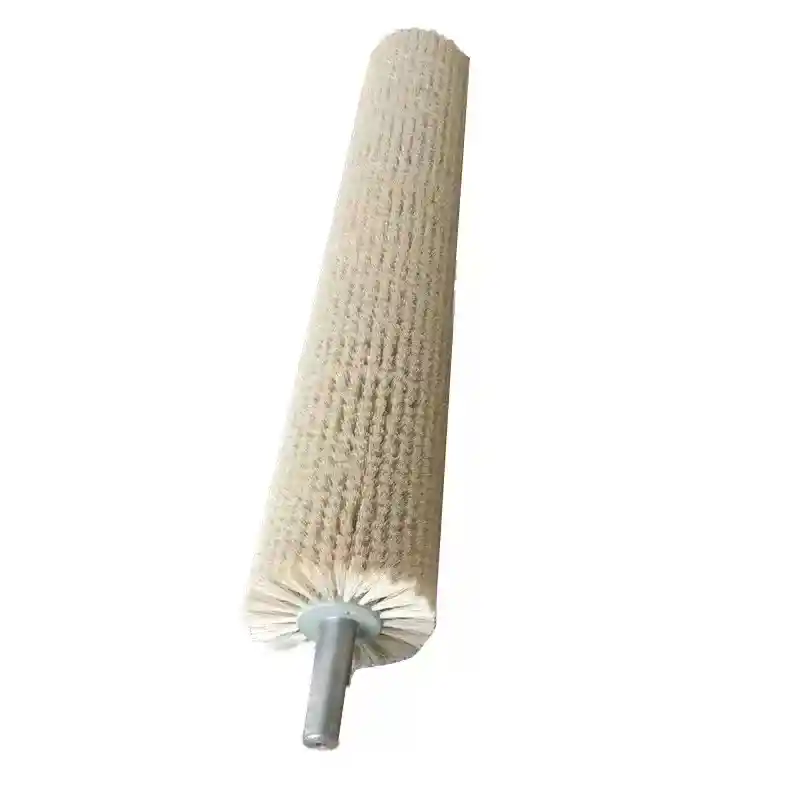

Choosing the right chimney cleaning brushes matters more than most people realize until they’re staring at a flue caked with creosote that their brush barely touched. The shape of your flue dictates everything about which brush will actually work, and getting this wrong means wasted effort at best, damaged liners at worst. Round, square, rectangular, oval — each geometry demands its own approach, and the bristle material you pick can mean the difference between a clean flue and a scratched liner that needs replacing. This guide walks through the practical considerations for matching chimney cleaning brushes to specific flue types, covering both standard shapes and the irregular configurations that make professional chimney work interesting.
Standard Flue Shapes Require Matched Brush Geometry
Standard chimney flues come in three primary geometries: round, square, and rectangular. Each shape needs a brush designed to make full contact with the interior surface.
A round chimney brush maintains consistent pressure around the entire circumference of circular flues. The bristles flex uniformly, which means no spots get missed during a sweep. Square chimney brushes feature rigid corners that reach into the sharp angles where creosote loves to accumulate. Without those defined corners, debris builds up in exactly the places you can’t see. Rectangular chimney brushes provide the broad coverage needed for wider flues, addressing both flat surfaces and corner areas in a single pass.
Matching brush shape to flue shape isn’t optional if you want thorough flue liner cleaning. A mismatched brush leaves sections untouched, and untouched sections become fire hazards over time.
| Flue Shape | Recommended Brush Type | Key Feature |
|---|---|---|
| Round | Round Brush | Full circumference contact |
| Square | Square Brush | Rigid corners for angle cleaning |
| Rectangular | Rectangular Brush | Broad coverage for flat surfaces and corners |
Oval and Irregular Flues Need Specialized Cleaning Tools
Not every chimney follows standard geometry. Oval flues and irregular configurations present cleaning challenges that standard chimney cleaning brushes simply cannot address.
An oval chimney brush follows the elongated contour of oval flues, maintaining contact across the entire interior surface. Standard round brushes leave gaps along the flue’s longer axis, which defeats the purpose of sweeping in the first place. Flat chimney brushes handle very narrow or shallow rectangular flues where conventional rectangular brushes prove too bulky to maneuver effectively.
For flues with highly irregular shapes or varying dimensions along their length, custom chimney brushes or flexible chimney brush designs become necessary. These specialized cleaning tools adapt to complex geometries, reaching areas that rigid brush designs miss entirely. The goal remains the same — complete surface contact — but the path to achieving it requires purpose-built equipment.
Bristle Material Determines Both Cleaning Power and Liner Safety
The bristle material you choose affects how aggressively the brush cleans and whether it damages the flue liner in the process. This decision requires knowing what your flue is made of.
A nylon chimney brush works best for stainless steel or other delicate flue liners. The softer bristles remove creosote and soot effectively without scratching the surface. Scratches on stainless steel liners create weak points that accelerate corrosion, so the gentler approach pays off over the liner’s lifespan.
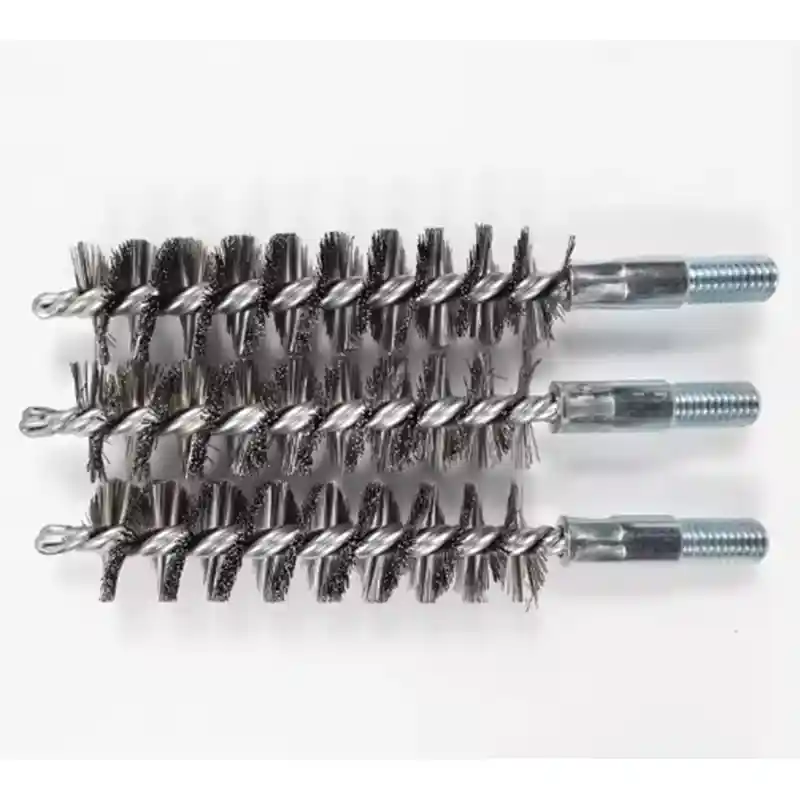
For masonry flues with heavy creosote deposits, a wire chimney brush provides the aggressive cleaning action needed to break through stubborn buildup. The trade-off is that wire bristles can damage softer liner materials, so this option suits traditional masonry construction rather than metal inserts.
Poly chimney brushes occupy the middle ground. They clean more aggressively than nylon but with less risk of surface damage than wire. This makes them a reasonable choice for various flue types dealing with moderate creosote accumulation.
| Bristle Material | Flue Type Suitability | Cleaning Aggressiveness | Notes |
|---|---|---|---|
| Nylon | Stainless Steel, Delicate | Low | Prevents scratches, ideal for maintenance |
| Poly | Various, Moderate Creosote | Medium | Balanced cleaning, versatile |
| Wire | Masonry, Heavy Creosote | High | Aggressive cleaning, can damage liners |
For more insights into the materials and applications of specialized cleaning tools, consider reading 《where stainless wire spiral brush can be used》.
Accurate Measurement Guides Proper Brush Sizing
Getting the right chimney brush size starts with accurate measurement of your flue’s internal dimensions. Guessing leads to brushes that either skip past the walls or jam partway down.
For round flues, measure the internal diameter. For square or rectangular flues, measure both width and height. The brush head shapes must match the flue’s internal profile — a round brush for round flues, square for square, and so on.
The brush should be slightly larger than the flue dimensions, typically by half an inch to one inch. This oversizing ensures the bristles maintain proper wall contact throughout the sweep. A brush that matches the flue exactly tends to slide through without adequate friction against the walls.
The chimney rod attachment matters as well. Different rod systems accommodate various brush types and support either power sweeping brushes or manual sweeping brushes methods. Whatever system you use, verify that the attachment mechanism locks securely. A brush that detaches inside the flue creates a retrieval problem nobody wants to deal with.
Effective Application Follows Established Sweeping Protocols
Using chimney cleaning brushes effectively involves more than pushing a brush up and down the flue. A systematic approach produces better results and reduces the chance of missing problem areas.
Before starting, inspect the chimney for obstructions or structural damage. Discovering a collapsed section after you’ve started sweeping wastes time and potentially damages equipment. Once you’ve confirmed the flue is clear, work from the top down. Gravity assists debris removal when you sweep in this direction, and the soot falls away from your working position rather than into your face.
Use consistent, steady strokes rather than rapid jabbing motions. Steady pressure allows the bristles to work against the flue walls effectively. For heavily soiled flues, plan on multiple passes. A single sweep rarely handles significant creosote buildup.
Check the brush periodically for wear. Bristles that have lost their shape or stiffness no longer clean effectively, and continuing to use a worn brush just moves debris around without removing it. After each use, clean the brush and allow it to dry completely before storage. This basic maintenance extends brush durability and maintains cleaning performance over time.
For those interested in maintaining various industrial equipment, exploring 《rope cleaning brush for industrial use a key tool for maintaining safe production》 can provide valuable insights.
Common Questions About Chimney Brush Selection
What chimney brush works best for stainless steel flue liners?
A nylon chimney brush is the right choice for stainless steel liners. The softer bristles remove creosote and soot without scratching the metal surface. Wire brushes cause scratches that compromise the liner’s corrosion resistance, leading to premature failure. Nylon maintains cleaning effectiveness while preserving the liner’s protective finish.
How do I figure out the correct brush size and shape for my flue?
Measure the internal dimensions of your flue directly. For round flues, measure the diameter. For square or rectangular flues, measure width and height. Select a brush that matches the flue’s shape and exceeds the measured dimensions by approximately half an inch to one inch. This slight oversizing ensures the bristles maintain proper contact with the flue walls during sweeping.
Will a round brush work in an oval flue?
A round brush in an oval flue leaves significant portions of the surface untouched. The brush contacts the shorter axis of the oval but misses the walls along the longer axis. Creosote accumulates in these uncleaned areas, creating fire hazards that proper sweeping should prevent. Always match brush shape to flue shape for complete coverage.
Partner with Huixi Trading for Your Industrial Brush Needs
For specialized chimney brush solutions tailored to unique flue shapes and industrial cleaning demands, trust the expertise of Shanghai Huixi Trading Co., Ltd. With 16 years of manufacturing experience and a commitment to quality, we offer professional technical support, ODM/OEM services, and competitive pricing. Whether you need standard round, oval, flat, or custom-designed brushes, contact our team for reliable products and exceptional service. Reach out today at [email protected] or +86 1580 0932 713 to discuss your industrial brush requirements and discover the Huixi difference.