Blending fragrances feels a bit like cooking without a recipe—you know what you want the final dish to taste like, but getting there requires understanding how ingredients behave together. I’ve watched people approach scent creation with either too much caution or reckless abandon, and neither extreme produces memorable results. The sweet spot lies somewhere in the middle, where technical knowledge meets intuitive experimentation. What follows covers the practical mechanics of building custom fragrance blends, from the molecular behavior that determines how scents unfold to the strategic decisions that separate amateur attempts from professional-grade compositions.
How Fragrance Components Actually Work Together
Custom fragrance blends succeed or fail based on how aromatic compounds interact at the molecular level. Different molecules evaporate at different rates, which creates the characteristic evolution of a scent over time. Heavier molecules stick around longer while lighter ones disappear quickly—this isn’t just trivia, it’s the foundation of every blending decision you’ll make. Getting familiar with these dynamics transforms random mixing into deliberate composition.
Breaking Down Scent Architecture
Every fragrance operates on a three-tier structure that unfolds sequentially. Top notes hit first—they’re the volatile compounds that create initial impressions but vanish within 15 to 30 minutes. Middle notes, sometimes called heart notes, emerge as the top fades and carry the fragrance for several hours. Base notes anchor everything, providing depth and extending the overall experience across 6 to 8 hours or longer.
Olfactory families group similar aromatic profiles together. Florals cluster rose, jasmine, and lily. Orientals bring warmth through vanilla, amber, and spice. Woody families include sandalwood, cedar, and vetiver. Fresh categories cover citrus, green, and aquatic notes. Knowing which family your target scent belongs to narrows down ingredient selection considerably when developing custom fragrance blends.
Using the Fragrance Wheel as a Practical Tool
The fragrance wheel arranges olfactory families in a circular diagram where adjacent categories blend naturally and opposite categories create tension. This isn’t abstract theory—it’s a predictive tool. Florals sit next to soft orientals, which neighbor woody notes. Moving around the wheel, you can anticipate which combinations will harmonize and which might clash.
When building custom fragrance blends, the wheel helps identify bridge notes that connect disparate families. Want to blend a citrus top with a woody base? Look for middle notes that share characteristics with both—perhaps a green floral that carries freshness while grounding into earthier territory. The wheel makes these connections visible rather than leaving them to guesswork.
Building Custom Fragrance Blends From Concept to Completion
Developing distinctive custom fragrance blends requires more than throwing pleasant-smelling ingredients together. Strategic planning determines whether the final product feels cohesive or chaotic. The process starts with defining clear objectives and proceeds through systematic ingredient selection and ratio testing.
Constructing a Personal Scent Step by Step
Start by identifying the emotional or atmospheric quality you want the fragrance to convey. Relaxing? Energizing? Sophisticated? This guides every subsequent choice. Once you’ve established direction, select 3 to 5 key ingredients that embody that quality—more than this typically muddies the result.
Build from the bottom up. Choose your base notes first since they determine the fragrance’s foundation and longevity. Add middle notes that complement without competing. Finish with top notes that create an appealing entry point. For custom fragrance blends, initial ratios often follow a 30-50-20 split (base-middle-top), though this varies based on specific ingredients and desired intensity.
Test each iteration on a scent strip first, then on skin. Skin chemistry alters how fragrances develop, so what smells perfect on paper might shift unexpectedly when worn. Allow full dry-down time—at least 4 hours—before evaluating. Rushing this step leads to misjudged formulations.
Extending Performance Through Smart Formulation
Longevity and projection depend heavily on ingredient selection and concentration. Fixatives slow evaporation rates, keeping the scent present longer. Natural fixatives include benzoin, labdanum, and ambrette seed. Synthetic options like Iso E Super or ambroxan offer similar benefits with greater consistency.
Concentration matters significantly for custom fragrance blends. Higher percentages of aromatic compounds increase both longevity and projection, but there’s a ceiling where more becomes overwhelming rather than impressive. Eau de parfum concentrations (15-20% aromatic compounds) typically balance performance with wearability. For ambient applications, lower concentrations diffuse more evenly without creating oppressive clouds.
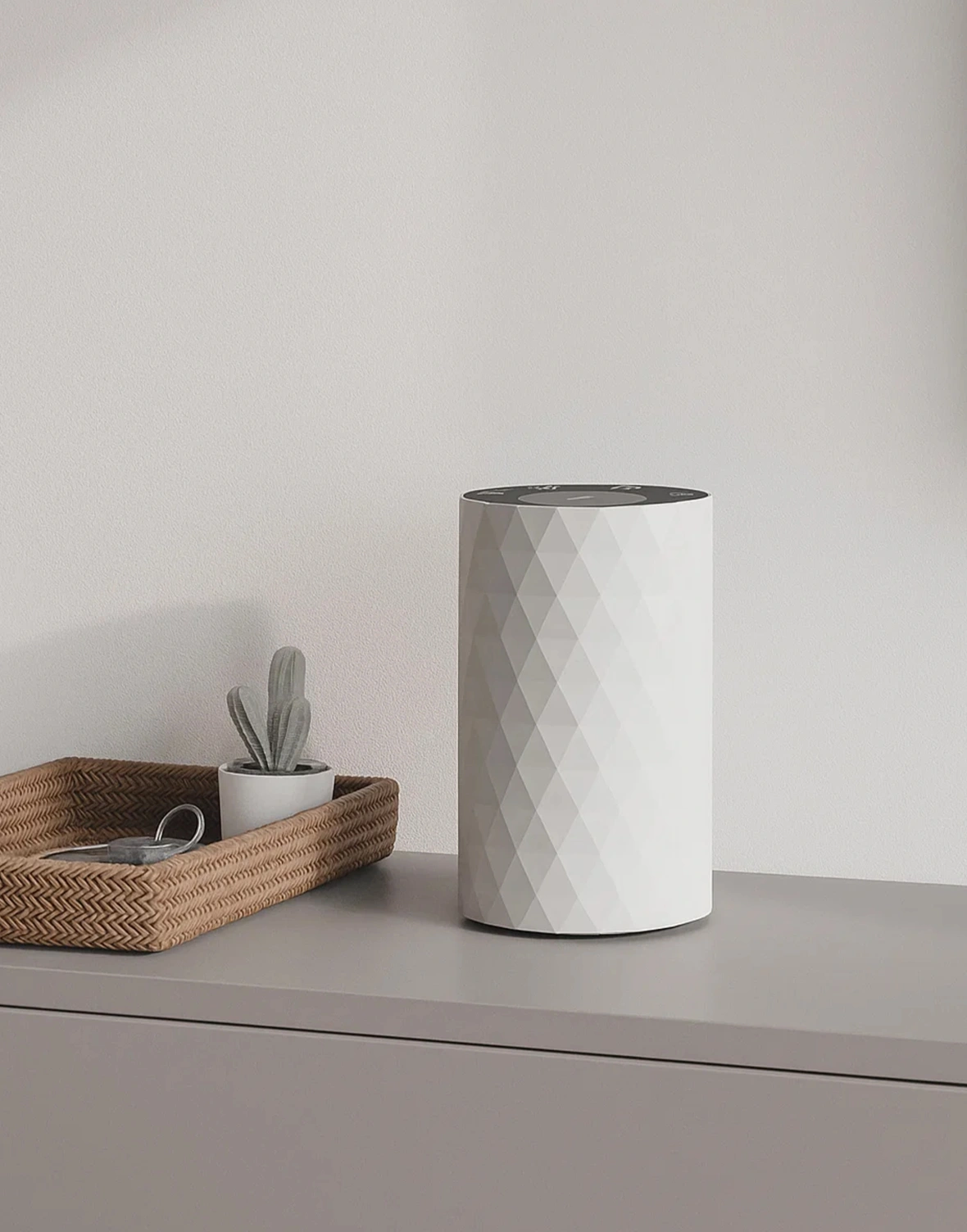 Understanding how different delivery systems affect fragrance performance helps optimize your custom fragrance blends for specific applications. For more information on tailored scenting solutions, explore 《Custom Smart Aroma Diffusers: Tailored Scenting Solutions》.
Where Blending Goes Wrong and How to Recover
Even experienced perfumers encounter failed batches. Recognizing common mistakes before they happen saves time and materials. More importantly, understanding why certain approaches fail builds the intuition needed for consistently successful custom fragrance blends.
Frequent Blending Errors and Their Fixes
| Mistake | What Happens | How to Correct It |
|---|---|---|
| Over-blending | Too many notes compete for attention, creating confusion | Limit compositions to 3-5 key notes maximum |
| Incompatible Families | Clashing olfactory groups produce discord | Reference the fragrance wheel before combining |
| Incorrect Ratios | Unbalanced proportions cause one element to dominate | Adjust incrementally, testing after each change |
| Ignoring Longevity | Scent disappears within an hour | Add fixatives or increase base note percentage |
| Insufficient Testing | Final product surprises negatively | Allow complete dry-down before finalizing |
The most common mistake involves impatience. Custom fragrance blends need time to marry—individual components meld over 24 to 48 hours, sometimes longer. Evaluating immediately after mixing gives an incomplete picture. Let blends rest, then reassess.
Working Safely With Aromatic Materials
Essential oils and synthetic aromatic compounds require careful handling. Some materials cause skin sensitization at high concentrations. Others degrade when exposed to light or heat. Following IFRA (International Fragrance Association) guidelines provides concentration limits for safe use in various applications.
When developing custom fragrance blends, maintain detailed records of every formulation. Note exact quantities, ingredient sources, and batch numbers. This documentation proves essential when replicating successful blends or troubleshooting problems. Store aromatic materials in dark glass containers away from temperature fluctuations to preserve their integrity.
Commercial and Wellness Applications for Custom Scenting
Custom fragrance blends serve purposes far beyond personal perfumery. Businesses leverage scent to shape customer perceptions and create memorable environments. Wellness applications tap into the documented effects of certain aromatic compounds on mood and cognitive function.
Retail environments use custom fragrance blends to extend browsing time and strengthen brand associations. Hotels create signature scents that guests remember long after checkout. Healthcare facilities employ calming aromas to reduce patient anxiety. Each application requires different delivery methods and concentration levels.
For larger commercial spaces, professional-grade diffusion equipment ensures even distribution. The Scent-Share Hotel Scent Oil Diffuser Tower covers areas up to 3,000m³, suitable for lobbies and conference centers. Smaller spaces benefit from units like the Scent-Share Commercial Scent Oil Diffuser with Bluetooth APP, which handles up to 300m³ with programmable scheduling.
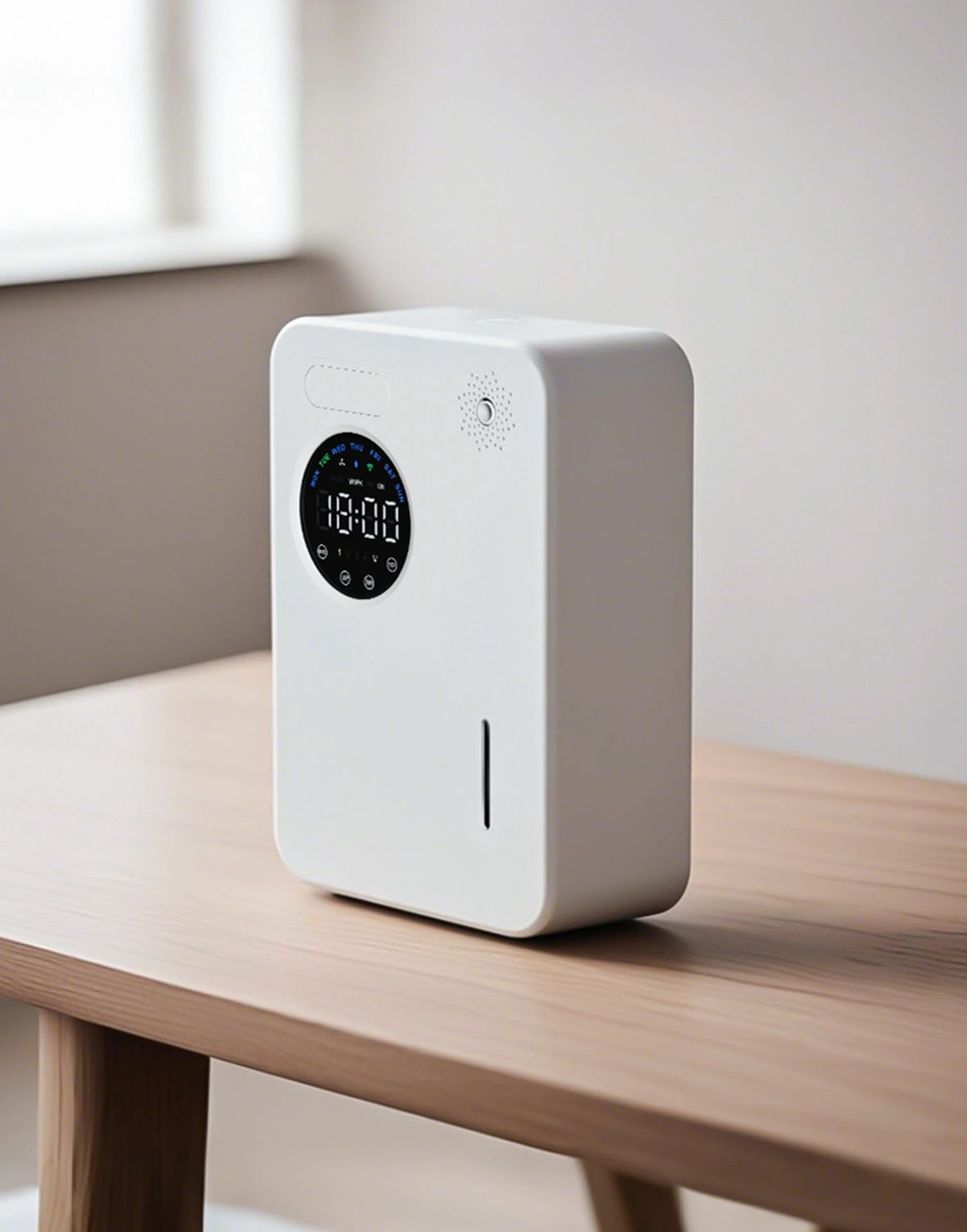 Selecting appropriate diffusion technology affects how custom fragrance blends perform in real-world conditions. Discover more about advanced scent delivery systems by reading 《Custom Smart Aroma Diffusers: Tailored Scenting Solutions》.
Combining Different Fragrance Product Types
Layering different fragrance formats creates dimensional scent experiences. An Aromatherapy Fragrance Oil Reed Diffuser Candle Gift Set provides continuous background aroma while a complementary candle adds warmth during specific hours. The key lies in selecting products within the same olfactory family or with deliberate contrast points.
Test combinations in the actual space before committing. Room size, ventilation, and existing odors all influence how custom fragrance blends perform. What works in a small office might disappear in an open-plan retail floor. Start with lower intensities and increase gradually until reaching the desired impact.
Business Impact of Strategic Scenting
Custom fragrance blends influence customer behavior in measurable ways. Research indicates that pleasant ambient scents increase time spent in retail environments by 15-20%. Brand recall improves significantly when consistent scenting accompanies visual and auditory branding elements. These effects compound over time as customers form positive associations with specific aromas.
The investment in custom scenting pays returns through enhanced customer experience and differentiation from competitors. A distinctive scent becomes part of brand identity, difficult for others to replicate and instantly recognizable to returning customers.
Choosing Between Natural and Synthetic Components
Natural fragrances derived from essential oils offer complexity and depth that synthetics struggle to match. A natural rose absolute contains hundreds of aromatic compounds that create nuanced evolution over time. However, natural materials vary between batches, cost more, and sometimes trigger sensitivities.
Synthetic aromatic compounds provide consistency, stability, and access to scent profiles impossible to extract naturally. Many modern custom fragrance blends combine both approaches—using naturals for complexity and synthetics for reliability and cost management. Neither category is inherently superior; the choice depends on specific project requirements, budget constraints, and target audience preferences.
Working With Scent-Share on Custom Projects
Scent-Share brings 10 years of experience developing custom fragrance blends across 68 countries. Our library includes over 300 scent options, with ongoing R&D expanding possibilities continuously. Whether you need a signature scent for a single location or a scalable solution for international rollout, we provide the technical expertise and production capacity to deliver.
Contact us to discuss your custom scenting requirements. Reach us at [email protected] or call +86 185 6557 5758 / +86 134 2048 5758.