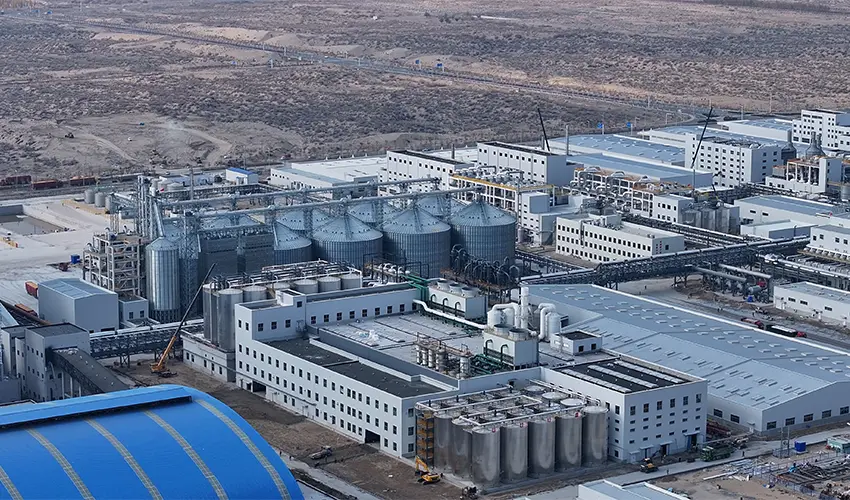

Biogas utilization in ethanol plants turns a disposal cost into a strategic energy asset. The stillage and organic waste streams that emerge from distillation carry a dual burden: high-strength wastewater requiring treatment and a missed opportunity for energy recovery. A properly integrated biogas system captures methane from anaerobic digestion to fuel boilers, generate combined heat and power, or produce renewable natural gas. In projects I’ve assessed, this single system can shift an ethanol plant’s energy balance from heavy fossil fuel dependence toward self-sufficiency. The decision is rarely just technical; it hinges on waste stream characterization, integration with existing utility loops, and how the biogas value is monetized.
Why Does an Ethanol Plant Need a Biogas Strategy?
Most ethanol plants already operate wastewater treatment to meet discharge limits, yet that treatment is often an energy sink. Converting organic load into biogas flips the equation. A well-designed anaerobic digester on stillage and syrup streams can supply 30 to 50 percent of a plant’s thermal energy demand. For a 150,000-ton annual fuel ethanol plant, that translates to displacing natural gas or coal purchases and reducing Scope 1 emissions. The second driver is regulatory pressure: carbon intensity scores increasingly influence fuel ethanol market access, and biogas recovery directly lowers the plant’s carbon profile. When biogas is paired with existing CHP infrastructure, the combined energy efficiency gains are measurable within the first operating year.
Which Waste Streams Are Suitable for Anaerobic Digestion?
Not every ethanol plant by-product belongs in a digester. The most biogas-rich streams come from the distillation and evaporation stages. Whole stillage, after solids separation, leaves thin stillage and syrup. Thin stillage carries high chemical oxygen demand, typically 60,000 to 120,000 mg/L, making it the primary feedstock. Syrup, with even higher organic loading, often requires co-digestion with a buffering substrate to avoid ammonia inhibition. Condensate from evaporation, while dilute, can provide process water for the digester. Laboratory characterization I’ve reviewed shows that stillage alone yields 500 to 750 mL biogas per gram of volatile solids destroyed, with methane content around 60 percent. The critical design input is the ratio of thin stillage to syrup and whether the plant also intends to maximize DDGS output; diverting more syrup to biogas reduces the total solids available for animal feed, creating a tradeoff that plants must price explicitly.
How Can Biogas Be Utilized Within the Plant?
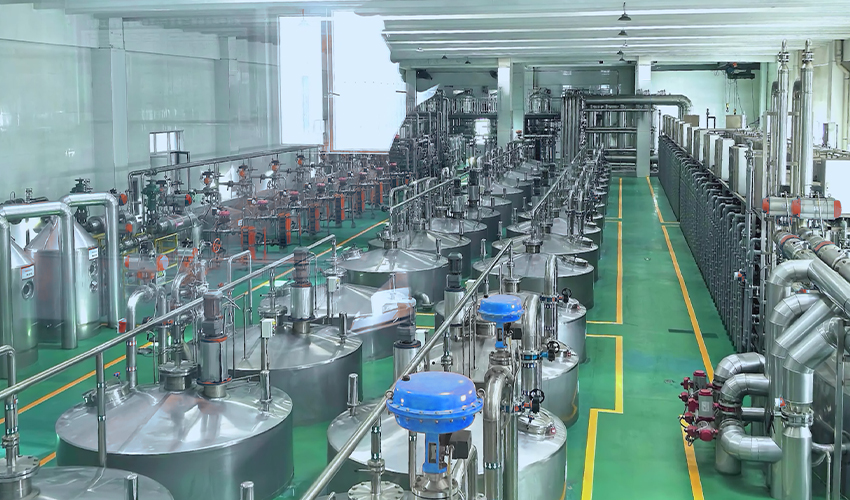
Once produced, biogas must be cleaned to remove hydrogen sulfide and moisture, then routed to one or more end uses. The simplest is direct firing in a biogas-ready boiler to generate process steam for distillation and evaporation. Many plants already have natural gas boilers that can be converted with burner modifications. More capital-intensive but higher-return options include combined heat and power units, where biogas fuels an engine or turbine, producing electricity for plant operations and using the exhaust heat for drying or preheating. A third pathway is biogas upgrading to biomethane for injection into the gas grid or sale as renewable natural gas, which can attract premium prices but demands stringent purification to pipeline quality. The choice depends on local energy prices and whether the ethanol plant operates in a region with incentives for renewable gas certificates.
| Parameter | Boiler Combustion | CHP Engine | Biomethane Upgrading |
|---|---|---|---|
| Typical methane use | 100% thermal | 35-40% electrical, 45-55% thermal | 97%+ recoverable |
| CAPEX intensity | Low | Medium | High |
| OPEX drivers | H2S scrubbing | Oil changes, engine maintenance | Membrane or PSA media replacement |
| Revenue stream | Fuel cost avoidance | Power export + thermal offset | RINs, RECs, premium gas sales |
| Payback range | 2-4 years | 3-6 years | 5-8+ years |
What Is the Financial Case for Biogas Recovery?
The economics rest on two pillars: displaced fuel and potential revenue from energy exports or environmental credits. A plant spending $1.5 million annually on natural gas that can offset 40 percent through biogas captures $600,000 in annual savings. If the same plant qualifies for carbon credit programs or renewable identification numbers, the per-gigajoule value of biogas rises further. Digester system costs for a mid-scale ethanol plant typically range from $5 million to $12 million, depending on whether pre-treatment, gas cleaning, and CHP are included. A four-year payback is achievable when thermal use is the primary application and waste heat recovery is already accounted for in the plant’s energy cascade. The hidden benefit I’ve observed in project evaluations is the sharp reduction in aerobic wastewater treatment costs; anaerobic digestion can reduce the downstream activated sludge load by 60 to 80 percent, cutting electricity and chemical consumption in the water treatment plant. If your facility’s stillage volumes exceed 500 cubic meters per day, then a standalone biogas system likely pencils out on fuel savings alone. Share your production data with us at [email protected] for a preliminary financial model.
New Plant or Retrofit: Which Approach Works Best?
Greenfield ethanol plants can integrate biogas from the start by designing process flow so that stillage and evaporator condensate are piped directly to the digester, and biogas is plumbed to a dedicated boiler or CHP unit. This adds roughly 7 to 12 percent to upfront capital but yields the lowest lifecycle cost because equipment is right-sized without compromise. Retrofitting an existing plant demands careful hydraulic balance: the digester must be located near the stillage source, and the biogas line must tie into existing fuel headers, often requiring a plant shutdown window. I’ve seen successful retrofits where the digester was installed adjacent to the decanter centrifuge and condensate tank area, minimizing pipe runs. The more challenging retrofit scenario is when the plant already operates a low-solid DDGS dryer that consumes all the syrup; in that case, biogas recovery may shift syrup away from DDGS, reducing animal feed revenue. Each retrofit requires a site-specific mass and energy balance to avoid undermining existing co-product streams.
Common Questions About Biogas Systems in Ethanol Plants
What is the typical methane content of biogas from stillage?
Biogas from thin stillage and syrup typically contains 58 to 65 percent methane, with the balance being carbon dioxide and trace hydrogen sulfide. The exact methane fraction depends on feedstock COD and digester organic loading rate, but values below 55 percent usually indicate process instability or air intrusion. This methane concentration is sufficient for boiler operation without upgrading.
Does a biogas system require new equipment, or can existing boilers be used?
In many cases, the existing boiler can be retrofitted with a dual-fuel burner that accepts both natural gas and biogas, so complete replacement is not required. New equipment needed includes the digester tank, gas holder, hydrogen sulfide scrubbing system, and piping. If the plant lacks a biogas-capable burner, a new burner set costs a fraction of a full boiler replacement.
How long does it take to achieve payback on a biogas plant?
Simple payback for a biogas system targeting thermal offset typically falls between three and five years, depending on natural gas prices and digester scale. When combined with power generation or biomethane sales, payback can shorten to two to four years because of additional revenue streams. Plants with favorable carbon credit programs often see even faster returns.
Can the biogas be sold as biomethane instead of being used on-site?
Yes. With an upgrading unit using membrane or PSA technology, biogas can be refined to over 97 percent methane and injected into a natural gas pipeline or compressed for vehicle fuel. This route delivers higher per-unit revenue but requires a gas utility interconnection agreement and compliance with local pipeline quality standards. The business case improves significantly when renewable gas certificates are available in the region.
What are the main operational challenges in maintaining an anaerobic digester?
The two primary challenges are ammonia inhibition from high-protein stillage and temperature control in colder months. Maintaining an organic loading rate below the inhibition threshold and co-digesting with lower-nitrogen substrates can mitigate ammonia buildup. For temperature, a well-insulated digester and heat recovery from the biogas engine jacket water ensure stable mesophilic operation year-round. Routine monitoring of volatile fatty acids and pH is essential; if your operations team lacks anaerobic process experience, plan for six months of hands-on training or a remote monitoring contract. Share your specifications at [email protected], and we can assess the operational fit for your facility.
If you’re interested, check out these related articles:
Driving Global Food Conservation Through Technological Innovation