Selecting the right commercial scenting oils determines whether your ambient scent program creates a subtle brand signature or a maintenance headache. Most sourcing guides stop at fragrance notes, but the real differentiation lies in diffusion compatibility, scent throw consistency, and how the oil performs across your specific space over time. Having formulated scents for hotels, retail chains, and large commercial venues across 68 countries, I’ve learned that the top-performing oil is rarely the one with the most complex scent profile—it’s the one that works seamlessly with your system and maintains consistent presence without constant attention.
What Separates Commercial Scenting Oils from Consumer Fragrances
Commercial scenting oils are engineered for large-scale, continuous diffusion, not for a tabletop ultrasonic unit that runs two hours a day. The differences start with concentration and raw material selection. Consumer oils often contain water, alcohol, or glycols to lower cost and flashpoint, but these diluents create two problems in commercial systems: inconsistent atomization and faster evaporation rates that force higher oil consumption to maintain the same scent intensity. For an HVAC-connected scent diffuser covering thousands of square meters, the oil must hold a homogeneous blend that does not separate in the reservoir over weeks of operation.
The carrier system matters just as much as the fragrance concentrate. We use a combination of volatile and mid-volatile solvents formulated to deliver a linear evaporation curve—meaning the scent profile does not drift toward the heavy base notes after a few days, as happens with poorly balanced blends. IFRA and REACH compliance becomes non-negotiable when you are diffusing in public spaces; a consumer blend that sits safely on a shelf may release sensitizers at the elevated dispersion rates of a commercial machine. At Scent-Share, every formulation passes air-exchange-rate modeling before it reaches a customer, because what smells pleasant in a 30-square-meter test room can become overwhelming—or disappear—in a 3,000-cubic-meter hotel lobby.
Matching Fragrance Oil Performance to Your Diffusion System
The same scent oil can perform brilliantly in one diffuser and fail in another. This is the most overlooked variable in commercial scenting, and it accounts for the majority of support calls we receive. Three properties determine compatibility: viscosity, surface tension, and vapor pressure.
Cold-air and nebulizing diffusers rely on capillary action or high-pressure atomization to break the oil into micron-sized droplets. An oil that is too viscous will clog the micro-pores of a nebulizing nozzle; an oil that is too thin will draw too fast, oversaturating the space in the first hour and leaving nothing for the rest of the day. For HVAC-integrated systems, oil viscosity must be tuned to the system’s pump and nozzle specification. Our dual-system HVAC scent diffuser, capable of covering up to 15,000 cubic meters across independent zones, requires different oil flow characteristics for each channel because of varying duct pressures and air velocities.
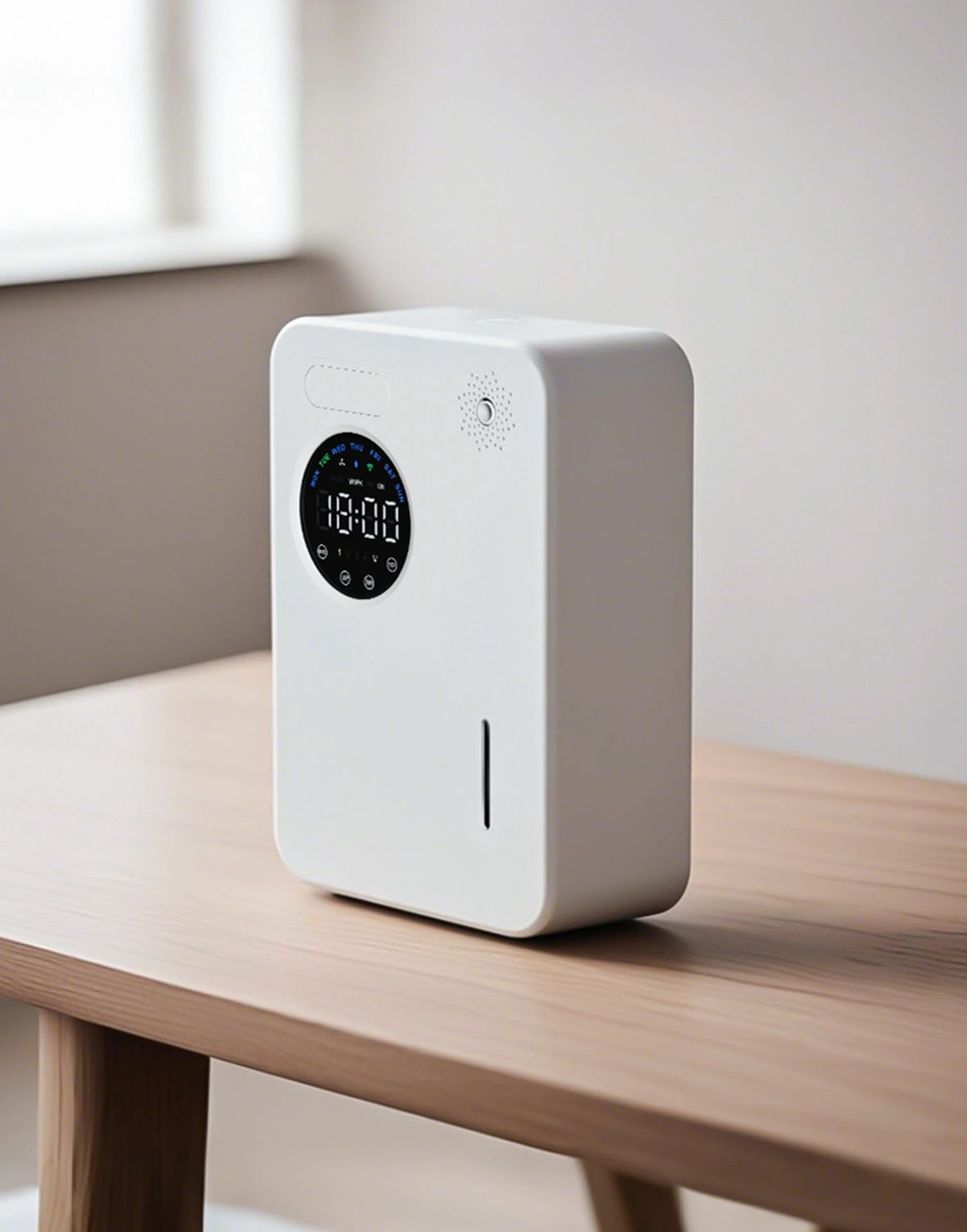
Standalone commercial diffusers—wall-mounted units, tower diffusers, or ceiling track-mount models—introduce their own constraints. A fragrance oil that runs flawlessly in a compact 500-cubic-meter ceiling diffuser may lose throw beyond three meters in a 3,000-cubic-meter tower unit simply because the atomized particle size distribution changes between devices. This is why we test every new scent formulation across at least four diffuser types before listing it for a given coverage claim. If your program mixes diffuser models across a multi-location deployment, the oil that works everywhere is more valuable than the one that excels in one machine and disappoints in another.
Top Fragrance Oil Categories for Commercial Scenting
The fragrance oil market for commercial use sorts into three practical categories: branded hotel duplications, original signature blends, and custom-formulated oils. Each has a distinct cost-performance profile.
Branded duplication oils—such as scents inspired by Westin, Hilton, or Shangri-La—account for roughly 60% of our bulk sales. Buyers choose them because the scent memory is already established, reducing the internal approval cycle. The quality of duplication oils depends entirely on the manufacturer’s gas-chromatography (GC) analysis and the skill of the perfumer in reconstructing the headspace. A poor duplication may match the top notes but miss the dry-down; three weeks into operation, the scent morphs into something that no longer reads as the original.
Original signature blends offer the advantage of exclusivity and are the fastest-growing segment among luxury retailers and boutique hotels. These blends are designed from scratch around the brand’s visual identity, target demographic, and spatial characteristics. The development cycle typically involves two rounds of submission and 20 to 40 modifications before the brand signs off, but the result is a scent that cannot be sourced anywhere else.
Custom-formulated oils take the complexity further by incorporating functional requirements—for example, a citrus-forward blend engineered to stay bright at high dilution rates for a 5,000-square-meter retail floor, or a woody oriental base formulated to avoid resinous buildup inside an HVAC duct after continuous 24-hour diffusion. This is where R&D experience and a full-spectrum raw material library make a measurable difference.
| Oil Category | Typical Lead Time | Minimum Order | Best For |
|---|---|---|---|
| Branded Duplications | 3–5 days | 10–20 L | Fast deployment, known scent profile |
| Original Signatures | 3–6 weeks | 50–100 L | Exclusivity, brand differentiation |
| Custom Formulations | 6–12 weeks | 100 L+ | Complex functional and brand requirements |
If your space requires both HVAC and standalone diffusers, getting oil compatibility right often requires testing; we can provide matched oil and diffuser recommendations tailored to your installed equipment mix. Reach us at [email protected] to start a trial.
Performance Factors: Throw, Longevity, and Coverage Area
Three metrics predict whether a commercial scenting oil will satisfy end-users: initial scent throw, duration of consistent throw, and effective coverage area at a given dilution rate. Scent throw is not simply a function of fragrance concentration—particle size distribution from the diffuser acts as a multiplier. An oil that produces a narrow particle size spectrum under atomization will travel farther and hang in the air longer than one that generates a wide distribution, even if both contain the same percentage of fragrance concentrate.
Longevity is where load planning turns into math. A 1-liter bottle in an HVAC system running at 10% duty cycle with medium atomization may last between 30 and 45 days. Increase the duty cycle to maintain intensity during high-footfall hours, and that drops to 18–22 days. The variable most buyers overlook is the evaporation rate of the carrier solvent relative to the fragrance compounds. When the carrier evaporates faster than the fragrance notes, the remaining oil in the reservoir thickens over time, changing both the viscosity and the scent balance. Oils formulated with matched-evaporation solvents maintain a consistent profile until the reservoir runs nearly empty, reducing the need for mid-cycle adjustments.
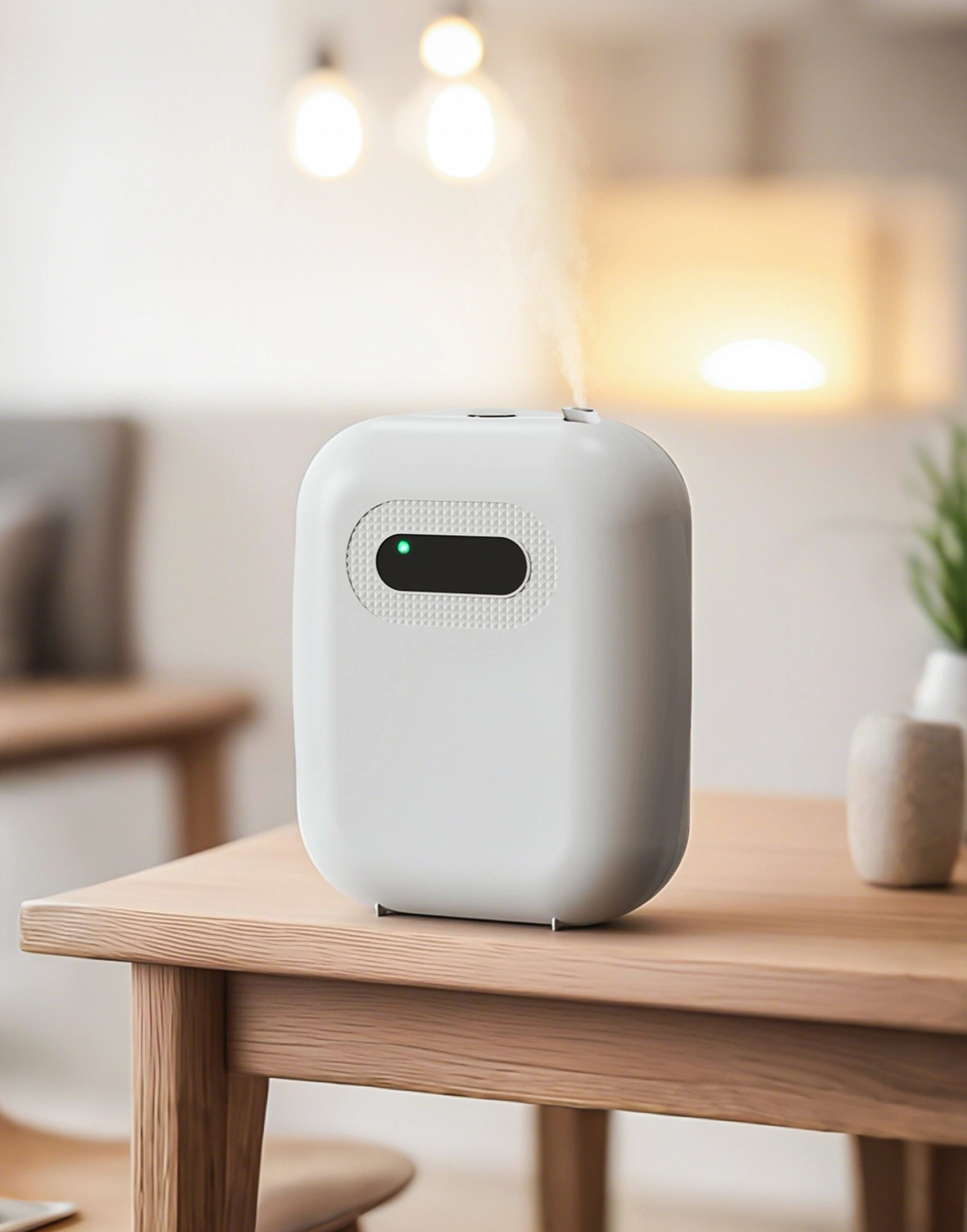
Coverage area claims from oil suppliers must be read in the context of the diffuser they were tested with. An oil tested on a 1,000-square-foot coverage diffuser at medium intensity may not deliver the same result on a different brand’s equipment, even if the rated output is identical. We publish performance data only after cross-testing with our own diffuser fleet, so the numbers reflect real installations rather than ideal laboratory conditions.
Cost and Maintenance Considerations for Ongoing Commercial Scenting
Operators often budget for the diffuser hardware and initial oil supply, but the recurring line item that determines long-term ROI is oil consumption and service frequency. Choosing the cheapest oil per liter can increase total cost when it requires 50% more refill visits or clogs atomizers that then need cleaning. We have seen maintenance contracts double because a facility management team chose an oil with a low upfront price that left sticky residue inside HVAC ducts.
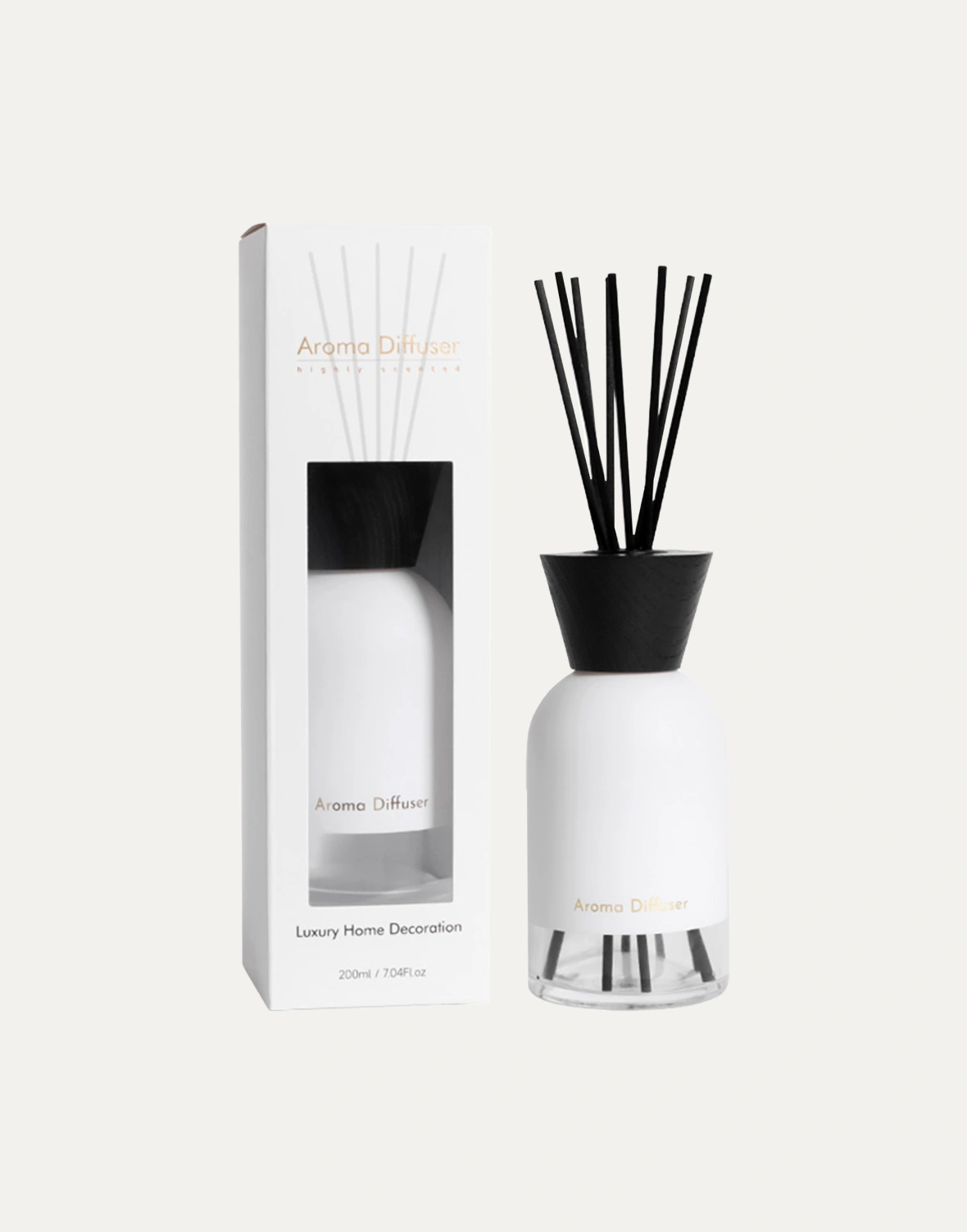
Smart diffuser systems with liquid-level detection and Bluetooth app control reduce the guesswork. When the system reports real-time consumption data, reorder points become predictable and site visits drop. Pairing such systems with an oil that has a flat consumption curve—meaning the same milliliter-per-hour rate from full to near-empty—locks in the maintenance budget and eliminates the 10%–15% uncertainty buffer most operators build into their service contracts. For multi-location deployments, the compounding effect of predictable consumption across 20 or 50 sites adds up to a significant annual saving, far outweighing the marginal cost difference between premium and budget oil.
Scent-Share’s commercial scenting oils are formulated specifically to match the flow characteristics of our full diffusion hardware range, from the 500-cubic-meter ceiling track-mount units to the 8,000-cubic-meter HVAC aroma dispensers. If you are managing a multi-location program and need consistent performance across different diffuser types, the right oil match avoids the most common failure points. Share your diffuser model list and space dimensions with us at [email protected] or call +86 185 6557 5758, and we will provide tested oil recommendations that eliminate trial and error.
Common Questions About Commercial Scenting Oils
How do I know if a fragrance oil is compatible with my existing diffuser?
Start by checking the oil’s viscosity specification against your diffuser’s pump requirements. Most commercial diffusers operate within a 3–8 centipoise range at ambient temperature. An oil outside that window will cause under- or over-dispensing. The simplest path is to request a small-volume test kit from the oil supplier and run it in your diffuser for a full duty cycle, monitoring atomizer condition and scent throw stability over at least 72 hours. Many issues that look like diffuser malfunctions are actually oil incompatibility.
Are synthetic fragrance oils more reliable than natural oils for commercial use?
Synthetics dominate commercial scenting because they offer batch-to-batch consistency, predictable evaporation profiles, and a broader palette of accords that do not exist in nature. Natural essential oils vary with harvest conditions and contain hundreds of trace compounds that can oxidize or polymerize inside diffuser components, shortening maintenance intervals. In programs we have supported across hotel chains and retail flagships, synthetic blends consistently outperform natural oils on longevity and system cleanliness, while still delivering complex, natural-smelling profiles through skilled perfumery.
How long should a bottle of commercial fragrance oil last in continuous operation?
A 1-liter bottle in a medium-coverage diffuser running 12 hours a day at medium intensity typically lasts 30 to 45 days. Larger HVAC systems covering 3,000 cubic meters or more may consume 500 milliliters per week. Actual duration depends on three factors: the oil’s vapor pressure, the diffuser’s atomization rate setting, and the ambient air exchange rate in the space. Spaces with high air turnover—retail entrances with open doors, atriums with stack effect—consume oil faster because diffused particles are exhausted before they settle. Use your diffuser’s consumption log over a two-week baseline to establish a reorder cycle, and share your consumption data with us to confirm the optimal oil formulation matches your usage pattern.
If you’re interested, check out these related articles: