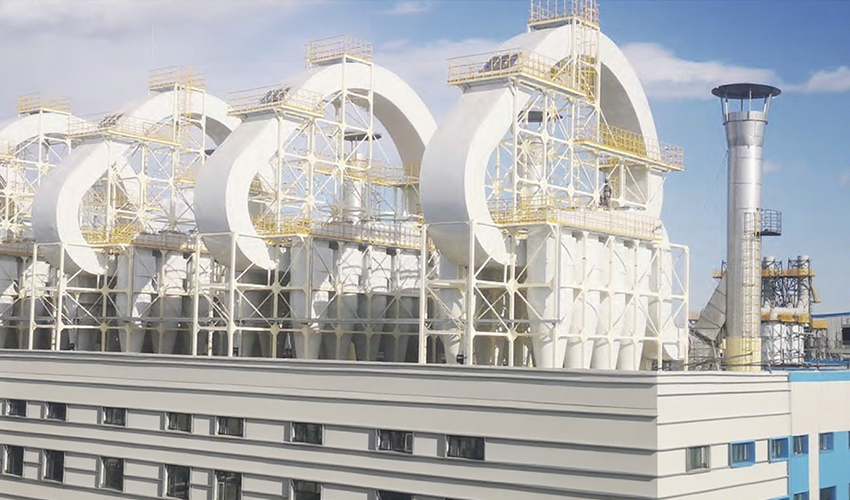

Building an agricultural industrial park from the ground up forces you to think about connections most people overlook. The grain dryer needs to talk to the storage system. The processing line has to match the cold chain capacity. The wastewater from one operation might actually fuel another. When these pieces align properly, the whole facility runs cleaner, cheaper, and more reliably than any collection of standalone farms ever could. That’s the core logic behind integrated agri-park development, and it’s reshaping how serious operators approach food production infrastructure.
Why Agricultural Industrial Parks Work as Unified Systems
An agricultural industrial park functions as a complete ecosystem rather than a cluster of separate operations. Cultivation, processing, storage, and distribution happen within a planned framework where each component supports the others. This differs fundamentally from traditional farming, where each stage operates independently and inefficiencies compound at every handoff.
The practical benefits show up in measurable ways. Land use improves because facilities share infrastructure. Energy costs drop when waste heat from processing warms greenhouses or drying systems. Water cycles through multiple uses before treatment. These synergies only emerge when someone designs the entire system together from the start.
Modern agricultural industrial park development incorporates smart agriculture technology throughout the value chain. Sensors monitor crop conditions and storage environments. Automated systems adjust irrigation, temperature, and ventilation based on real-time data. This level of integration requires careful planning during the design phase, not retrofitting after construction.
Specialized zones within these parks handle different functions. Agri-food processing areas convert raw commodities into market-ready products. Port terminal warehousing solution facilities manage grain logistics for operations connected to shipping networks. Grain depot storage solution systems maintain product quality through intelligent environmental controls. Each zone connects to the others through planned material flows and shared utilities.
Designing Agricultural Industrial Parks for Long-Term Performance
Strategic design determines whether an agricultural industrial park succeeds or struggles. The decisions made during planning lock in operational costs and capabilities for decades. Getting this right requires expertise across multiple disciplines working together rather than in sequence.
Agrifam approaches agricultural industrial park design by starting with the end state and working backward. What products will the facility produce? What markets will it serve? What environmental constraints apply? These questions shape everything from site selection to equipment specifications.
The design process covers diverse agricultural sectors. Greenhouse automation systems need different infrastructure than livestock management facilities. Aquaculture parks require water treatment capabilities that grain processing plants don’t. Vertical farm designs demand structural engineering that conventional agriculture never encounters. Each sector brings specific technical requirements that influence the overall master plan.
Food processing plant design integrates with cold chain logistics planning to maintain product quality from production through distribution. Water resource management systems balance agricultural needs against environmental regulations and long-term aquifer sustainability. These interconnected systems require coordinated design rather than piecemeal solutions.
Balancing Productivity with Environmental Responsibility
Resource optimization sits at the center of effective agricultural industrial park design. Every input costs money, and every waste stream represents both an expense and a potential liability. Smart design converts these challenges into opportunities.
Renewable energy solutions power many modern agri-park operations. Solar arrays cover warehouse roofs and unused land. Biogas systems convert organic waste into electricity and heat. These investments reduce operating costs while meeting increasingly strict emissions requirements.
Climate-smart agriculture practices protect both crops and the surrounding environment. Integrated pest management reduces chemical inputs while maintaining yields. Biosecurity protocols prevent disease outbreaks that could devastate livestock operations or spread to neighboring farms. These approaches require upfront planning but pay dividends through reduced losses and lower input costs.
Waste-to-energy systems and water recycling in agriculture close resource loops that traditional operations leave open. Manure becomes biogas and fertilizer. Process water gets treated and reused. Crop residues fuel biomass boilers. These circular economy principles reduce both costs and environmental impact.

EPC Engineering That Delivers Complete Agricultural Industrial Parks
EPC engineering consolidates responsibility for agricultural industrial park projects under a single contractor. This approach eliminates the coordination problems that plague projects split among multiple vendors. One team handles engineering, procurement, and construction with unified accountability for the final result.
The practical advantages extend beyond simplified contracting. Project lifecycle management improves when the same organization that designs the facility also builds and commissions it. Design decisions account for construction realities. Procurement happens early enough to avoid schedule delays. Installation teams understand the engineering intent behind every specification.
Feasibility assessment establishes whether a proposed agricultural industrial park makes economic and technical sense before significant capital gets committed. Regulatory compliance work identifies permit requirements and environmental constraints early, when design changes cost little. Risk mitigation strategies address potential problems before they become expensive surprises.
Construction management for agricultural facilities requires specialized knowledge. Food processing equipment has different installation requirements than industrial machinery. Cold storage facilities need precise environmental controls during construction to prevent moisture problems. Livestock buildings must meet biosecurity standards from day one. These sector-specific requirements demand experienced oversight.
How EPC Consolidation Improves Project Outcomes
Single-source responsibility changes the dynamics of large agricultural projects. When one contractor owns the entire scope, finger-pointing between vendors disappears. Problems get solved rather than debated. Schedules stay on track because no one benefits from delays.
Cost optimization happens naturally when the same organization handles design and procurement. Engineers specify equipment they know how to install efficiently. Procurement teams buy materials in quantities that match construction sequences. These efficiencies compound across complex agricultural industrial park projects.
Risk management improves dramatically under the EPC model. The contractor has both the incentive and the capability to identify problems early. Design reviews catch constructability issues before steel gets ordered. Procurement planning prevents the supply chain disruptions that delay traditional projects.
| Feature | Traditional Project Delivery | EPC Project Delivery |
|---|---|---|
| Contractual Structure | Multiple contractors | Single point of responsibility |
| Risk Management | Distributed, potential gaps | Centralized, proactive |
| Coordination | Complex, time-consuming | Streamlined, integrated |
| Cost Control | Variable, potential overruns | Predictable, budget adherence |
| Project Timeline | Often extended | Accelerated delivery |

Smart Technology Integration Across Agricultural Industrial Parks
Digital systems now manage operations that once required constant human attention. Sensors track temperature, humidity, and air quality throughout storage and processing facilities. Automated controls respond to changing conditions faster than any operator could. Data analytics transform this information into actionable insights for management decisions.
Precision agriculture systems optimize inputs at the field level. Variable rate application equipment adjusts seed, fertilizer, and chemical rates based on soil conditions and crop needs. GPS guidance ensures complete coverage without overlap. These technologies reduce input costs while improving yields.
IoT in agriculture connects equipment and sensors across entire agricultural industrial park operations. A single dashboard can display grain moisture levels, livestock feeding schedules, and processing line status. Remote monitoring allows managers to oversee operations from anywhere, responding to alerts before small problems become large ones.
AI in farming applications continue expanding. Predictive analytics forecast equipment maintenance needs before failures occur. Computer vision systems detect crop diseases and pest infestations early. Yield forecasting models help plan harvest logistics and marketing decisions. These capabilities require robust data infrastructure and skilled interpretation.
Agricultural robotics handle tasks that are repetitive, dangerous, or require precision beyond human capability. Automated guided vehicles move materials between facilities. Robotic milking systems operate around the clock. Drone surveys provide aerial imagery for crop monitoring. These technologies address labor constraints while improving consistency.
The corn starch processing solution demonstrates how intelligent digital control reduces energy consumption by 25% compared to conventional systems. This kind of improvement only happens when smart technology integrates with process design from the beginning.
Creating Value Throughout the Agricultural Supply Chain
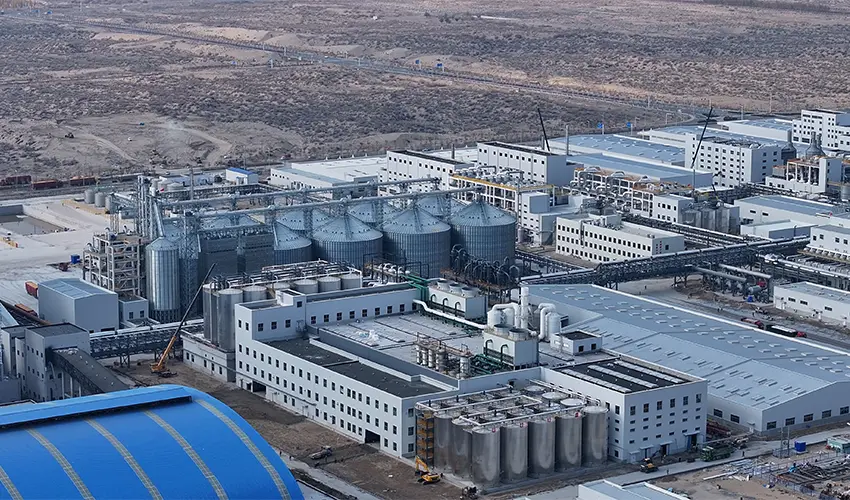
Agricultural industrial parks succeed when they capture value at every stage from production through final sale. This requires thinking beyond farming to encompass processing, logistics, and market access. Each step offers opportunities to improve quality, reduce costs, or differentiate products.
Food value chain optimization starts with understanding where value gets created and where it leaks away. Post-harvest losses destroy significant portions of many crops before they reach consumers. Quality degradation during storage and transport reduces prices. Processing inefficiencies waste raw materials. Addressing these problems directly improves profitability.
Cold chain management maintains product quality from harvest through retail. Temperature-controlled storage, refrigerated transport, and proper handling at each transfer point preserve freshness and safety. This infrastructure costs money but commands premium prices for products that arrive in better condition.
Agri-food processing transforms raw commodities into products consumers actually want to buy. Cleaning, sorting, packaging, and value-added processing all happen more efficiently within integrated agricultural industrial park facilities. Shared utilities and coordinated logistics reduce per-unit costs.
Market access solutions connect producers with buyers. Understanding consumer demand analysis helps tailor products to market preferences. Brand development builds recognition and loyalty that support premium pricing. These commercial capabilities complement production excellence.
The dairy cow ranch solution establishes efficient, high-yield systems with closed-loop water management and manure-to-biogas conversion. This integration captures value from waste streams while reducing environmental impact. The rice milling industry solution offers comprehensive capabilities from storage through deep processing, demonstrating how technology integration reduces costs across the entire operation.
The Real Returns from Integrated Agricultural Development
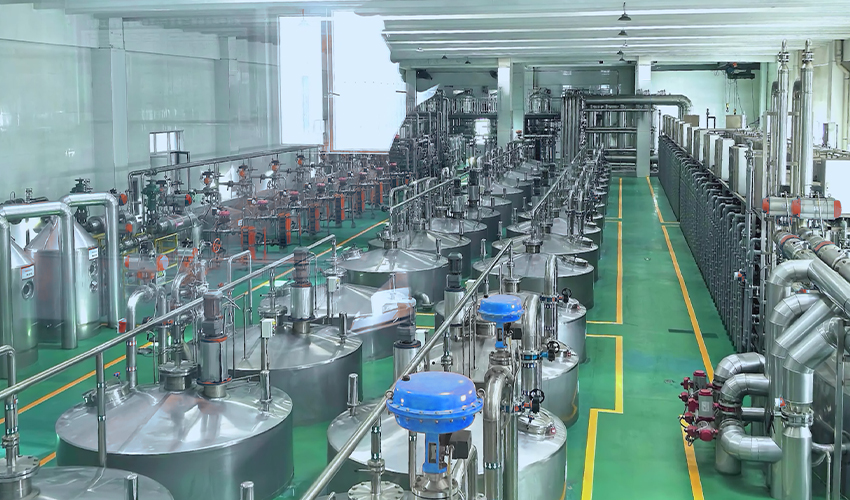
Agricultural industrial park development delivers benefits across economic, environmental, and social dimensions. These advantages compound over time as integrated systems mature and optimize.
Economic growth in rural areas accelerates when agricultural industrial parks create jobs beyond basic farming. Processing, logistics, maintenance, and management positions offer higher wages and year-round employment. Local suppliers and service providers benefit from increased economic activity.
Food security improves through higher production efficiency and reduced waste. Integrated facilities can respond to supply disruptions more effectively than fragmented operations. Storage and processing capabilities buffer against seasonal variations and market volatility.
Environmental sustainability results from resource efficiency built into facility design. Renewable energy, water recycling, and waste valorization reduce the environmental footprint per unit of production. These improvements help operations meet tightening regulations while reducing operating costs.
Investment returns reflect these operational advantages. Lower costs, higher quality, and better market access combine to improve margins. Reduced risk from integrated management and diversified operations makes these investments more attractive to lenders and equity partners.
Building Your Agricultural Industrial Park with Agrifam
Transforming agricultural operations through integrated industrial park development requires expertise across design, engineering, and construction disciplines. Agrifam provides comprehensive capabilities from initial concept through commissioning and beyond.
Contact our specialists to discuss your agricultural industrial park project. We offer consultation on feasibility, design, and execution strategies tailored to your specific requirements and market conditions. Our one-stop solutions address the full scope of agribusiness development challenges.
Reach us at 010-8591 2286 or [email protected] to start the conversation about intelligent, efficient, and environmentally responsible agricultural development.
Common Questions About Agricultural Industrial Park Development
What makes sustainability essential for agricultural industrial park viability?
Sustainability directly affects operating costs and regulatory compliance, both of which determine long-term profitability. Resource-efficient facilities spend less on energy, water, and waste disposal. They also face fewer restrictions as environmental regulations tighten globally. Agricultural industrial parks designed with renewable energy, water conservation, and waste valorization built in from the start avoid costly retrofits and maintain their competitive position as standards evolve.
How does single-contractor EPC delivery reduce agricultural project risks?
Consolidated responsibility eliminates the gaps where problems hide in multi-contractor projects. When one organization handles engineering, procurement, and construction for an agricultural industrial park, design decisions account for construction realities and procurement happens on schedules that support installation. Problems get solved immediately rather than debated between parties. This integration typically results in faster completion, fewer cost overruns, and better final quality.
What financial guidance does Agrifam provide for new agricultural industrial park ventures?
Agrifam supports agricultural industrial park projects from initial financial analysis through operational commissioning. Our feasibility studies evaluate market conditions, technical requirements, and economic projections to establish viable investment frameworks. We guide clients through funding options, help develop economic models that satisfy lenders, and assess risks that could affect returns. This financial consulting integrates with our design and engineering services to ensure projects start on solid economic foundations.
If you’re interested, check out these related articles:
Driving Global Food Conservation Through Technological Innovation
