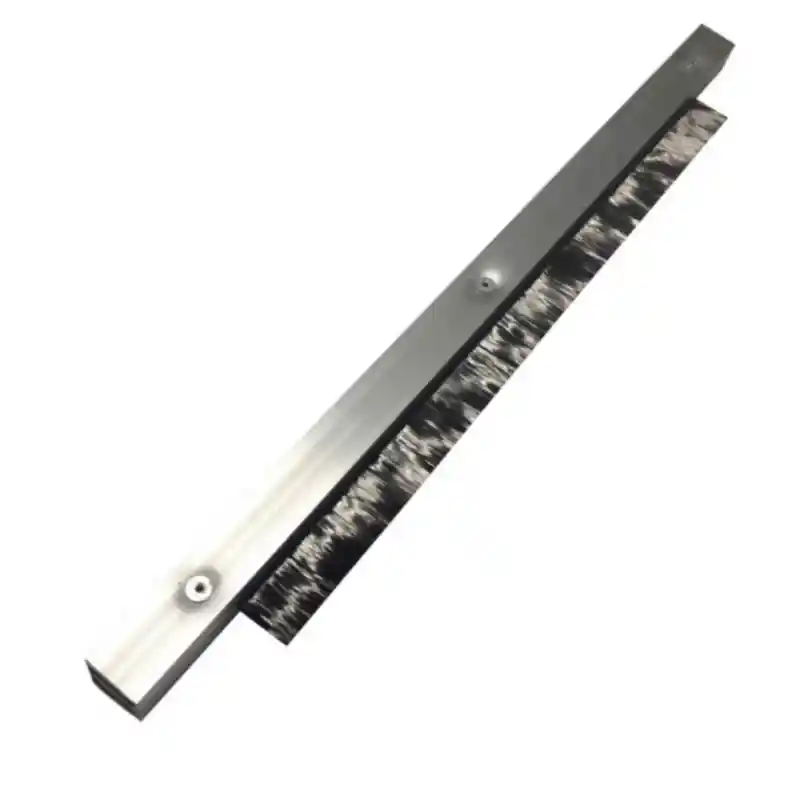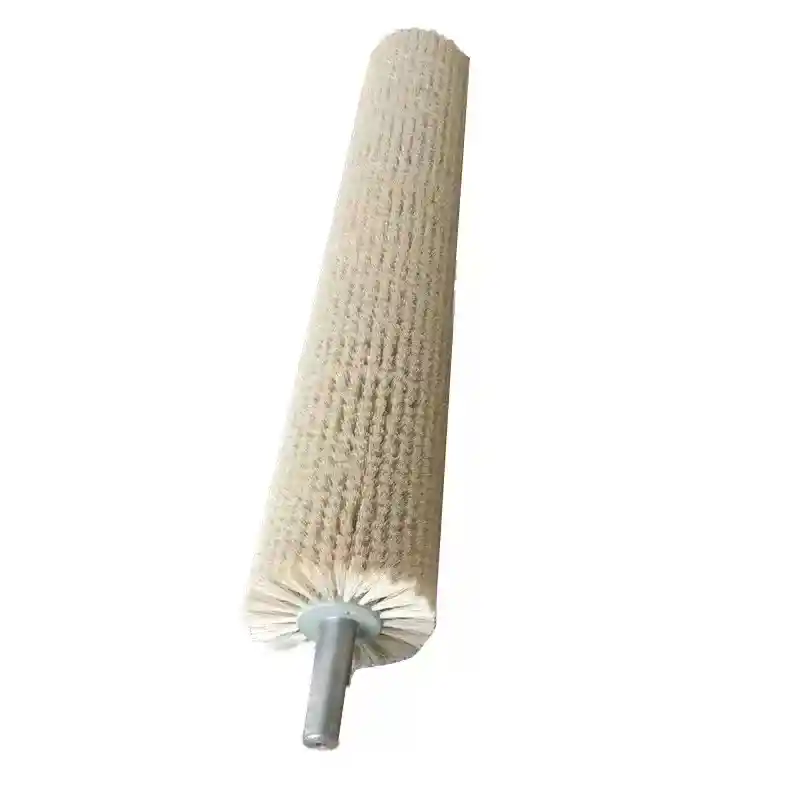

Working with industrial flues day after day teaches you something that catalogs never quite capture: the difference between a brush that survives a job and one that actually performs. An 8-inch chimney brush built for heavy-duty work isn’t just a larger version of what you’d use at home. It’s a different tool entirely, engineered for the kind of creosote buildup that forms in commercial stacks running continuous burn cycles. The deposits are denser, the access is often more difficult, and the consequences of incomplete cleaning are measured in operational downtime and safety risk. What follows covers the practical considerations for selecting, using, and maintaining these brushes in demanding environments.
What Separates Industrial-Grade 8-Inch Chimney Brushes from Standard Models
Heavy-duty 8-inch chimney brushes serve a fundamentally different purpose than their residential counterparts. Industrial and commercial flues generate creosote under conditions that residential systems rarely approach—higher temperatures, longer burn cycles, and fuel variations that produce harder, more adhesive deposits. A brush designed for weekend fireplace maintenance simply won’t hold up.
The construction differences are measurable. Industrial 8-inch chimney brush models use thicker wire gauges, higher filament density, and reinforced core assemblies that resist the torsional stress of working through compacted creosote. The rod attachment points are engineered to prevent the kind of separation that can leave a brush head stuck deep in a flue—a recovery scenario nobody wants to deal with.
These brushes need to withstand continuous use across multiple cleaning cycles without significant degradation. The demand in commercial and industrial sectors reflects this: facilities need tools that reduce maintenance frequency and improve operational safety rather than tools that need replacement after every few jobs.
Material Selection and Construction Methods for Effective Creosote Removal
The material choice for an 8-inch chimney brush determines both its cleaning effectiveness and its compatibility with specific flue types. This isn’t a decision to make casually—the wrong material can either fail to remove deposits or actively damage the flue liner.
Hardened steel wire delivers the aggressive cleaning action needed for Stage 2 and Stage 3 creosote. These deposits form as hard, glazed layers that resist softer filaments. The wire’s stiffness allows it to break through and dislodge material that would simply deflect a nylon brush. However, steel wire is appropriate only for masonry and clay tile flues; it will scratch and score stainless steel liners.
Polypropylene and nylon filaments handle Stage 1 creosote—the powdery, flaky deposits that accumulate under more moderate burning conditions. These materials provide adequate cleaning force while remaining safe for stainless steel and other metal liners. The trade-off is reduced effectiveness against harder deposits.
Brush head design also matters. Configurations that maximize filament contact with the flue wall improve cleaning efficiency without requiring excessive force. Secure rod attachment systems prevent the operational failures that create safety hazards and recovery complications.
Brush Material Performance by Creosote Type
| Material Type | Creosote Type (Stage) | Cleaning Aggressiveness | Flue Liner Compatibility |
|---|---|---|---|
| Steel Wire | Stage 2 & 3 (Hard, Glazed) | High | Masonry, Clay Tile |
| Polypropylene | Stage 1 (Powdery, Flaky) | Medium | Stainless Steel, Clay |
| Nylon | Stage 1 (Powdery, Flaky) | Medium | Stainless Steel, Clay |
What makes a chimney brush heavy-duty for industrial applications?
Heavy-duty classification comes down to specific construction features. Thicker wire gauge or higher filament density increases stiffness and cleaning force. Enhanced core strength resists the torsional stress that occurs when working through resistant deposits. These brushes are engineered for prolonged use and resistance to the abrasive action of creosote removal. The result is a tool that maintains its effectiveness across many more cleaning cycles than standard brushes.
Matching Your 8-Inch Chimney Brush to Flue Specifications
Brush selection requires matching several variables simultaneously. Get any of them wrong, and you’re looking at either incomplete cleaning or potential flue damage—both expensive problems in industrial settings.
The brush diameter must correspond precisely to the flue’s internal dimensions. An undersized 8-inch chimney brush won’t make adequate contact with the flue walls, leaving deposits behind. An oversized brush creates excessive friction and can damage the liner or become stuck.
Flue liner material dictates filament selection. Wire brushes work for masonry or clay tile flues where the aggressive cleaning action won’t cause damage. Stainless steel liners require softer nylon or polypropylene filaments that clean effectively without scratching the surface. Scratches in metal liners create sites for accelerated corrosion and deposit accumulation.
Regular chimney inspection methods help identify existing damage or specific cleaning requirements before brush selection. Safety considerations for chimney cleaning include proper ventilation during the cleaning process and appropriate personal protective equipment. Professional chimney sweep tools are designed with these operational requirements in mind.
Flue Compatibility Assessment
- Flue Material: Identify whether the liner is masonry, clay tile, or stainless steel.
- Creosote Type: Determine if deposits are powdery, flaky, or glazed.
- Brush Diameter: Match the brush size exactly to the flue’s internal dimension.
- Rod Compatibility: Ensure rods connect securely to the brush head.
- Safety Gear: Confirm all necessary PPE is available.
How to choose the right 8-inch chimney brush for your specific flue type?
Start with the flue material. Masonry flues with heavy creosote typically require a wire wheel brush for effective removal. Stainless steel liners need softer brushes—nylon is the standard choice—to prevent surface damage. The brush should fit snugly within the flue to maintain optimal contact during the cleaning stroke. Consider the creosote type present; hard, glazed deposits demand stiffer filaments than powdery accumulation. Matching these variables correctly avoids the common pitfalls that lead to either incomplete cleaning or liner damage.
Custom 8-Inch Chimney Brush Solutions for Non-Standard Flues
Standard brush dimensions don’t accommodate every industrial flue configuration. Unusual cross-sections, non-circular shapes, or specialized liner materials create cleaning challenges that off-the-shelf products can’t address effectively.
Custom brush manufacturing services provide tailored solutions for these specialized industrial brushes. ODM/OEM service options allow specification of brush dimensions, filament materials, and attachment mechanisms matched to specific flue characteristics. This approach ensures optimal cleaning for unique flue cleaning challenges that would otherwise require compromise.
Custom 8-inch chimney brush designs can significantly improve cleaning efficiency in non-standard applications. The investment in a properly matched tool often pays for itself through reduced cleaning time and extended flue lifespan. Low MOQ options and free samples for custom orders make it practical to develop precise solutions for specialized industrial flues.
Custom Brush Development Process
- Consultation: Discuss specific flue requirements and cleaning challenges.
- Design Proposal: Develop a brush design based on your specifications.
- Material Selection: Choose optimal filaments and core materials.
- Prototype Production: Manufacture a sample for testing.
- Testing & Feedback: Evaluate performance and provide adjustments.
- Full Production: Begin manufacturing your customized brushes.
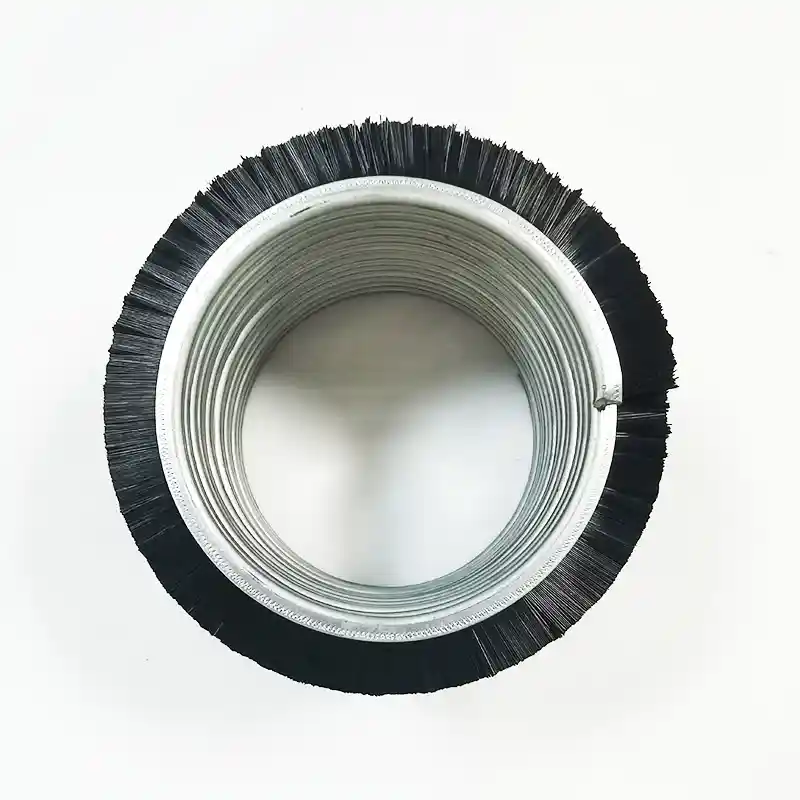
Why Material Quality Determines Long-Term Performance in Industrial Flues
The material of an 8-inch chimney brush affects three distinct outcomes: cleaning effectiveness, flue integrity, and brush longevity. In large industrial flues, these factors have direct cost implications.
Improper material selection can leave hazardous creosote deposits in place, creating fire risk and reducing system efficiency. The brush appears to be working, but the deposits remain. Conversely, an overly aggressive material can damage expensive flue liners. Repairs to industrial flue systems are neither cheap nor quick.
High-quality materials ensure effective removal of soot and creosote without compromising the flue structure. The brush performs its intended function without creating secondary problems. Durable, appropriate materials provide long-term cost benefits by reducing brush replacement frequency and minimizing potential flue damage. This approach maintains industrial flue integrity while achieving cost-effective chimney cleaning over the operational life of the system.
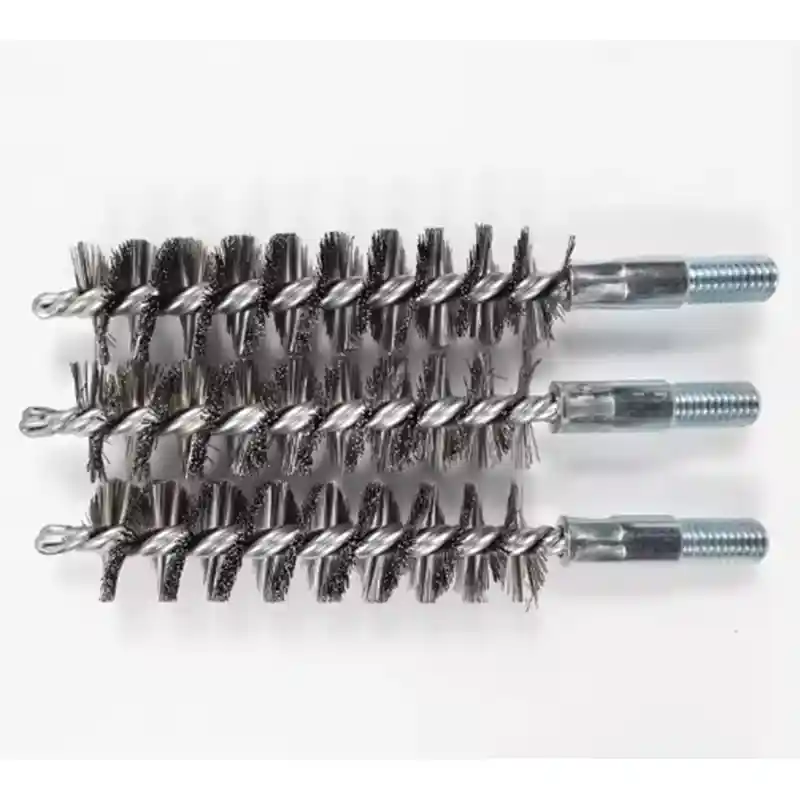
Extending the Service Life of Your Heavy-Duty 8-Inch Chimney Brush
Proper maintenance practices extend the useful lifespan of heavy-duty 8-inch chimney brush equipment substantially. The investment in quality tools pays off only when those tools receive appropriate care.
After each use, thoroughly clean the brush to remove all creosote and debris. Residual deposits left on filaments can harden and reduce flexibility, compromising cleaning effectiveness on subsequent jobs. Store brushes in a dry, protected area to prevent corrosion on metal components and filament damage from moisture or physical stress.
Regular inspection identifies wear before it becomes a problem. Look for bent or broken filaments, damaged rod connections, and signs of core fatigue. Worn brushes become less efficient and can potentially damage the flue—a tool that’s lost its stiffness may require excessive force that stresses the liner.
Replace brushes when filaments show significant degradation or loss of stiffness. This preventative measure ensures consistent performance and avoids unexpected failures during critical cleaning operations. The cost of a replacement brush is minor compared to the complications of a brush failure mid-job.
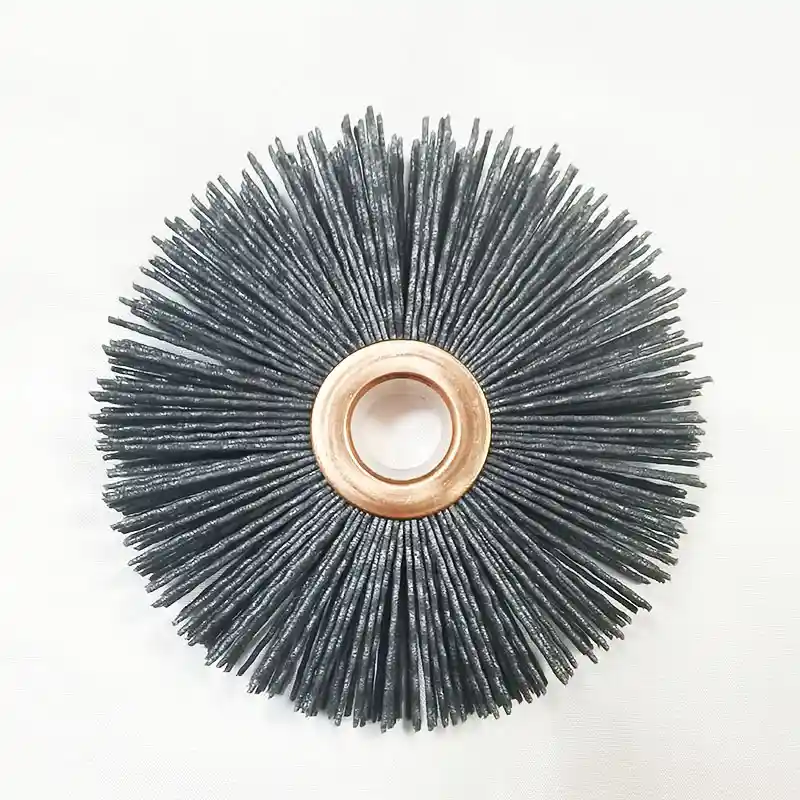
Partner with Huixi Brush for Your Chimney Cleaning Needs
We offer professional technical support and ODM/OEM services for all your industrial brush requirements. With 16 years of production experience, we provide competitive prices and low MOQ. Choose Huixi Brush for reliable, high-quality cleaning solutions. Contact us today at [email protected] or call +86 1580 0932 713.