

Cleaning a 12-inch chimney flue isn’t something most people think about until smoke starts backing up or an inspection reveals a thick layer of creosote clinging to the walls. Having worked with large-scale ventilation systems, I’ve seen what happens when maintenance gets deferred — the buildup accelerates faster than anyone expects, and by the time it becomes visible, you’re already dealing with a fire risk. The right brush makes the difference between scraping away surface residue and actually restoring the flue to safe operating condition. This piece covers what matters when selecting, using, and sourcing a 12-inch chimney brush for industrial and commercial applications.
Why Large Chimney Flues Demand Consistent Attention
Large chimney flues show up in industrial facilities, commercial buildings, and oversized residential properties where standard cleaning equipment simply won’t reach. The problem with these larger dimensions is straightforward: more surface area means more creosote accumulation, and the combustion byproducts build up faster when the system handles higher exhaust volumes.
Creosote is the real concern here. This tar-like substance forms when wood or other fuels burn incompletely, and it’s highly flammable. In a 12-inch flue, the accumulation can become substantial before anyone notices a performance drop. The risks extend beyond fire — blocked flues restrict airflow, forcing carbon monoxide and other combustion gases back into occupied spaces. That’s not a theoretical hazard; it’s a documented cause of serious incidents.
Most regulations require annual cleaning for active flues, though heavy-use systems or those burning certain fuel types need more frequent attention. The chimney flue dimensions directly affect how quickly problems develop. A 12-inch chimney brush sized correctly for the opening ensures full contact with the interior walls, which is the only way to remove buildup effectively. Fire safety prevention starts with understanding that these systems don’t maintain themselves.
Matching Brush Materials to Flue Liner Types
The material of a 12-inch chimney brush determines both its cleaning effectiveness and whether it will damage the flue liner. Getting this wrong can mean either leaving creosote behind or scratching surfaces that then accumulate deposits even faster.
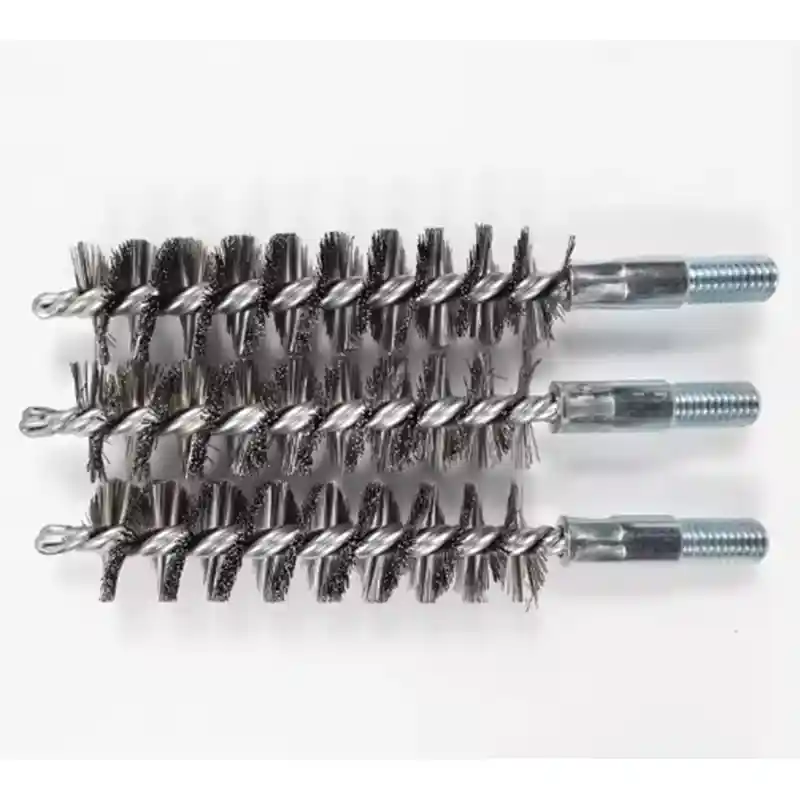
Steel wire bristles deliver aggressive scrubbing action. They’re the right choice for masonry flues where hardened, glazed creosote has bonded to the surface. The stiffness required to break through that kind of buildup would damage metal liners, so steel brushes stay in the masonry category.
Polypropylene bristles work for stainless steel and pre-fabricated metal flues. The material is firm enough to dislodge soot and lighter creosote without scratching the liner surface. This matters because scratches create texture where future deposits cling more readily.
Nylon bristles occupy the middle ground — less abrasive than steel, more robust than polypropylene. They handle general maintenance and lighter creosote removal across various flue types.
The brush head shape should match the flue’s internal geometry. Round brushes for round flues, square for square. Seems obvious, but mismatched shapes leave corners and edges untouched. Attachment types vary between threaded connections for manual rods and quick-connect systems for rotary equipment. For industrial applications where a 12-inch chimney brush sees frequent use, bristle density and stem construction determine how long the tool remains effective.
What is the best material for a 12-inch chimney brush to remove creosote effectively?
The best material depends on what you’re cleaning. Steel wire handles hard, glazed creosote in masonry flues where aggressive abrasion is necessary. For stainless steel or pre-fabricated flues, polypropylene or nylon prevents liner damage while still removing lighter deposits. The creosote type matters as much as the liner material — flaky buildup comes off easily, while glazed creosote requires more force.
Tools and Methods That Actually Work for Large Flues
A 12-inch chimney brush alone won’t clean a large flue effectively. The brush needs to reach the full length of the system, and the cleaning action needs enough force to dislodge stubborn deposits.
Rod extension kits allow operators to work through tall flues from either the top or bottom. The rods connect in sections, maintaining enough rigidity to push the brush through while flexing around minor bends. For a 12-inch chimney brush, the rod diameter needs to handle the resistance without bowing.
Power sweeping systems attach to a drill or dedicated motor, spinning the brush as it moves through the flue. The rotational action provides significantly more scrubbing force than manual pushing and pulling. For large flues with substantial creosote buildup, power sweeping reduces both time and physical effort while improving results.
Manual techniques still have their place, particularly in situations where power equipment can’t access the work area. The trade-off is labor intensity — cleaning a large flue by hand takes considerably longer and requires more physical effort to achieve the same results.
Safety equipment is non-negotiable. Respirators protect against fine particulate matter that remains airborne during cleaning. Gloves and eye protection guard against chemical residues in the creosote. A high-powered vacuum controls debris, keeping the work environment manageable and preventing soot from spreading through the building.
For further insights into brush applications, read our article on 《brass brushes work perfectly for pipe cleaning》.
How often should a large chimney flue be cleaned, and what tools are essential for the job?
Annual cleaning is the baseline for most large flues, but wood-burning systems — especially those using unseasoned fuel — may need attention every few months. The essential toolkit includes a 12-inch chimney brush matched to the liner material, flexible extension rods, a power sweeping system for efficiency, a high-powered vacuum, and complete safety gear. Skipping any of these components compromises either the cleaning quality or operator safety.
Finding Suppliers Who Deliver Industrial-Grade Quality
Procuring a 12-inch chimney brush for industrial use requires more scrutiny than picking one off a retail shelf. The brushes need to withstand repeated heavy use, and the supplier needs to deliver consistently.
Production experience matters. Manufacturers with established track records have worked through the quality control issues that plague newer operations. Look for companies with verifiable histories — 16 years of manufacturing experience, for instance, indicates processes that have been refined over time.
Custom fabrication capability becomes important when standard brushes don’t fit specific applications. A supplier offering ODM/OEM services can modify bristle materials, densities, and brush head designs to match unusual flue configurations.
Export quality standards indicate whether a manufacturer meets international requirements. Companies shipping to Europe, North America, and Australia have already passed the quality thresholds those markets demand.
Bulk pricing structures affect procurement economics. Industrial buyers ordering in quantity should expect competitive pricing that reflects volume, not retail margins applied to larger orders.
We provide professional ODM/OEM brush services with the flexibility to customize 12-inch chimney brush specifications for specific operational needs. Requesting samples before committing to large orders remains the most reliable way to verify quality claims.
Where can I find reliable suppliers for industrial-grade 12-inch chimney brushes and related equipment?
Reliable suppliers surface through industry trade shows, B2B platforms, and direct outreach to established manufacturers. Prioritize companies demonstrating extensive production experience, professional technical support, and documented export capabilities. A manufacturer with 16 years in the industry and active international shipping has proven their ability to meet quality standards across different markets.
When Standard Brushes Don’t Fit the Application
Industrial flue systems don’t always follow standard dimensions. Irregular shapes, specialized materials, and unusual access points create situations where a standard 12-inch chimney brush can’t make proper contact with all surfaces.
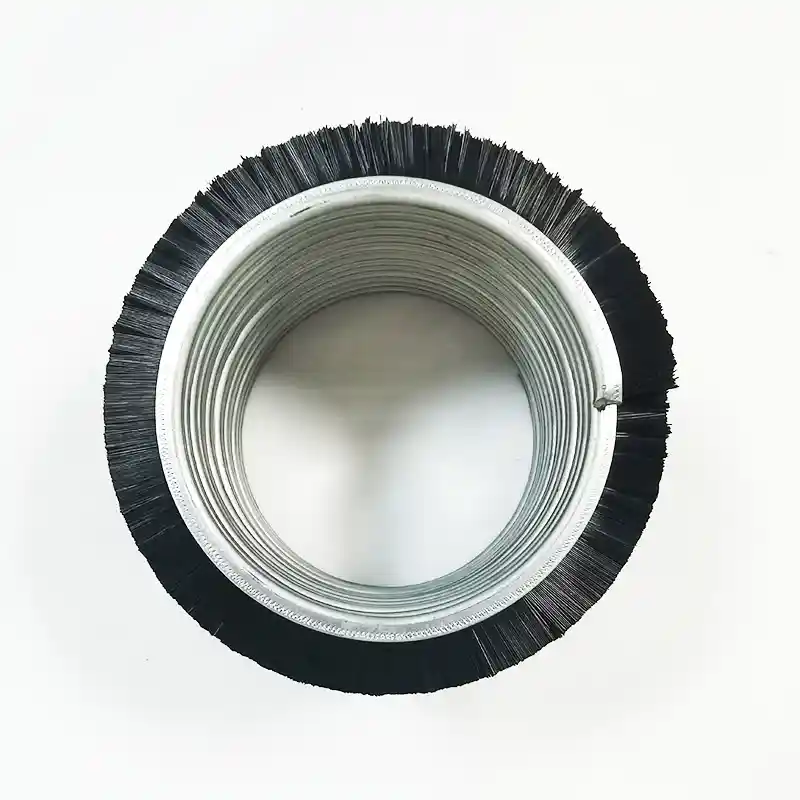
Custom brush solutions address these gaps. The process involves analyzing the flue’s interior geometry, identifying the creosote type, and designing a brush that maximizes contact while protecting the liner material. This might mean adjusting bristle patterns to reach corners that standard designs miss, or combining materials to handle both delicate and aggressive cleaning in different sections of the same system.
Our ODM/OEM brush service handles these specialized requirements. Whether the challenge involves an unusual flue shape, a specific industrial application, or access constraints that limit standard equipment, we engineer brushes that perform in those specific conditions. The result is cleaning efficiency that matches what standard brushes achieve in standard flues — full contact, complete creosote removal, and no liner damage.
Keeping Your Equipment Performing Over Time
A quality 12-inch chimney brush represents an investment that should last through many cleaning cycles. How long it actually performs depends largely on post-use care.
Clean the brush after every use. Creosote left on bristles hardens and mats them together, reducing flexibility and cleaning effectiveness. A thorough rinse and inspection after each job prevents this degradation.
Store in dry, protected conditions. Moisture accelerates corrosion on metal components and can degrade some bristle materials. Temperature extremes and direct sunlight cause additional wear that shortens useful life.
Inspect regularly for wear. Frayed bristles, bent stems, and damaged rod connections all reduce performance and can cause equipment failure during cleaning. Catching these issues early allows for repair or replacement before they create problems.
Maintain power equipment. Lubricate threaded connections, check motor function, and verify that quick-connect systems engage properly. A 12-inch chimney brush attached to malfunctioning power equipment won’t deliver the cleaning action the job requires.
Investing in quality tools from the start reduces replacement frequency. Cheap brushes that wear out quickly end up costing more over time than industrial-grade equipment maintained properly.
Partner with Shanghai Huixi Trading for Your Chimney Brush Needs
For industrial-grade 12-inch chimney brushes, custom cleaning solutions, or expert technical support, Shanghai Huixi Trading Co., Ltd. stands as your trusted partner. With 16 years of manufacturing excellence and a global presence, we provide professional ODM/OEM services, competitive pricing, and unparalleled quality. Connect with our specialists to discuss your specific requirements and elevate your flue maintenance standards. Contact us today for a consultation or to request a free sample. You can reach us at +86 1580 0932 713 or [email protected].
Frequently Asked Questions About 12-Inch Chimney Brushes
What are the advantages of using a 12-inch polypropylene chimney brush over steel for large flues?
Polypropylene bristles on a 12-inch chimney brush protect stainless steel and pre-fabricated flue liners from scratching while still removing lighter creosote and soot effectively. Steel brushes provide more aggressive cleaning power but can damage metal surfaces, creating texture where future deposits accumulate faster. The choice comes down to liner material — polypropylene for metal, steel for masonry.
Can 12-inch chimney brushes be adapted for rotary power sweeping systems?
Most 12-inch chimney brushes accept either universal threading or specific quick-connect attachments for rotary power sweeping systems. The rotational force significantly improves cleaning efficiency, particularly for stubborn creosote that manual pushing and pulling struggles to dislodge. Check the brush specifications to confirm compatibility with your power equipment.
What is the typical lifespan of a high-quality 12-inch chimney brush used in commercial applications?
Lifespan varies with material quality, use frequency, and creosote type encountered. Industrial-grade brushes from established manufacturers — those with reinforced bristles and durable cores — typically handle dozens to hundreds of cleaning cycles before requiring replacement. Proper cleaning after each use and dry storage conditions extend useful life considerably.
