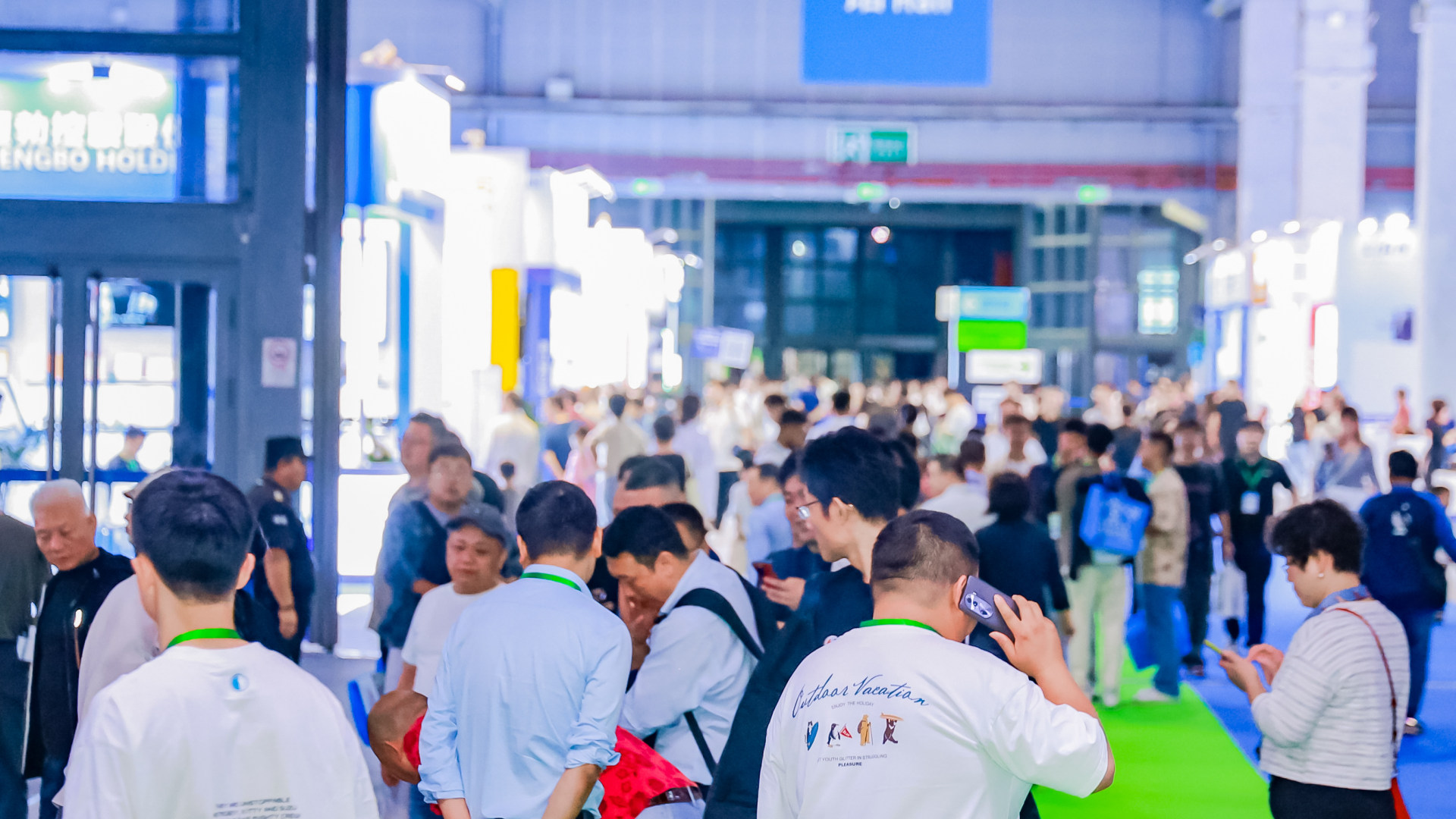

Navigating China’s auto parts supply chain from overseas can feel like chasing fragments across a map—until you step into a trade show that brings Zhejiang’s OEM manufacturers under one roof. For procurement managers seeking direct factory access without intermediaries, the right exhibition makes the difference between endless email chains and face-to-face deals. The Zhejiang OEM auto parts manufacturer trade show ecosystem, especially the APES Shanghai event, condenses this vast industrial province into a structured sourcing platform where factory-direct procurement is the standard, not the exception.
Zhejiang’s Auto Parts Industrial Clusters
Zhejiang province accounts for a disproportionate share of China’s automotive component output, not because of a single giant plant, but due to dozens of deeply specialized manufacturing towns. Yuhuan alone houses over 1,000 chassis part factories, many supplying OEM and Tier-1 programs for global automakers. Ruian’s brake pad and caliper cluster feeds aftermarket chains across Europe and the Middle East. Wenzhou has evolved from generic switches to high-mix automotive electronics, while Changzhou’s lighting manufacturers now produce LED headlamp assemblies for EV platforms.
When a buyer visits these factories individually, weeks vanish in transit and translation. A well-designed trade show compresses that geography into a walkable floor plan, giving you side-by-side comparisons of control arms, sensors, or oil seals from competing producers—something no online catalog can replicate. The real value is not the booth itself, it is the ability to compare production finishing, packaging standards, and engineering communication across five suppliers within one hour.
Inside APES Shanghai’s Zone-Based Sourcing Layout
APES Shanghai does not list manufacturers alphabetically. Its floor map is built around industrial clusters, grouping exhibitors by component type and manufacturing region. The chassis pavilion will sit alongside brake and wheel-end categories, while the NEV hall clusters high-voltage wiring harness makers, thermal management component suppliers, and electric drive unit part producers. Engine, transmission, and commercial vehicle sectors each occupy dedicated sections where the terminology on every sign is the native language of your quality department.
For a buyer who needs a cylinder head supplier, a timing chain specialist, and an IATF 16949‑certified fuel pump vendor, this means all three target categories exist within the same hall, often within fifty meters. Walking a raw-space area that has been designed this way turns a procurement checklist into a physical circuit. I have watched European purchasing directors arrive with a longlist of ten potential factories and narrow it to three serious candidates before the first day’s closing announcement, simply because the spatial logic eliminated travel dead time.
If your program involves parts requiring ISO 7637 electrical testing for the European aftermarket or specific material certifications like CQI-9 for heat treatment, verifying those certificates at the show is far more reliable than accepting a scanned PDF. Reach out to our team at [email protected] before the event and we can flag exhibitors who hold current certifications relevant to your sourcing list.
Direct OEM Relationships: From First Handshake to Long-Term Supply
A booth conversation is not a deal, but it is the fastest way to separate a genuine OEM manufacturer from a trading company with a factory-facing email address. At the Zhejiang OEM auto parts trade show, the person standing behind the sample table is often the production manager or export director, someone who can discuss raw material sourcing, capacity loading, and delivery lead times without calling back to the plant.
The most productive sourcing visits I have observed follow a consistent pattern: the buyer brings actual part numbers, dimensional drawings, and an annual volume forecast, even if rough. With those in hand, a 15‑minute conversation at the booth can yield a ballpark unit price, a tooling cost estimate, and a realistic sample lead time—outputs that would take three weeks of email negotiation outside the exhibition. This efficiency applies equally to steering knuckles, ABS sensors, and LED taillight assemblies, commodities where subtle differences in plating or connector sealing matter only when you handle the part yourself.
Practical Considerations for Trade Show Sourcing in Shanghai
First‑time visitors often underestimate the practical side of sourcing at a large‑scale Chinese automotive exhibition. Booth formats range from standard shell‑scheme setups to custom raw‑space builds, and the type of booth usually signals the exhibitor’s export maturity. A manufacturer displaying IATF 16949 and ISO 14001 certificates printed at the back wall, alongside dimensional inspection reports on the counter, is signaling that they speak the language of international quality management.
Interpreter services and buyer‑host programs can bridge language gaps, but the most impactful preparation is a clear specification package: part number, material, required tolerance band, target annual volume, and any regional certification needs. Handing that one‑page sheet to an exhibitor often yields a more concrete discussion than a generic business card exchange. Also, schedule the second and third days for follow‑up visits to the booths that passed the first filter; the final afternoon is when commitments start to form.
Frequently Asked Questions About Zhejiang Auto Parts Trade Shows
What makes APES Shanghai different from general automotive trade fairs?
General auto shows mix OEMs, tier‑ones, and aftermarket retailers without category discipline. APES Shanghai groups exhibitors by industrial function and geographic cluster, so a suspension buyer does not need to walk past interior trim booths to find control arm suppliers. The participant profile is weighted toward production‑ready manufacturers rather than resellers, which shifts the conversation from catalogs to production capabilities from the first exchange.
Can I get factory‑direct pricing at a trade show, or will I still be quoted trader margins?
When you speak with a production manager who controls the cost structure, the quoting process starts closer to the factory floor. Prices that a trading company might mark up by 15‑25% often emerge at factory levels very early in the discussion, especially if you bring volume projections and your own quality requirements. The key is identifying who owns the tooling and who performs the final quality audit. At a well‑structured show, that distinction is visible within minutes.
Is one day enough to cover the Zhejiang OEM sections, or should I plan for multiple days?
One day allows you to scan the floor and collect samples. Two days let you conduct structured comparisons and revisit promising contacts. Three days open space for technical deep dives and preliminary agreement frameworks. Buyers who need to evaluate more than four component categories consistently report that the third day is when specifications get decided, not the first.
How do I verify that an exhibitor really is an OEM manufacturer and not a re‑packager?
Ask to see a recent production line video on their phone, not a polished corporate clip. Inquire about their tooling ownership structure and their internal defect rate tracking, expressed as PPM. A manufacturer who answers with a number and describes what they measure (final inspection PPM versus in‑process scrap rate) is operating with manufacturing logic. Those who evade with marketing phrases usually are not.
Are there any hidden costs when sourcing Zhejiang auto parts at a trade show, like commission fees or platform surcharges?
Trade show sourcing through APES Shanghai is a direct negotiation between buyer and manufacturer. There are no compulsory platform fees, sales commissions, or service charges built into the transaction. The only costs you manage are your own travel and booth‑related logistics, which makes the overall procurement cost transparent by design. Confirm your sourcing requirements with our team at [email protected] and we can help you identify exhibitors that match your purchasing model without added markup.
If you’re interested, check out these related articles:
Tomorrow World: Innovation Achievement Exhibition and Industry Future Forum
APES 2026 to Redefine Global Sourcing Landscape as Automotive Industry Eyes Resilient Future