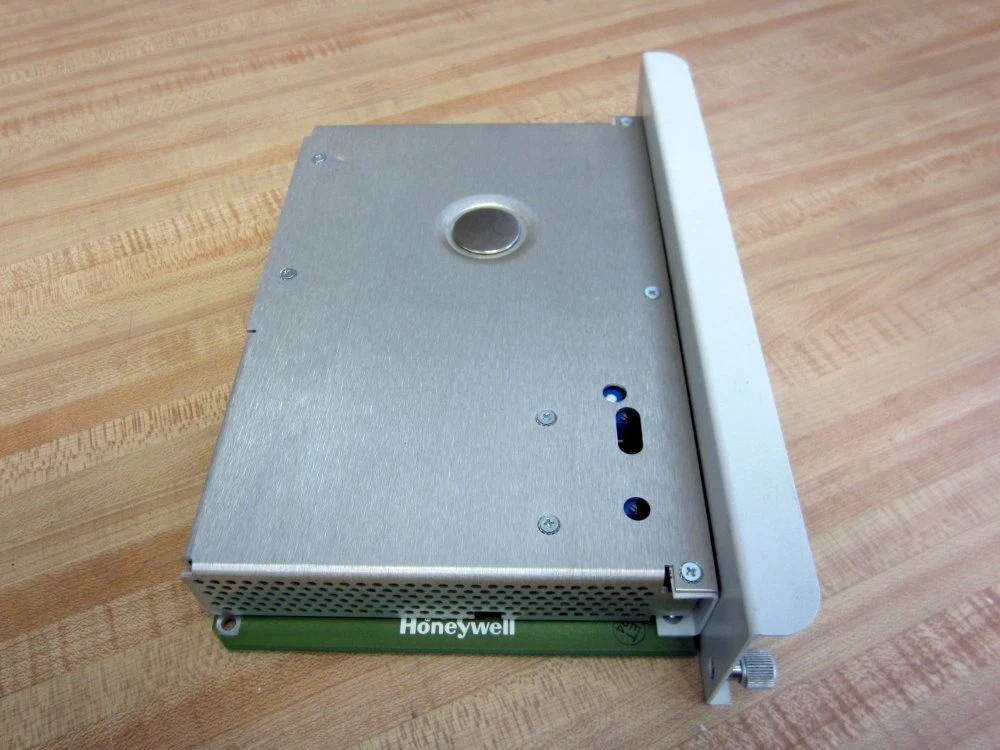

Yokogawa ProSafe-RS spare parts procurement turns urgent when a safety module fails and your SIL loop is degraded. The SAI143-S33 analog input, SDV144-S13 digital output, and SCP461 pulse input modules each handle distinct safety functions inside the ProSafe-RS architecture. Replacing any one of them is not just matching part numbers off a nameplate. I have supported enough ProSafe-RS users through unplanned module swaps to know that revision compatibility and genuine product verification determine whether the replacement restores full safety integrity or introduces a risk no one catches until the next proof test. This article walks through what each module does inside your safety logic, how to confirm you are getting the correct revision, and what to check before accepting delivery.
What These ProSafe-RS Modules Do in Your Safety System
The ProSafe-RS is Yokogawa’s SIL 3 certified safety instrumented system, and every I/O module in the rack plays a defined role in the safety loop. Understanding that role matters when you are sourcing a replacement, because a module that looks electrically similar may have been qualified for a different function.
The SAI143-S33 is an analog input module that accepts 4–20 mA signals from field transmitters — pressure, temperature, level, flow — and converts them for the safety logic solver. In an emergency shutdown loop, the SAI143-S33 is the module that reads whether a process variable has crossed the trip threshold. If it misreads due to a degraded channel or incorrect calibration range, the entire safety function is compromised before the logic solver ever makes a decision.
The SDV144-S13 is a digital output module designed to drive final elements: shutdown valves, motor contactors, relay coils. It takes the safety logic solver’s trip command and converts it to a field signal that physically isolates the hazard. The S13 revision reflects Yokogawa’s hardware iteration for specific backplane configurations, and a mismatch here can cause the module to be unrecognized by the system or fail its output loop diagnostics.
The SCP461 is a pulse input module typically used for frequency or speed monitoring — turbine overspeed protection, for example. It counts pulses from magnetic pickups or proximity probes and compares the rate against configured trip points. Fewer spares of this module tend to circulate in the secondary market, which makes sourcing one on short notice a different challenge than the more common analog and digital modules.
Matching the Right Revision for System Compatibility
Yokogawa ProSafe-RS modules carry revision suffixes — S33, S13, and similar designators — that are not cosmetic. They indicate hardware versions qualified for specific backplane revisions and firmware levels. Installing an SAI143 with an older revision into a system that expects S33 firmware recognition can result in the module staying offline or generating a persistent configuration fault.
Before placing an order, pull the exact model and revision from the existing module label or the system engineering workstation. The CENTUM VP or ProSafe-RS engineering environment will list the expected module type and revision for each slot. Do not rely on a verbal description or an approximate match. I have seen sites order an SAI143-S03 only to find the system required SAI143-S33, and the difference was a firmware compatibility layer that the older hardware revision did not support.
If you are maintaining a multi-train installation where different trains were commissioned at different times, check each train separately. The same module function may require different revisions across trains if the system backplanes were upgraded asynchronously.
Sourcing Genuine ProSafe-RS Spare Parts
The open market for industrial automation spares includes modules of widely varying condition and authenticity. For safety system components, the stakes are higher than for general-purpose PLC I/O. A ProSafe-RS module that has been re-marked, repaired with non-OEM components, or pulled from a decommissioned system without testing may pass initial power-on but fail under load or during a partial stroke test.
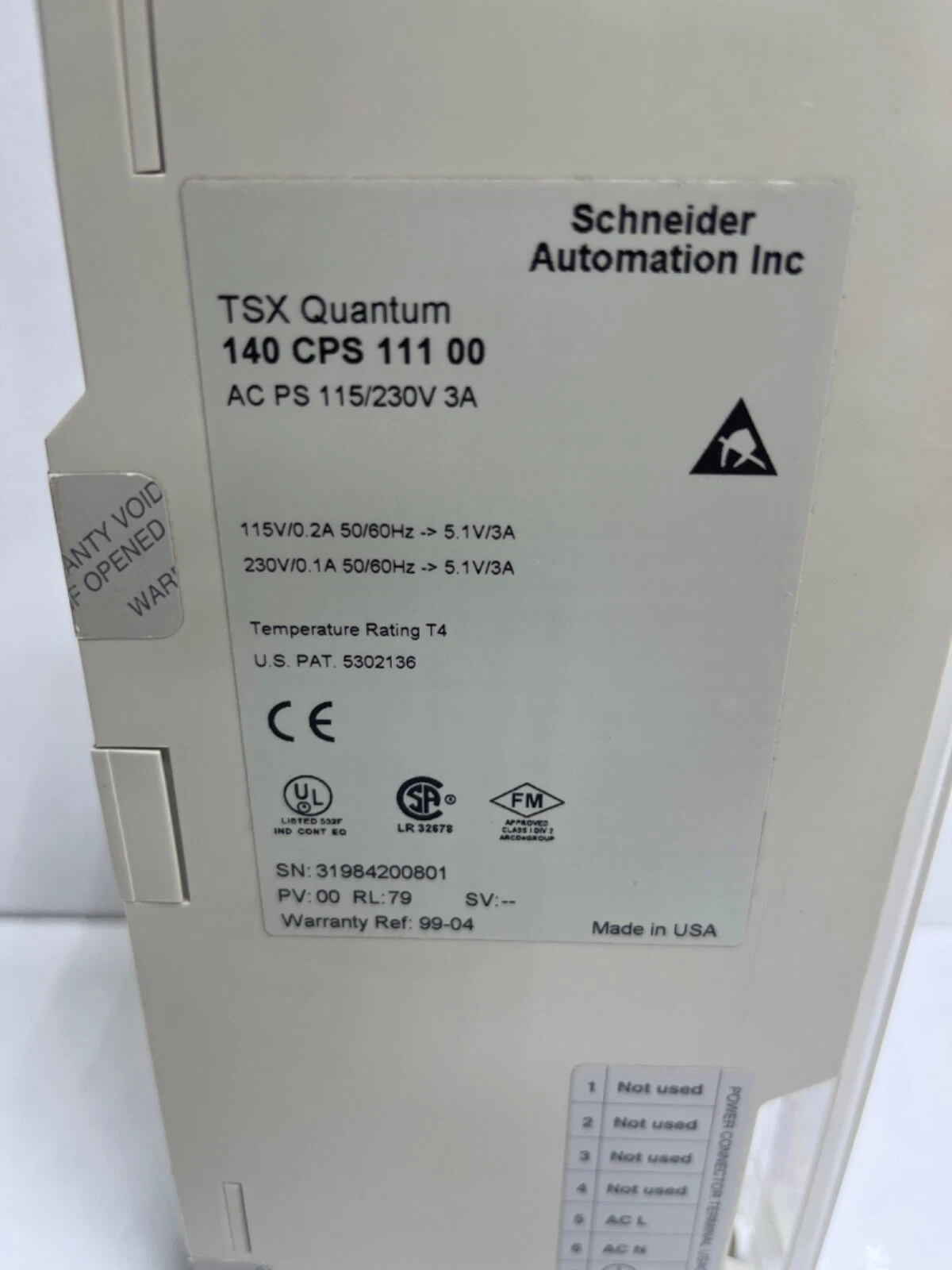
Genuine Yokogawa modules ship with traceable serial numbers and factory test documentation. Suppliers who stock ProSafe-RS parts should be able to provide clear photographs of the actual module, including the label showing model, revision, and serial number. If a supplier cannot produce a label photo before shipment, treat that as a sourcing risk.
The table below summarizes the three modules and their key characteristics for quick reference during procurement.
| Module | Type | Signal | Typical Safety Function |
|---|---|---|---|
| SAI143-S33 | Analog Input | 4–20 mA, 16 channels | Process variable monitoring, trip threshold detection |
| SDV144-S13 | Digital Output | 24 VDC, 16 channels | Final element actuation, shutdown valve control |
| SCP461 | Pulse Input | Frequency, 8 channels | Overspeed protection, frequency monitoring |
If your ProSafe-RS installation spans multiple process units and you are holding zero spares for certain module types, it is worth confirming which modules are single points of failure in your safety logic before finalizing your BOM. A mismatch between stocked spares and installed module revisions is a gap we see frequently during turnaround planning — reach out at [email protected] with your module list and we can confirm availability and revision compatibility.
Lead Time Realities and Planning Your Spare Inventory
Yokogawa factory lead times for ProSafe-RS modules vary with global demand and regional allocation. For modules that are current production, lead times can still stretch to several weeks depending on order backlog. For modules that have entered a controlled availability phase, the lead time can extend unpredictably.
Independent suppliers who maintain warehouse stock of ProSafe-RS modules can shorten that window substantially — sometimes to days rather than weeks. The trade-off is that you must verify the supplier’s incoming inspection and testing process, because a module sitting on a shelf for two years without periodic functional testing carries its own risk.
I recommend holding at least one tested spare for each module type that directly supports a SIL-rated safety function, particularly if your plant operates in a region where customs clearance adds another layer of delay. The cost of carrying a spare is real, but it is smaller than the cost of running with a degraded safety loop while waiting for a replacement.
What to Verify Before Accepting Delivery
When a ProSafe-RS replacement module arrives, a few checks before installation prevent most downstream problems.
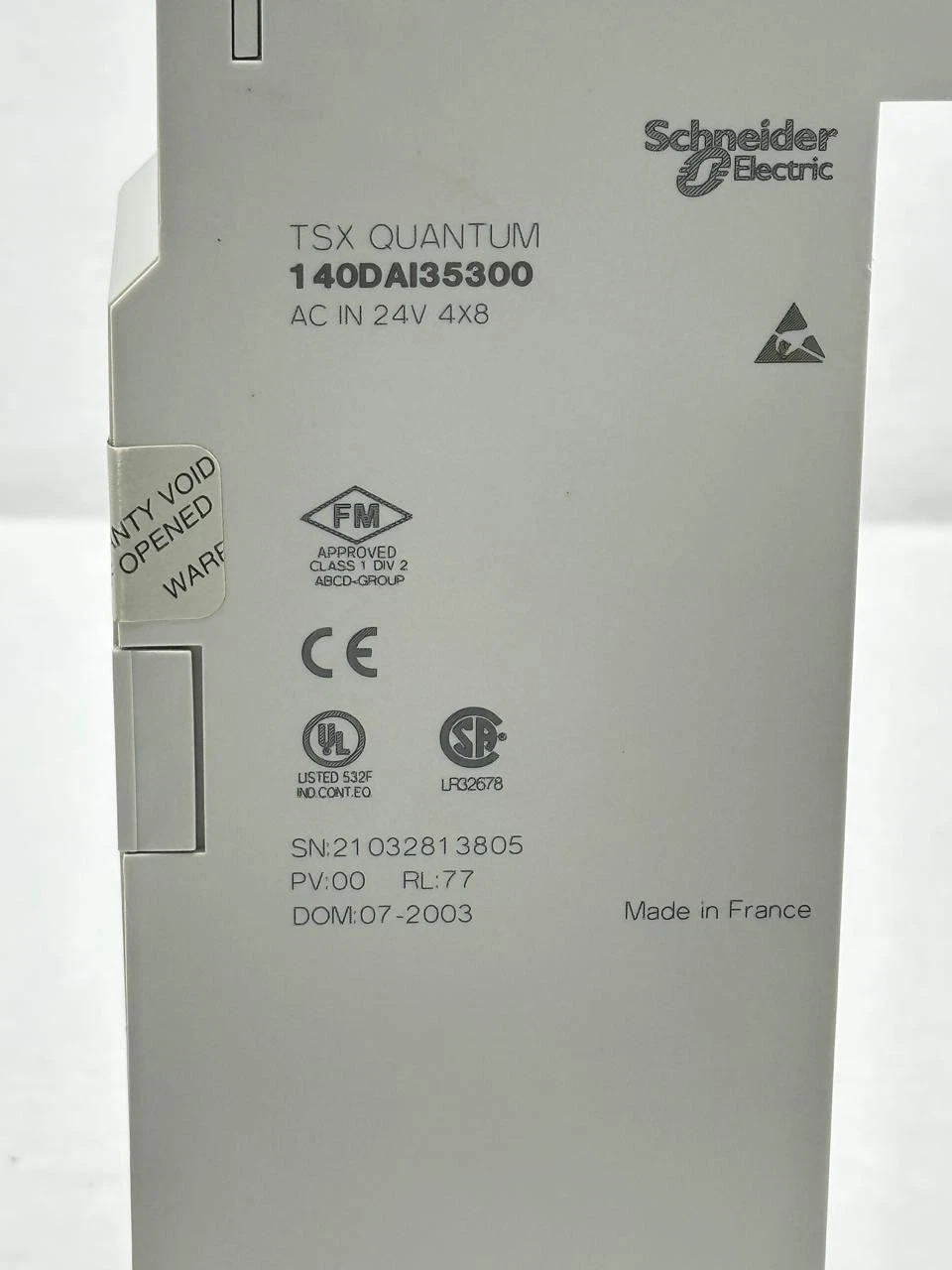
First, compare the physical label against your purchase order and the system slot configuration. Confirm the model, revision, and serial number match what you ordered. A module with the correct model but a different revision should be flagged before it reaches the rack.
Second, inspect the connector pins and backplane interface for damage, corrosion, or signs of prior installation that were not disclosed. A module sold as new or unused should show clean gold contacts with no insertion marks.
Third, if your site procedures allow, perform a bench-level power-up using a spare backplane or test rack. Confirm the module is recognized by the system and passes its internal diagnostics. This step catches internal faults that visual inspection cannot.
Finally, keep the supplier’s documentation on file. If a module fails within the warranty period, having the original test records and serial number traceability makes the replacement process straightforward.
Sourcing Decisions That Preserve Safety Integrity
When a safety module fails, the pressure to restore the loop quickly collides with the need to source a module that does not introduce new failure modes. The most reliable path combines three habits: knowing your installed base by revision, qualifying suppliers on documentation and testing rigor rather than price alone, and holding buffer stock for modules that serve critical SIL functions.
If you are managing a ProSafe-RS system and need SAI143-S33, SDV144-S13, or SCP461 modules with confirmed revision compatibility, we carry tested inventory and can provide label-level documentation before shipment. Send your part numbers and required quantities to [email protected] or call +86-181-5013-7565. The sooner we confirm the match, the sooner your safety loop is back at full integrity.
Common Questions About ProSafe-RS Spare Parts
Can I use an SAI143 with a different revision suffix in my system?
It depends on the backplane and firmware revision. ProSafe-RS I/O modules are qualified for specific system software releases, and a module revision that worked in an older CENTUM VP integration may not be recognized by a newer ProSafe-RS engineering environment. Before substituting a different revision, check the module compatibility matrix for your system version. In the installations I have supported, swapping an SAI143-S03 into a slot configured for SAI143-S33 resulted in a configuration mismatch alarm that prevented the module from going active. If you do not have the compatibility matrix on hand, a supplier with ProSafe-RS experience can cross-reference the revision against your system details.
How do I tell if a used ProSafe-RS module is still reliable?
Start with the label. A genuine Yokogawa module label carries a serial number that can be traced to the factory production record. If the label shows signs of tampering, re-adhesion, or inconsistent font, treat it as unverified. Beyond the label, request board-level photos showing the PCB condition — look for rework marks, flux residue, or replaced components. A supplier who cannot provide these before purchase is not giving you enough information to assess reliability. Modules that have passed a full functional test on a ProSafe-RS backplane and carry a test report with serial number cross-reference are the baseline for used units.
What is the typical lead time for these three ProSafe-RS modules?
Factory lead times fluctuate, but I generally see four to eight weeks for current-production modules from Yokogawa direct channels, and longer for modules in limited availability status. Independent suppliers with warehouse stock can often ship within a few business days, provided they have the correct revision. The bottleneck is usually not the shipment itself but the confirmation of revision compatibility. If you need a module urgently, having your system slot configuration and required revision ready when you inquire will cut the sourcing time significantly.
Should I stock spares for all ProSafe-RS module types?
Not necessarily all types, but you should stock for the modules whose failure would directly degrade a safety function with no workaround. The SAI143-S33, SDV144-S13, and SCP461 each fall into that category in most ProSafe-RS architectures — there is no generic module you can swap in to maintain the SIL loop if one of these fails. For non-safety I/O or modules with redundant configurations, the stocking priority is lower. The decision should be driven by your SIL verification report and the tolerable repair time for each safety loop.
Does the supplier’s location affect delivery time for ProSafe-RS parts?
Yes, and not only because of shipping distance. Customs clearance for industrial electronics varies by country, and some regions require additional documentation for safety system components. A supplier with experience shipping ProSafe-RS modules internationally will know which harmonized system codes apply and can pre-clear documentation to avoid delays. If your plant is in a region with strict import requirements for safety-rated equipment, ask the supplier about their shipping history to your country before committing to an order. Share your part number and delivery location at [email protected] and we can provide a realistic delivery timeline based on current stock and shipping routes.
If you’re interested, check out these related articles:
Epro PR6424 002 100 Proximity Probe Replacement Specs
Industrial I O Module Types Digital Analog Communication Explained
DCS Migration or Legacy Parts Strategic Industrial Choices
Foxboro FBM202 Sourcing Reliable AO Field Bus Module Replacements
GE IS200AEPAH1A Mark VI Analog I O Module Sourcing Guide