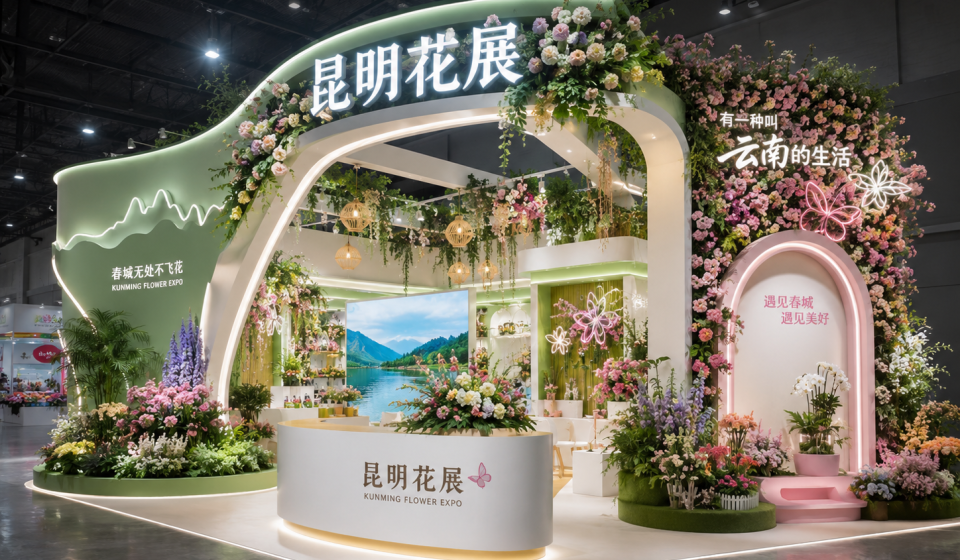

Processed flowers are no longer a niche hobbyist item—they are a high-margin category reshaping home décor, wedding design, and even the food industry. From dried bouquets that last years to preserved roses that maintain their texture and color, and edible blooms used in teas and fine dining, global demand is growing rapidly. For buyers, sourcing these products directly from Yunnan—the heart of China’s flower industry—offers unmatched variety and competitive pricing. At IFEX Kunming, over 30,000 industry professionals converge, making it the most efficient platform to compare suppliers, inspect product quality firsthand, and establish supply chains that meet international standards.
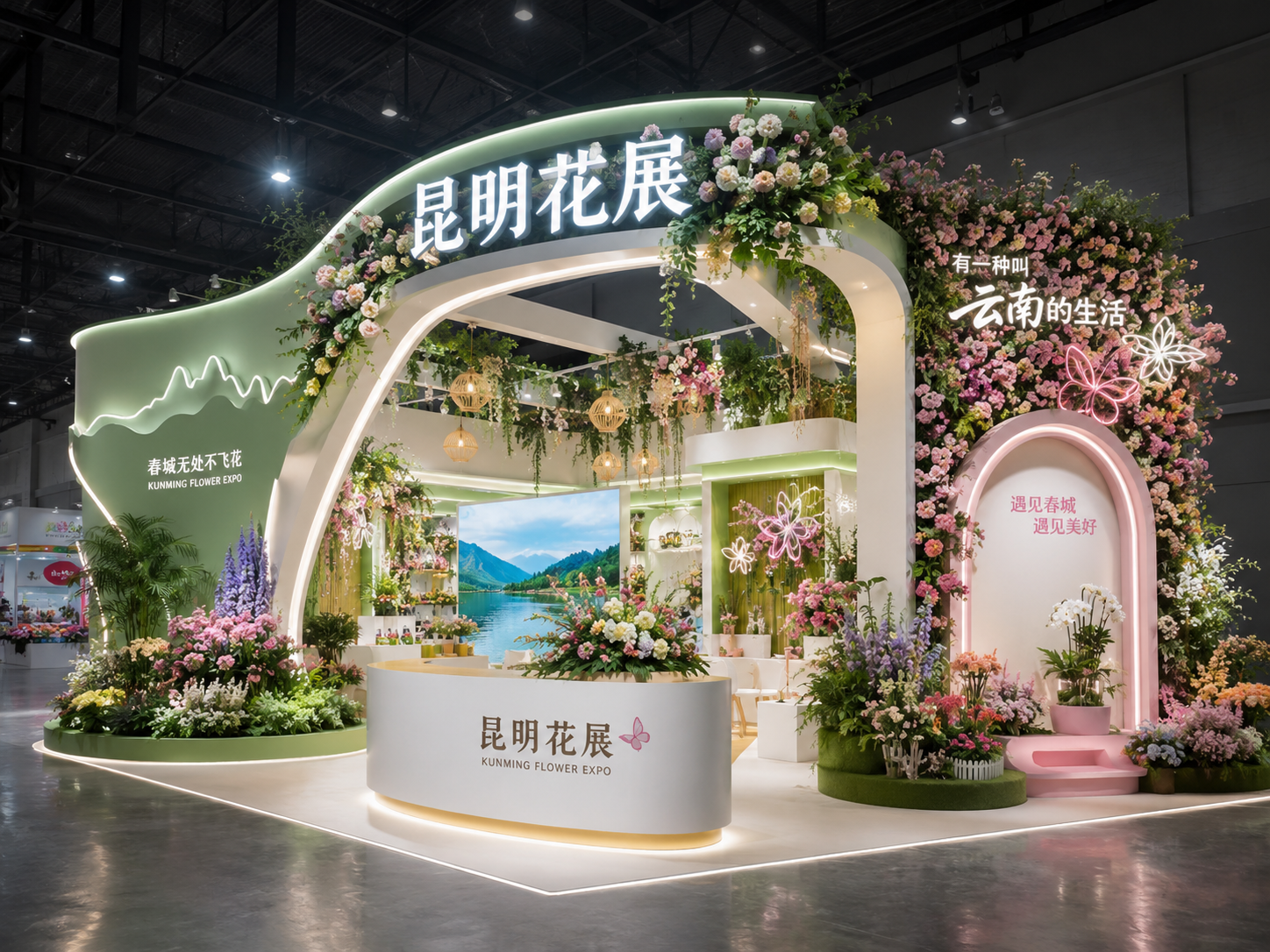
Processed flower demand now spans décor, weddings, and food retail
The processed flower segment has moved well beyond the craft aisle. Retail chains in Europe, North America, and the Middle East are expanding their dried and preserved flower assortments for home styling, while hotels and event planners increasingly specify long-lasting floral installations. At the same time, edible flowers—rose petals, lavender buds, calendula, and cornflowers—are becoming standard ingredients in premium teas, confectionery, and functional beverages. This diversification means the buyer at IFEX is no longer only a hobby wholesaler. You are as likely to meet a supermarket category manager seeking shelf-stable floral food ingredients as a wedding supply distributor building a preserved centerpiece collection. For each end-use, the quality requirements, packaging expectations, and certification demands differ sharply, making face-to-face supplier comparison the only reliable way to evaluate fit before committing to a multi‑container order.
Yunnan’s climate and supply chain give it a unique advantage in preserved flowers
Kunming’s plateau climate—dry, mild, and sun-rich—creates ideal conditions for growing and processing flowers for preservation. Unlike humid growing regions where mold and color fading compromise dried product quality, Yunnan’s low ambient moisture allows for cleaner air‑drying and extends the shelf life of glycerin‑preserved stems. The province’s consolidated flower production base also shortens the chain from field to processing facility. In practice, this means a buyer can source dried roses, eucalyptus, and pampas grass from growers who control both the raw material and the drying process, reducing the damage and color inconsistency that plague multi‑tier supply chains. When you walk the IFEX floor, you are not just meeting traders who aggregate product from multiple villages; you are often meeting the processor directly, which gives you far more leverage to specify stem length, color grading, and packaging format.
Qualifying a processed flower supplier at IFEX requires checking three things
The three most revealing checks I recommend to any international buyer are color consistency, structural integrity, and packaging condition. Start by examining a range of stems under natural light: a quality dried or preserved flower retains even pigmentation without brown leaf tips or fading across the bunch. Then gently handle the product—preserved stems should feel pliable, not brittle; they should not shed excessively when shaken. Finally, open a retail‑ready sample box. Is the product packed in a way that prevents crushing? Does the packaging include a desiccant or oxygen absorber? A supplier who invests in these details is one who understands that a product that looks perfect in Kunming but arrives damaged at your warehouse is a cost you will both bear. I always advise buyers to photograph the supplier’s own display samples exactly as they are presented, then compare them against the QC reference they provide; discrepancies between the two tell you more about their quality consistency than any sales conversation will.
Floral food sourcing demands food-grade certification, not just visual appeal
Edible flowers sit at the intersection of agriculture and food production, which means the standards you apply to a dried decorative bundle are wholly insufficient for a petal destined for a tea blend or a cake decoration. At IFEX, the processing facilities that supply floral foods should be able to show you a valid food production license, a HACCP plan or equivalent food safety management certification, and lab test reports covering pesticide residues and heavy metals for the specific flower variety. It is also worth confirming whether the supplier has previous export experience to your target market, because edible flower import regulations differ significantly: the EU’s novel food catalogue, FDA facility registration, and Japan’s positive list system each impose their own documentation requirements. If the supplier cannot produce a phytosanitary certificate with an added declaration for consumption, continuing the conversation is risky—even if the sample looks flawless.
From sample to shipment: negotiating terms that protect your margin
Once you have identified a shortlist of qualified suppliers, the commercial discussion must shift from product talk to export capability. Ask for the supplier’s standard EXW or FOB unit price, then map out the additional costs: cold chain or ambient freight, phytosanitary inspection fees, fumigation if required, and import duties at destination. Many first‑time buyers underestimate how quickly these line items can erode the attractive unit price they were shown in Kunming. A common pattern I have observed is that a preserved flower supplier may quote a low FOB price but cannot handle the necessary fumigation or documentation for a buyer’s specific market, forcing the buyer to manage logistics through a third‑party consolidator—which adds two to three days of re‑handling and significantly raises the breakage rate. Confirm these logistics details before confirming the order. For edible flowers, include a provision for pre‑shipment sample approval and specify the acceptable tolerance for foreign matter, as these clauses are critical for food‑grade shipments.
| Product Category | Typical Preservation Method | Key Quality Indicator | Shelf Life (ambient) | Common End‑Use |
|---|---|---|---|---|
| Dried flowers | Air‑dried, silica‑gel | Even color, no mold | 12–24 months | Home décor, potpourri |
| Preserved flowers | Glycerin, ethanol infusion | Pliable texture, color stability | 24–36 months | Luxury bouquets, hotel displays |
| Edible flowers | Freeze‑dried, low‑temp dehydrate | Aroma retention, microbial limits | 12–18 months | Teas, bakery, supplements |
Common Questions About Sourcing Processed Flowers
What’s the real difference between air‑dried and preserved flowers?
The difference is structural. Air‑dried flowers lose moisture over weeks, which leaves them brittle, lighter in color, and more fragile—they work well for vase arrangements and craft projects but break easily during transport. Preserved flowers undergo a chemical process where the natural sap is replaced with a glycerin‑based solution, keeping the cell walls flexible and colors close to fresh. A preserved rose can look and feel alive for two years, which is why premium retail and hospitality buyers consistently choose preserved over dried for high‑value installations. If your market demands a product that withstands repacking and shipping without shattering, invest the extra cost in preserved rather than dried—your margin will absorb a few percentage points, but the return rate will drop dramatically.
Do dried flowers need phytosanitary certificates?
Yes, almost always. While dried flowers are low‑risk compared to fresh cut flowers, most importing countries still require a phytosanitary certificate because the material is plant‑based and may harbor pests. I have seen shipments of dried lavender held at EU borders because the certificate omitted the required additional declaration stating the product was fumigated or heat‑treated. At IFEX, the supplier should be able to show you copies of recent phytosanitary certificates issued for previous exports to your target region; if they hesitate, that is a signal to dig deeper before placing a trial order.
Can I find organic‑certified edible flowers at IFEX?
A small but growing number of Yunnan producers are obtaining organic certification for edible flowers, particularly rose varieties destined for European tea brands and organic cosmetic lines. However, organic certification is not yet widespread across the processed flower supply base here, and the cost premium can be 30–50% over conventionally grown equivalent product. When evaluating an organic claim, ask to see the certification body’s name and the validity period—not just a marketing leaflet. If the supplier cannot provide a list of the permitted substances used in their cultivation and post‑harvest handling, the claim is unverifiable.
How does IFEX help with supplier verification?
The exhibition’s matchmaking platform and its on‑site business lounge offer international buyers a structured way to pre‑screen suppliers before the show. You can submit your product category and volume requirements in advance, and the organizing team will compile a list of vetted exhibitors who match your criteria, saving you from walking aisles of mismatched vendors. For processed flower buyers specifically, sharing your target quality specifications and import country documentation needs ahead of time allows the team to filter out suppliers whose export experience does not align with your market. This service is free for registered buyers and can be arranged by contacting [email protected] or calling +86 10 5933 9349.