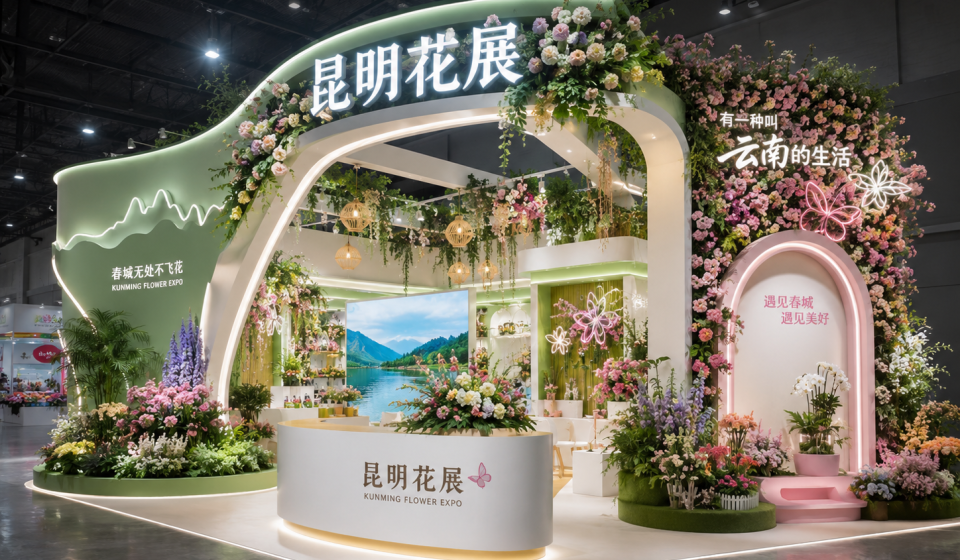

Sourcing flower breeding materials—seeds, bulbs, and seedlings—demands more trust and hands-on verification than buying finished cut flowers. Online catalogues can list germination rates and bulb sizes, but they cannot reveal a nursery’s actual growing conditions or a breeder’s quality consistency. At the Kunming International Flowers & Plants Expo (IFEX), you meet Yunnan’s top propagators face-to-face, inspect living material, and negotiate directly. In over a decade of working with international buyers at this show, I’ve seen that the difference between a successful procurement trip and a wasted journey comes down to how systematically you qualify suppliers and compare propagation stock on-site. This guide lays out a practical approach to evaluating, comparing, and securing high-quality breeding material at IFEX, from first booth visit to post-show contracts.
Why Source Flower Breeding Materials at IFEX
Propagation material carries inherent risk. A batch of seeds with poor germination or seedlings with latent disease problems can set back an entire growing season. When you source through a trade exhibition like IFEX, you shift from evaluating samples in a brochure to inspecting stock with your own eyes and talking to the breeder who developed the variety. The show’s setup as a full-chain industry platform means that breeders, nurseries, and technology providers cluster in one place, making it possible to compare offerings from different regions—from Kunming’s high-altitude cutting farms to tropical bulb producers in southern Yunnan.
What makes IFEX particularly valuable for propagation sourcing is the concentration of specialized suppliers. Unlike general horticulture fairs, IFEX draws exhibitors who are actively building their export presence, and the organizing team offers matchmaking tools that help buyers pre-schedule meetings. This front-loaded preparation is critical because walk-in visits during a busy exhibition rarely yield deep discussions about variety performance, intellectual property rights, or exclusive licensing terms—the subjects that matter most when buying breeding stock.
How to Evaluate a Breeder’s Credentials on the Show Floor
A well-designed booth and glossy catalogue mean little if the breeder cannot back up claims with documentation and physical evidence. My rule of thumb for international buyers is to ask for three things right away: variety registration or breeder’s rights documentation, a list of current commercial clients (ideally outside China), and a sample of actual planting material pulled from the same production lot they would ship. Legitimate breeders are rarely reluctant to share this information—it is part of doing international business.
Pay attention to how the breeder answers technical questions. If you ask about virus indexing for lily bulbs, cold treatment requirements for tulip bulbs, or seed lot purity percentages, the response should be immediate and quantified. Vague answers—“our quality is good,” “we test regularly”—are red flags. I once worked with a buyer who accepted verbal quality assurances for a new lily variety and ordered a trial shipment; the bulbs arrived with 30% basal rot because the supplier had not disclosed a humid storage period. That experience reinforced the rule: always request a pre-shipment inspection report, not just a certificate.
The most reliable exporters bring testing reports from third-party laboratories, sometimes displayed in binders on the table. Take photos of these documents; you will want them for your own compliance file once you return home.
How to Compare Seeds, Bulbs, and Seedlings Face-to-Face
Different propagation formats require different quality checks. Below is a quick reference for what to verify on the show floor.
| Propagation Type | Key Quality Indicators | On-Site Verification |
|---|---|---|
| Seeds | Germination rate, purity, lot number, production date | Ask for a germination test certificate; inspect seed color and uniformity |
| Bulbs | Circumference/calibre, firmness, absence of mold or damage | Physically handle bulbs; compare size across multiple samples; ask about storage protocols |
| Seedlings | Root development, stem thickness, leaf health, absence of pests | Examine plugs or bare-root seedlings; check for wilt, yellowing, or insects |
I have noticed that buyers often underestimate the value of physically handling bulbs and seedlings. A bulb that appears large in a photo but feels soft or lightweight in your hand may have been stored too long or at the wrong temperature. Similarly, seedlings shipped in plugs should show white, healthy roots penetrating the growing medium—brown or circling roots indicate stress. Spend the time to compare multiple suppliers side by side; this is the unique advantage of an in-person event.
If your procurement involves a mix of seed-raised varieties and vegetatively propagated stock, it is worth confirming that the breeder’s production capacity aligns with your volume needs and delivery windows. Overpromised supply is a common pitfall in the propagation trade. Reach out to [email protected] or call +86 10 5933 9349 to request a list of pre-qualified breeders in the category you are targeting, so you can plan your booth visits efficiently.
How to Navigate Import Regulations and Phytosanitary Requirements
Even the best breeding material is worthless if it gets stuck in customs. Every country has its own phytosanitary requirements, and propagation material is subject to stricter controls than cut flowers. When you are at the booth, confirm that the supplier can provide the necessary phytosanitary certificate issued by China’s General Administration of Customs and that the certificate will include the specific species and, if applicable, variety.
I recommend buyers obtain a copy of their own country’s import permit for the specific genus before traveling. For example, the European Union requires a plant passport for certain ornamental species, while the United States has detailed post-entry quarantine rules for lily bulbs and other hosts. Showing the supplier the exact permit conditions at the exhibition eliminates ambiguity and demonstrates that you are a serious buyer. If a supplier has never exported to your region, do not automatically reject them—some are willing to comply—but factor in extra time for them to arrange testing and documentation.
One underappreciated risk is that propagation material may contain soil or growing media, which many countries ban outright. Ask explicitly whether the seedlings or bulbs will be shipped bare-root or in an approved sterile medium. If the answer is unclear, take a photo of the growing substrate and verify with your own import authority before placing an order. Delays at the port can cost far more than the extra communication effort.
How to Build Supplier Relationships After the Show
The work does not end when you leave the exhibition hall. The most productive sourcing relationships I have seen develop over years, not single transactions. After IFEX, send a follow-up email within a week that references the specific varieties you discussed and any commitments made on pricing or trial shipments. This is also the moment to request a proforma invoice with the detailed specifications you agreed upon—do not leave it to memory.
I suggest requesting a trial order before committing to a full container. A modest shipment of seeds or a few hundred bulbs lets you evaluate real-world performance under your own growing conditions. At the same time, ask the supplier to photograph the packing process and share the ocean or air waybill number; transparency at this stage builds trust. Suppliers who push back on trial orders or whose communication becomes evasive after the show should be approached with caution.
Long-term, the goal is to reach a point where you and your supplier operate on rolling forecasts. Several IFEX regulars have moved from annual spot purchases to multi-year agreements for exclusive variety availability, a model that works best when both sides have invested in the relationship.
To begin planning your visit and get an edge in sourcing flower breeding materials, contact the IFEX team at [email protected] or +86 10 5933 9349. Share your target propagation categories and specifications, and they will assist with supplier matching, meeting scheduling, and guidance on navigating Yunnan’s breeding supply base. Preparation and face-to-face comparison are what separate a successful sourcing trip from a missed opportunity.
Common Questions About Sourcing Propagation Material at IFEX
How do I know if a breeder’s varieties are legally protected?
Ask for the breeder’s rights certificate or plant variety protection documentation. In China, the Ministry of Agriculture and Rural Affairs grants these rights. Reputable breeders will have the certificate number ready. If you plan to propagate the material further, clarify licensing terms upfront—some varieties are sold for cut flower production only, not for breeding.
What is the minimum order quantity for seeds, bulbs, or seedlings at IFEX?
There is no single answer; it depends on the supplier and the product. Seed quantities might range from a few thousand to millions per lot. Bulb orders often start at 10,000 units for commercial varieties, though some breeders offer smaller trial packs. Seedlings typically have lower minimums, but freight costs favor consolidated orders. Confirm MOQs at the booth and note them in your follow-up email to avoid surprises.
Can I take plant material back home with me from the show?
Never attempt to carry live plant material in your luggage without the proper import permit and phytosanitary certificate. It is illegal and can result in confiscation, fines, or import bans. Instead, arrange for commercial shipment after the show. Use the booth meeting to agree on shipping terms, and let the supplier handle export documentation.
How do I handle language barriers when discussing technical specifications?
In the many editions I have attended, I have found that most export-oriented breeders at IFEX have at least one English-speaking representative. For nuanced technical discussions, bring a printed glossary or use a translation app. IFEX business lounge services can connect you with interpreters when needed. Confirm critical data points—germination percentage, bulb calibre, cold treatment hours—in writing on a spec sheet during the meeting. If you are unsure about any aspect of the import process or supplier qualification, share your requirements with [email protected]. The team can direct you to vetted exhibitors experienced in your target market, so you can focus on variety selection rather than compliance guesswork.