Getting scent diffusers to work properly with commercial HVAC systems is one of those tasks that looks straightforward on paper but reveals its complexity once you’re standing in front of the ductwork. The difference between a space that smells inviting and one where fragrance pools awkwardly in corners comes down to installation decisions made in the first hour. These guidelines walk through the practical steps for facility managers and technicians, covering everything from technology selection to the maintenance routines that keep systems performing months after setup.
How Different Diffuser Technologies Interact with HVAC Airflow
Choosing the right aroma diffuser type starts with understanding how each technology behaves inside ductwork. Nebulizing diffusers convert liquid fragrance oil into fine mist without heat or water, which preserves the oil’s chemical structure and prevents the burnt notes that heated systems sometimes produce. Cold-air diffusion takes this further by using pressurized air to atomize fragrance oils into ultra-fine particles. These particles stay suspended longer in moving air, which matters when you’re trying to push scent through hundreds of feet of ductwork.
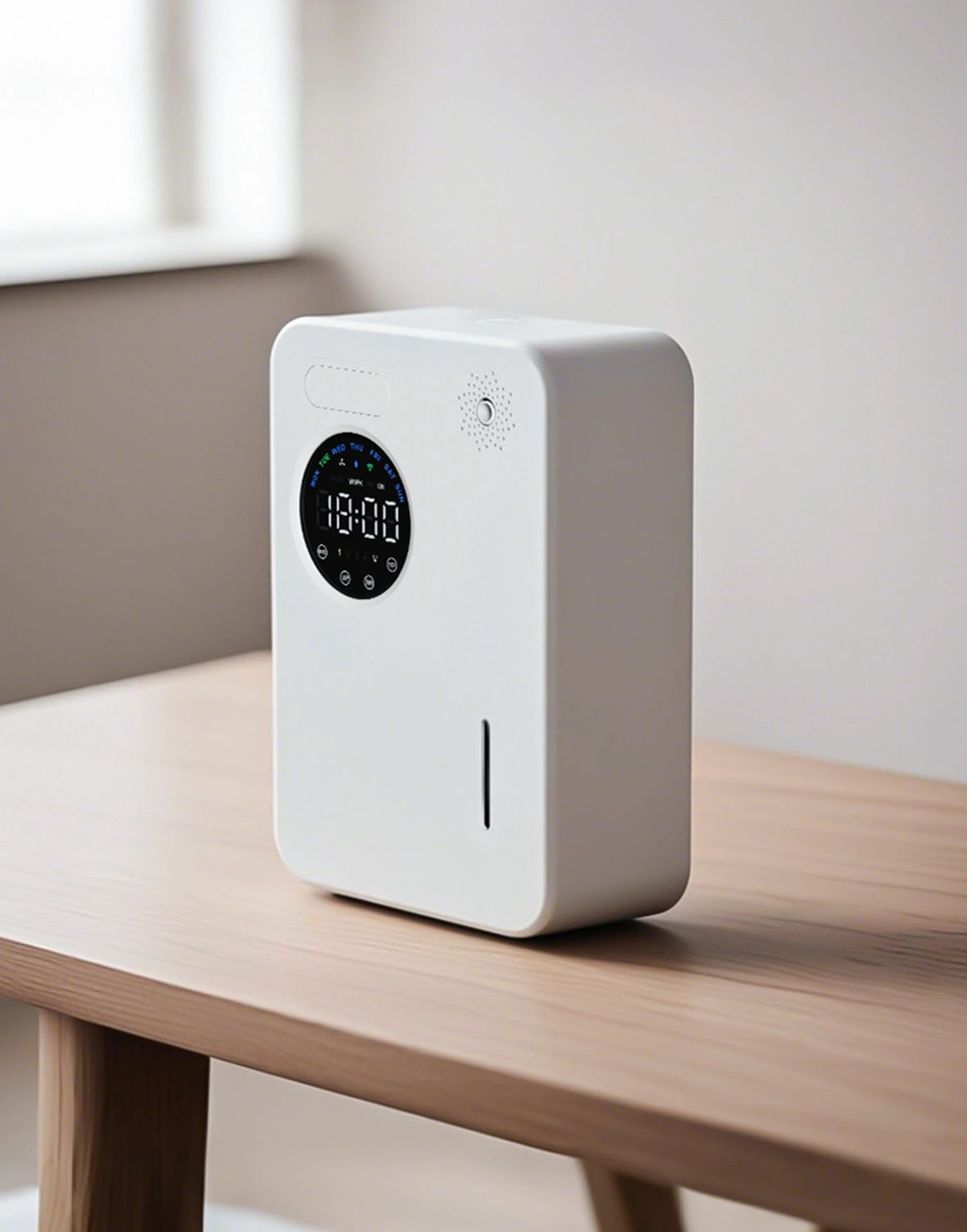
The practical side of HVAC integration means assessing three things before ordering equipment: system airflow volume, ductwork layout, and the total cubic footage you need to cover. A commercial HVAC scent diffuser aroma dispenser system rated for 8,000m³ makes sense for large retail floors or hotel lobbies. For conference centers or medium retail spaces, a wall mount aroma diffuser HVAC scent system covering 3,000m³ handles the job without oversaturating the air. Mismatching diffuser capacity to space volume creates problems that no amount of adjustment fixes later.
| Technology Type | Diffusion Method | Strengths | Limitations | Best Fit |
|---|---|---|---|---|
| Nebulizing | Cold air pressure | Pure fragrance delivery, no residue, covers large areas | Uses more oil, produces some operational noise | Large commercial spaces, direct HVAC integration |
| Evaporative | Fan-driven airflow over pad | Simple mechanism, low upfront cost | Limited reach, fragrance degrades over time | Smaller rooms, localized applications |
| Ultrasonic | High-frequency vibrations | Adds humidity, gentle scent release | Requires water reservoir, limited commercial scalability | Spas, small office environments |
 ## Walking Through the Installation Sequence
Professional installation determines whether a scent system performs reliably or becomes a maintenance headache. These steps reflect what actually works in the field, not just what looks good in a manual.
Start with a site survey that examines the HVAC system in detail. Map the ductwork runs, identify where supply air moves fastest, and locate electrical access points. This survey prevents the frustrating discovery mid-installation that power is 30 feet from the optimal mounting location.
Diffuser placement belongs in the supply air duct, positioned where fragrance has time to mix with airflow before reaching occupied spaces. Placing units too close to vents creates hot spots of concentrated scent near the outlet while leaving distant areas barely touched.
Sizing requires honest math. A commercial aroma diffuser HVAC scent system rated for 3,000-4,000m³ handles most mid-sized applications. Larger venues need equipment like a dual-system HVAC scent diffuser extending coverage to 15,000m³. Oversizing wastes oil and creates overpowering environments. Undersizing leaves dead zones.
Secure mounting matters more than installers sometimes realize. Vibration from HVAC operation loosens poorly fastened equipment over time. Use brackets rated for the diffuser weight and check fastener tightness during the first few maintenance visits.
The duct connection needs an airtight seal. Leaks at this junction waste fragrance and can introduce oil residue into spaces where it doesn’t belong. After connecting the output nozzle, run the system briefly and check for any scent escaping at the connection point.
Electrical connections should match manufacturer specifications exactly. Voltage fluctuations damage pumps and control boards, so verify power stability before completing the installation.
Load fragrance oil carefully, avoiding spills that can damage exterior finishes or create slipping hazards. Configure initial settings through the device interface or Bluetooth app, starting with conservative intensity levels that can be adjusted upward after observing how scent disperses through the space.
Installation Errors That Create Ongoing Problems
Sizing mistakes top the list of preventable errors. A diffuser too small for the space produces weak, inconsistent scent that barely registers. One too large overwhelms occupants and burns through oil at unsustainable rates.
Duct placement errors cause uneven distribution. Installing in return air ducts rather than supply ducts pulls fragrance back into the HVAC system instead of pushing it into occupied areas. This wastes oil and can leave residue on filters and coils.
Skipping calibration after installation guarantees complaints. Every space has unique airflow patterns, and settings that work in one building fail in another. Taking time to calibrate intensity and scheduling during the first week prevents callbacks.
Calibration and Maintenance That Keeps Systems Running
Post-installation calibration transforms a technically correct installation into a system that actually delivers the intended experience. Scent intensity calibration finds the point where fragrance is noticeable without becoming intrusive. This balance varies by space type. A hotel lobby tolerates stronger scent than a medical office.
Programming schedules conserves resources while maximizing impact. Running diffusers at full intensity during overnight hours wastes oil and energy. Scheduling higher output during peak traffic periods and lower output during quiet hours extends oil life significantly. Many diffusers, including app control electric essential oil scent diffuser machines, allow remote scheduling adjustments that respond to changing occupancy patterns.
Maintenance routines prevent the gradual performance decline that makes scent systems seem unreliable. Daily checks verify oil levels and confirm the diffuser is following its programmed schedule. Weekly cleaning removes dust from exterior surfaces and checks for visible nozzle blockages. Monthly inspections examine the HVAC connection for seal integrity, clean the oil reservoir to prevent buildup, and check components for wear.
| Intensity Level | Setting Range | Resulting Atmosphere |
|---|---|---|
| Low | 1-3 | Subtle background presence |
| Medium | 4-6 | Noticeable and welcoming |
| High | 7-10 | Strong sensory impact |
Diagnosing Performance Problems
Uneven scent coverage usually traces back to airflow issues rather than diffuser malfunction. Check duct integrity first. Leaks or disconnections in ductwork between the diffuser and occupied spaces allow scent to escape before reaching its destination. Airflow balance problems, where some zones receive more supply air than others, create corresponding scent distribution imbalances.
Complete absence of scent despite a running diffuser suggests atomizer blockage or pump failure. Atomizers clog when oil residue accumulates, particularly with thicker fragrance formulations. Cleaning or replacing the atomizer typically resolves this. Pump issues require more involved diagnosis, starting with power verification and moving to internal component inspection.
Intermittent operation often points to electrical problems. Loose connections, voltage fluctuations, or timer malfunctions cause systems to cycle unpredictably. Reviewing power supply stability and connection integrity usually identifies the cause.
Safety Requirements and Air Quality Considerations
Electrical safety starts with proper installation but extends to ongoing verification. Connections should be inspected during maintenance visits, particularly in environments with vibration or temperature fluctuation that can loosen terminals over time.
Fragrance oil handling requires attention to storage and spill prevention. Quality oils from reputable suppliers minimize exposure risks, but even safe formulations create slipping hazards when spilled on hard floors. Secure storage prevents accidental contact and maintains oil quality.
Cold-air diffusion technology avoids the VOC concerns associated with heated diffusion methods. The atomization process doesn’t alter oil chemistry, so properly formulated oils don’t release harmful compounds during operation. Verifying that fragrance suppliers provide MSDS documentation confirms the safety profile of specific formulations.
Fire safety protocols require that scent systems don’t interfere with smoke detection or sprinkler operation. Placement should avoid detector locations, and oil storage should follow the same precautions applied to other flammable liquids in the facility.
What Professional Installation Actually Delivers
The gap between professional and DIY installation shows up in long-term performance rather than day-one appearance. Professionals assess HVAC systems with experience that anticipates problems before they occur. They recognize when ductwork configurations will create distribution challenges and adjust placement accordingly.
Consistent scent coverage across large or complex spaces requires understanding how air moves through buildings. This knowledge comes from installing systems in varied environments and observing results over time. DIY approaches often achieve acceptable results in simple spaces but struggle with multi-zone HVAC systems or buildings with unusual layouts.
 System longevity improves when installation avoids the stress points that cause premature wear. Proper mounting eliminates vibration damage. Correct electrical connections prevent board failures. Appropriate sizing avoids the constant high-output operation that shortens pump life.
Access to ongoing support matters when problems arise. Professional installation typically includes troubleshooting assistance and maintenance guidance that DIY approaches lack.
| Consideration | DIY Approach | Professional Installation |
|---|---|---|
| Technical Knowledge | Learning curve, trial and error | Experienced assessment and execution |
| Scent Consistency | Variable, depends on luck with placement | Optimized coverage from proper positioning |
| Equipment Lifespan | Higher failure risk from installation errors | Extended life through correct setup |
| Problem Resolution | Self-directed troubleshooting | Technical support access |
| Total Cost | Hidden expenses from mistakes and inefficiency | Predictable investment with reliable returns |
For businesses exploring how customized scenting approaches might fit their specific environments, 《Custom Smart Aroma Diffusers: Tailored Scenting Solutions》 covers the options in detail.
Working with Experienced Scenting Partners
Professional scent system installation transforms commercial spaces when executed with proper planning and technical skill. Scent-Share Technology (Guangzhou) Co., LTD provides complete scenting services covering development, production, and support. A decade of work across 68 countries with over 300 fragrance options has built the expertise that complex installations require. For consultation on how scent integration might work in your specific facility, reach out at +86 185 6557 5758, +86 134 2048 5758, or [email protected].
Frequently Asked Questions About Scent Diffuser Installation
How often should a commercial scent diffuser be serviced after installation?
Commercial scent diffusers integrated with HVAC systems generally need servicing every 3-6 months, though high-traffic environments may require more frequent attention. Service visits should include oil level verification, component cleaning, and calibration checks. Systems running continuously at high intensity accumulate residue faster and benefit from quarterly maintenance rather than biannual schedules.
Can scent diffusers be integrated with existing smart building systems?
Modern commercial scent diffusers increasingly support integration with building management systems. This connectivity enables centralized scheduling, intensity adjustments based on occupancy data, and remote monitoring that flags maintenance needs before they become service interruptions. Integration complexity varies by BMS platform, so verifying compatibility before purchase prevents frustrating workarounds later.
What factors influence the cost of professional scent diffuser installation?
Installation costs reflect diffuser system complexity, HVAC integration difficulty, coverage area size, and any custom programming requirements. Simple single-zone installations cost less than multi-zone systems requiring coordinated coverage. Buildings with accessible ductwork and nearby electrical service reduce labor time compared to facilities requiring extensive routing. Professional installation avoids the hidden costs of DIY errors, including wasted oil from poor placement, equipment damage from incorrect electrical connections, and the time spent troubleshooting problems that proper installation prevents.