Working with recombinant human IL-4 over the years has given me a clear sense of why this cytokine matters so much in immunology research. It sits at the center of Th2 immune responses, and getting the protein quality right makes all the difference between clean data and frustrating noise. The applications keep expanding too, from basic cytokine signaling studies to cell therapy development and drug screening platforms.
How Recombinant Human IL-4 Drives Immunomodulation
Recombinant human IL-4 mediates the T helper 2 (Th2) immune response, a pathway central to allergic inflammation and host defense against extracellular parasites. The cytokine acts through the IL-4 receptor, triggering a signaling cascade involving the Janus kinase (JAK) family and the signal transducer and activator of transcription 6 (STAT6) pathway. This activation pushes naive T cells toward Th2 differentiation.
Beyond T cell effects, IL-4 promotes B cell proliferation and differentiation, driving immunoglobulin E (IgE) antibody production. IgE synthesis represents a hallmark of allergic reactions, making IL-4 signaling fundamental to conditions like asthma and atopic dermatitis. Researchers use rHIL-4 to modulate these responses in vitro with precision, studying cytokine signaling nuances and their impact across immune cell populations. The connection between IL-4, Th2 responses, and allergic disease pathogenesis remains a critical target for therapeutic development.
Where Recombinant Human IL-4 Proves Indispensable in Research
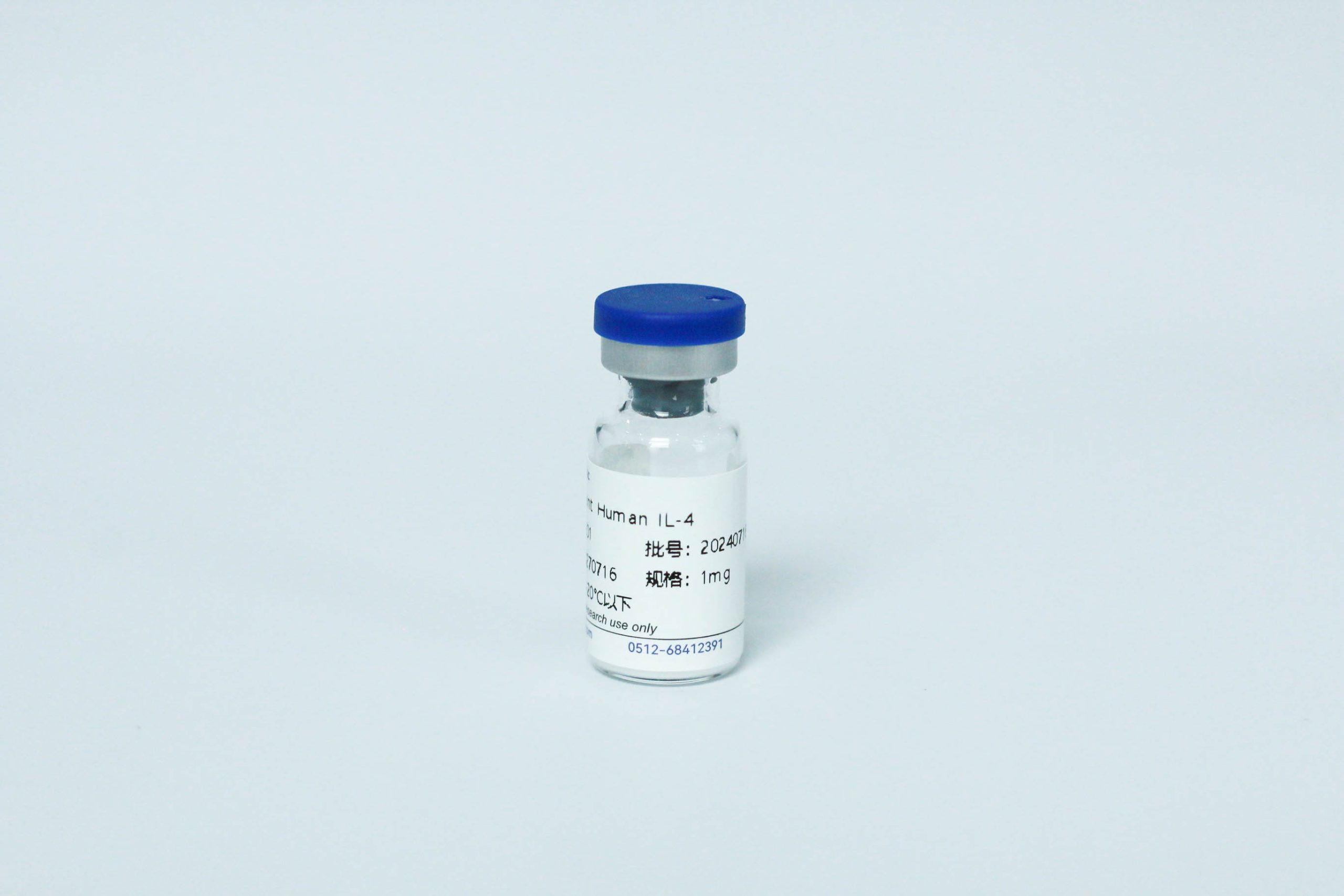
The biological activity of recombinant human IL-4 makes it essential across biomedical research fields. Cell culture media formulations rely on it heavily, particularly for immune cell differentiation and expansion studies. Demand for high-purity rHIL-4 continues growing in cell therapy and organoid development applications.
Drug discovery programs use rHIL-4 to screen compounds that modulate immune responses. The protein also supports in vitro diagnostics (IVD) development and biopharmaceutical production. Researchers exploring anti-inflammatory effects have applied it to fibrosis models and autoimmune disease studies.
| Application Area | Key Role of rHIL-4 | Required IL-4 Characteristics |
|---|---|---|
| Cell Culture Media | Induces B cell differentiation, modulates macrophage | High purity (≥95%), low endotoxin (≤10 EU/mg), high bioactivity |
| Immunological Studies | Investigates Th2 responses, IgE production | Consistent bioactivity (ED₅₀ ≤ 0.2 ng/mL), lot-to-lot consistency |
| Drug Discovery | Screens immunomodulatory compounds | Well-characterized, stable, reproducible activity |
| Cell Therapy & Organoid Dev. | Supports specific cell differentiation pathways | GMP-grade potential, ultra-low endotoxin, verified sterility |
| Anti-inflammatory Research | Models inflammatory conditions, evaluates therapeutic effects | Reliable potency, absence of contaminating cytokines |
What are the primary applications of recombinant human IL-4 in biomedical research?
Recombinant human IL-4 serves immunology studies investigating Th2 immune responses, B cell differentiation, and IgE production. It supports allergy model development and anti-inflammatory mechanism research. Applications extend to tissue engineering and cell differentiation studies, spanning basic immunology through advanced regenerative medicine.
Production Standards That Determine Recombinant Human IL-4 Quality
Producing high-quality recombinant human IL-4 for sensitive applications requires stringent manufacturing and rigorous quality control. Advanced protein expression systems like CHO cells ensure proper folding and post-translational modifications, yielding a 15 kDa protein with ≥95% purity.
Purification strategies target exceptionally low endotoxin levels, typically ≤10 EU/mg. This specification proves critical for cell-based assays and therapeutic development work. Bioactivity validation uses specific assays such as the TF-1 cell proliferation assay, where properly manufactured rHIL-4 demonstrates an ED₅₀ ≤ 0.2 ng/mL. Lot-to-lot consistency depends on maintaining these standards throughout production.
How is the quality and bioactivity of recombinant human IL-4 ensured for sensitive applications?
Quality assurance involves meticulous protein expression and purification followed by comprehensive testing. Purity assessment uses SDS-PAGE and HPLC methods. Endotoxin measurement and cell-based assays like the TF-1 cell proliferation assay confirm bioactivity. ELISA provides quantitative analysis, supporting lot-to-lot consistency for sensitive research applications.
Therapeutic Development Pathways for IL-4 Modulation
Modulating IL-4 pathways represents a significant therapeutic research direction. Both recombinant human IL-4 and its antagonists are being evaluated as drug targets for immune-mediated diseases. Immunotherapy strategies aim to rebalance immune responses in allergic conditions and certain autoimmune diseases through IL-4 modulation.
Gene therapy and precision medicine approaches create opportunities for targeted delivery and controlled IL-4 expression. Clinical trials continue investigating biologic drugs that either mimic or block IL-4 activity. These programs demonstrate the cytokine’s importance in emerging therapeutic landscapes.
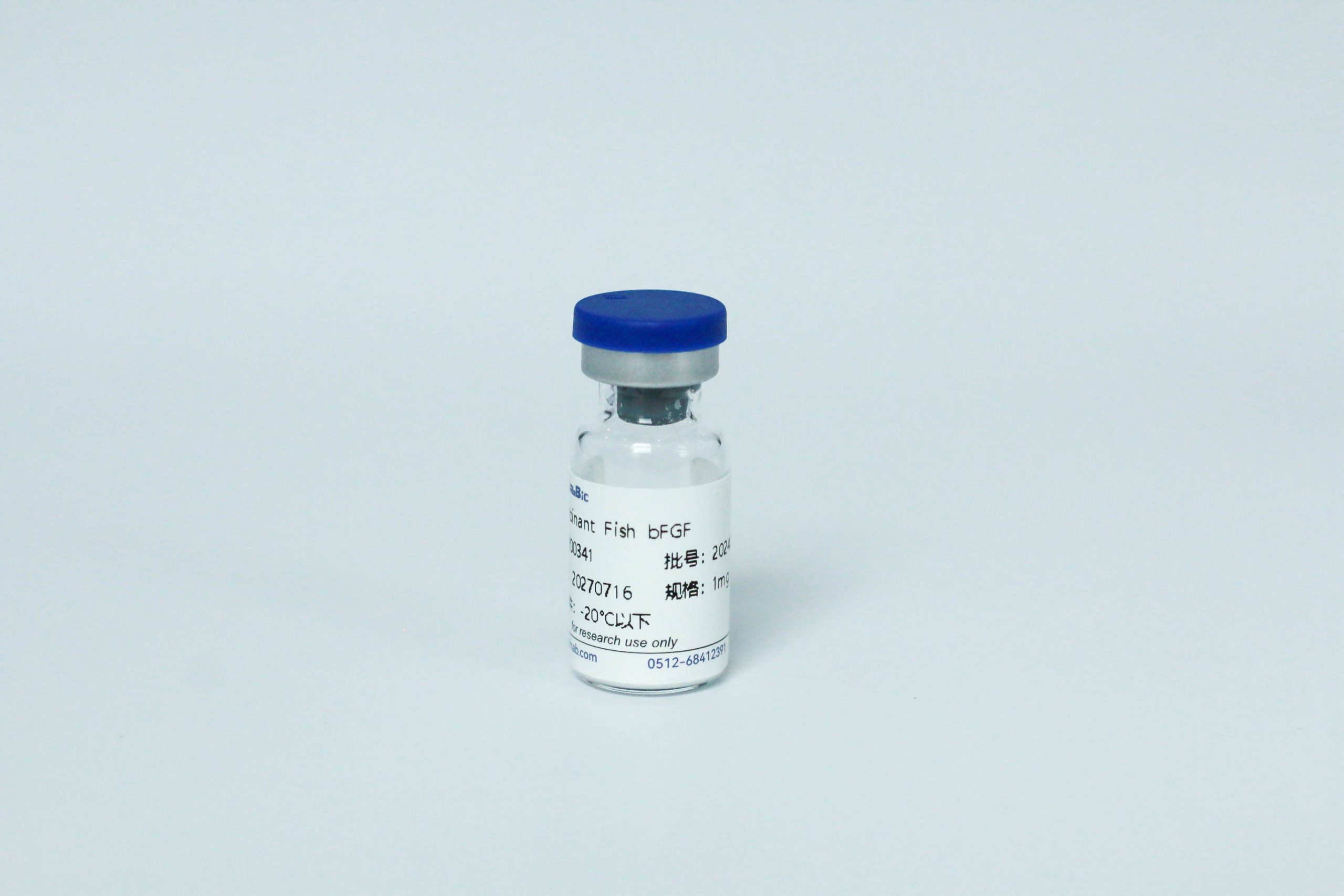
Selecting a Recombinant Human IL-4 Supplier That Meets Research Standards
Research integrity and development timelines depend on reliable recombinant protein sourcing. Raw materials must meet stringent quality control standards while delivering consistent performance across experiments.
Our biotechnology company provides high-quality recombinant protein raw materials, including Recombinant Human IL-4 manufactured to rigorous specifications. Technical support and global distribution ensure researchers access the tools their projects require. Custom protein services address specific project requirements, supporting innovation across research programs.
Accelerate Your Research with East Mab Bio
Jiangsu East-Mab Biomedical Technology Co., Ltd. provides high-quality recombinant protein raw materials to support research and development programs. Our portfolio includes cell culture proteins, IVD diagnostic proteins, and enzymes. Contact us to discuss your recombinant human IL-4 requirements or explore custom solutions for your projects. Reach us at +86-400-998-0106 or [email protected].
What role does IL-4 play in immune regulation and disease pathogenesis?
IL-4 orchestrates the Th2 immune response, promoting B cell proliferation and differentiation that leads to IgE antibody production. The cytokine plays a key role in allergic inflammation, asthma, and atopic dermatitis. Understanding IL-4 signaling pathways supports targeted therapy development for these conditions.
Why is high purity essential for recombinant human IL-4 in research applications?
High purity ensures experimental reproducibility and accurate results. Contaminants like endotoxins or other proteins interfere with cell signaling, induce unwanted immune responses, or alter cell behavior. Cell therapy and in vitro diagnostics applications require stringent purity specifications and low endotoxin levels.
Can recombinant human IL-4 be used in cell culture media for specific cell lines?
Recombinant human IL-4 is commonly added to cell culture media for immune cell studies. It induces B cell differentiation, promotes certain T cell subset growth, and modulates macrophage polarization. Including IL-4 in media helps mimic in vivo conditions and achieve specific cellular responses in vitro.